Old bottles can make surprisingly useful containers for growing plants indoors. With a little water, some cuttings, and a sunny windowsill, you can turn bottles that would otherwise be tossed out into simple plant displays.
The trick is choosing plants that can root in water and handle life in a small container. These options include trailing vines, herbs, and colorful foliage plants that can add greenery without taking up much room.
Pothos
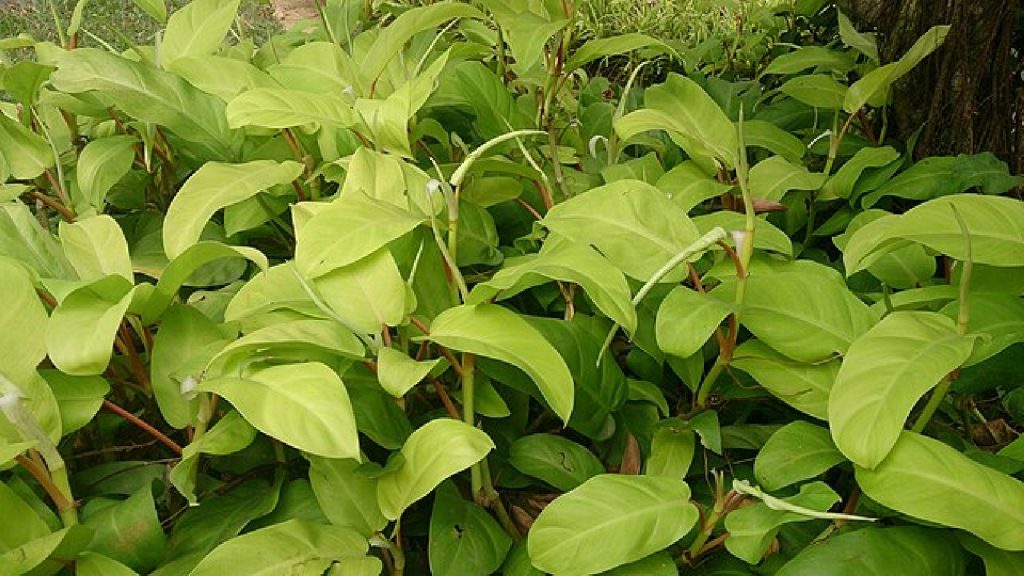
Pothos is one of the easiest plants to start in water, thanks to its quick-growing roots and forgiving nature. Place a cutting with a leaf node in a bottle of water, give it low to medium indirect light, and watch the roots develop.
Related: 12 Plants That Naturally Keep Weeds Under Control
Lucky Bamboo
Lucky bamboo grows well in water and needs very little attention once it is set up. Keep the roots covered with water and place the bottle somewhere with indirect light, and the tall stalks can make a simple display.
Spider Plant
Spider plants can be started from their small plantlets and rooted in water with very little trouble. A clear bottle lets you see the roots as they develop, while the long leaves add plenty of movement to the display.
English Ivy
English ivy has trailing stems that can spill over the sides of a bottle as they grow. Take a healthy cutting, place the lower part in water, and keep it in bright, indirect light to encourage steady new growth.
Related: 14 Indoor Plants Believed to Attract Good Energy
Philodendron
Philodendrons root easily from stem cuttings, making them a good choice for a bottle garden. Place a cutting with a leaf node in water and give it indirect light while the roots begin to form.
Mint
Mint roots quickly in water and gives you fresh leaves for drinks, desserts, and cooking. Place a few stems in a bottle near a sunny window, making sure the leaves stay above the water.
Related: 14 Plants That Turn Vertical Gardens Into Living Walls
Chinese Money Plant
The Chinese Money Plant has round leaves that give a bottle display a clean, modern look. Stem or plantlet cuttings can be rooted in water before being moved into soil once they have developed a healthy root system.
Wandering Jew
Wandering Jew, also known as Tradescantia, has colorful leaves and trailing stems that look great spilling from a bottle. Place a few cuttings in water with the lower nodes submerged, and roots can begin forming fairly quickly.
Basil
Basil is a handy choice for a bottle garden because you can grow it while keeping fresh leaves nearby for cooking. Take a healthy stem cutting, place it in water, and give it plenty of sunlight to encourage new roots and growth.
Related: 16 Food-Producing Plants That Are Perfect for Small Indoor Spaces
Coleus
Coleus has leaves in shades of green, red, pink, and purple, so it can add plenty of color to a bottle display. Coleus plants root readily from cuttings in water and can stay there while the roots develop before being moved into soil.
Succulents
Some succulents, including jade plants and string of pearls, can be propagated from cuttings in water for a limited time. Once roots have formed, move the cutting into well-draining soil rather than keeping it submerged long-term, since most succulents are prone to rot in constantly wet conditions.