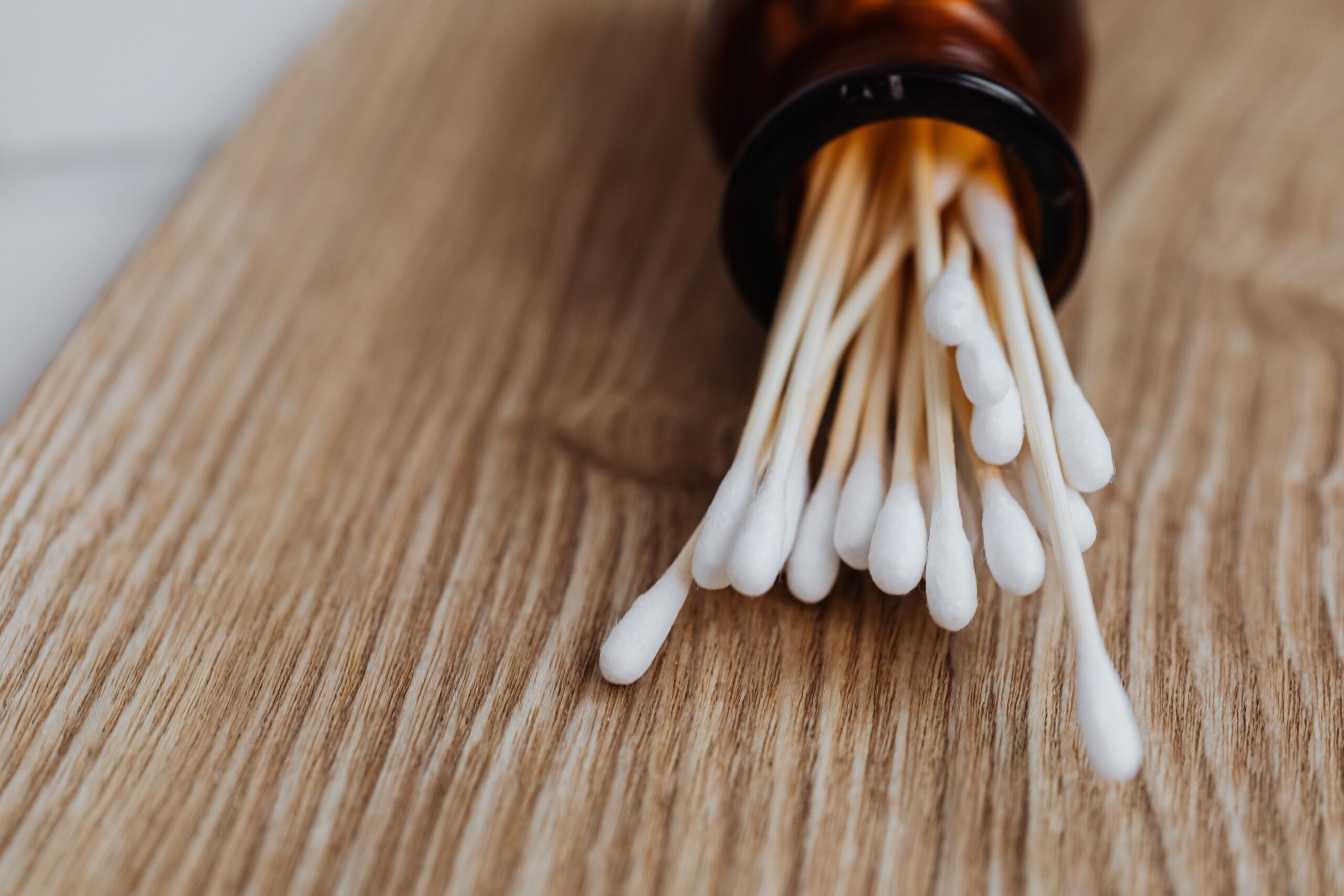
Most people have a box of cotton swabs tucked away in a bathroom drawer. They’re inexpensive and easy to find, and while many people associate them with ear cleaning, they have plenty of other uses around the house.
Cotton swabs date back to 1923, when inventor Leo Gerstenzang came up with the idea after seeing his wife attach cotton to a small stick to clean hard-to-reach spots. Their simple design is still useful today, especially for jobs that require a little more precision than a regular cloth or sponge can offer.
Here are 12 handy ways to put cotton swabs to work.
Clean Tight Spaces Around Electronics
Keyboards, remote controls, and the edges of electronic devices can collect dust in places that are difficult to reach with a regular cloth. Use a dry cotton swab to clean around these areas, and never put liquid into charging ports, openings, or other exposed electronic parts.
Fix Small Makeup Mistakes
A cotton swab dipped in micellar water or makeup remover can clean up smudged eyeliner, stray mascara, and lipstick that went beyond the edges. It’s a quick way to correct a small mistake without redoing your makeup.
Apply Skincare Treatments
Cotton swabs make it easier to apply acne treatments, ointments, and other skincare products to small areas without using your fingers. Choose a fresh swab each time, and avoid dipping a used one back into a shared container.
Clean Delicate Jewelry
Small jewelry pieces often have narrow spaces around their settings where dirt and residue can collect. Use a cotton swab with a jewelry cleaner approved for the piece, but check the care instructions first since some gemstones and finishes can be damaged by liquids.
Touch Up Nail Polish
A little nail polish outside the edges of your nails can make an at-home manicure look messy. Dip a cotton swab in nail polish remover and carefully clean the surrounding skin before the polish dries.
Clean Your Car’s Interior
Dust tends to collect around air vents, window buttons, gear shifts, and other small areas inside a car. A dry cotton swab can help remove buildup from these spots without requiring a full interior cleaning.
Remove Lint From Hair Dryer Vents
Hair and dust can collect around a hair dryer’s rear air intake, restricting airflow over time. Unplug the dryer, let it cool completely, and follow the manufacturer’s cleaning instructions, using a dry cotton swab only if you can safely reach the vent.
Help a Stuck Zipper Move More Smoothly
A stubborn zipper can be frustrating, especially when it catches on fabric or refuses to move. Use a cotton swab to apply a tiny amount of zipper-safe lubricant along the teeth, testing it on a hidden area first to avoid staining the material.
Touch Up Small Paint Marks
Tiny chips and scratches on painted walls or trim don’t always call for a full paint job. Dip a cotton swab into matching paint and dab a small amount over the damaged spot for a neat touch-up.
Help With Seed Planting
Tiny seeds can be difficult to pick up and place evenly, especially when working with seed trays. Lightly dampen a cotton swab to pick up individual seeds, then transfer them to their planting spots without handling them directly.
Assist With Hand Pollination
Some garden plants benefit from a little help transferring pollen between flowers. Use a clean, dry cotton swab to gently collect pollen from one flower and brush it onto another flower of the same compatible plant.
Apply Ointment to Small Areas
A clean cotton swab can help spread a thin layer of ointment over a small scrape or minor skin irritation without using your fingers. Use a fresh swab each time, and follow the product directions when caring for wounds or burns.
Cotton swabs may be small, but they can come in handy for plenty of little jobs around the house. Keeping a box in your bathroom, craft area, or cleaning supplies drawer means you’ll have an easy tool ready for those hard-to-reach spots and quick touch-ups.
Other posts you might like:
- Banana Peels Might Be the Most Underrated Natural Boost for Your Garden
- I Stopped Using Dryer Sheets in the Dryer—Here’s Where I Use Them Instead
- Stop Throwing Away Orange Peels — Some Call Them Trash, Others Call Them Kitchen Gold
- 14 Practical Uses for Windex
- 15 Incredible Ways to Repurpose Used Coffee Grounds