The cabinet under the kitchen sink often becomes a storage spot for just about anything. Extra cleaning supplies, grocery bags, random household items, and half-empty bottles tend to pile up there because it’s an easy place to stash things out of sight.
But this cabinet isn’t the best place for everything. Leaky pipes, damp conditions, and limited space can damage certain items or create safety concerns, so it’s worth checking what you’ve been keeping there.
Here are 12 things that are better stored somewhere else.
Pet Supplies
Keeping pet food, treats, toys, or medications under the sink may seem convenient, but leaks and moisture can damage them. Store pet food in an airtight container in a dry pantry or cupboard, and keep medications according to their label instructions.
Related: Keep The Pet, Not The Odor: 20 Ways To Reduce Pet Smells In Your House
Flammable Materials
Items such as lighter fluid, certain aerosol sprays, and other flammable products shouldn’t be tucked into a crowded cabinet under the sink. Store them according to their labels, away from heat, flames, and other possible ignition sources.
Small Appliances
Toasters, blenders, and coffee makers need a dry storage spot, so the cabinet under the sink isn’t ideal. Moisture from a leak can damage electrical parts, and the cramped space may make it harder to take appliances out when needed.
Harsh Chemicals
Strong cleaners, including bleach and drain cleaners, can be dangerous if they spill or come into contact with other household products. Keep them in their original containers, follow the storage instructions on the labels, and place them in a locked or child-resistant area away from food and pet supplies.
Paint
Leftover paint cans can take up a lot of room, but the cabinet under the sink is a poor place to keep them. Store paint in a dry location within the temperature range listed on the can, and make sure the lids are sealed tightly to prevent leaks and fumes.
Pantry Items
Cereal, pasta, canned goods, and dried spices belong in a pantry or food cupboard rather than beneath the kitchen sink. Moisture from a plumbing leak can damage packaging, while nearby cleaning products create another reason to keep food storage separate.
Food Items
Snacks, breakfast foods, and other groceries shouldn’t share space with plumbing supplies and household cleaners. Keep anything meant for people or pets in a clean, dry cabinet or pantry where it won’t be exposed to leaks, spills, or pests.
Insecticides and Pesticides
Bug sprays, ant killers, and other pest control products can be hazardous if they leak or get into the wrong hands. Follow the label’s storage directions and keep them secured away from children, pets, food, and household cleaners.
Paper Products
Paper towels, napkins, paper bags, and spare tissues can quickly become damp if a pipe leaks beneath the sink. Store extra supplies in a linen closet, pantry shelf, or another dry spot to keep them clean and ready to use.
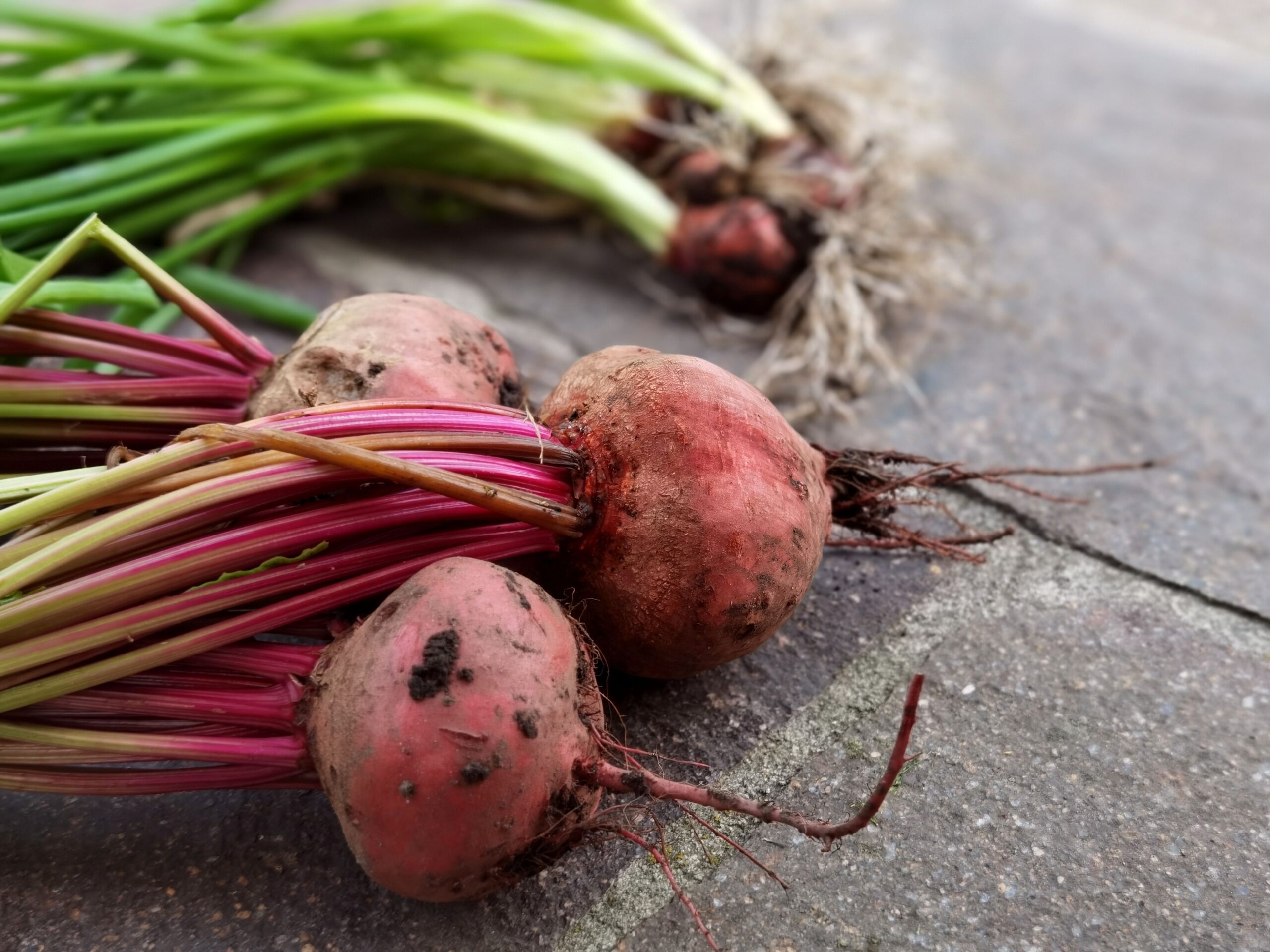
Root Vegetables
Potatoes, onions, and other root vegetables need proper storage conditions, and a damp cabinet beneath the sink may cause them to spoil sooner. Keep them in a cool, dry, well-ventilated place, and store potatoes and onions separately to help them last longer.
Cookware
Pots, pans, and baking sheets may fit beneath the sink, but moisture can cause metal cookware to rust and leave other materials looking worn. A regular kitchen cabinet or pantry shelf is a better spot to keep your cookware clean and dry.
Batteries
Spare batteries can be damaged by moisture and poor storage conditions, especially if they come into contact with metal objects. Keep them in their original packaging or a dedicated battery organizer in a cool, dry place, away from children and pets.