Roses are a favorite among gardeners, but keeping them healthy often means dealing with unwanted insects. Instead of relying only on chemical treatments, many gardeners turn to companion planting, growing certain plants nearby that can help discourage pests while adding extra color, texture, and fragrance to the garden.
The right companion plants can attract helpful insects, confuse harmful pests with strong scents, and create a more balanced garden space. Here are 10 plants that pair well with roses and may help keep common garden pests under control.
Marigold (Tagetes spp.)
Marigolds are popular garden companions for good reason. Their strong scent can help discourage pests such as aphids, whiteflies, and certain harmful insects.
With their bright orange and yellow blooms, marigolds also bring extra color around rose bushes. Plant them along borders or between rose plants to create a cheerful garden display.
Related: 12 Common Garden Plants That Are Surprisingly Poisonous
Garlic (Allium sativum)
Garlic does more than add flavor to meals, it can also be useful in the garden. Its strong aroma may help discourage aphids, beetles, and other unwanted insects.
Planting garlic near roses can add another layer of protection while giving you a fresh supply of this kitchen staple. Its tall green leaves also add a different shape to flower beds.
Related: 15 Indoor Plants You Can Grow Without Soil
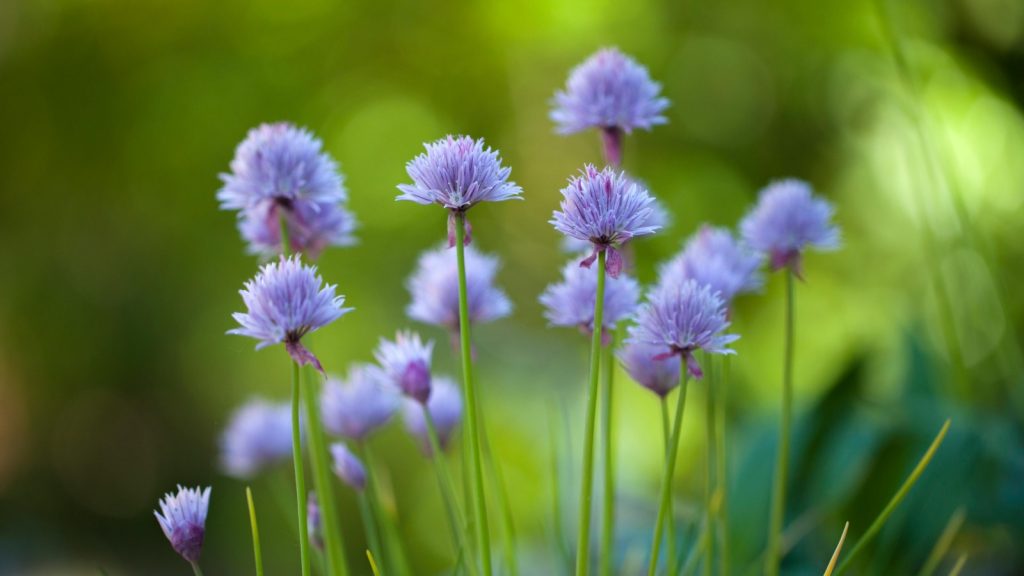
Chives (Allium schoenoprasum)
Chives are a simple addition to a rose garden. Their onion-like scent can help keep certain pests away, including aphids and some beetles.
In spring and early summer, chives produce round purple flowers that attract pollinators. They are easy to grow and can also be harvested for cooking.
Related: 12 Plants That Will Help Keep the Flies Away
Nasturtium (Tropaeolum majus)
Nasturtiums work as a trap plant, meaning they can attract aphids away from nearby plants. Instead of heading straight for your roses, some pests may gather on the nasturtiums instead.
Their colorful flowers and rounded leaves make them a beautiful companion plant. They also grow quickly and can fill empty spaces around your rose bushes.
Related: 12 Garden Plants That Help Prevent Weeds From Taking Over
Lavender (Lavandula spp.)
Lavender and roses make a beautiful pairing in the garden. Both plants enjoy sunny locations, and lavender’s strong fragrance may help discourage some insects.
Its purple flowers add contrast beside rose blooms, while its ability to handle dry conditions makes it a practical choice for gardeners who prefer low-maintenance plants.
Catnip (Nepeta cataria)
Catnip is well known for attracting cats, but its strong scent can help discourage certain garden pests. Aphids, spider mites, and some beetles may avoid areas where catnip grows.
This hardy herb also produces small flowers that attract beneficial insects, making it a useful addition near roses.
Tansy (Tanacetum vulgare)
Tansy is a long-lasting perennial with fragrant foliage and bright yellow flowers. Its strong scent can help deter ants and other unwanted garden visitors.
The plant’s upright growth adds height around rose bushes, creating more variety in the garden. Tansy should be planted carefully since it can spread easily in some areas.
Dill (Anethum graveolens)
Dill is a helpful companion plant because it attracts beneficial insects such as ladybugs and lacewings. These garden helpers feed on pests like aphids and caterpillars that can damage rose plants.
Its delicate leaves and yellow flower clusters also add a soft, airy look among roses. Plus, the fresh leaves can be used in cooking.
Calendula (Calendula officinalis)
Calendula, sometimes called pot marigold, produces cheerful yellow and orange flowers while helping attract helpful insects to the garden.
This flowering herb may discourage certain pests and can also be used for homemade skin products. Its bright blooms make it a useful and attractive companion for roses.
Rue (Ruta graveolens)
Rue is a traditional garden herb known for its strong scent and blue-green foliage. Many gardeners plant it near roses because its aroma can help discourage some insects.
Its unusual leaves and yellow flowers give rose beds a different texture and appearance. Rue does require some care when handling, as its sap may irritate sensitive skin.
Adding pest-fighting plants around your roses can create a more inviting garden while reducing the need for frequent pest control. These companion plants bring extra color, fragrance, and variety while helping your roses stay healthier throughout the growing season.