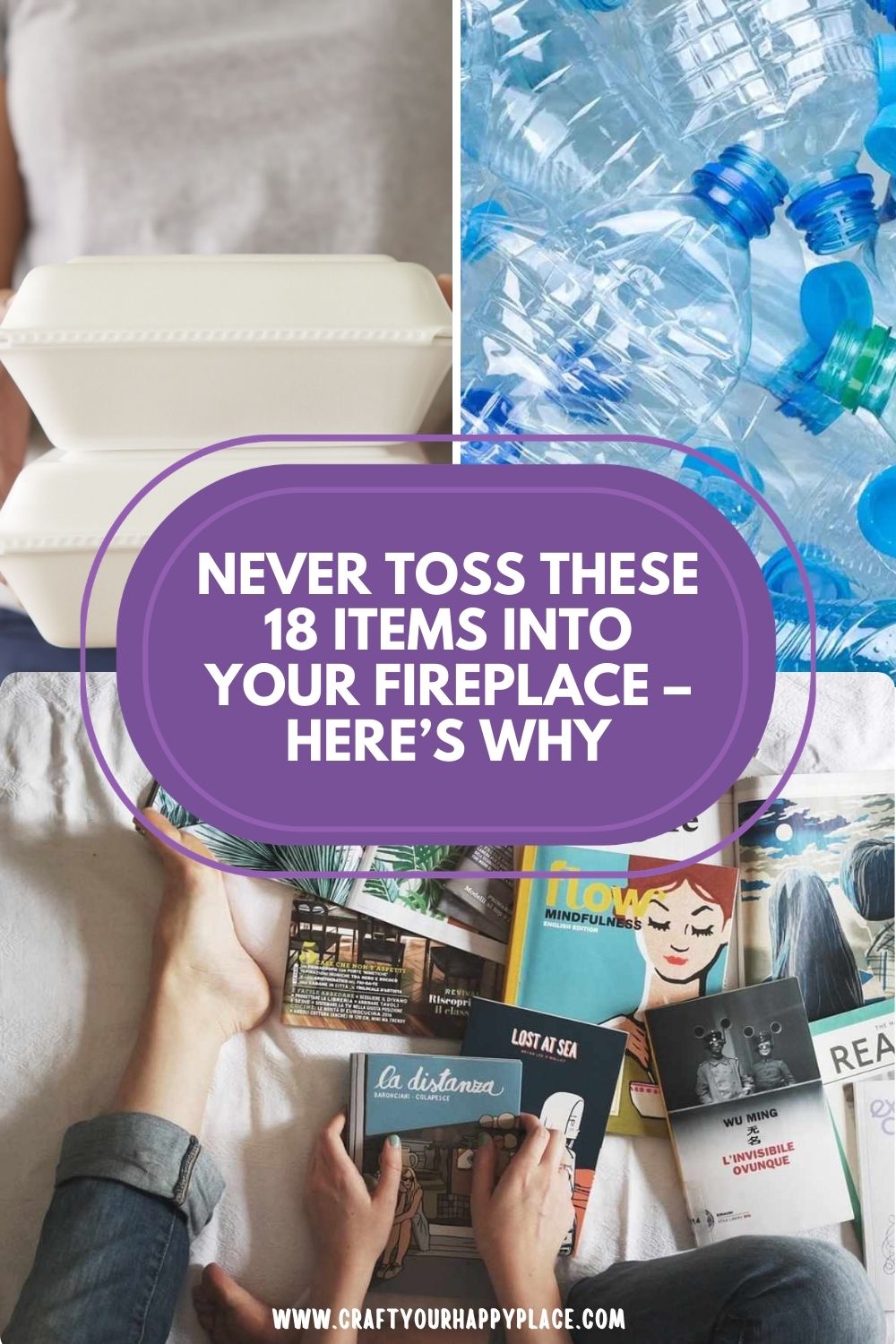
You don’t want your fireplace to become a personal incinerator; it’s supposed to keep you warm and cozy. Although chucking random items into the flames may seem harmless (or even fun), it is extremely dangerous to your health, home, and the environment.
Flying sparks, toxic fumes, and chimneys that scream for help should come to mind.
Cardboard and Colored Paper
Burning leftover cereal boxes or wrapping paper might not seem harmful, but you’ll be shocked to find that cardboard is composed of chemicals that produce toxic fumes when you burn it.
Burning paper is even worse, especially since it can float up your chimney and cause external fires, or it might leave creosote deposits behind.
Magazines and Glossy Wrapping Paper

Magazines or fancy gift wrap featuring metallic inks release hazardous chemicals into the air. They make terrible fire companions; save them for the recycling bin.
Painted or Varnished Wood
Do you think that old painted chair leg will make for good kindling? Think again. Painted or varnished wood should not be used, as it burns with the release of harmful chemicals and can ruin your chimney.
Plywood, MDF, and Particle Board

Even though these materials look just like regular wood, they’re actually full of adhesives and chemicals that are incredibly poisonous when burned. They also chew their way up your chimney and will leave you with expensive repairs; they’ll gum up your chimney with residue.
Plastics

Burning old toys or plastic packaging releases dioxins, hugely toxic chemicals that can make air pollution worse and may be harmful to your health. Plus, it’s a pain to scrape the melted plastic off your fireplace.
Styrofoam and Polystyrenes

While that foam takeout container might be begging for a jaunt on the flames, don’t; burning Styrofoam produces terrible fumes, which are bad news for your health and the environment.
Dryer Lint
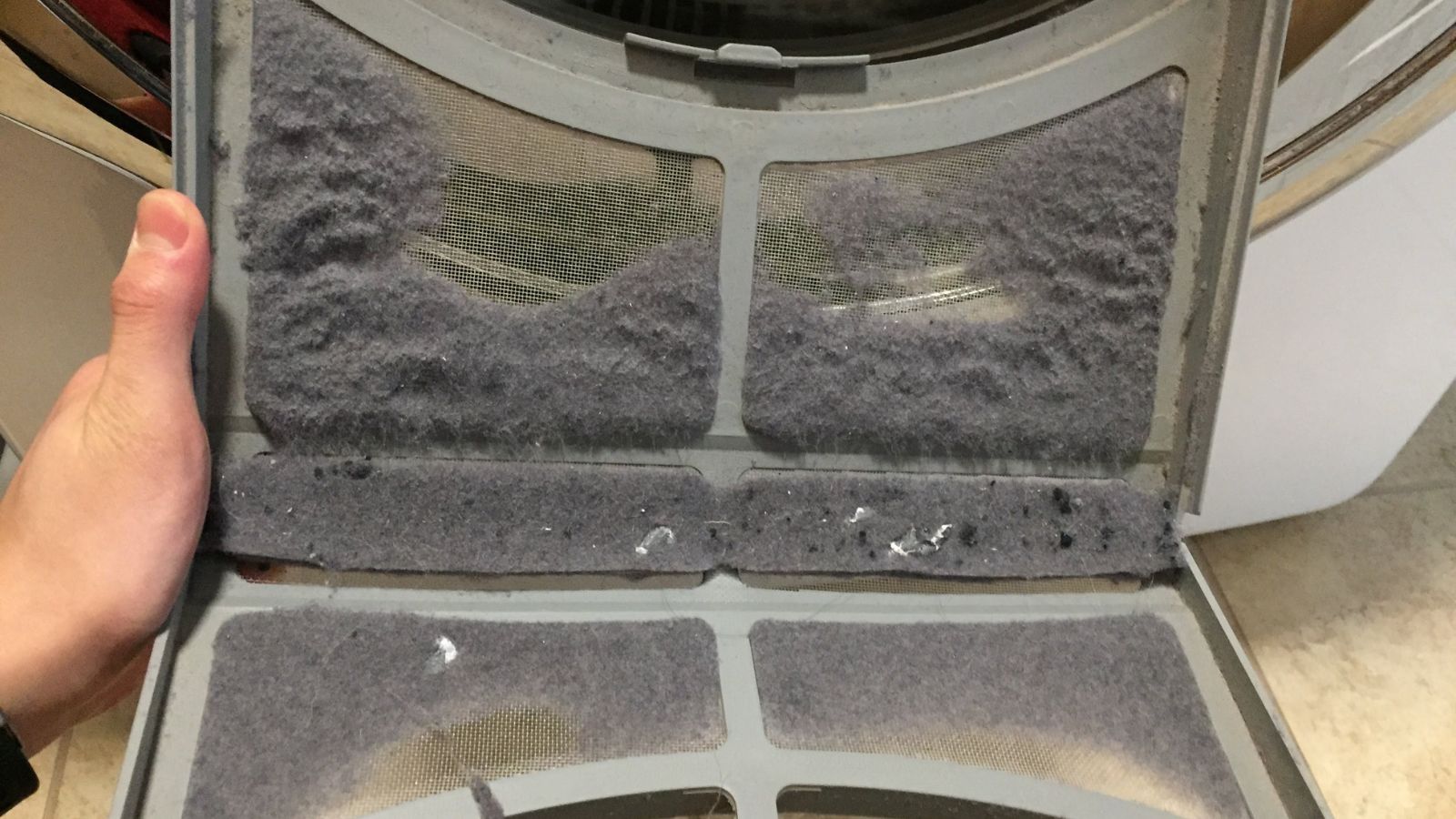
While a firestarter made out of lint may seem like a useful (and pretty) hack (the internet sure loves hacks), that lint can have some seriously toxic fumes, and the results are even worse if your clothes have synthetic fibers.
Unseasoned Wood
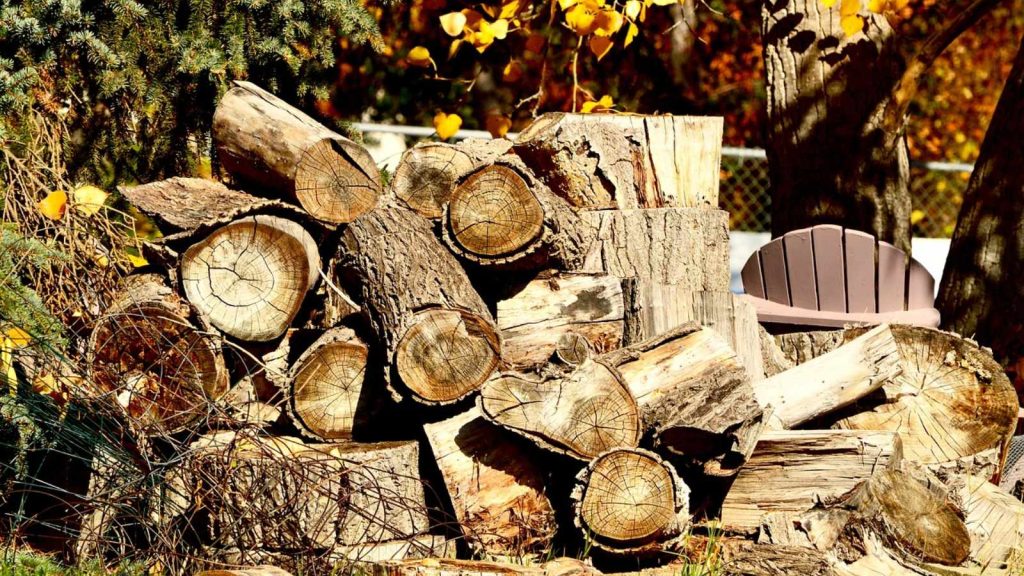
That green or freshly cut wood might look ‘natural,’ but it is full of moisture. It produces too much smoke, causes creosote buildup, and produces much less heat than the wood should.
Driftwood
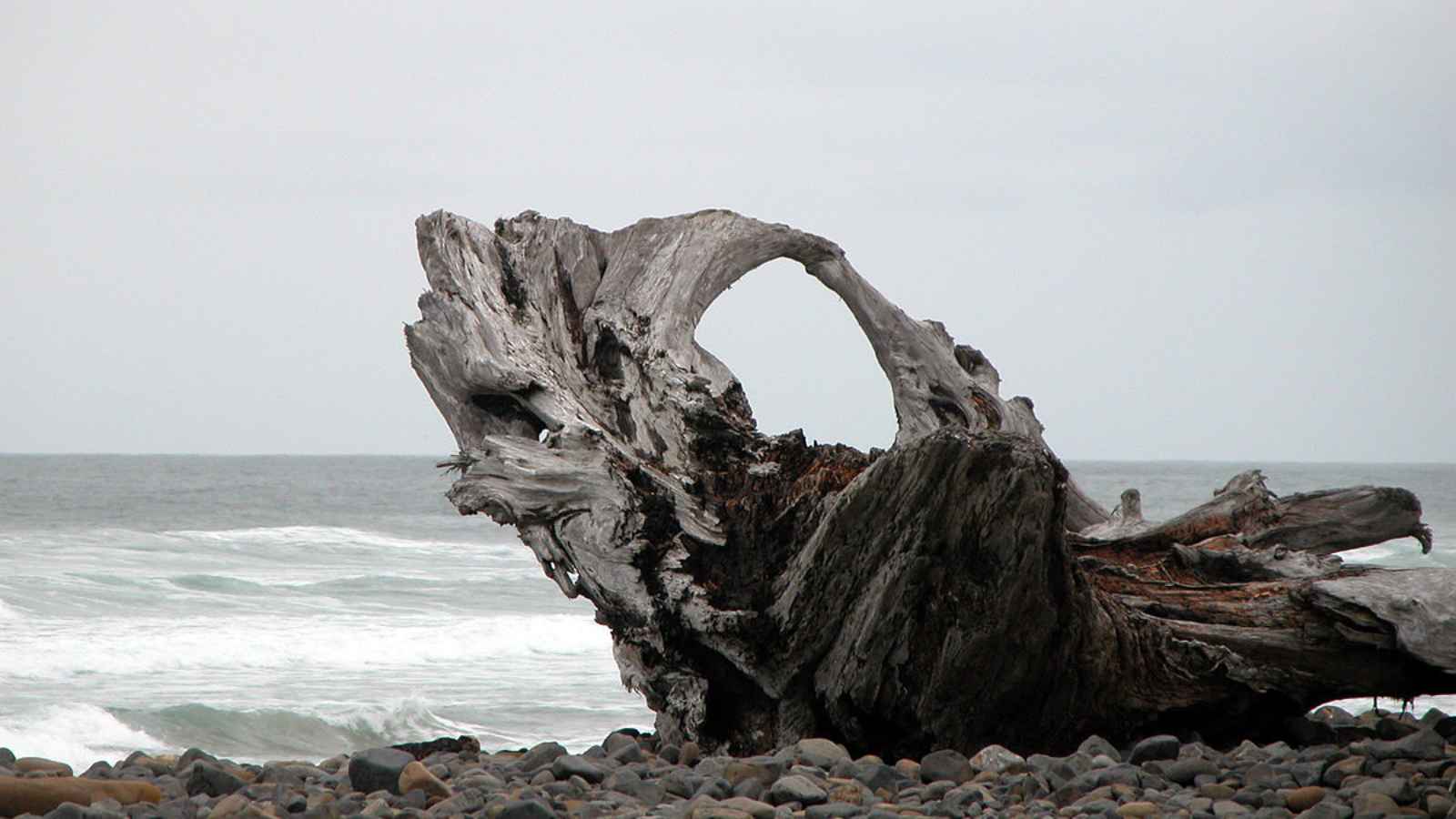
While driftwood might make you think of a tropical vacation, it’s no go for your fireplace. The wood is deposited with salt from oceans and rivers, and when burned up, the salt deposits release toxic chemicals.
Evergreen or Christmas Trees

It might be tempting to burn an old Christmas tree, but when this evergreen wood burns, the resins and sap burn too quickly, causing flare-ups along with dangerous flying sparks.
Coal
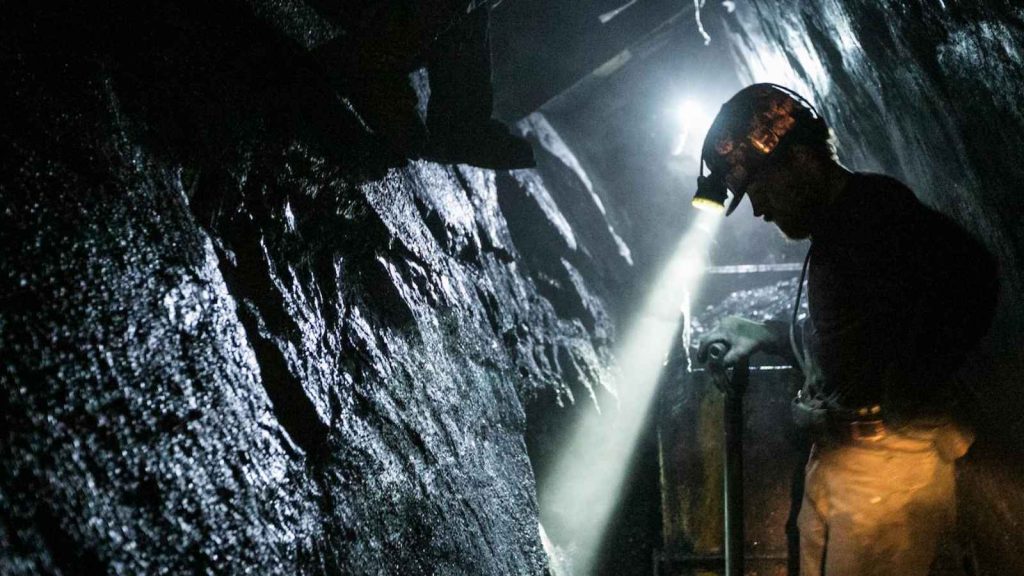
Because coal burns at extremely high temperatures, using it in your fireplace and chimney can be damaging to them. It’s also a massive carbon monoxide source, and that’s toxic stuff, even at low doses.
Charcoal
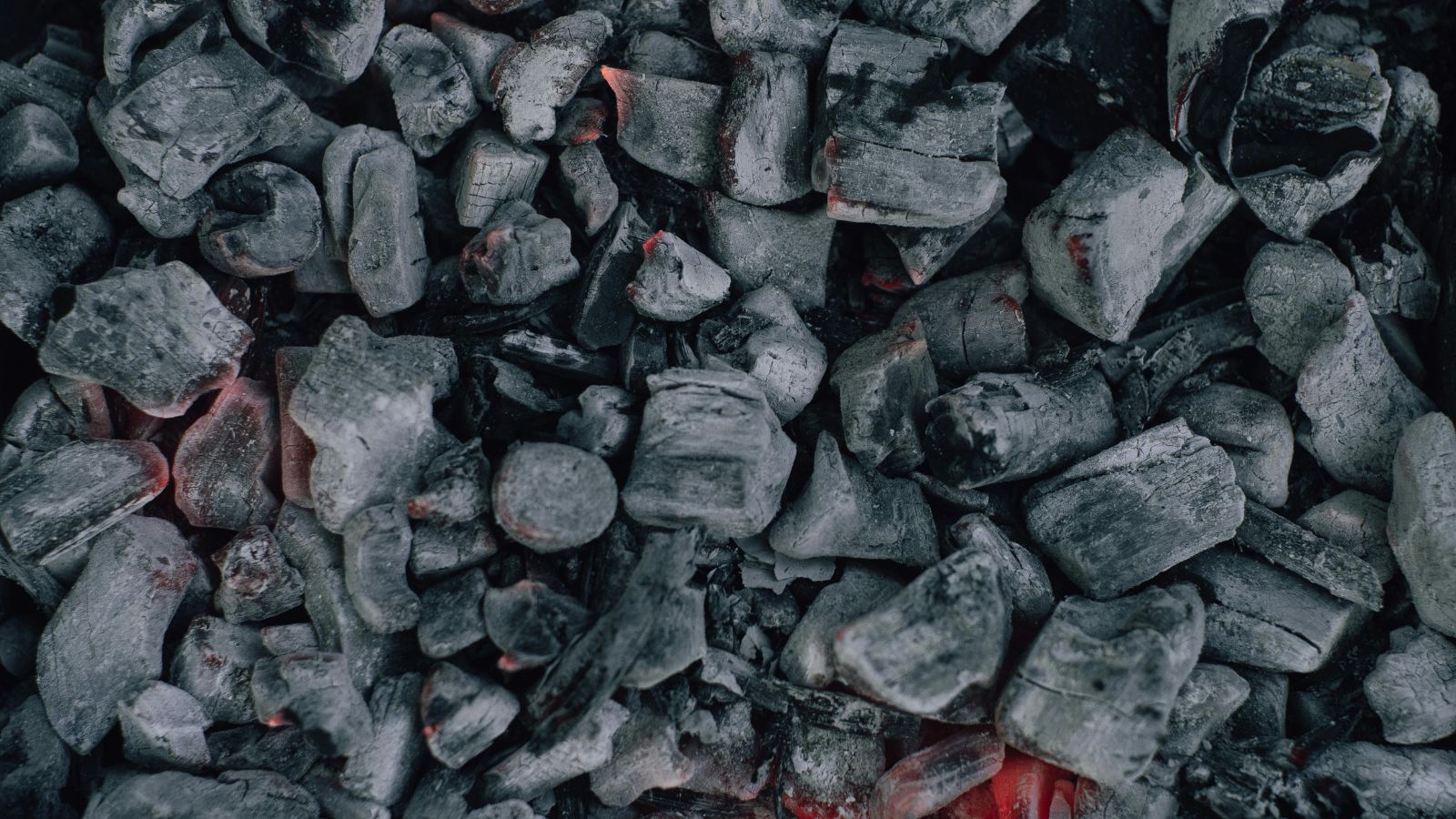
Like coal, charcoal burns hot, too hot for your fireplace to handle without possible damage. In addition, it produces enormous amounts of carbon monoxide and is unsuitable for indoor use. Stick to charcoal for your BBQ grill.
Fire Accelerants
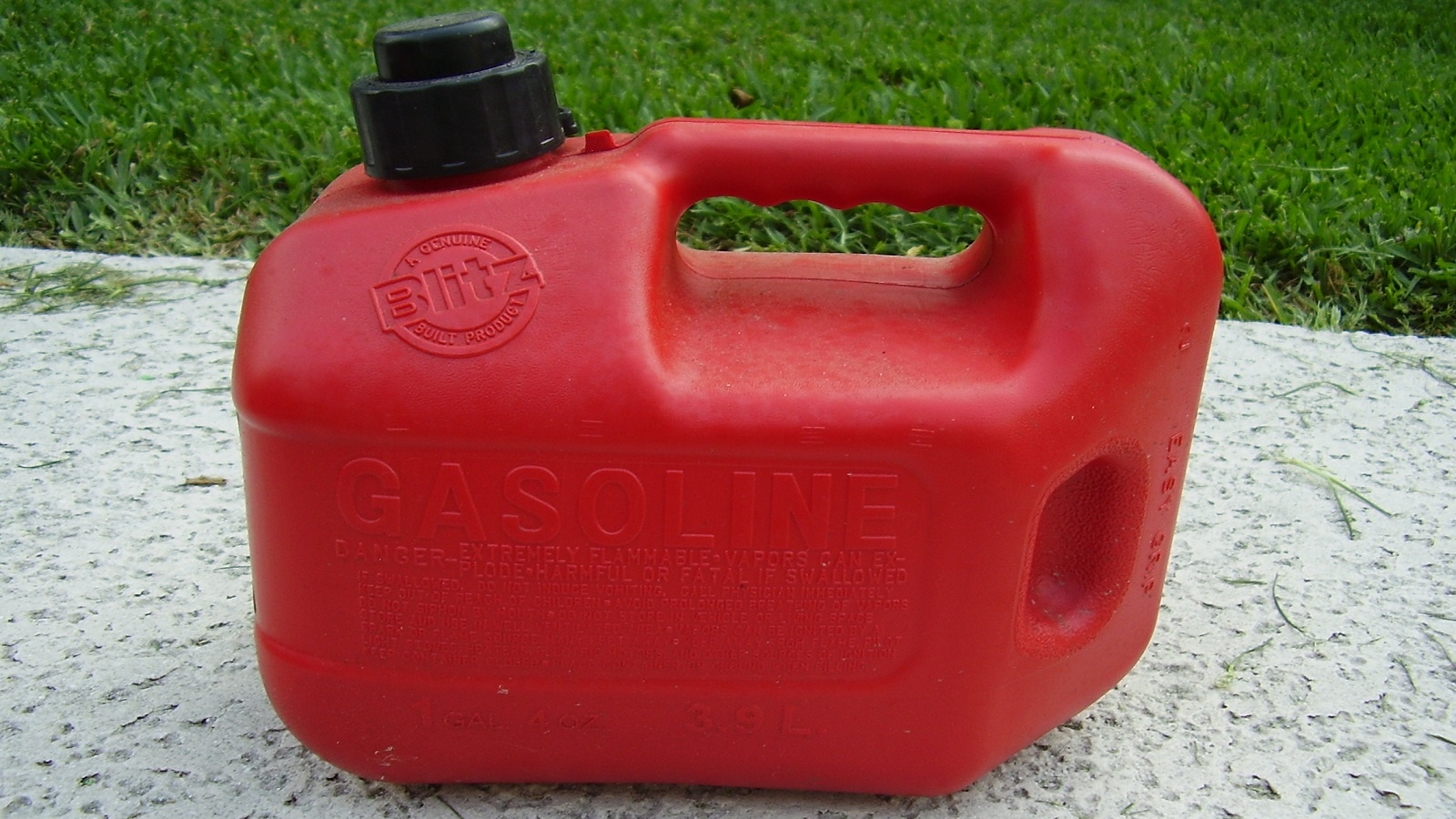
A shortcut to lighting your logs with gasoline, kerosene, or lighter fluid is a surefire way to ignite dangerous, uncontrollable flare-ups. Stick to kindling instead.
Pressurized Cans
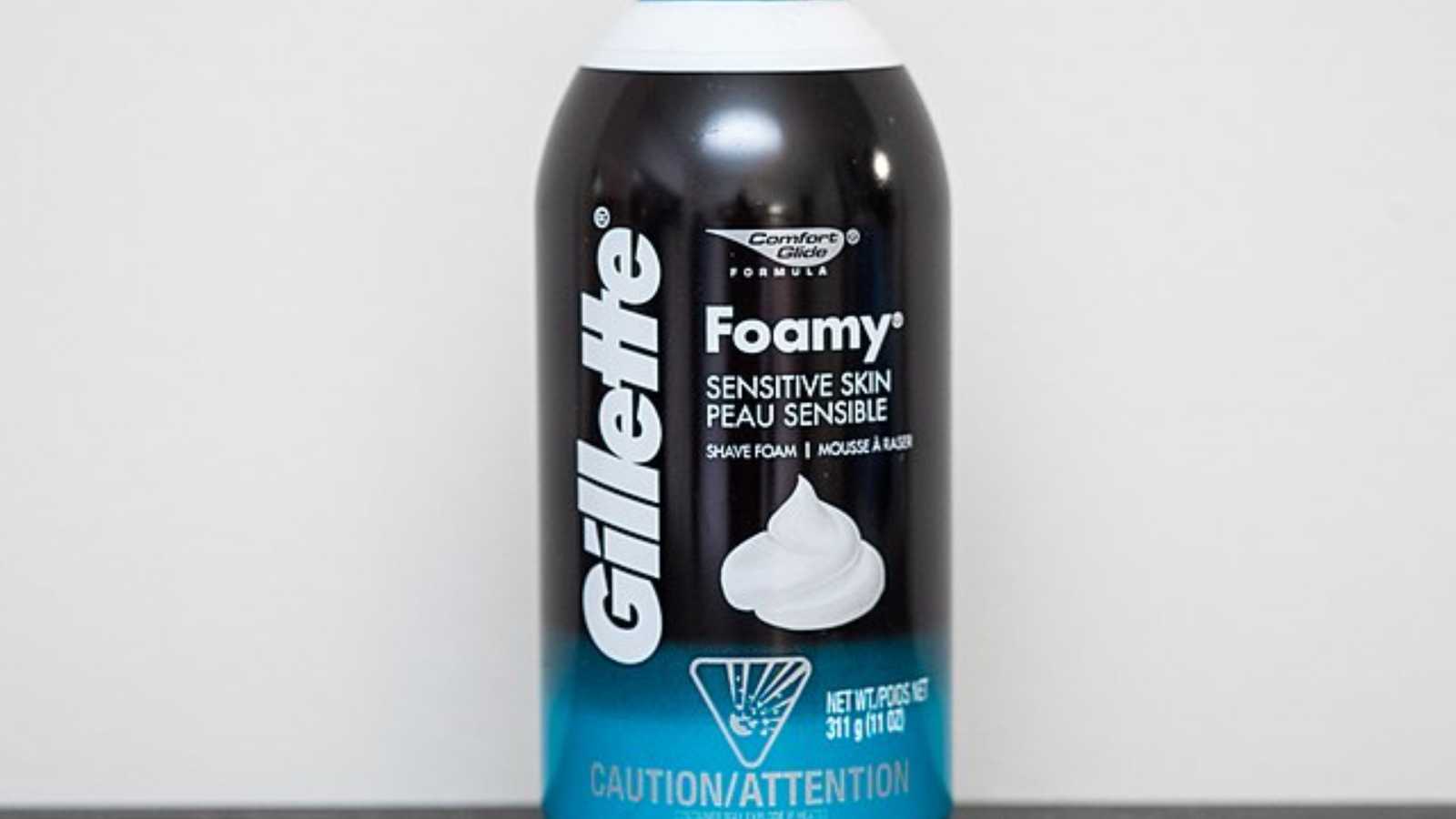
An aerosol or pressurized can thrown into a fire is an explosion waiting to happen. This can result in physical harm and molten metal shrapnel, which can cause a lot of property damage.
Old Furniture

Unfortunately, there are adhesives, varnishes, and treated wood in old furniture that all release toxic fumes when burned. They also leave behind chimney-clogging residue.
Regular Trash
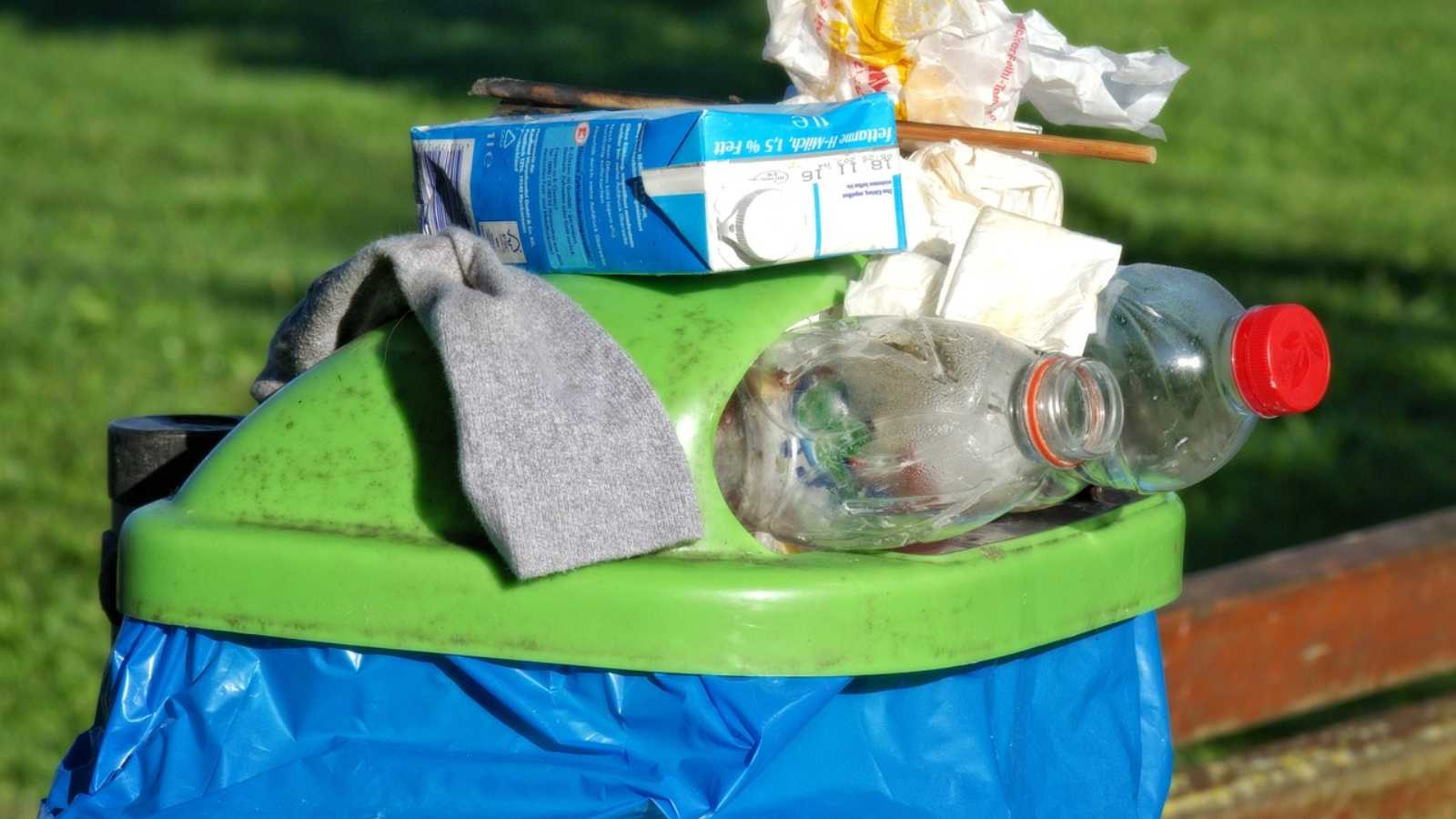
Your fireplace isn’t a trash can substitute. Household garbage, such as plastics, old food containers, or even receipts, can produce nasty fumes and possibly poisonous smoke when burned.
Clothes or Fabric

While tossing old clothing into the flames might seem like the right thing to do, it’s bad form. It smokes, stinks, and creates excess soot that collects in your chimney.
Wet or Rotten Wood
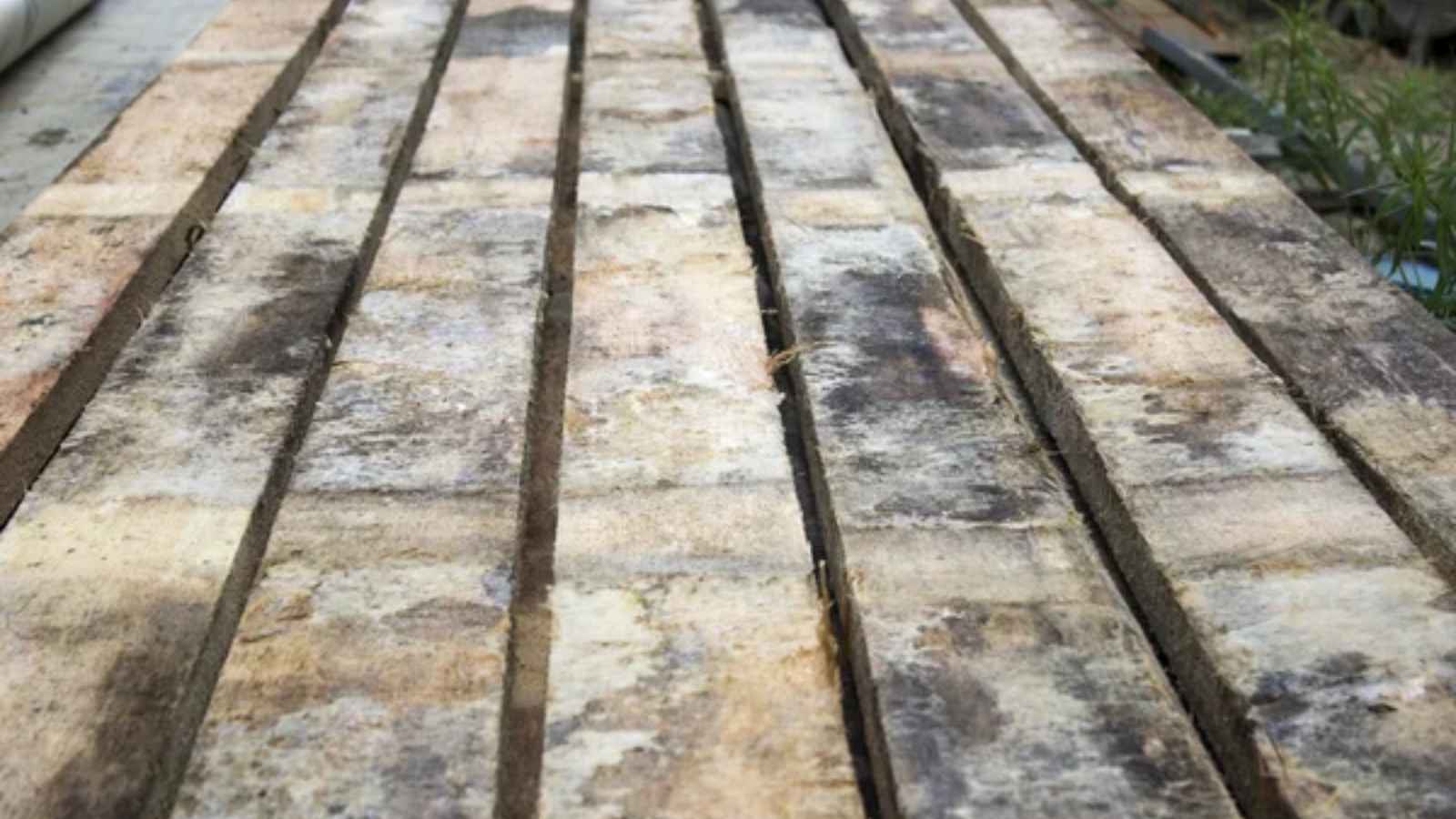
Although rotten wood may break down in your backyard harmlessly, burning it produces more smoke than heat, filling your house with smelly smoke and clogging your chimney with creosote.