Selling a house can bring its share of unexpected problems, but most sellers probably don’t expect a longtime neighbor to call a lawyer the day after hearing about the sale.
That happened to one couple preparing to sell a family home in the rural Midwest. The husband grew up there, and his family had known the elderly neighbors next door since he was about three.
For years, the neighbors had used part of the property. But once the couple announced plans to sell, the neighbor wanted the arrangement in writing.
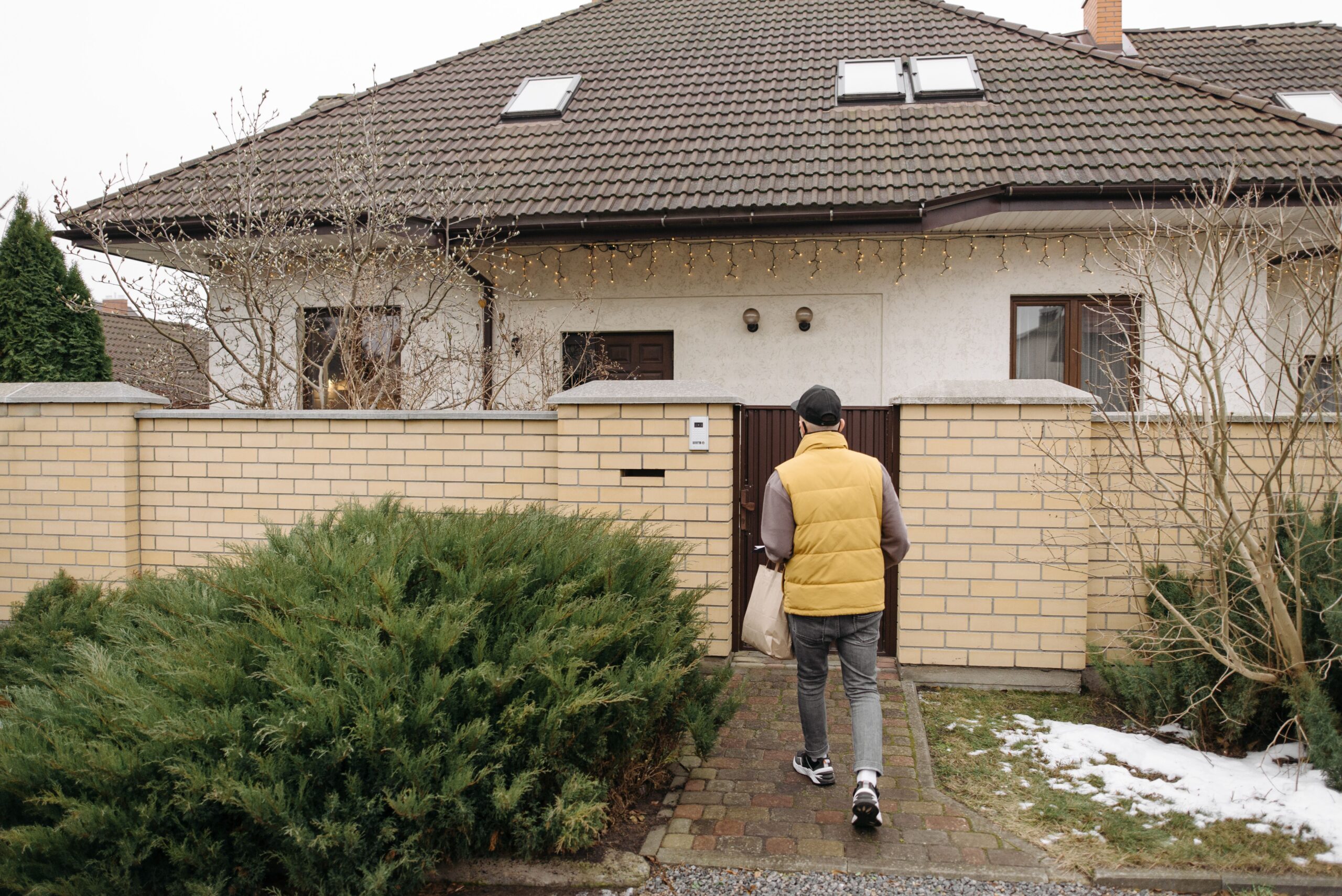
The neighbor had been using their backyard for years
The property has a large backyard and a hill with a path that runs behind the neighboring homes. The husband’s father had let the neighbor use the path as needed, including recently while contractors rebuilt the neighbor’s deck.
No formal easement granted the neighbor a legal right to cross the property. It was an informal favor between families who had known each other for decades.
With the house about to go on the market, the neighbor wanted something more permanent.
Related: 16 Easy Ways to Block a Neighbor’s View of Your Yard
The very next day, he contacted a lawyer
According to the homeowner, the neighbor contacted a lawyer the day after learning about the planned sale. He then asked the couple to sign an easement before listing the house.
The couple wasn’t comfortable agreeing. They had just completed their seller disclosure, which asked about easements, and worried that adding one could turn away buyers or complicate the sale.
They turned to Reddit to ask whether refusing the neighbor’s request would be unfair and whether signing the document made any sense.
Related: Before You Buy Junk Journaling Supplies, Look Around Your House
Reddit had a pretty clear answer
Most commenters told the couple not to sign an easement just to keep the neighbor happy. Several said they would hesitate to buy a home if a neighboring property owner had a formal right to cross the backyard.
Others pointed out that the old arrangement depended on a friendly relationship between the families. The next homeowner could decide whether to let the neighbor keep using the path, but that choice should belong to the person buying the property.
One commenter raised another question: the neighbors had known the homeowner’s father-in-law for decades, so why hadn’t they asked for a formal easement while he still owned the house? The timing of the request, just as the property was going up for sale, struck some people as suspicious.
Related: Neighbor Gets Permission to Use the Pool, Then Throws a Birthday Party Without Asking
Would you sign it before selling?
The neighbor may have a genuine reason for wanting to keep access to a path he’s used for years. Still, giving someone informal permission to cross your yard is very different from signing a legal easement that could remain in place after the property changes hands.
The couple didn’t feel it was their place to make that commitment on behalf of whoever bought the house next.
Would you sign the easement to keep the peace with a longtime neighbor, or let the new owner decide?
Related: 13 Ways to Deal with Noisy Neighbors
Other Topics You Might Like
- If a neighbor’s tree falls on your home in California, who is responsible?
- Need to Block a Neighbor’s View of Your Yard? Here’s How to Do It Without Starting a War
- If a fence falls between neighbors in California, who is responsible for repairs?
- If You Spot These Vintage Garden Peices at a Garage Sale, Grab Them Fast