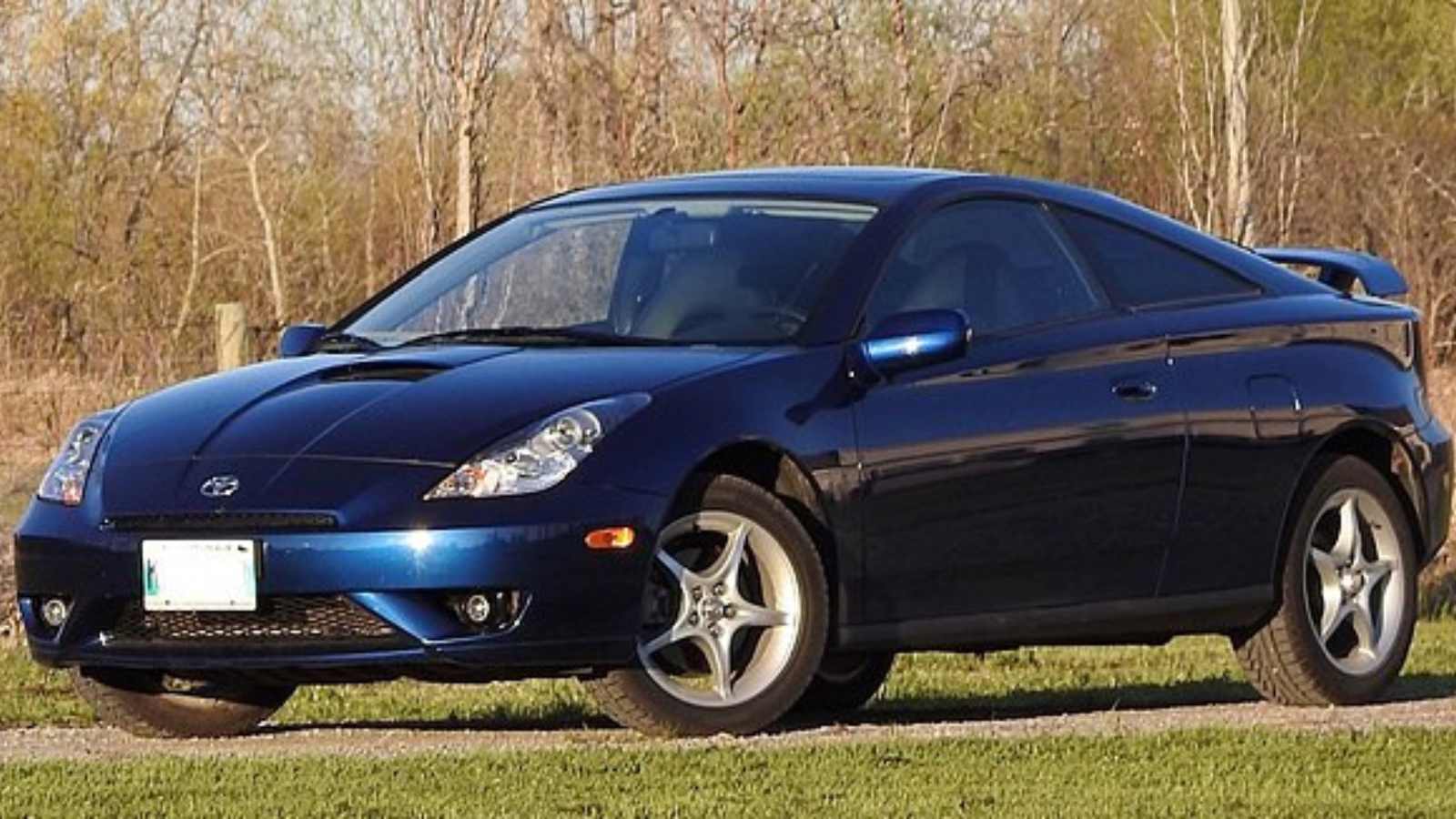
A neighbor blocking your driveway once might be an honest mistake. But after several requests to stop and weeks of the same problem, it’s easy to see why someone would eventually lose patience.
One homeowner says that’s exactly what happened with a neighbor who kept parking in a way that blocked access to their driveway. The dispute eventually ended with a tow truck, but according to the homeowner, the parking issue was only the beginning of a much bigger disagreement.
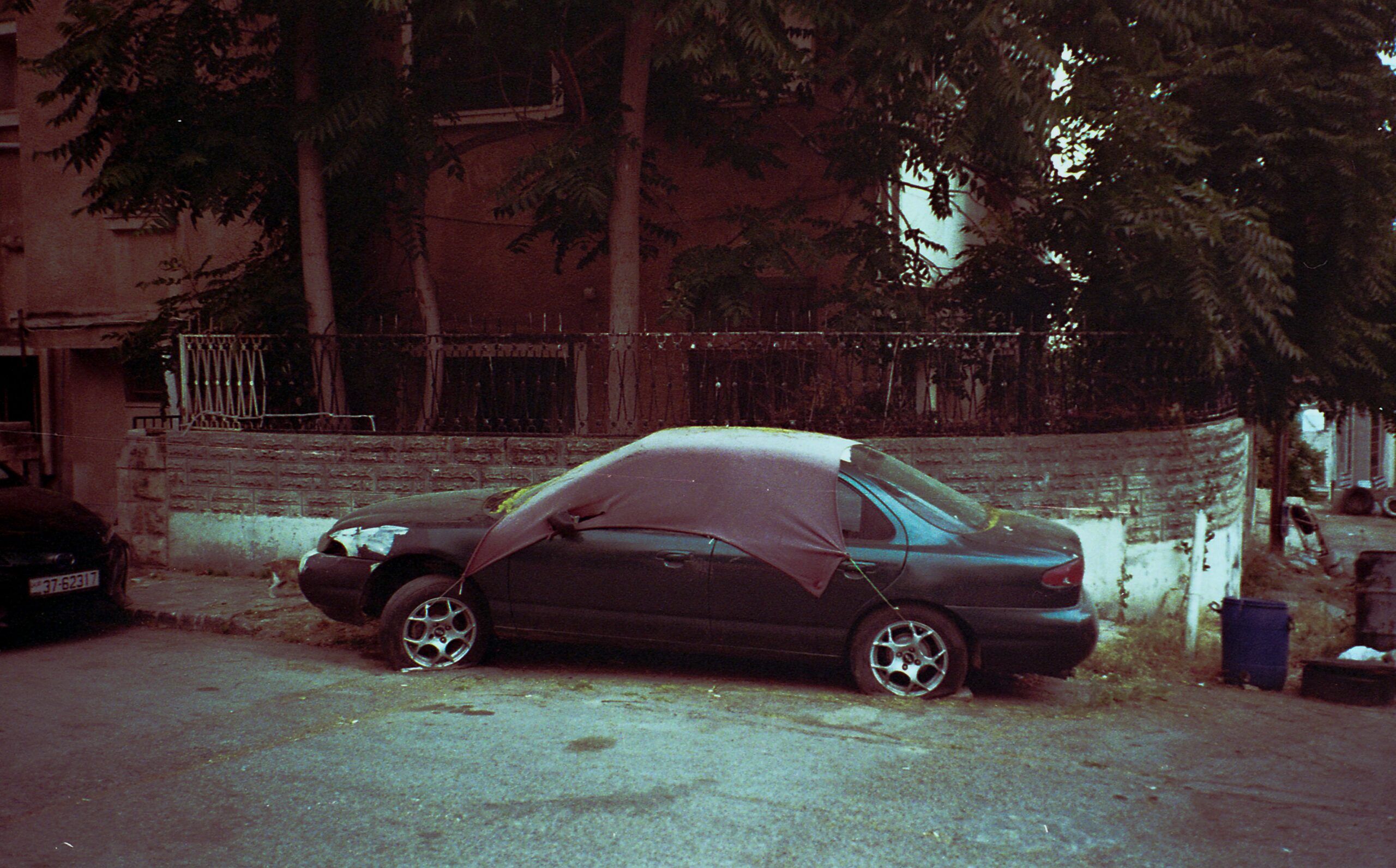
It started with a blocked driveway
The homeowner said they had asked the neighbor several times over several weeks to stop blocking the driveway. They knocked on the neighbor’s door and tried to reach out directly, but those conversations didn’t end the problem.
Eventually, they decided to have the vehicle towed. Before doing so, the homeowner said they checked local rules for towing cars from private property, photographed the blocked driveway, and followed the instructions they received.
Related: 16 Easy Ways to Block a Neighbor’s View of Your Yard
Then the HOA notices started arriving
The dispute took another turn because the neighbor’s wife was reportedly served on the HOA board. Not long after the towing incident, the homeowner received a violation notice accusing them of improper parking and blocking a common access area.
The homeowner said they parked on the street because the neighbor’s car blocked their driveway. They sent the HOA photographs showing the situation and asked the board to explain which rule they had broken.
Related: Neighbor Gets Permission to Use the Pool, Then Throws a Birthday Party Without Asking
A second violation made things even stranger
A second HOA notice arrived shortly afterward, this time claiming the homeowner had left trash bins outside too long. The homeowner disputed the notice, saying the bins belonged to the neighbor and even had the neighbor’s house number printed on them.
Rather than continue dealing with the board directly, the homeowner contacted the HOA management company. They explained the situation and sent along the photographs they had taken.
Related: How HOAs Are Taking Over and Ruining American Neighborhoods
The neighbor wanted one more conversation
The neighbor eventually came over and reportedly argued that the homeowner could have avoided the situation by knocking on his door one more time. The homeowner felt that was unreasonable after already making several requests, phone calls, and attempts to discuss the blocked driveway.
After that exchange, the homeowner decided to limit direct communication with the neighbors unless it was necessary. They started saving HOA emails, keeping photographs, and handling future communication with the management company in writing.
Related: 16 Neighbor-Friendly Ways to Make Your Backyard Feel More Private
Commenters urged the homeowner to document everything
Many commenters gave the same advice: keep a paper trail. They recommended saving every HOA notice and email, photographing anything related to a possible violation, and keeping future conversations in writing rather than relying on verbal agreements.
Some suggested installing cameras around the property in case another dispute came up. Others recommended raising the issue with the HOA management company or bringing it up at a board meeting, while a few suggested speaking with an attorney if the notices continued and the homeowner suspected the rules were being applied unfairly.
The homeowner had already started doing some of these things. They said they were saving emails, keeping photographs, and communicating with the management company in writing instead of continuing to argue with the neighbors.
A parking dispute became something much bigger
The homeowner said they weren’t looking for a fight with anyone in the neighborhood. They just wanted to use their driveway without repeatedly contacting a neighbor to move a car.
It’s easy to see why the story struck a nerve with other homeowners. A parking disagreement might seem like a small problem at first, but repeated requests that go ignored can lead to towing disputes, HOA complaints, and tension that lasts long after the car has been moved.