Chipmunks can be fun to watch for a few minutes, but that changes fast once they start digging through flowerbeds, disturbing plants, raiding bird feeders, or burrowing close to the house.
The National Wildlife Federation notes that chipmunks can damage plants and property through burrowing around foundations and digging through landscaping. Seeing one or two in the yard isn’t necessarily a problem, but repeated activity can become frustrating, especially if they keep returning to the same garden beds or feeding areas.
Professional pest control can also add up. Grand View Research reported that the global pest control service market was valued at USD 22.64 billion in 2023 and is projected to grow at a CAGR of 6.3% from 2024 to 2030.
Before calling a pest control company, there are several things you can do around the property yourself. Cleaning up food sources, protecting plants, and closing potential entry points can make your yard much less inviting to chipmunks.
Clear Nuts, Seeds, and Pet Food
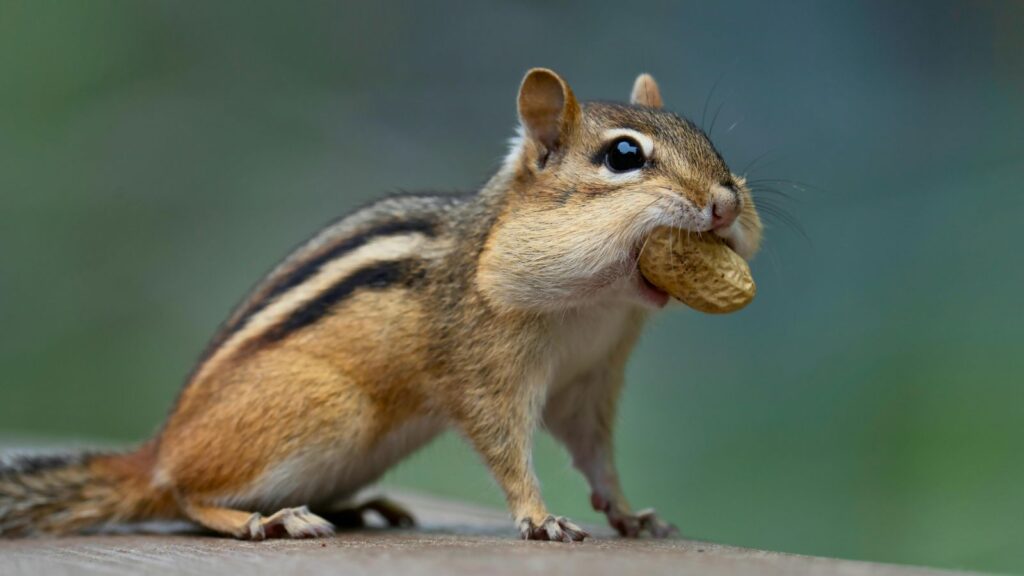
An easy food supply is one of the biggest reasons chipmunks keep coming back. If they can find nuts, seeds, berries, or pet food without much effort, your yard becomes an appealing place to forage.
“Keep your yard clear of any nuts, berries, seeds, or pet food that they may be coming around to eat, and make sure any garden vegetation they may be interested in eating is completely inaccessible to them,” recommends Meg Pearson, a training manager at Critter Control.
Rake up fallen nuts and fruit regularly, particularly beneath trees and shrubs. Clean up birdseed that falls beneath feeders and bring pet food indoors after animals have finished eating.
A clean yard won’t eliminate every chipmunk, but removing easy meals gives them less reason to stick around.
Related: 10 Affordable Ways to Make Your Home Look More Inviting
Block Access to Garden Plants
A vegetable garden can be an easy source of food for chipmunks. Young plants, vegetables, fruits, bulbs, and seeds can all attract them.
Protect vulnerable plants with hardware cloth, garden mesh, or netting. Small cages and cloches are useful for individual plants, particularly when they’re young and more vulnerable to damage.
Raised beds can also help, especially when they’re paired with a barrier that prevents chipmunks from climbing over or digging underneath. A layer of mulch may make digging a little less convenient, too.
Install Deep Garden Fences
A basic garden fence may keep some animals out, but chipmunks are good diggers. If they can’t get through a barrier, they may simply try to go underneath it.
Hardware cloth works well for creating a buried barrier around garden beds. Place part of the material below ground and bend the lower section outward to make digging more difficult.
The fence should also be tall enough that chipmunks can’t easily climb or jump over it. Check the bottom regularly for fresh digging or gaps caused by soil erosion.
Related: 12 Clever Ways to Clean Stubborn Pet Hair from Furniture
Chipmunk-Proof Bird Feeders
Bird feeders can unintentionally turn your yard into a reliable food stop for chipmunks. Spilled seed on the ground can be just as attractive as the food inside the feeder.
Look for feeders with cages or baffles that make access harder for small animals. A feeder mounted on a smooth pole can also be harder for chipmunks to climb.
Keep feeders away from trees, fences, roofs, and other structures that could give them an easy jumping point. A distance of around 10 feet can help reduce access from nearby structures.
Sweep up spilled seed regularly. If the ground beneath the feeder is covered with food every day, chipmunks may keep coming back regardless of the feeder itself.
Related: 11 Easy Ways to Soundproof Your Bedroom Without Major Renovations
Sprinkle Deterrent Spices
Strong scents may make certain parts of your yard less appealing to chipmunks. Common household ingredients are often used for this purpose.
“Sprinkling different spices on your yard, such as peppermint, apple cider, garlic, or even coffee grounds, can get chipmunks to avoid the area,” says Nick Masengarb, a virtual handyperson expert at Frontdoor.
Try placing these materials around garden borders, near areas where chipmunks have been digging, or close to burrow entrances. Outdoor weather will wash the scents away, so they need to be replaced regularly.
Take care around pets. Concentrated spices and essential oils can irritate animals, so don’t put them in places where pets eat, sleep, or spend a lot of time.
Barn Cats
A barn cat may discourage some chipmunks from spending time around a property. Cats are natural hunters, and the presence of a cat can make an area feel less safe for small rodents.
This isn’t a fit for every household. An outdoor cat needs proper food, shelter, veterinary care, and protection from traffic, predators, and other hazards. A cat should never be brought home solely as a disposable pest-control solution.
If you already have a suitable outdoor cat, its presence may make your yard less comfortable for chipmunks and other small rodents.
Activate Sprinklers
A sudden spray of water can startle chipmunks and discourage them from returning to a particular part of the yard.
Motion-activated sprinklers are handy because they release water when movement is detected. Position one near a garden bed, pathway, or other spot where chipmunks frequently dig.
There’s a practical bonus: the sprinkler can water the garden at the same time. Just make sure it isn’t soaking the same area constantly, since overly wet soil can create problems for plants.
Related: 11 Creative Ways to Display Family Photos Around Your Home
Plant Daffodils or Lavender
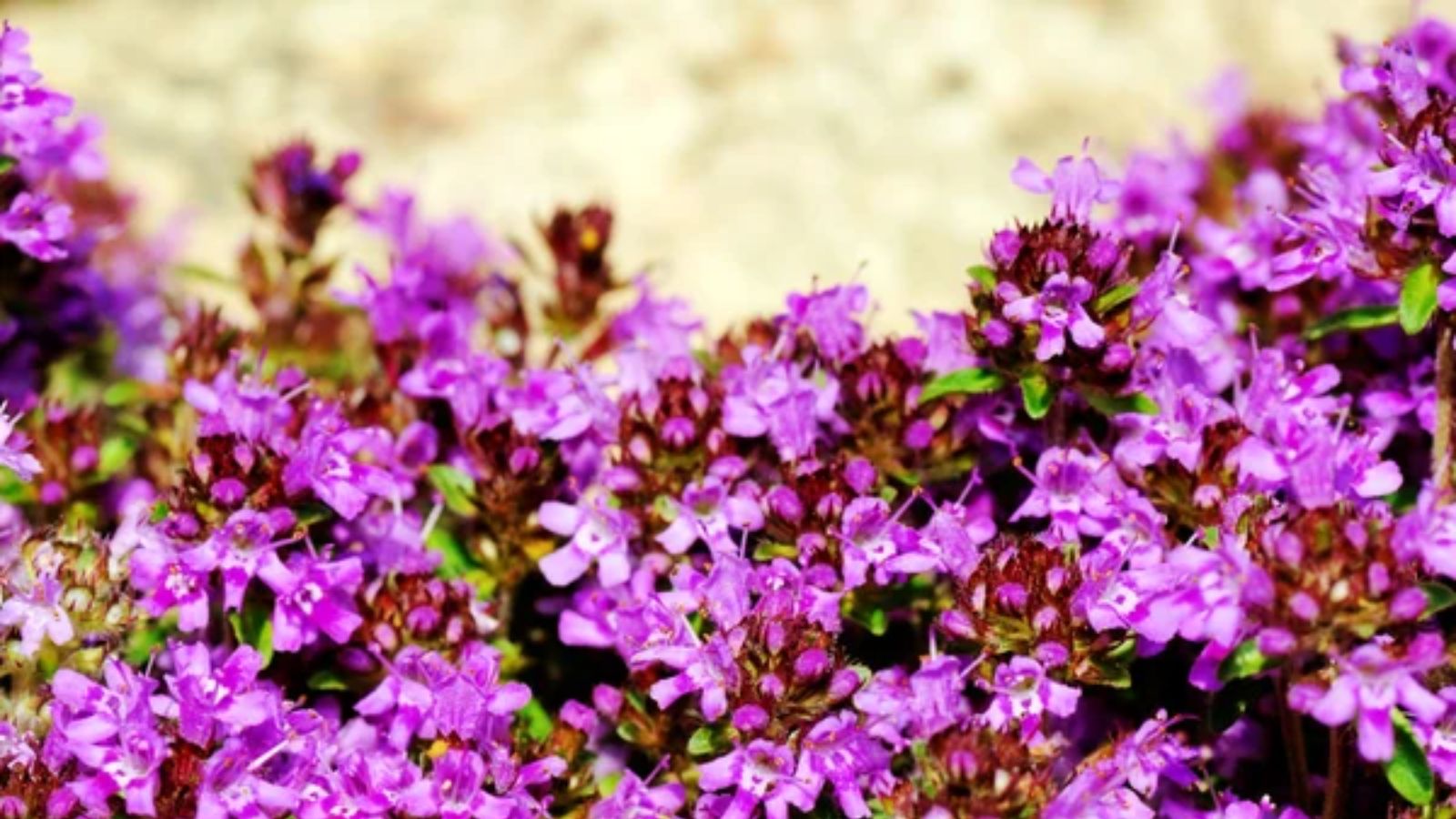
Certain plants are often used to make gardens less appealing to chipmunks. Daffodils, lavender, marigolds, and alliums are popular choices.
“Consider adding lavender, daffodils, marigolds, and allium plants to your yard—and as a bonus, they’ll spruce up your garden,” says Nick Masengarb.
Plant them around vegetable gardens, flowerbeds, or other areas where chipmunks tend to spend time. These plants can add color and fragrance while serving as part of a broader wildlife-control plan.
Plants alone won’t stop determined chipmunks, particularly if your yard offers plenty of food and shelter.
Trim Tree Limbs and Shrubs
Overgrown branches can give squirrels and other wildlife easy routes toward bird feeders, roofs, and other parts of your property. Thick shrubs can also give chipmunks places to hide.
Trim branches that create easy connections between trees and structures. Keeping shrubs more open around garden beds and the house can also reduce hiding spots.
A tidier yard won’t make chipmunks disappear, but removing convenient routes and cover can make the property less comfortable for them.
Seal Utility Line Holes
Small gaps around utility lines, pipes, vents, and other openings can give animals access to crawl spaces and other parts of a house.
“Chipmunks may enter your crawl space to make nests, where they can chew on insulation and wiring,” says Lori Johnson, president at The Grounds Guys.
Walk around the outside of your home and look for openings near utility lines and other exterior penetrations. Depending on the location, metal mesh, steel wool, or an appropriate exterior caulk may help close these gaps.
Don’t seal an opening before checking whether an animal is already inside. Blocking an active entry point can trap wildlife indoors and create a bigger problem.
Cover Downspouts with Mesh
Downspouts can give small animals an easy place to climb or hide. Openings may also collect leaves and nesting material.
A wire-mesh guard over the top of a downspout can help keep animals and larger debris out while still allowing rainwater to flow.
Check the guard from time to time and remove leaves or other material that could interfere with drainage. A little maintenance can help prevent both wildlife problems and clogged gutters.
Related: 12 Smart Ways to Keep Your House Clean Without Spending Hours
Remove Downspout Clogs
A downspout packed with leaves, twigs, or nesting material can’t move rainwater properly. Water may spill over the gutters or collect near the foundation.
Check downspouts regularly, particularly after heavy storms or during seasons when trees shed a lot of leaves. A garden hose can flush out loose debris, while a drain snake may help with tougher blockages.
Look for signs that animals have been using the downspout, including nesting material, droppings, or repeated debris buildup.
Keeping the drainage system clear removes another potential hiding spot while helping rainwater move away from your home. Combined with fewer food sources, protected gardens, and sealed openings, these small changes can make a yard much less attractive to chipmunks.