I joined a free food tour through downtown Medellín, and it became one of my favorite ways to experience the city.
I’ve always found that food tours are about much more than trying local dishes. You get to learn why people eat what they do, hear some of the history behind the food, and walk through neighborhoods and markets you might otherwise pass right by. This tour gave us a little bit of all of that.
As we made our way through downtown Medellín, we stopped to try traditional Colombian foods while learning more about the city and everyday life here. Our guide, Ana, shared the stories behind what we were eating along with plenty of local history and cultural context. By the end, I felt like I had experienced a completely different side of Medellín, and we definitely didn’t leave hungry.
Starting at San Antonio Station
We met outside San Antonio Station in downtown Medellín before setting off on a three-hour walking tour through some of the city’s oldest neighborhoods. As we walked toward places like Placita de Flórez, Plazuela de San Ignacio, and Mercado de la Playa, Ana shared stories that made the city feel much more personal than simply walking past buildings on my own.
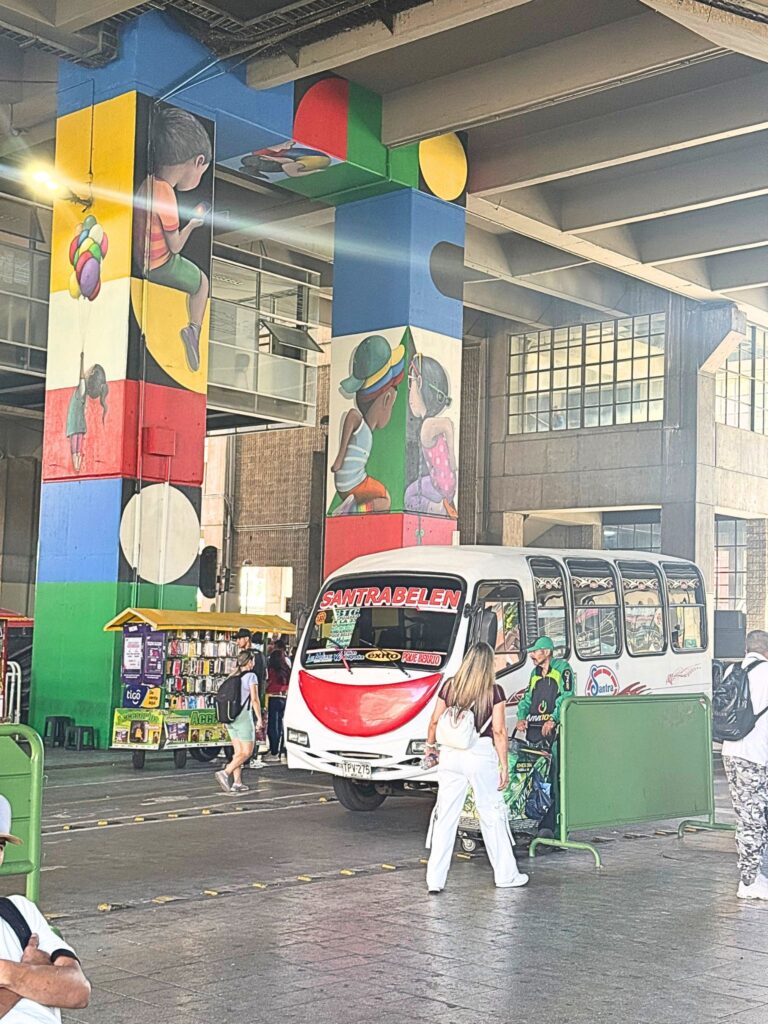
I appreciated that the pace never felt rushed, so if we were traveling with the kids, they would have kept up. Between each food stop, we learned about Medellín’s history, local traditions, and how many of the dishes we were about to try have been part of Colombian life for generations.
First Stop – Arepas Puess De Puro Chocolo
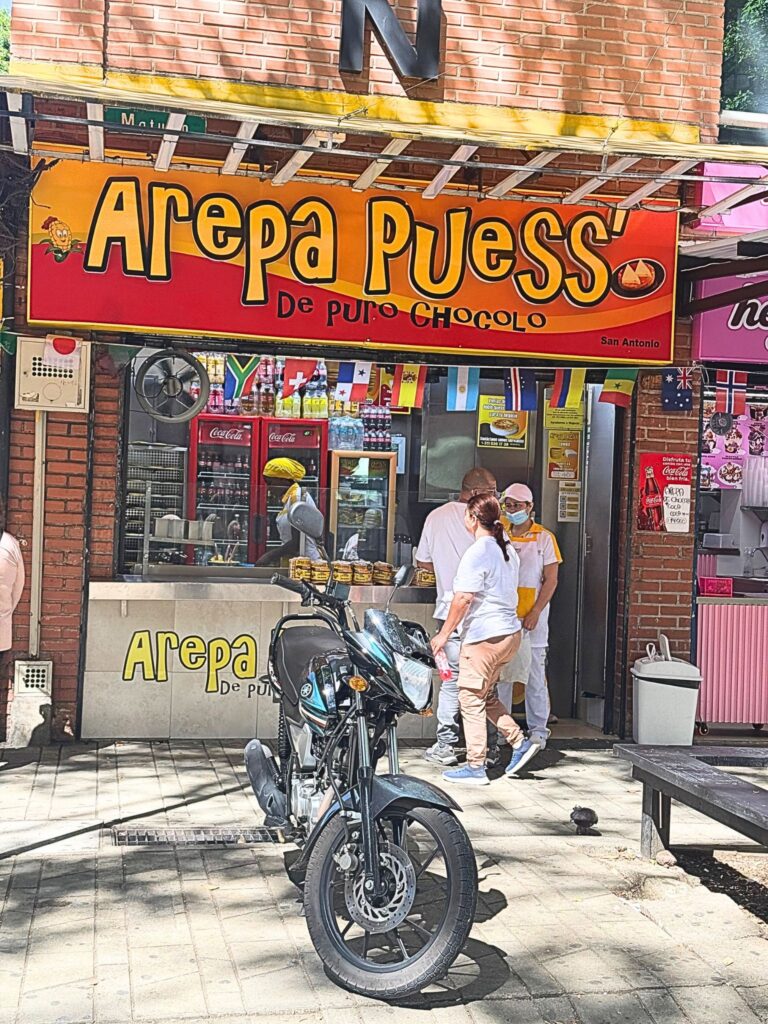
If you’ve only had supermarket arepas back home, prepare to reset your expectations.
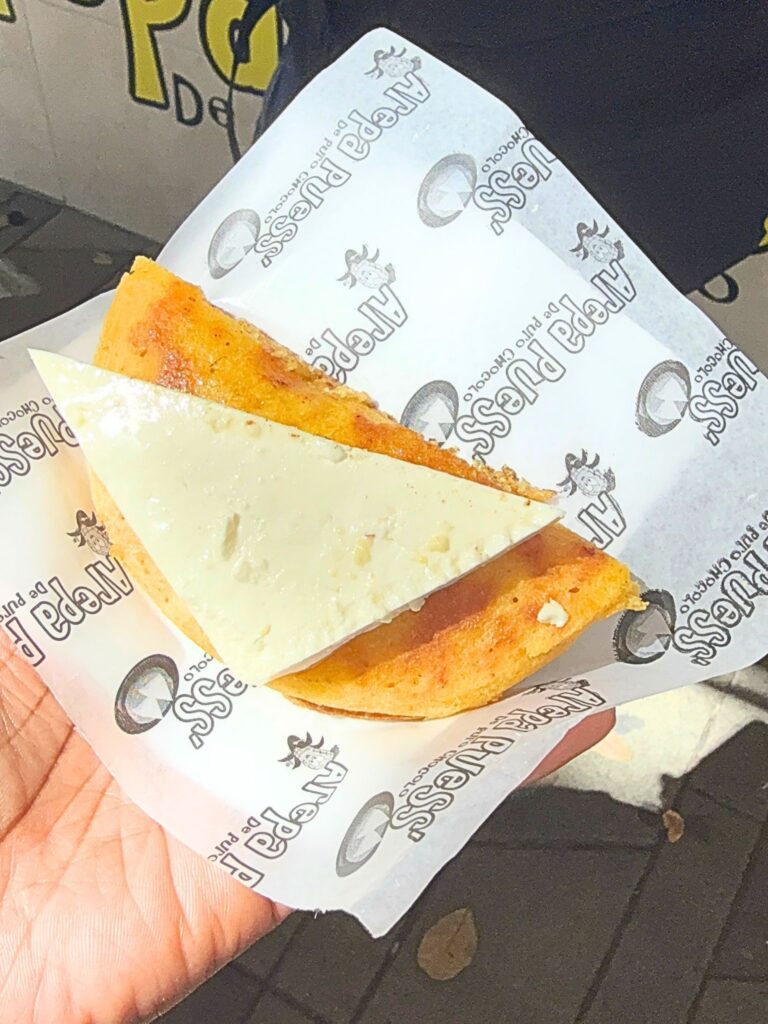
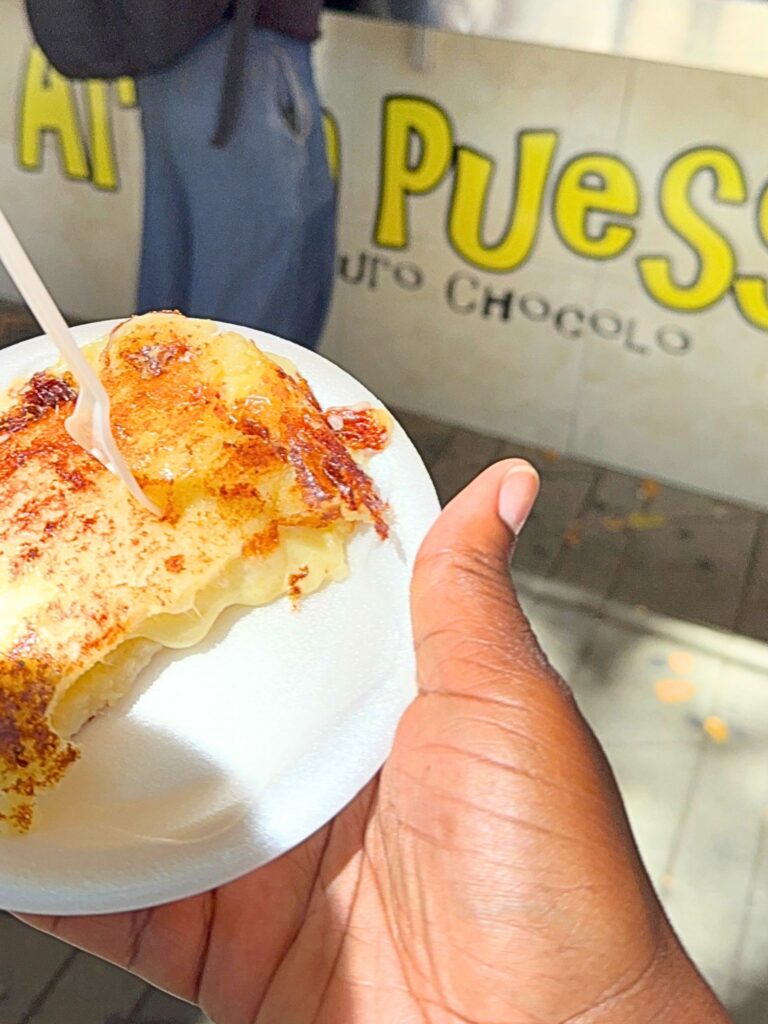
Our first stop introduced us to arepa de queso, which was a warm corn cake filled with melted cheese. It was crisp on the outside and incredibly soft inside.
We also sampled arepa de chócolo, a sweeter version made with fresh corn. Unlike traditional arepas, this one has a naturally sweet flavor that pairs perfectly with cheese.
Walking Through Comuna 9 (La Candelaria)
As we continued through Comuna 9 – La Candelaria, Ana pointed out details I would have completely missed on my own. This district is Medellín’s historic and commercial heart, filled with traditional markets, small family-run businesses, historic buildings, and busy pedestrian streets where locals shop every day.
Instead of feeling like a tourist attraction, it felt like stepping into the city’s daily routine.
A Refreshing Glass of Fresh Sugar Cane Juice
After plenty of walking, we stopped for one of Colombia’s most refreshing drinks: freshly pressed sugar cane juice, often called guarapo.
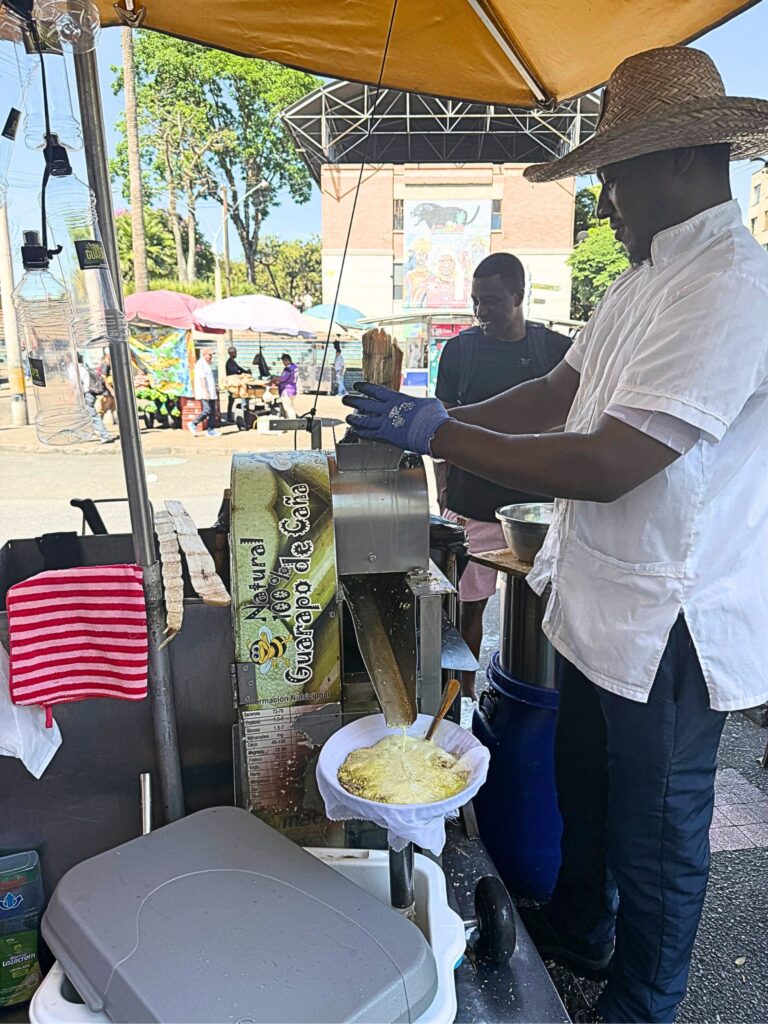
Served ice cold, it was exactly what I needed after walking through the city streets. Watching it being prepared fresh made it even better, and it reminded me that many of the simplest drinks here rely on ingredients grown just outside the city.
The Empanadas Everyone Talks About
Next came one of Colombia’s most recognizable street foods: the arepas.
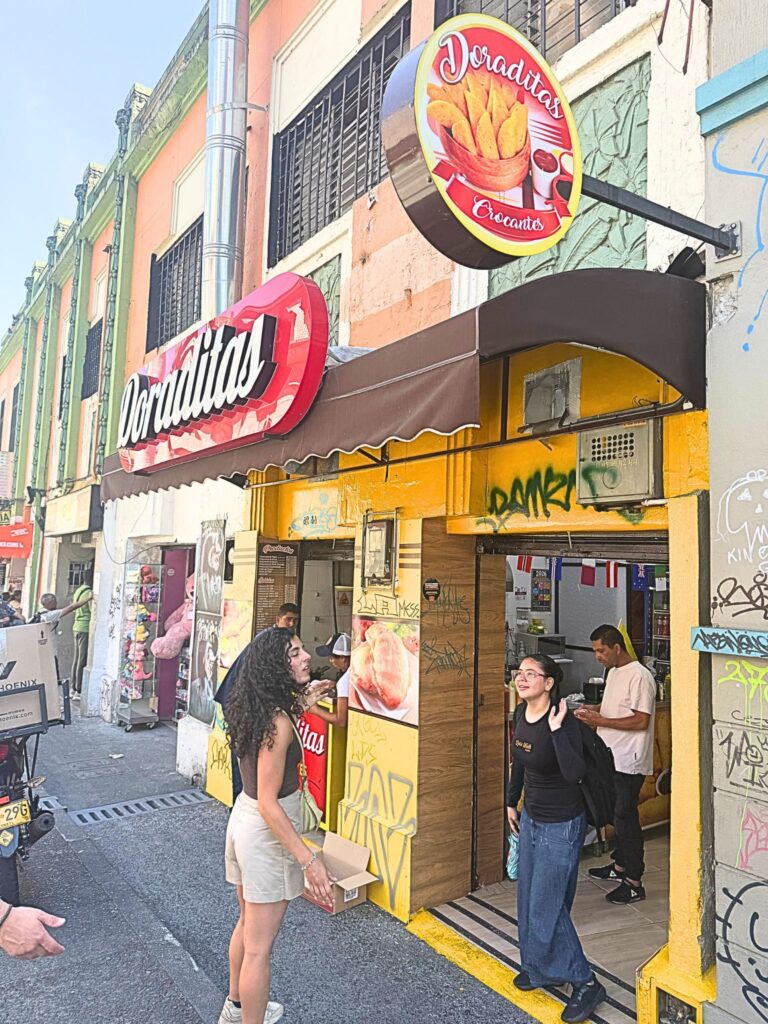
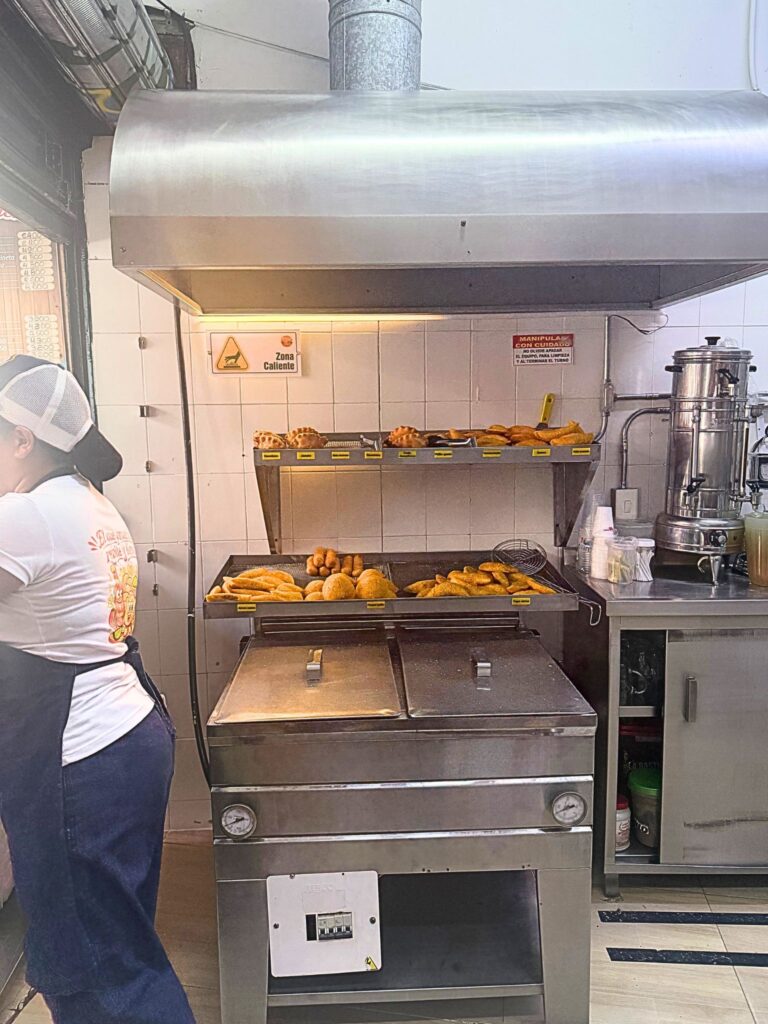
The freshly fried empanadas were hot and perfectly crispy with a savory filling inside. Ana explained how empanadas vary across Colombia, with each region putting its own spin on the recipe.
They’re inexpensive and available on nearly every street corner, but trying them with someone who could explain their history made them much more memorable than simply grabbing one from a vendor.
Exploring Placita de Flórez
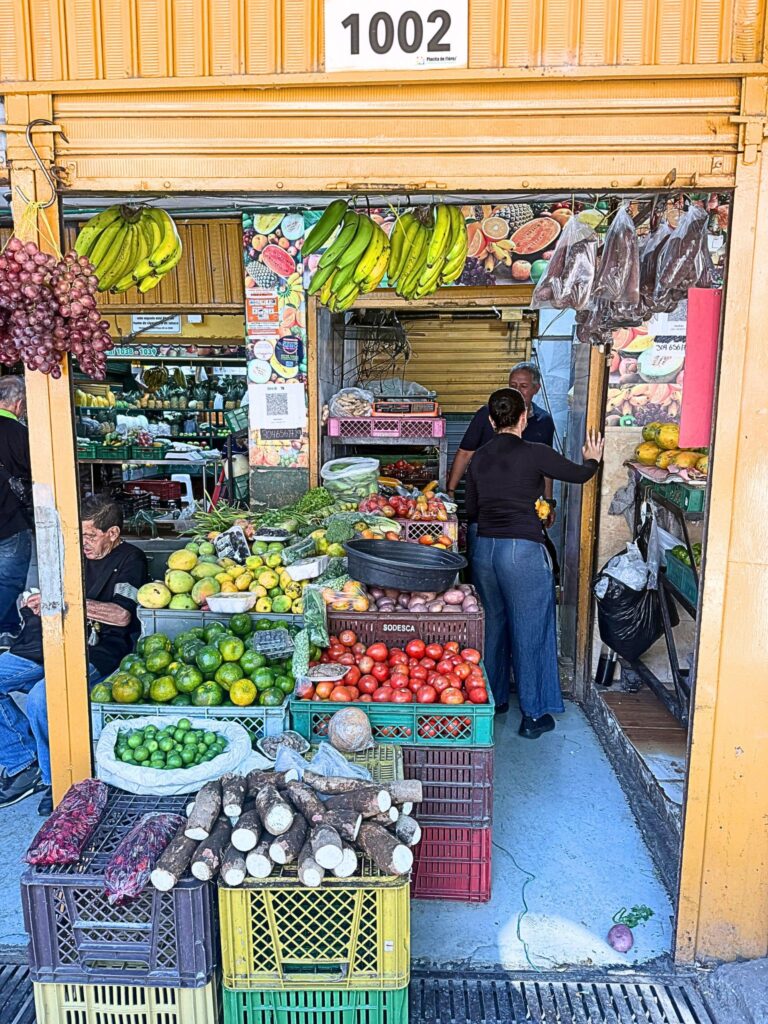
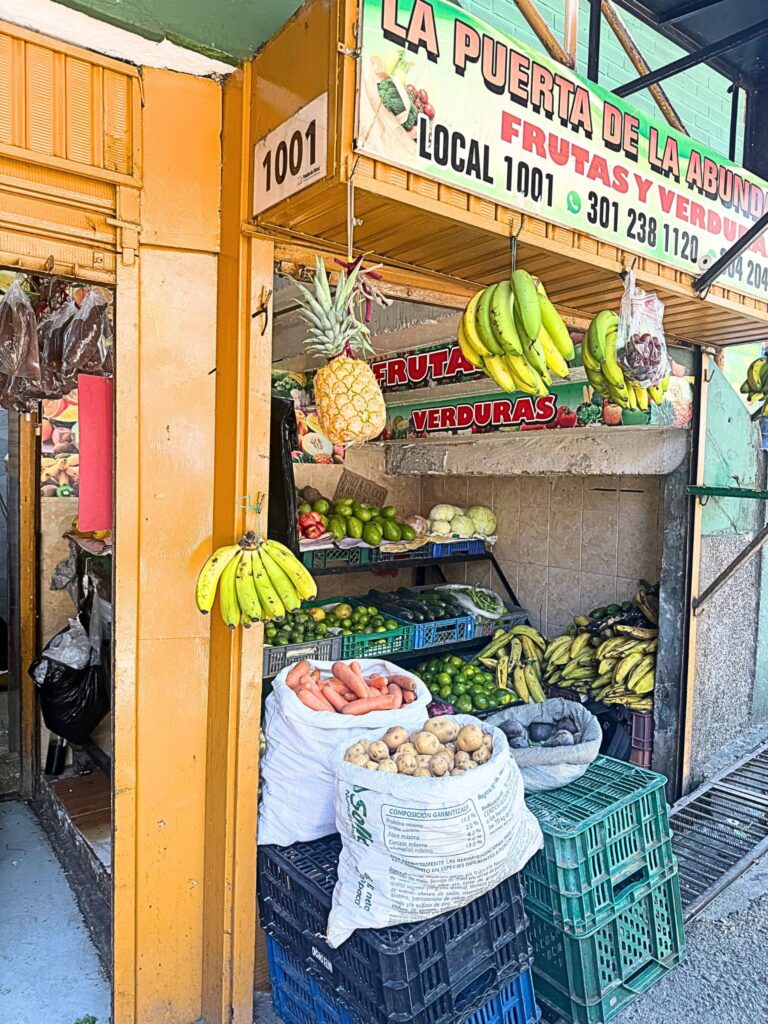
We then made our way through Placita de Flórez. Vendors piled colorful tropical fruits high on their stands, while others sold herbs, flowers, spices, and traditional medicinal plants used in Colombian households for generations.
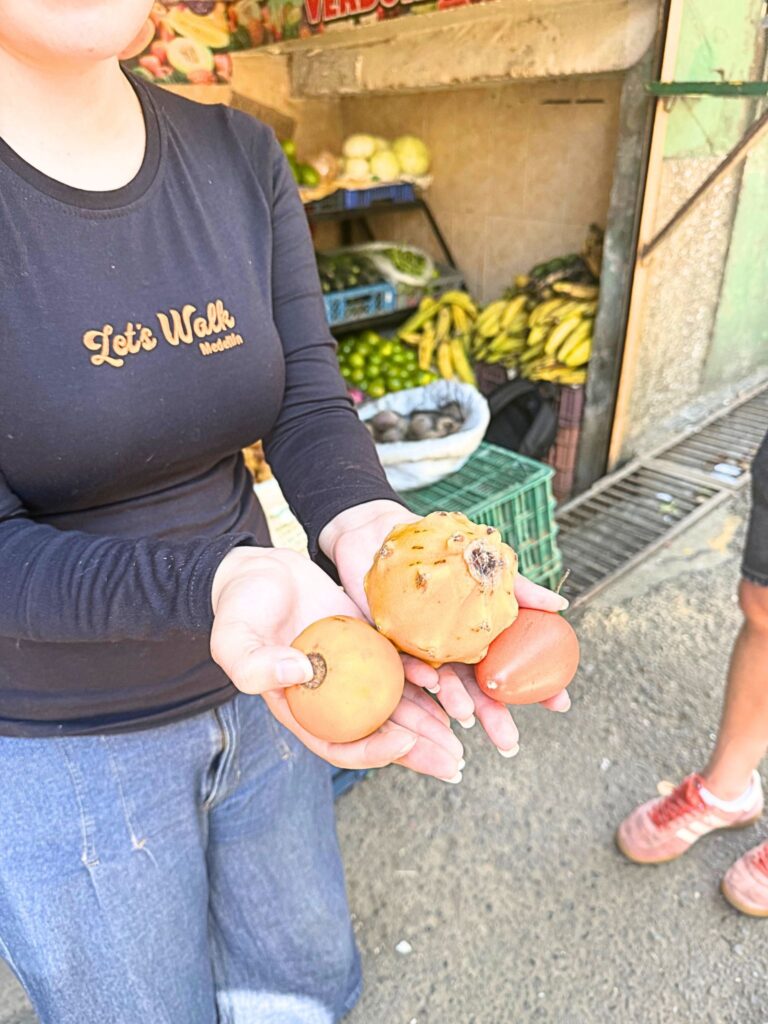
We tried a few of the fruits, including passion fruit and tree tomato.
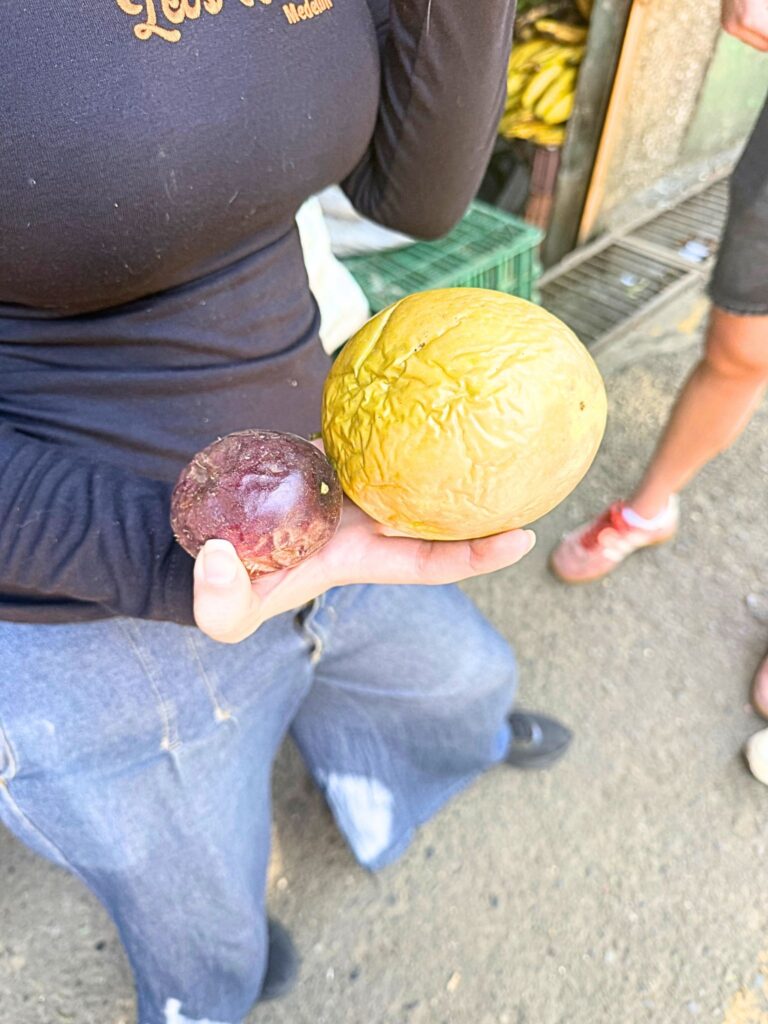
We continued our walk, stopping near the historic San Ignacio area, where Ana shared stories about one of Medellín’s oldest educational institutions.
The nearby university dates back to the early 1800s and played an important role in shaping the city’s intellectual and political history. Hearing about the school’s long history while standing among its historic buildings gave another layer of appreciation for the neighborhood that I never would have gained walking through alone.
Ending with Colombian Coffee
Our final stop let us savor a cup of coffee while learning why Colombian coffee remains respected around the world.
Since Delarte Cafe Especial offered a number of unique coffee flavors, we opted for something different.
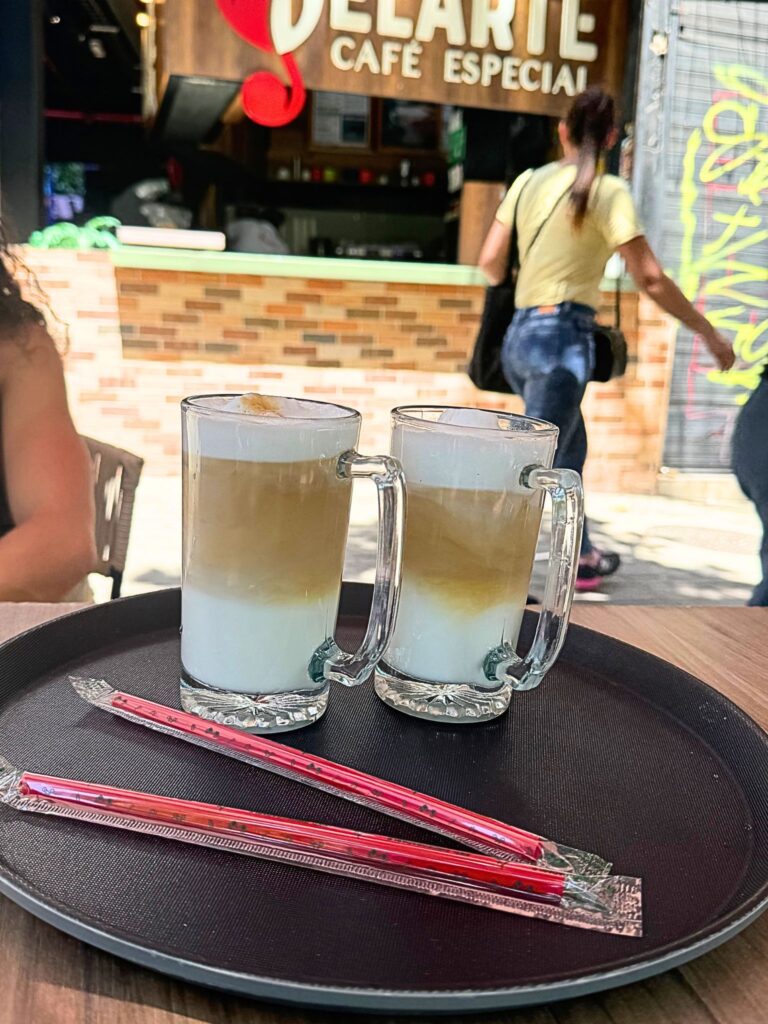
Ana continued to explain how growing conditions, elevation, and harvesting methods all contribute to the flavor that’s made Colombian coffee famous.
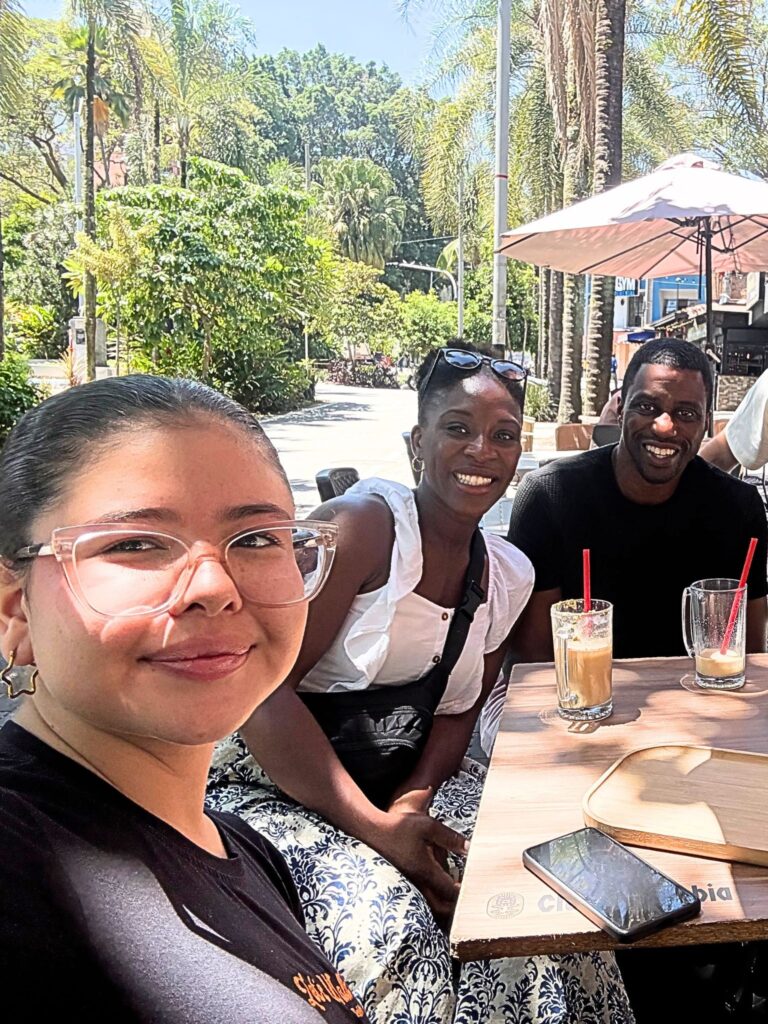
It was the perfect way to end the morning.
Tips Before You Go
If you’re thinking about taking this tour yourself, here are a few things I’d recommend:
- Arrive hungry—you’ll be sampling food throughout the morning.
- Bring around 30,000–50,000 COP in cash for food tastings and a tip for your guide.
- Wear comfortable walking shoes since you’ll spend about three hours on your feet.
- Bring water, sunscreen, and a hat on sunny days.
- Ask questions. Ana welcomed them throughout the tour, and I learned far more because of it.
- Vegetarians can still enjoy the experience, as several stops offer alternative options.
Is This Food Tour Worth It?
Absolutely.
I’ve found that food tours are one of the quickest ways to understand a destination because they combine history, culture, and everyday life into one experience. This tour did exactly that.
I walked away having tasted foods I might never have ordered on my own, explored markets I probably would have skipped, and gained a much deeper appreciation for Medellín beyond the usual tourist attractions.
Sometimes the best way to understand a city isn’t by visiting another landmark; it’s by sharing the foods locals have been enjoying for generations.