

A well-organized kitchen reflects efficiency, creativity, and mindfulness. It’s not just a place to cook; it’s a hub where culinary adventures, family bonding, and everyday routines converge. According to Business Research Insights, the global kitchenware and houseware market is expected to grow from USD 29,330 million in 2022 to USD 41743.7 million by 2031, at a CAGR of 4.0%.
However, as time progresses, many kitchens build up a collection, some much-loved, others remembered long after their useful life is past. That may start to weigh down functions when you need streamlined processes in your kitchen. Decluttering is a chance to bring back nuance to your kitchen, letting it be updated for your needs and living style.
Outdated Nonstick Cookware

Non-stick pans are pretty handy, but older models contain some very toxic chemicals, such as perfluorooctanoic acid, known as PFOA, which is linked to health hazards. Modern ceramic or stainless-steel options provide a safer, more durable alternative.
Research from the National Institutes of Health shows that PFOA has been detected in the blood of more than 98% of the general US population. Most non-stick pans will lose their coating after a while, making them less effective and more challenging to clean. Upgrading means cooking healthier without sacrificing performance.
Unused Kitchen Gadgets
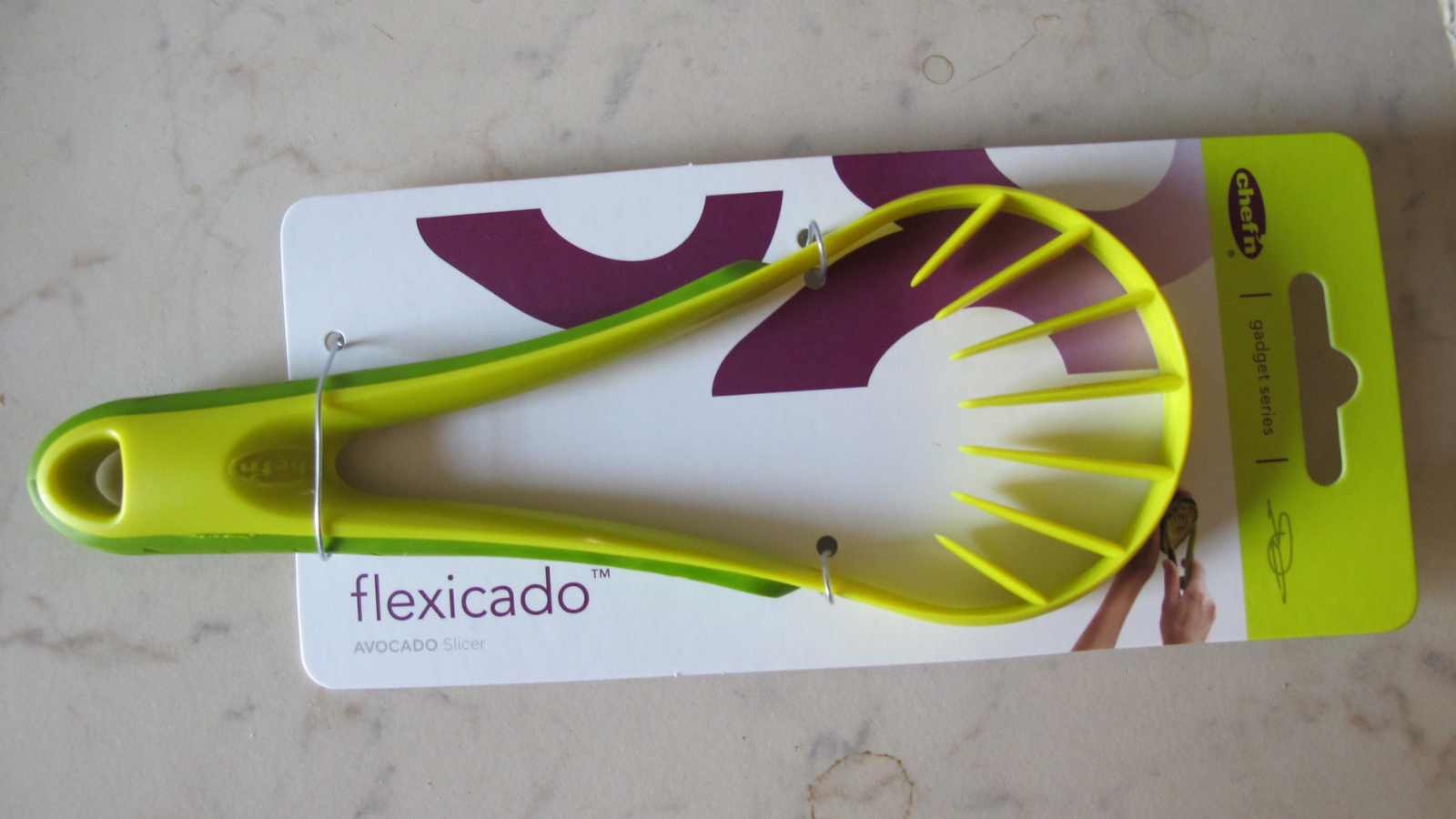
Specialized tools, such as avocado slicers or egg peelers, take up valuable drawer space and seldom get used. A study by the NPD Group reveals that 60% of adults buy new kitchen gadgets every year, but more than 30% go unused because people are either unfamiliar with them or find them too complicated.
Multifunctional tools save space and simplify food preparation. For instance, a good chef’s knife can replace many other tools. Reconsider whether each item earns its place in your kitchen based on its frequency of use.
Plastic Food Storage Containers
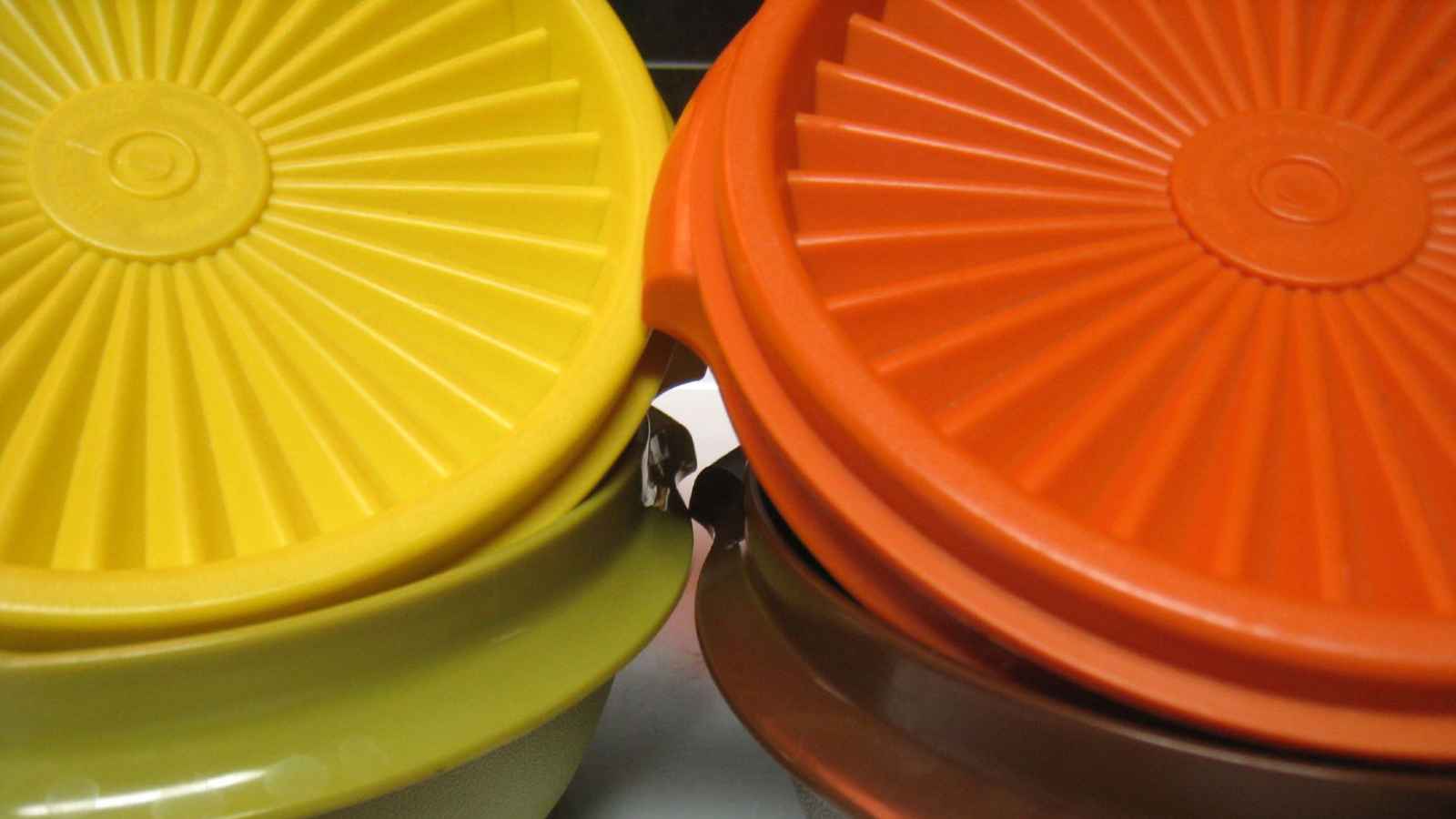
Older plastic containers tend to degrade, warp, and stain over time. Most contain bisphenol-A (BPA), a chemical that could cause potential endocrine disruption. Alternative options include glass or silicone, which are safer and more ecologically viable.
According to Grand View Research, the global glass packaging market size was valued at USD 63.2 million in 2023 and is projected to grow at a CAGR of 4.5% from 2024 to 2030, reflecting growing consumer awareness. Transitioning reduces waste and improves food safety.
Dull Knives
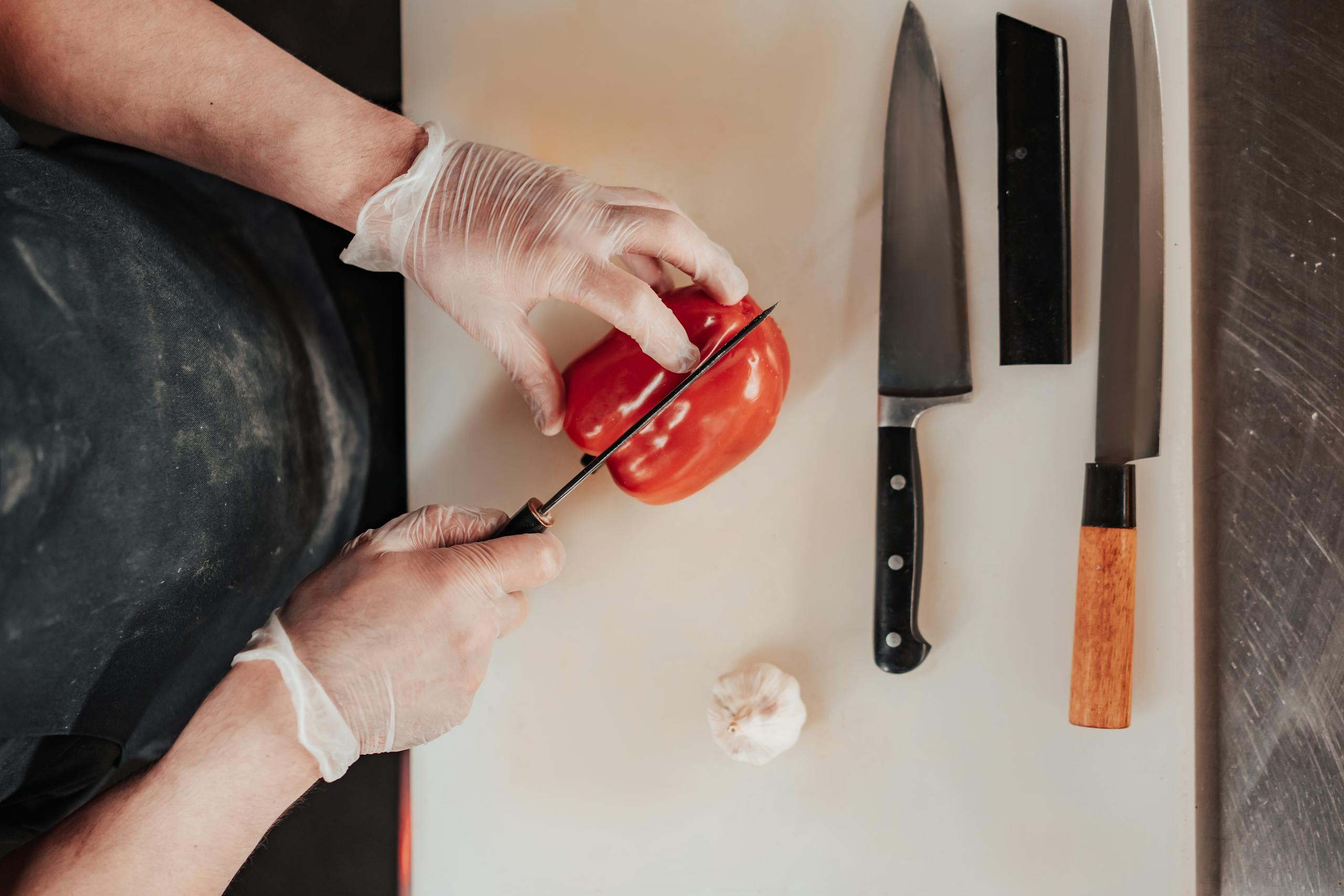
Dull knives require more pressure to cut food, and that increased force may cause the knife to give way suddenly and cause an injury. Sharp knives glide through easily, requiring no excessive pressure.
Regular honing and blade replacement maintain functionality and safety. A good knife sharpener or professional sharpening service will extend the life of your blades. For a daily tool, it is better to buy fewer but higher-quality items.
Expired Spice Collection
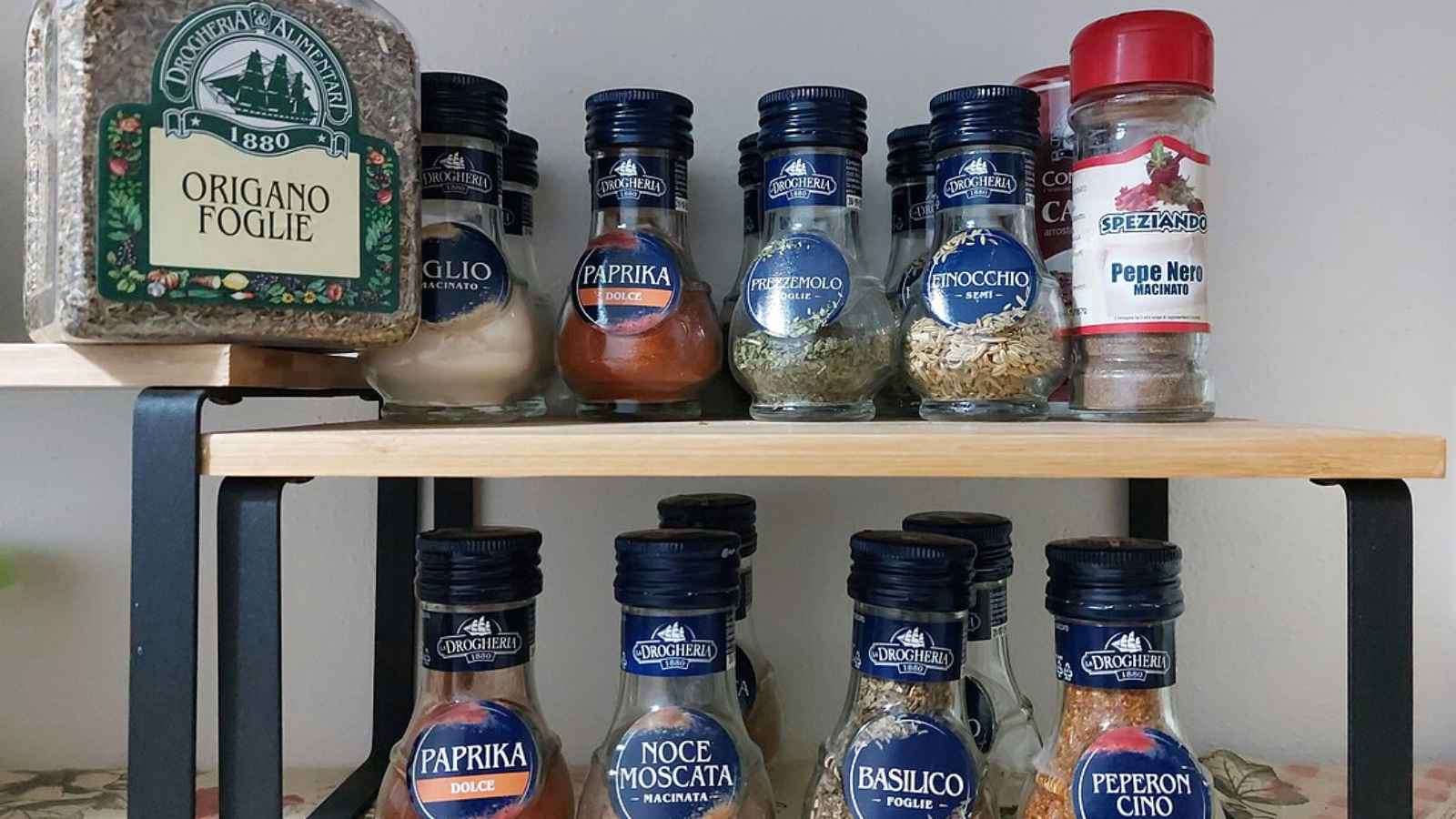
Spices are only potent for about two to three years, and their flavors become more subtle. Freshness affects flavor and nutritional value. Verified Market Research reports that the global spice market is projected to grow at a CAGR of 7.87% from 2023 to 2030.
Sort spices by expiration date and replace them periodically for better cooking. Consider purchasing smaller quantities to ensure they get used before expiration. A spice rack also makes meal preparation easier.
Single-Purpose Appliances
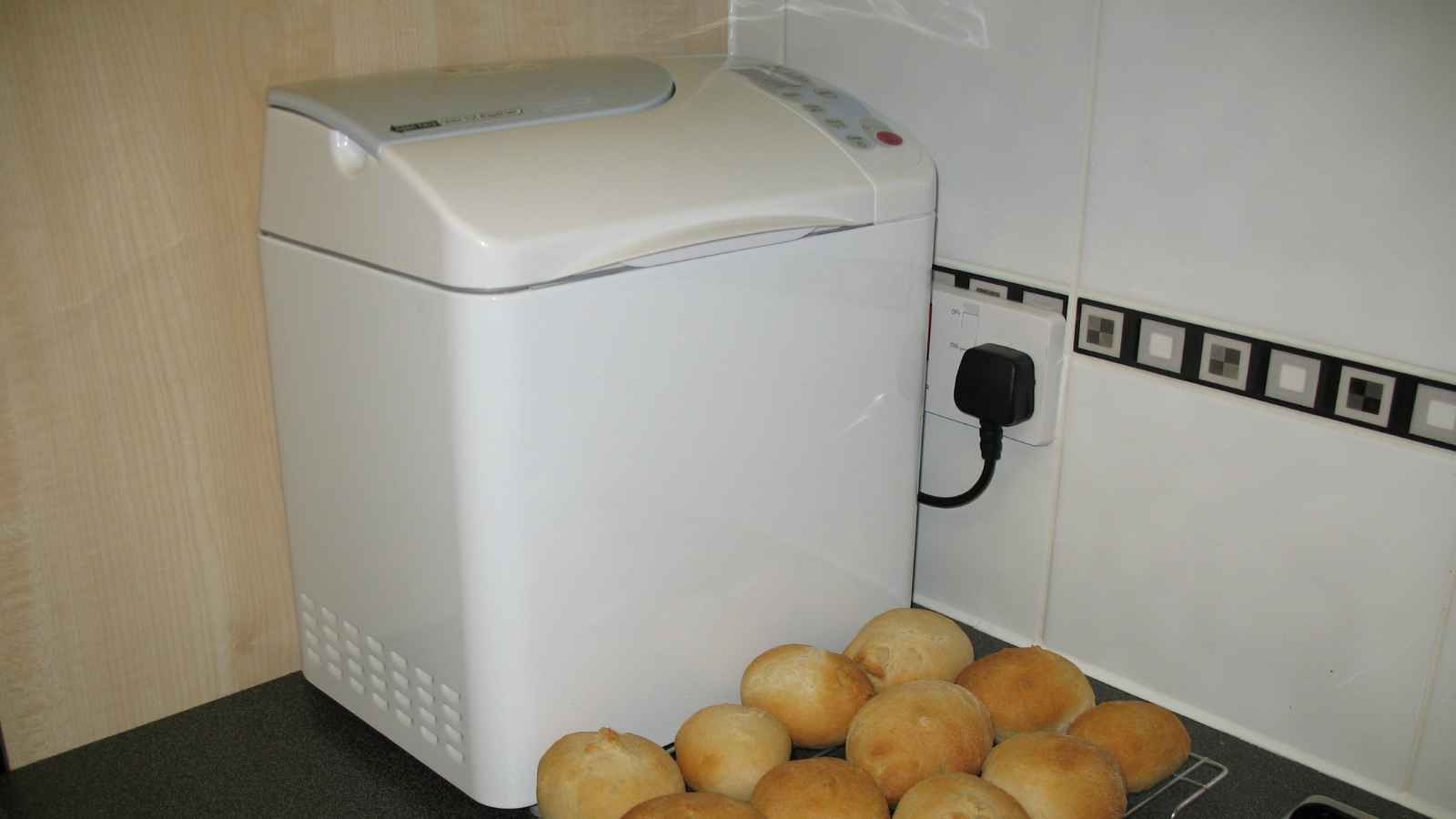
Items like bread makers or yogurt machines often collect dust unless used consistently. Single-use appliances are designed to be used once and then discarded. They are typically made from cheap materials and are not intended to be reused.
Compact, multifunctional devices like air fryers or Instant Pots serve multiple purposes while saving room. Evaluate whether each appliance justifies its footprint in your kitchen. Decluttering improves efficiency and aesthetic appeal.
Excessive Water Bottles

Reusable bottles accumulate quickly, creating unnecessary clutter. Many lower-quality bottles wear out or leach chemicals, particularly when exposed to heat. A 2022 report by Allied Market Research shows that the global reusable water bottle market will reach $13549.0 million by 2032, growing at a CAGR of 4.5% from 2023 to 2032.
Prioritize durable, safe options that last longer and perform better. Streamlining your collection creates more cabinet space.
Worn Cutting Boards
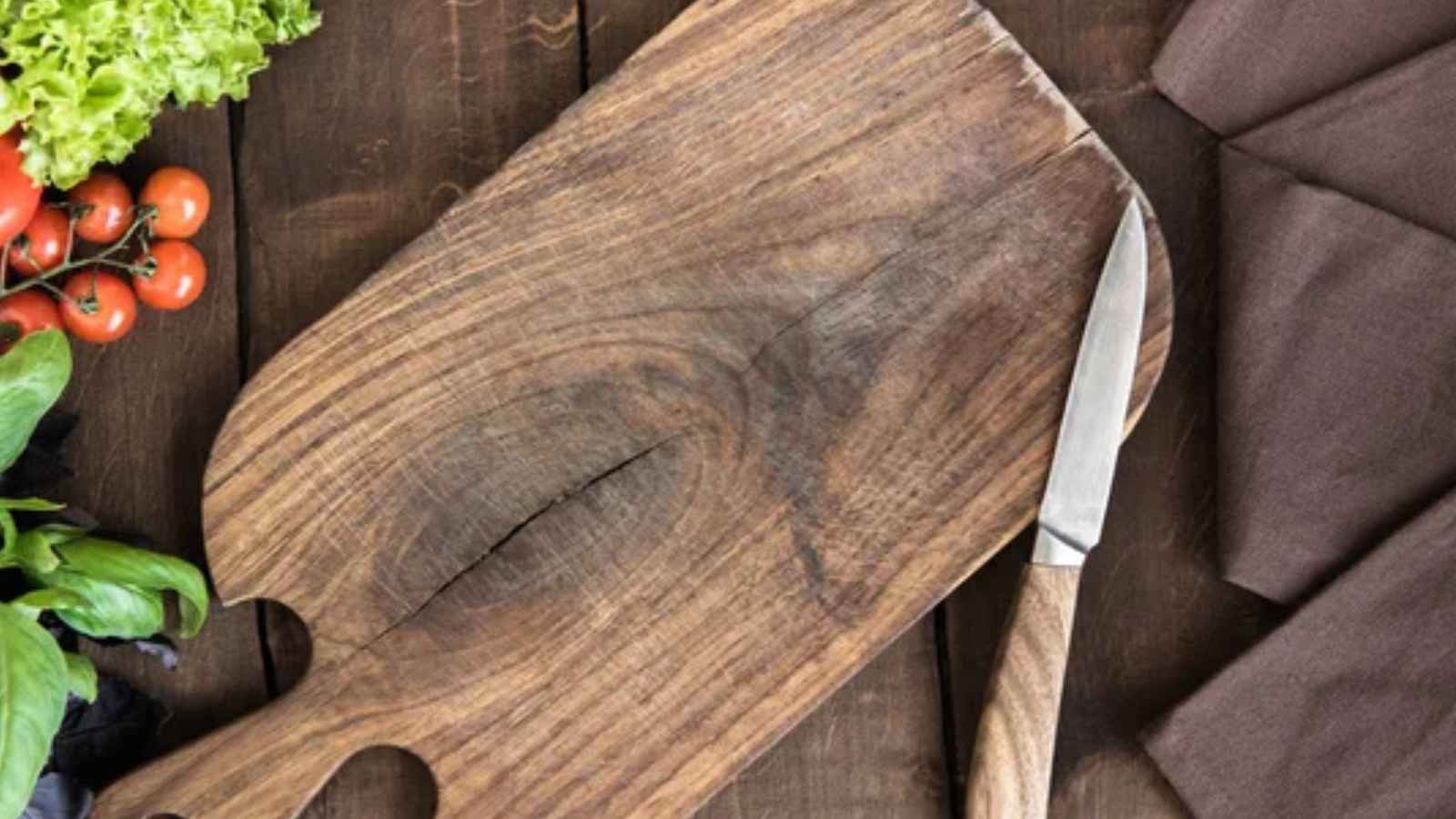
Even after washing, old plastic cutting boards have bacteria in their knife grooves. Wood or bamboo ones resist microbial growth better when properly maintained.
Research from Michigan State University showed that most cutting board contamination results from poor cleaning. Regularly replacing worn boards is a safer way of food preparation. Opt for materials that balance durability with hygiene for peace of mind.
Decorative Dishware
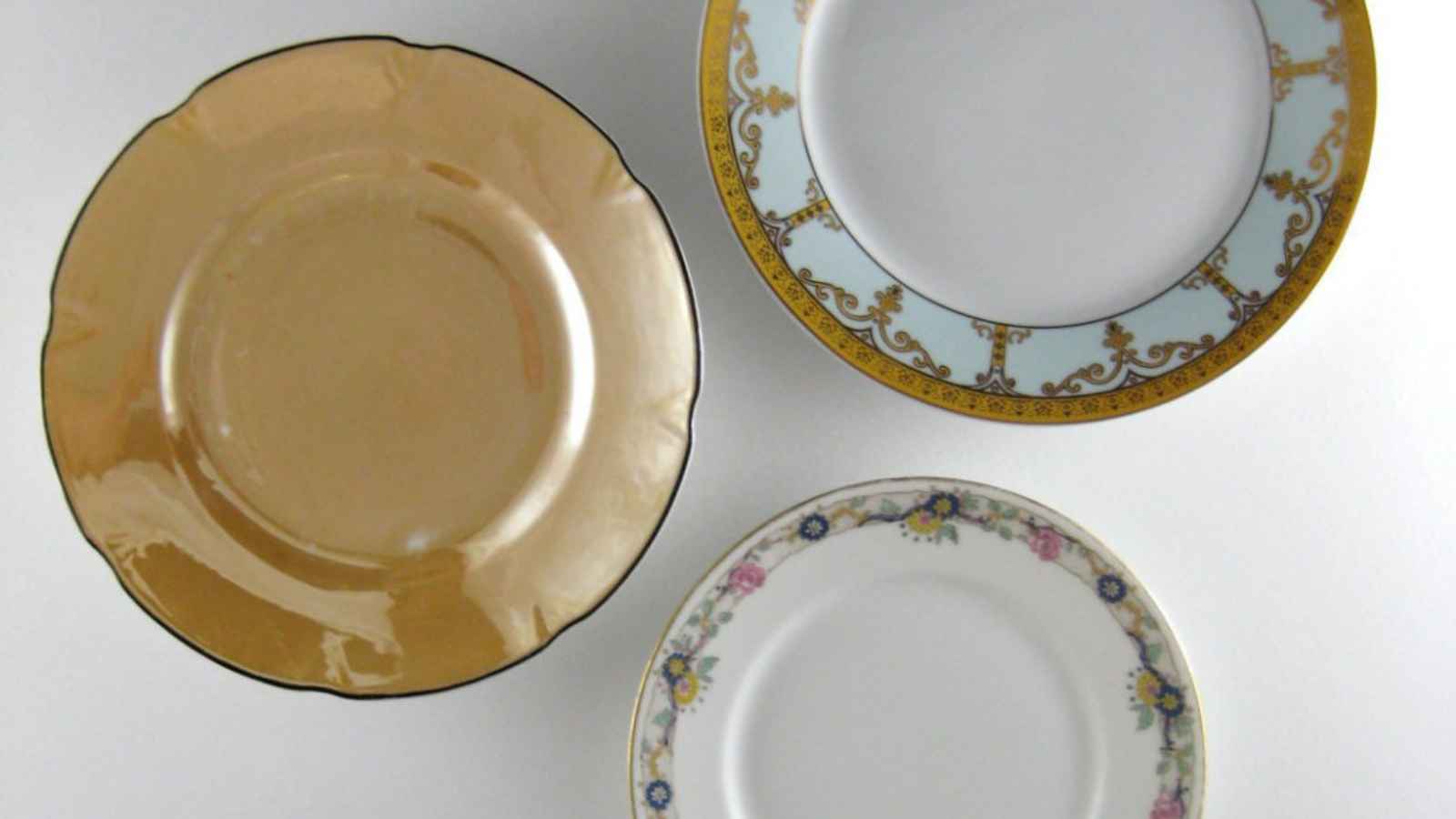
Sentimental or decorative dishware often occupies precious storage space without being of any practical use. A survey conducted by SpareFoot shows that more than 40% of people reported spending as many as two months of their lives decluttering.
Create space for the essentials by passing down heirlooms or donating excess dishware. Functional and versatile pieces simplify storage and daily routines. Consider the utility of each item before deciding to keep it.
Unmatched Storage Lids
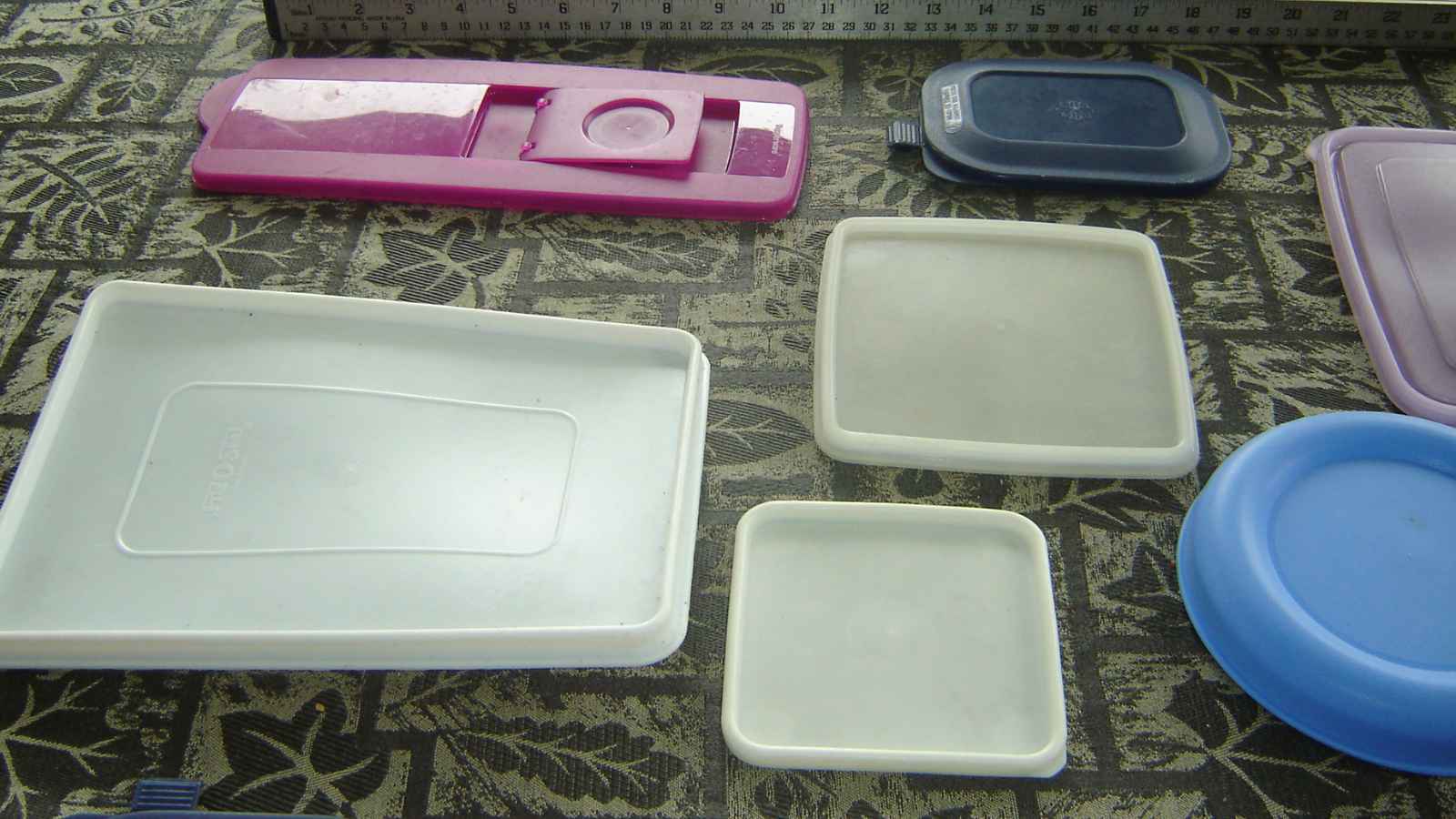
Lidless containers or stray lids take up space without any purpose. Organizing your collection means everything has a match, and frustration is reduced. According to a guide from FasterCapital Reports, invest in stackable sets to lay the basis for maximum storage efficiency.
Regular audits keep clutter under control, making cabinets easy to use. Simplifying your storage systems eliminates hassle and saves time.
Old Coffee Makers
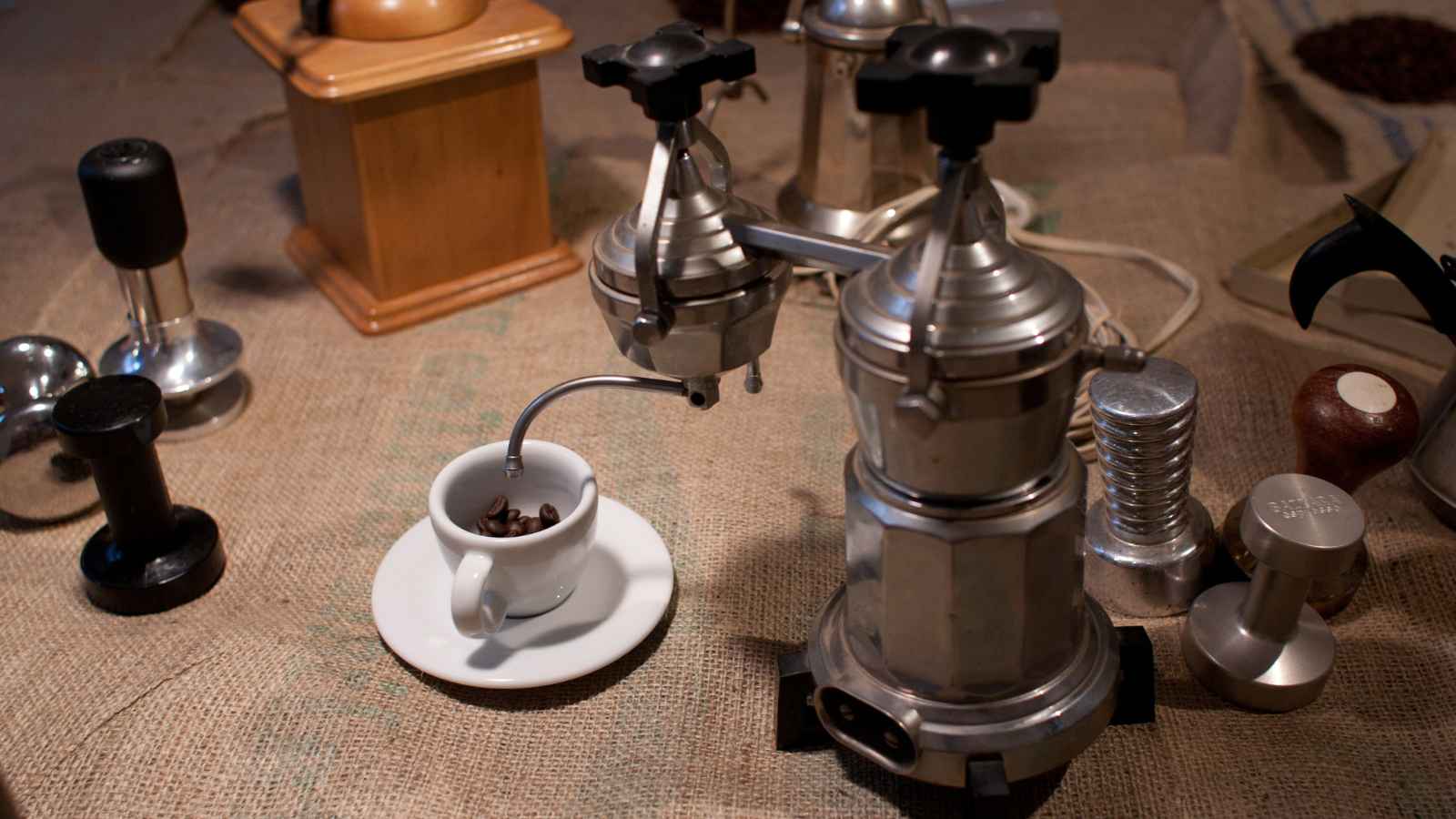
Older coffee machines often lack efficiency and waste energy. Upgraded models with programmable features or reusable filters offer better value and reduced environmental impact.
According to the Micet Group, sustainable brewing practices are critical to reducing the ecological impact of craft breweries and meeting the growing consumer demand for environmentally friendly products. Consider a model that aligns with energy-saving standards and supports eco-friendly habits.
Too Large Cookware Sets
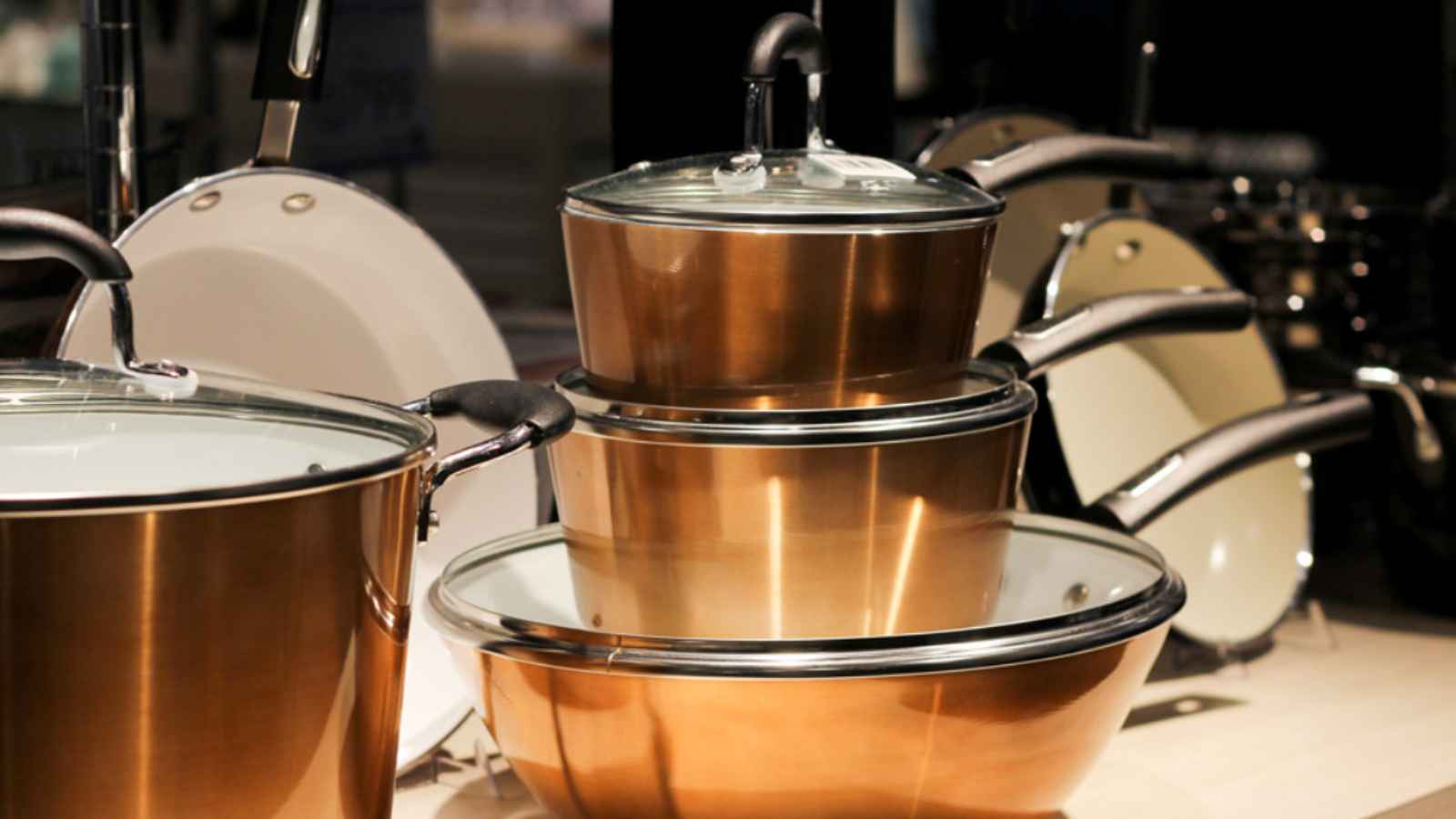
Most complete cookware sets have duplicates that are never used. According to Consumer Reports, most households use only three to five pots or pans consistently. It is better to buy fewer but higher-quality items, such as a skillet, saucepan, and stockpot.
Downsizing frees up storage while meeting most cooking needs. Streamlined kitchens feel less cluttered and more functional.
Tarnished Silverware

Tarnished or bent silverware lacks aesthetic and functional appeal. Replacing outdated pieces with durable, dishwasher-safe stainless steel elevates everyday dining. Future Market Insights reports that the global Flatware market is expected to reach a market value of USD 16.4 billion by exhibiting a CAGR of 4.5% in the forecast period 2023 to 2033.
The matching sets add elegance to your mealtime, be it casual or entertaining. Keep updating your collection to make sure it remains practical and stylish.
Pantry Staples That Have Expired

Expired grains, canned goods, and condiments are usually overlooked when needed. According to the USDA, the average family of four loses $1,500 yearly in food not consumed.
Inventory taken regularly, and a first-in, first-out system will reduce waste. Donate unopened, unexpired items to declutter responsibly. Keeping your pantry organized will make meal planning easier and minimize overspending.
Low-Quality Bakeware
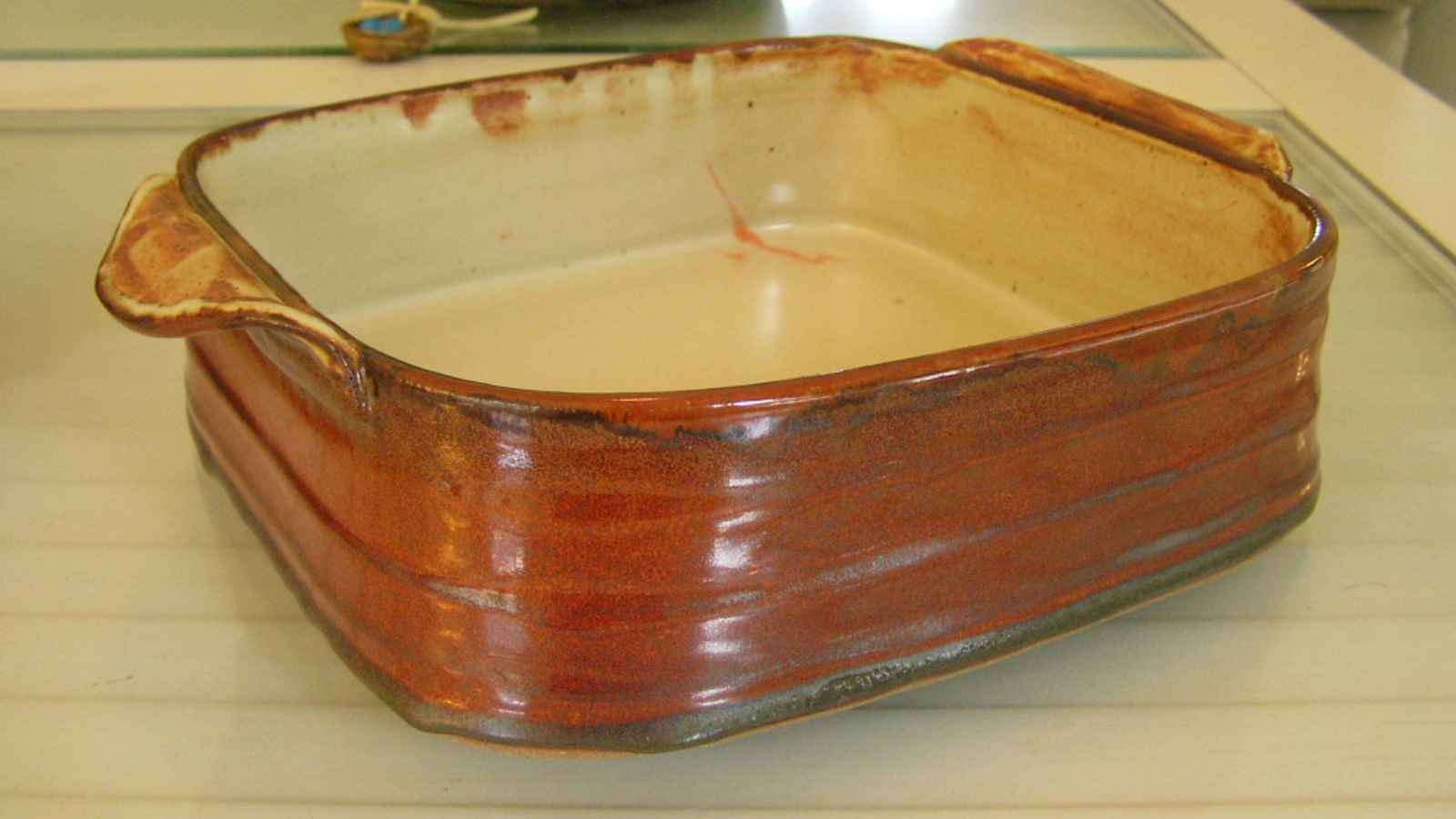
The cheaper ones warp or deteriorate, compromising performance and longevity. Investing in high-quality options means even heat distribution for long-lasting results. According to a report by Fortune Business Insights, the Bakeware market, valued at USD 4.7 billion in 2023, is expected to reach USD 6.5 billion by 2030, growing at a CAGR of 5.6%.
Choose non-toxic materials like silicone or carbon steel for healthier baking. Upgrading enhances both the cooking experience and finished products.