
Just as VHS tapes and pagers faded into obscurity, many of the items we use daily may soon become relics of the past as technology and society advance. These items will be replaced with new, more efficient, and valuable products. Here is a list of 17 everyday items that could disappear within the next two decades.
Landline Phones
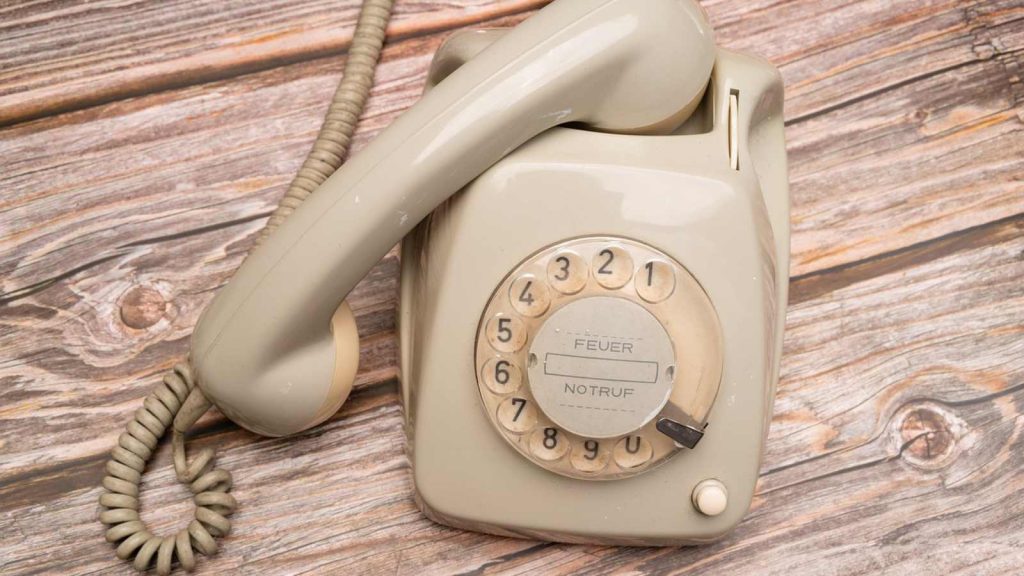
The shift to mobile and VoIP technology has significantly reduced the need for traditional landline phones. A declining percentage of households still maintain a landline, with many opting for the convenience and mobility of smartphones. According to a recent survey by HireAHelper, only 31% of U.S. households had a landline in 2019, and this number continues to fall.
Physical Media (DVDs, Blu-rays, C.D.s)

Physical media like DVDs, Blu-rays, and C.D.s are declining as streaming services and digital downloads dominate. According to a recent study by Future Market Insight, DVD and CD storage media use has drastically declined due to the growth of streaming and OTT platforms. Sales of recordable optical discs have sharply decreased in the last decade, and this downward trend is anticipated to persist in the coming years.
Gas-Powered Vehicles

The rise of electric vehicles (E.V.s) and stringent government regulations to reduce carbon emissions signal the end of gas-powered cars. Companies like Tesla are leading the charge, and the transition to electric mobility seems inevitable.
Virta Global’s study forecasts that by 2030, the number of global electric vehicles (excluding two—and three-wheelers) will approach 250 million. This figure is expected to soar to 525 million by 2035. At this point, one in four vehicles will be electric. Electric vehicle sales could account for over 50% of the market share by 2035.
Cash and Physical Wallets

Digital and mobile payment options reduce the need for cash and physical wallets. Increasing adoption of mobile wallets such as Apple Pay and Google Wallet reflects a global shift towards cashless transactions. A study by Money Transfers found that 43.2% of U.S. consumers used mobile payment methods in 2020, a number expected to grow significantly.
Paper Receipts

Digital receipts and e-billing are set to replace paper receipts, driven by the need to reduce paper waste and enhance convenience. These changes reduce paper waste, with many retailers and consumers opting for eco-friendly digital alternatives.
Plastic Bags

Environmental regulations and sustainable alternatives are pushing plastic bags towards extinction. Countries like the USA, Kenya, and Canada have implemented bans and restrictions on plastic bags to combat pollution. For instance, the European Union aims to reduce plastic bag use by 40 percent per person by 2025 through stringent measures.
Traditional Light Bulbs (Incandescent)

Energy-efficient LEDs are replacing traditional incandescent light bulbs. Government regulations are phasing out these older bulbs to promote energy savings and reduce environmental impact.
Alarm Clocks

Smartphones with built-in alarm functions render standalone alarm clocks unnecessary. Most people now use their phones to set alarms, benefiting from their convenience and multifunctionality. A survey by YouGov Today revealed that 60% of 15 to 34-year-old smartphone users rely on their phones as their primary alarm clocks.
Fax Machines

Email and digital document services have drastically reduced the need for fax machines. Businesses are increasingly adopting paperless workflows, leading to a significant decline in fax machine usage. In many corporate settings, fax machines have become rare relics of the past.
Standalone GPS Devices

Integrating GPS functionality into smartphones has led to a sharp decline in standalone GPS device sales. Consumers prefer the convenience of using their phones for navigation, resulting in a significant drop in standalone GPS device market share.
Printed Newspapers

The shift towards online news platforms is causing a decline in printed newspapers. Digital subscriptions and online readership are rising, while print circulation continues to fall. Yahoo News reports that digital news consumption surpassed print for the first time in 2010.
Remote Controls

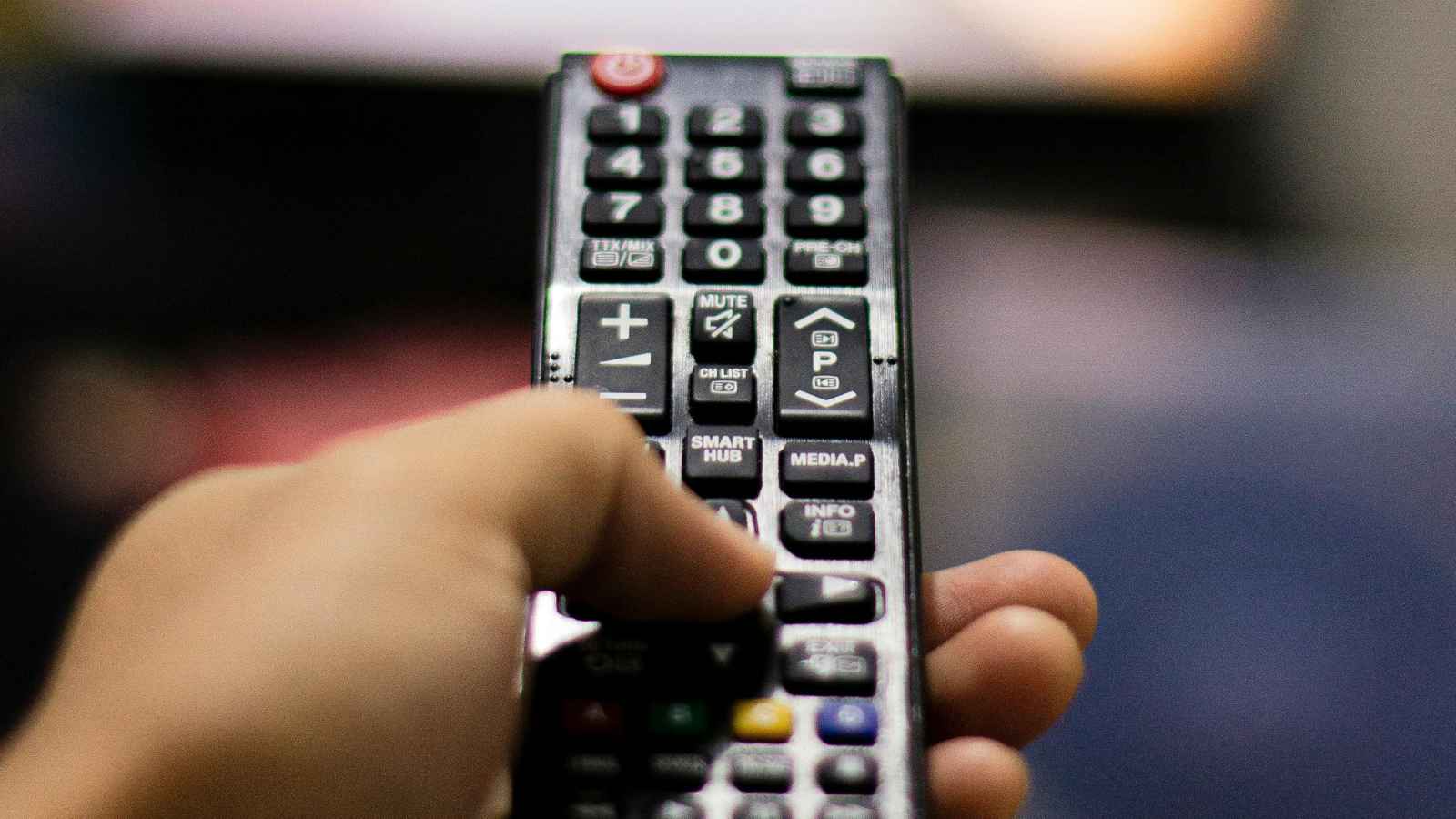
Voice and gesture-controlled devices are making traditional remote controls obsolete. Technological advancements in smart T.V.s and home assistants like Alexa and Google Home are changing how we interact with our devices.
Checkbooks

Digital banking and online payments are rendering checkbooks unnecessary. Banking trends show reduced check usage, especially among younger generations who prefer digital transactions.
According to a Federal Reserve report, in 2018, ACH debit transfers surpassed check payments for the first time, with 16.6 billion ACH transfers compared to 14.5 billion checks. This contrasts sharply with 2000, when there were only 2.1 billion ACH debit transfers and 42.6 billion check payments.
Physical Maps

Digital maps and GPS apps are replacing physical maps, providing real-time navigation updates and greater convenience. Consumer behavior trends indicate a strong preference for digital navigation tools, and apps like Google Maps and Waze are leading the way. A study found that 75% of smartphone owners use navigation apps regularly.
Public Payphones

The ubiquity of mobile phones has made public payphones nearly obsolete. Infrastructure changes reflect this shift, with many urban areas removing payphones altogether. In New York City, for example, the last public payphone was removed on May 23, 2022, marking the end of an era.
Printed Photos

Digital photo albums and cloud storage are replacing printed photos, offering easier access and sharing capabilities. Photography trends reveal a decline in printing services as more people store and share their photos digitally. A study by Connectbit found that 71% of smartphone users store their photos in the cloud.
Desktop Computers

The increasing power and portability of laptops, tablets, and mobile devices are causing a decline in desktop computer sales. Market trends indicate a preference for portable devices, which offer greater flexibility and convenience. In February 2011, laptops and tablets significantly outsold desktop computers, signaling a shift in consumer preferences.