It wasn’t long ago that many everyday life skills were passed down from parents, grandparents, or learned through experience. Today, technology handles many of those tasks, making life more convenient but also leaving some practical skills behind. A survey by OnePoll on behalf of Experian Boost found that 81% of college graduates wish they had learned more practical life skills before finishing school.
While smartphones and apps have made many daily tasks easier, there’s still real value in knowing how to do things yourself. These are 17 practical life skills that are becoming less common among people under 40.
Reading a Physical Map
GPS has replaced paper maps for most people, but knowing how to read a map is still useful. It helps you build a better sense of direction and understand how places connect instead of simply following turn-by-turn instructions.
A paper map also becomes invaluable when your phone battery dies, you lose cell service, or navigation apps stop working.
Related: 15 Life Skills Many Young People Aren’t Learning Anymore
Handwriting
Typing has become the default form of communication, and cursive writing is no longer taught in many schools. As a result, many younger adults rarely write by hand.
Still, handwriting has benefits. Writing notes on paper can improve memory, and a handwritten letter or card often feels more personal than a text or email.
Writing a Check
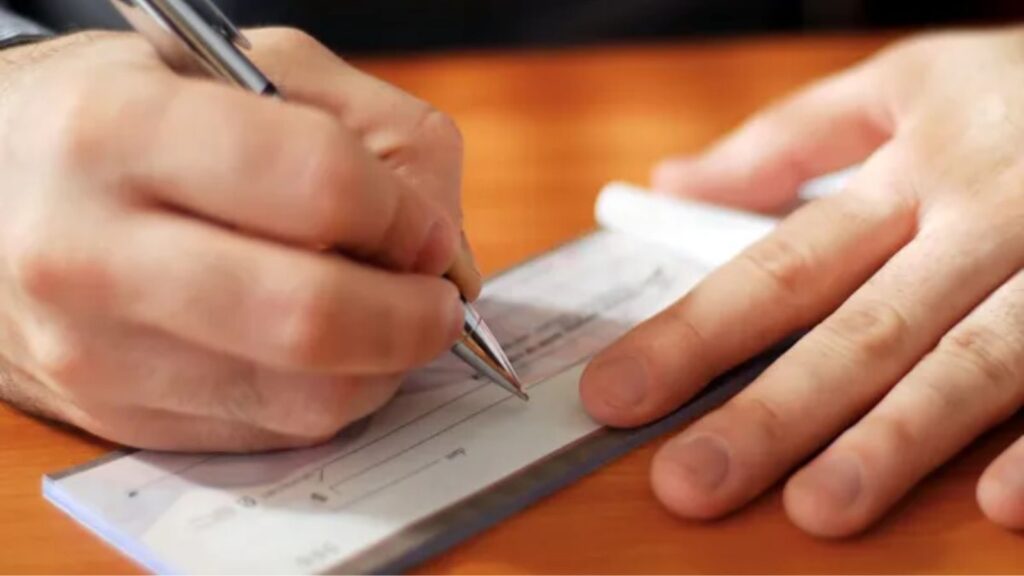
Digital payments have replaced checks for most purchases, but checks haven’t disappeared completely. Some landlords, contractors, charities, and government offices still accept or require them.
Financial expert Jay Zigmont, Ph.D., CFP, founder of Childfree Wealth, notes that while most payments are now electronic, there are still situations where checks remain useful. Knowing how to write one correctly is a basic financial skill that can save time when those situations arise.
Related: 20 DIY Home Repair Skills That Will Save You Money
Driving a Manual Transmission
Automatic vehicles dominate today’s roads. According to Edmunds senior analyst Ivan Drury, fewer than 3% of new vehicles sold in the United States have manual transmissions.
Even so, knowing how to drive a stick shift can be useful if you rent a car overseas, borrow someone’s vehicle, or need to drive older trucks or specialty vehicles.
Changing a Tire
According to NBC News, about 60% of people cannot change a flat tire. Many drivers rely on roadside assistance instead.
Learning this skill can save hours of waiting on the side of the road and help you avoid unnecessary service calls. It’s one of those abilities that you hope you’ll never need but will be grateful to have if you do.
Related: 17 Essential Life Skills Lost on the Under-40 Generation
Budgeting
Many people struggle with money simply because they never learned how to create a realistic budget.
Tracking income and expenses helps you avoid overspending, prepare for emergencies, and work toward financial goals. It’s one of the best habits you can build, regardless of your income.
Filing Taxes
Many young adults hire someone else to prepare their taxes because the process feels confusing.
Learning the basics of filing your own taxes helps you understand your finances, recognize common deductions, and avoid paying someone else for simple returns.
Related: 15 Life Skills The Young Generation Today No Longer Possess
Sewing and Mending Clothes
Fast fashion has made replacing clothing easier than repairing it. As a result, many people don’t know how to sew on a button or fix a small tear.
The World Economic Forum reports that roughly 85% of textiles end up in landfills each year. Learning basic sewing skills can help clothes last longer, save money, and reduce waste.
Negotiating
Many people accept the first price they’re offered, whether they’re buying a car, discussing salary, or paying for services.
Negotiation doesn’t have to be uncomfortable. Asking politely for a better price or higher pay can often lead to better results, and it’s a skill that becomes more valuable with practice.
Basic Home Repairs
Simple household repairs are becoming less common as more homeowners hire professionals for every small problem.
Learning how to fix a dripping faucet, unclog a drain, patch a small hole in drywall, or replace a light switch can save hundreds of dollars over time. It also gives you more confidence around the house.
Cooking From Scratch
Busy schedules have made takeout and packaged meals part of everyday life for many families.
Cooking from scratch gives you more control over ingredients, portion sizes, and food costs. It also makes it easier to prepare healthier meals and try new recipes.
Meal Planning
Planning meals for the week isn’t as common as it once was, yet it can make daily life much easier.
A simple meal plan reduces grocery costs, cuts down on food waste, and answers the daily question of what’s for dinner before it becomes stressful.
Gardening
Growing vegetables, herbs, or even a few flowers has become less common, especially for people living in apartments or busy cities.
Gardening teaches patience and provides fresh produce, while many people also find it relaxing after a busy day.
Food Preservation
Canning, freezing, pickling, and dehydrating food were once common household skills. Today, fewer people preserve food at home.
These methods help reduce waste, stretch grocery budgets, and allow you to enjoy seasonal produce long after harvest.
Face-to-Face Communication
Texting, email, and social media have replaced many in-person conversations.
Talking face-to-face helps build stronger relationships because you can read body language, hear tone of voice, and respond more naturally. These communication skills are valuable at work and in everyday life.
Writing Formal Letters
Professional emails have replaced many traditional business letters, leaving fewer people familiar with formal writing.
Knowing how to write a clear, professional letter is still useful for job applications, complaints, requests, and official correspondence.
Critical Thinking
With answers available in seconds through search engines and social media, it’s easy to accept information without questioning it.
Critical thinking means evaluating sources, asking questions, and looking at evidence before reaching a conclusion. It’s one of the most valuable skills anyone can develop, especially in a world filled with endless information.
Other Topics You Might Like
- 20 DIY Home Repair Skills That Will Save You Money
- 17 Essential Life Skills Lost on the Under-40 Generation
- 15 Life Skills The Young Generation Today No Longer Possess
- 15 Essential Skills You Should Master Before Buying Your First Home
- 13 High-Income Skills That Can Help You Achieve Financial Freedom