
Technology has made everyday life easier in countless ways. We can order dinner with a tap, get directions in seconds, and watch a video that teaches us almost anything. While those conveniences save time, they’ve also replaced many practical skills that earlier generations learned out of necessity.
That doesn’t mean young people are less capable. Many have strong digital skills and are quick to learn new technology. Still, some everyday abilities that once came naturally are becoming less common. Here are 15 life skills that fewer young adults are learning today, and why they still matter.
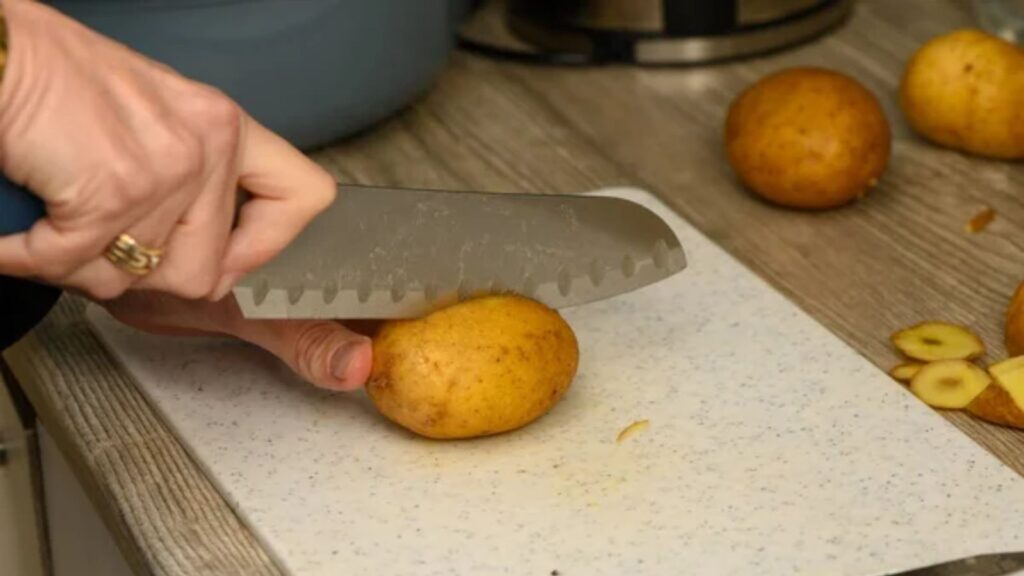
Basic Cooking Skills
Food delivery apps, meal kits, and fast food have made cooking optional for many people. As a result, some young adults reach adulthood without knowing how to prepare simple meals from scratch.
Learning to cook helps you eat healthier, spend less on food, and become less dependent on restaurants. It also gives you more control over what goes into your meals.
Related Article: 17 Essential Life Skills Lost on the Under-40 Generation
Sewing and Mending Clothes
Replacing torn clothing is often easier than repairing it, thanks to inexpensive fast-fashion retailers. That convenience has made basic sewing a skill many people never learn.
Knowing how to sew on a button, fix a loose seam, or patch a small hole can extend the life of your clothes, reduce waste, and save money over time.
Reading a Paper Map
GPS has made getting around easier than ever, but many people struggle to find their way without it. If a phone battery dies or a signal disappears, basic map-reading skills suddenly become valuable.
Reading maps also builds spatial awareness and makes it easier to understand your surroundings instead of relying entirely on turn-by-turn directions.
Handwriting and Letter Writing
Most communication now happens through text messages, emails, and social media. Handwritten letters have become rare, and many people spend very little time writing by hand.
Writing on paper still has value. It can improve fine motor skills, help with memory, and create a more personal connection than a digital message ever could.
Related Article: 13 High-Income Skills That Can Help You Achieve Financial Freedom
Basic Home Repairs
Something as simple as fixing a dripping faucet or unclogging a drain often leads to a call for professional help.
Learning a few basic repair skills can save hundreds of dollars over the years. Small jobs are often easier than they seem, and knowing how to handle them builds confidence around the home.
Financial Literacy
Budgeting, saving, investing, and managing credit are skills that aren’t always taught in school. Many young adults begin earning money without fully knowing how to manage it.
Learning the basics of personal finance can help prevent unnecessary debt, build savings, and make future financial goals easier to reach.
Time Management
Phones, social media, streaming services, and constant notifications compete for attention throughout the day. Staying focused has become more difficult than ever.
Good time management means setting priorities, limiting distractions, and planning ahead. Those habits make work, school, and daily responsibilities much easier to handle.
Gardening and Growing Food
Many people have never grown vegetables, herbs, or fruit because grocery stores make fresh produce available year-round.
Gardening teaches patience and responsibility while offering a better appreciation for where food comes from. Even a small herb garden can be a rewarding place to start.
Basic First Aid and Survival Skills
Many people assume emergency responders will always arrive quickly, yet accidents often require immediate action before help gets there.
Knowing CPR, treating minor wounds, stopping bleeding, or building a safe fire during an emergency can make a real difference. These are practical skills everyone can benefit from learning.
Face-to-Face Conversation
Texting and messaging have replaced many in-person conversations. Some young adults find it harder to maintain eye contact, listen without distractions, or comfortably speak with strangers.
Research from the National Institutes of Health has found that many teenagers prefer discussing personal matters online rather than face-to-face. While digital communication has its place, strong interpersonal skills still matter at work, in friendships, and within families.
Critical Thinking and Problem Solving
Answers are only a search away, which can make it tempting to accept the first result without asking questions or looking deeper.
Critical thinking means weighing evidence, questioning information, and solving problems without relying entirely on someone else’s answer. Those habits remain valuable in nearly every career and everyday decision.
Basic Car Maintenance
Many drivers don’t know how to check tire pressure, change a flat tire, or replace windshield wiper blades.
Learning a few basic maintenance tasks can lower repair bills, prevent breakdowns, and make roadside emergencies much less stressful.
Self-Defense and Personal Safety
Self-defense classes aren’t as common as they once were, yet personal safety is something everyone should think about.
Learning basic self-defense techniques, staying aware of your surroundings, and knowing how to react in dangerous situations can build confidence and improve personal safety.
Public Speaking
Speaking in front of a group is one of the most common fears people share. Since much of today’s communication happens online, many people get fewer chances to practice.
Being comfortable speaking to an audience can open doors at work, school, and in everyday life. Like any skill, confidence grows with practice.
Resolving Conflict Face to Face
Arguments are often handled through text messages or social media posts instead of direct conversations. Digital communication can make misunderstandings worse because tone and body language are missing.
Talking through disagreements in person encourages active listening, patience, and empathy. Those skills help build stronger relationships and make difficult conversations more productive.
Technology has changed how we live, work, and communicate, and many older skills naturally receive less attention than they once did. That doesn’t mean they’re outdated. Cooking, budgeting, basic repairs, first aid, and clear communication are still useful abilities that can make everyday life easier. Learning even a few of these skills can lead to greater independence and confidence, no matter your age.