

For many people, a great city is about more than a good job or a nice apartment. It might mean reliable public transportation, access to nature, safe neighborhoods, good healthcare, interesting food, or plenty of things to do after work.
With more people moving to cities every year, some places have built a reputation for offering a particularly comfortable mix of work and everyday life. McKinsey has reported that 38% of workers globally would consider relocating for a better work-life balance and improved living conditions. The United Nations also expects about 68% of the world’s population to live in urban areas by 2050.
No city is perfect, and what feels ideal depends heavily on your priorities. Still, these 20 cities stand out for the combination of culture, convenience, career opportunities, nature, and quality of life they offer.
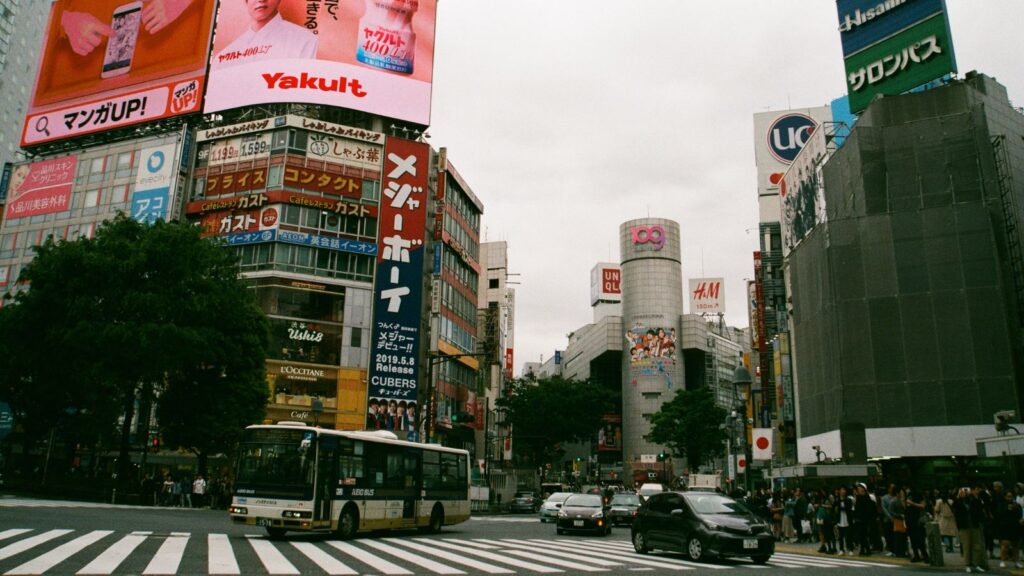
Tokyo, Japan
Tokyo manages to feel futuristic without losing its connection to centuries of Japanese history. The city has become a major center for technology, business, food, and creative industries. Startup Genome ranked Tokyo among the world’s leading startup ecosystems in 2024, reflecting its growing role in entrepreneurship and innovation.
Daily life is helped by an extensive public transportation network, low crime rates, and an enormous range of restaurants and shops. You can spend the morning surrounded by skyscrapers and spend the afternoon walking through a quiet garden or visiting a centuries-old temple. Places such as Shinjuku Gyoen give residents a welcome break from the pace of the city.
Related: 15 Most Romantic Cities In 2026
Melbourne, Australia
Melbourne has long had a reputation as Australia’s cultural capital. Its café culture, restaurants, galleries, theaters, sporting events, and music scene give residents plenty to do throughout the year.
The city also performs well in areas such as healthcare, education, and public infrastructure. Major events, including the Australian Open and Melbourne International Comedy Festival, bring even more energy to the city.
Food is another major draw. Melbourne’s multicultural population means a meal might mean Greek souvlaki one night and Vietnamese pho the next. Add beaches, parks, and access to outdoor areas nearby, and it’s easy to see why the city appeals to people who want an active urban life without giving up time outdoors.
Amsterdam, Netherlands
Amsterdam is famous for its canals and historic architecture, but daily life here extends far beyond the postcard views. Cycling is a normal part of getting around, and the city’s compact layout makes many errands possible without a car.
Residents also have access to museums, music venues, restaurants, markets, and a large international community. Amsterdam has developed a reputation for progressive policies, sustainability efforts, and a strong work-life balance.
For people moving from abroad, the city’s international population can make settling into a new home a little easier. The combination of history, cycling, culture, and modern city services gives Amsterdam a distinctive feel.
Related: 15 Most Dangerous Cities in America
Munich, Germany
Munich offers a comfortable mix of Bavarian traditions and modern city life. The city has a strong economy, with major industries in engineering, technology, finance, and manufacturing providing plenty of employment opportunities.
Public transportation makes getting around relatively easy, while parks and green areas give residents places to slow down. The historic center adds another layer to the city, with traditional buildings, markets, restaurants, and beer gardens sitting alongside modern businesses.
Oktoberfest is the city’s most famous event, but there is much more to Munich than its annual celebration. Its location also makes weekend trips into the Bavarian countryside and the Alps relatively convenient.
Singapore
Singapore combines the infrastructure of a major business center with a surprisingly large amount of greenery. The city-state is known for clean streets, reliable public services, efficient transportation, and low crime.
Its location has made it a major hub for finance, technology, trade, and international business. That attracts workers and companies from many different countries.
Food is a huge part of daily life. Hawker centers serve dishes influenced by Chinese, Malay, Indian, and other culinary traditions, while places such as Gardens by the Bay provide an entirely different side of the city. Singapore’s mix of dense urban development, parks, cultural traditions, and modern architecture makes it unusual among major world cities.
Stockholm, Sweden
Stockholm has built a strong reputation in technology, design, sustainability, and creative industries. It is the home of major companies such as Spotify and Skype, and its technology sector continues to attract entrepreneurs and skilled workers.
The city also places a strong focus on public services, environmental planning, and family life. Water and green spaces are woven into the city, giving residents plenty of opportunities to spend time outdoors.
Stockholm’s commitment to sustainability is visible in its transportation, housing, and urban planning. It offers the feel of a major European capital without completely losing its connection to nature.
Related: 20 Friendliest Cities In The World: Where Hospitality Meets Affordability
Auckland, New Zealand
Auckland is a good fit for people who want city conveniences without living far from nature. The city sits between two harbors and has beaches, hiking areas, parks, and outdoor attractions close by.
Its mild climate makes outdoor activities possible throughout much of the year. Residents can spend a weekday in the city and head toward the coast or nearby natural areas on the weekend.
Auckland also has a diverse population, a strong service economy, and opportunities in industries ranging from technology and finance to education and tourism. Its relaxed pace is a major part of its appeal.
Barcelona, Spain
Barcelona offers the kind of lifestyle many people associate with Mediterranean living: outdoor dining, beaches, markets, walkable neighborhoods, and long evenings spent with friends.
The city is famous for Antoni Gaudí’s architecture, including the Sagrada Família, but its appeal goes beyond its landmarks. Neighborhood markets, cafés, tapas bars, parks, and public squares give residents plenty of ways to spend their free time.
Barcelona has also become popular with international workers, entrepreneurs, and digital professionals. Its technology sector has grown in recent years, giving the city a stronger business side alongside its long-established cultural scene.
Oslo, Norway
Oslo offers an unusual combination of city life and easy access to nature. Forests, waterways, and fjords are close enough that residents can spend a day outdoors without traveling far from the city.
Norway has also invested heavily in clean energy and environmental initiatives. Oslo has worked on recycling, low-emission transportation, and reducing its environmental footprint.
The city has plenty of cultural attractions too, including the Oslo Opera House and museums dedicated to Norwegian history and art. High living standards, relatively low crime, and access to nature make Oslo especially appealing to people who want a quieter urban lifestyle.
Reykjavik, Iceland
Reykjavik is small compared with most capital cities, but that is part of what makes it appealing. Iceland’s capital combines a laid-back atmosphere with access to some of the country’s most dramatic natural attractions.
Geothermal energy plays an important role in Iceland’s energy system, and the country has a reputation for clean air and renewable energy use. Reykjavik also has a lively arts and music scene, with festivals, galleries, restaurants, and independent shops throughout the city.
Outside the city, residents and visitors have easy access to waterfalls, glaciers, geysers, volcanic landscapes, and opportunities to see the Northern Lights during the right season.
Lisbon, Portugal
Lisbon has become a favorite among international residents, remote workers, and entrepreneurs. Warm weather, colorful buildings, historic neighborhoods, and a strong café culture give the Portuguese capital a relaxed feel.
The city’s famous trams, tiled buildings, steep streets, and waterfront areas make everyday surroundings unusually distinctive. Lisbon also has a growing technology and startup community, which has brought more international workers to the city.
Housing costs have risen in recent years, so affordability can vary depending on the neighborhood and lifestyle. Still, Lisbon remains attractive to people looking for a European city with plenty of sunshine and a slower pace.
Kyoto, Japan
Kyoto offers a very different experience from Tokyo. It was Japan’s imperial capital for more than a thousand years and remains one of the country’s most important cultural centers.
The city is home to numerous temples, shrines, gardens, and historic districts, with 17 locations recognized as UNESCO World Heritage sites as part of the Historic Monuments of Ancient Kyoto.
Kyoto still has plenty of modern conveniences, restaurants, universities, businesses, and public transportation. For people who prefer a quieter pace and want history to be part of everyday surroundings, Kyoto can be a compelling place to live.
Helsinki, Finland
Helsinki is known for clean design, good public services, strong education, and a close connection to nature. Finland regularly ranks highly in international measures of well-being, and its capital reflects many of the qualities associated with the country.
The city has a well-organized public transportation system and plenty of parks and waterfront areas. Residents can enjoy museums, restaurants, architecture, and cultural events while still having easy access to outdoor activities.
Swimming, walking, cycling, skiing, and spending time by the water are common parts of life in Helsinki. Its calm pace appeals to people who prefer a city that feels orderly without being overwhelming.
Dubai, UAE
Dubai has grown into a major international business and travel center, attracting professionals from many parts of the world. Its skyline, shopping centers, hotels, restaurants, and entertainment venues have made the city famous far beyond the Middle East.
The city also benefits from its location between Europe, Asia, and Africa, making it an important center for international commerce and travel. A large expatriate population gives Dubai a distinctly international character.
Life here is closely tied to modern infrastructure, but there are plenty of ways to experience local culture too. Traditional souks, desert excursions, museums, and historic neighborhoods offer a different side of Dubai beyond the skyscrapers.
Perth, Australia
Perth is known for sunshine, beaches, and a relaxed pace of life. Located on Australia’s western coast, it gives residents access to a large city while keeping nature close by.
The city has a growing economy and attracts workers in areas such as mining, healthcare, education, technology, and professional services. Its beaches are a major draw, while nearby Rottnest Island provides another popular escape.
The Swan Valley adds wineries, restaurants, and food producers to the list of weekend activities. For people who enjoy warm weather and outdoor living, Perth has plenty to offer.
Vancouver, Canada
Vancouver sits between the Pacific Ocean and the mountains, giving residents access to an impressive range of outdoor activities. Hiking, skiing, cycling, kayaking, and other activities are all within easy reach of the city.
The population is highly multicultural, with immigration playing a major role in Vancouver’s growth. According to a City of Vancouver 2021 Census report, immigration has contributed heavily to the city’s changing population.
Vancouver also has a strong economy, a diverse restaurant scene, and plenty of parks and waterfront areas. Housing costs are a major concern for many residents, but the combination of urban amenities and natural surroundings continues to attract people from around the world.
San Francisco, USA
San Francisco remains one of America’s best-known centers for technology, entrepreneurship, and creative industries. Its connection to Silicon Valley has helped make it a major destination for people working in technology and business.
The city also has plenty of history and character outside the tech industry. The Golden Gate Bridge is one of the country’s most recognizable landmarks, while Alcatraz Island draws visitors from around the world.
San Francisco is expensive, and residents also face challenges related to housing and homelessness. Still, its distinctive neighborhoods, restaurants, arts scene, parks, hills, and views of the bay give it a character that is difficult to duplicate.
Vienna, Austria
Vienna repeatedly appears near the top of international quality-of-life rankings. Mercer’s Quality of Living Survey gives the Austrian capital high marks for areas such as healthcare, infrastructure, safety, and public services.
The city is also deeply connected to music and the arts. Historic buildings, museums, concert halls, coffeehouses, and public gardens are part of everyday city life.
Vienna’s public transportation network makes it easy to get around without a car, while green spaces such as the Schönbrunn Palace Gardens give residents plenty of room to get outside.
The city’s famous coffeehouse culture adds another reason people enjoy spending time here. Sitting down for coffee is less about rushing through a drink and more about taking a break.
Copenhagen, Denmark
Copenhagen has become widely known for cycling, sustainable urban planning, and family-friendly city design. According to SPUR, cycling is a major part of everyday transportation in the city.
The city’s bike lanes, waterfront areas, parks, public transportation, and pedestrian-friendly streets make it easy to get around without relying on a car.
Copenhagen also has a strong healthcare system and policies that support families, including generous parental leave. The Danish idea of “hygge” — creating a comfortable, pleasant atmosphere — fits naturally with the city’s cafés, homes, restaurants, and social spaces.
Historic canals and buildings sit alongside modern architecture, giving Copenhagen a mix of old and new that residents experience every day.
Zurich, Switzerland
Zurich combines a strong economy with easy access to the outdoors. It is one of Europe’s major financial centers, with high wages and a large concentration of banks, technology companies, and international businesses.
The city is also close to Lake Zurich and the Swiss Alps, giving residents plenty of options for hiking, skiing, swimming, and other outdoor activities.
Zurich ranked second among cities for expatriate quality of life in Mercer’s annual Quality of Living Ranking. Its public transportation, safety, infrastructure, healthcare, and cultural offerings all contribute to its reputation.
Living costs are high, but people who can manage them get a city with excellent services, clean surroundings, a strong job market, and remarkable access to nature.