
Voles may look harmless because of their small size, but anyone who has dealt with them in a garden knows how much damage they can cause. These stocky little rodents can chew through roots, eat bulbs, strip bark from young trees, and create shallow tunnels throughout lawns and planting beds.
There are roughly 70 to 100 vole species worldwide, and some reproduce at a surprisingly fast rate. Female voles can have several litters in a year, with multiple young in each litter. That can turn a small vole problem into a much bigger one before you realize what’s happening.
The goal isn’t to wage war on every creature that wanders into the yard. A few voles may cause little trouble, but a growing population can seriously damage plants. The best results usually come from making your garden less inviting while protecting the plants that are most vulnerable.
Here are 15 practical ways to keep vole activity under control.
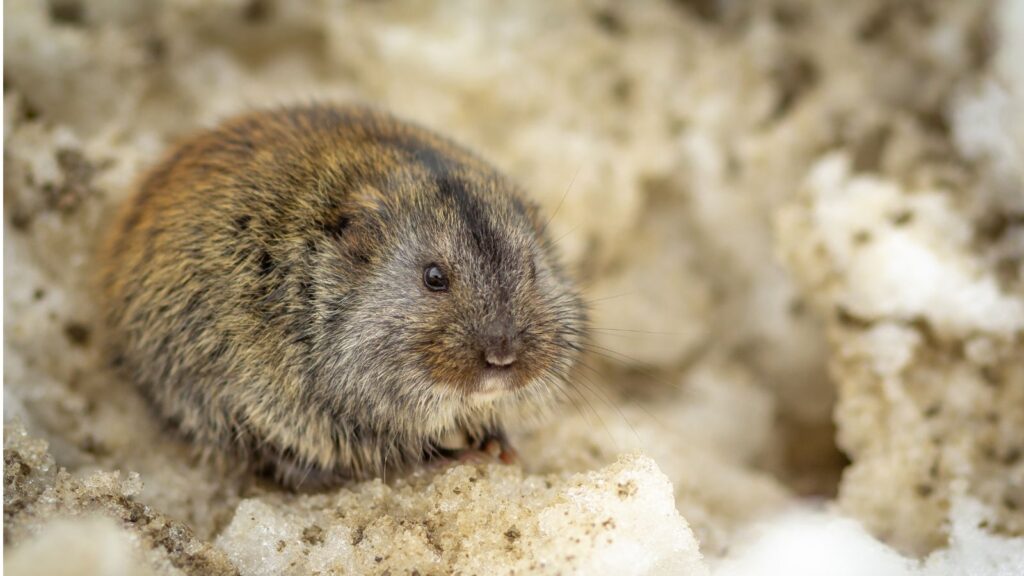
Identify Vole Activity
Before taking action, make sure voles are actually responsible for the damage. Their activity can sometimes be confused with damage from mice, rabbits, moles, or other garden visitors.
Look for shallow surface runways, small openings near the soil, clipped vegetation, gnawed roots, or bark that has been chewed around the base of a tree or shrub.
Voles often leave narrow paths through grass and vegetation. Once you know what their activity looks like, it’s much easier to figure out where they are spending time and where protection is needed most.
Related: 15 Simple Cleaning Tricks for a Spotless Space
Keep Your Garden Tidy
Tall grass, weeds, piles of leaves, and thick ground cover give voles plenty of places to hide. A garden with lots of dense vegetation can provide both shelter and easy access to food.
Keep grass trimmed around planting beds and clear away piles of debris. Remove fallen fruit and vegetables rather than letting them sit on the ground.
You don’t need a perfectly bare yard. Just reducing the amount of cover around vulnerable areas can make the property less attractive to voles.
Install Physical Barriers
Physical barriers are one of the more dependable ways to protect individual plants. Hardware cloth with small openings can be placed around the base of young trees, shrubs, and other plants that voles tend to chew.
For underground protection, part of the barrier needs to extend below the soil surface. A barrier that only sits above ground can leave an easy path underneath.
This method takes some work during installation, but once it’s in place, it can provide long-term protection for plants that would otherwise be easy targets.
Related: 16 Easy Tricks to Keep Your Houseplants Healthy and Thriving
Use Raised Beds
Raised beds can make gardening easier in several ways, and they can also make it harder for voles to reach your plants.
For extra protection, install hardware cloth beneath the bed before filling it with soil. The mesh should cover the bottom completely and extend up the sides enough to prevent rodents from finding gaps.
This can be especially useful for vegetable gardens where protecting root crops and young plants is a priority.
Try Natural Repellents
Some gardeners use strong-smelling materials to make areas less appealing to voles. Castor oil, garlic-based products, and hot pepper sprays are among the options commonly used as repellents.
Results can vary, and these products usually need to be reapplied after heavy rain. A homemade spray may also affect plants if it is too concentrated, so follow the instructions for any commercial product and test homemade mixtures on a small area first.
Repellents work best as one part of a larger plan rather than as the only line of defense.
Set Traps Carefully
Trapping can help when vole activity is concentrated in a small area. Snap traps or other traps approved for vole control can be positioned near active runways or burrow entrances.
Bait such as peanut butter or small pieces of apple may attract voles, though placement is often more important than the bait itself.
Check local regulations before trapping wildlife, and use traps according to the manufacturer’s directions. Keep them away from children and pets, and avoid placing them where other animals could accidentally get caught.
Related: 15 Home Organization Tricks That Make Clutter Easier to Manage
Keep Mulch Away From Plant Bases
Mulch is great for retaining soil moisture and reducing weeds, but a thick layer right against a plant can also provide cover for voles.
Leave some space between mulch and the trunks or stems of vulnerable plants. In areas with heavy vole activity, gravel or another less inviting ground cover may be a better choice around the base of trees and shrubs.
You don’t have to stop mulching altogether. The goal is to avoid creating a sheltered tunnel right next to the plants you’re trying to protect.
Water Carefully
Voles often spend time in areas with plenty of vegetation and suitable soil conditions. Overwatering can also create conditions that encourage a variety of unwanted garden activity.
Water plants according to their needs rather than keeping the soil constantly wet. Deep, appropriate watering can also encourage many plants to develop stronger root systems.
If a section of the garden stays unusually damp, check for drainage problems instead of simply adding more water.
Be Skeptical of Ultrasonic Devices
Ultrasonic vole repellents are widely sold for yards and gardens, but results can be inconsistent. Some gardeners report seeing fewer rodents after installing them, while others notice little difference.
If you decide to try one, place it near areas where you have confirmed vole activity and follow the manufacturer’s instructions.
Think of ultrasonic devices as a possible extra measure rather than a guaranteed fix. Physical barriers, habitat changes, and other forms of control tend to be more dependable.
Related: 17 Home Organization Tricks That Can Make Your Space Feel Better
Create a Digging Barrier
Voles are small enough to move through surprisingly narrow spaces, and they can travel beneath garden edges to reach plants.
Hardware cloth can be buried around the perimeter of vulnerable garden beds to make digging underneath more difficult. Small gravel can also be used around certain areas where you want to discourage burrowing.
Pay attention to gaps around fences, raised beds, sheds, and other structures. A barrier only works if there isn’t an easy opening nearby.
Rotate Vegetable Crops
Crop rotation is better known as a way to manage soil health and certain plant pests, but changing the location of crops can also make it harder for voles to rely on the same food sources year after year.
Move crops around the garden instead of planting the same vegetables in the same beds every season. This won’t eliminate a vole population by itself, but it can be part of a broader garden management plan.
It also gives you a chance to inspect different areas of the garden and spot signs of rodent activity early.
Encourage Natural Predators
Voles are food for plenty of predators. Owls, hawks, kestrels, snakes, foxes, and other animals can all help keep rodent populations in check.
According to Hoorman Soil Health, voles are prey for a wide range of predators.
Providing suitable perches for birds of prey can make your property more useful to natural hunters. Avoid disturbing snakes or other harmless predators that already live in the area simply because they aren’t familiar visitors.
A healthy yard usually has more than just plants and pollinators. Predators are part of that larger food chain.
Plant Vole-Resistant Vegetation
No plant is completely vole-proof, particularly when food is scarce, but some plants tend to be less appealing to them.
Daffodils, alliums, and crown imperials are among the plants listed as vole-resistant.
Adding less appealing plants around vulnerable areas can give your garden another layer of protection. Just keep in mind that a plant being described as vole-resistant doesn’t mean a hungry vole will never eat it.
Remove Easy Food Sources
A garden full of fallen fruit, spilled birdseed, vegetables left in the beds, and other food scraps is basically an open invitation to rodents.
Research published in the Journal of Mammalogy has examined vole food preferences and habitat use.
Pick ripe produce regularly and clean up fallen fruit. Store birdseed in secure containers and sweep up spilled seed beneath feeders.
The less free food available, the less reason there is for voles to keep returning to the same spot.
Get Professional Help When Needed
A small amount of vole activity may be manageable with barriers, cleanup, and other changes around the garden. A large or persistent infestation can be much harder to handle.
If plants continue to suffer despite your efforts, a licensed pest-control professional can inspect the property and help identify where the voles are coming from.
Professional help can also be useful when you aren’t sure which animal is causing the damage. Correct identification matters because the best control method for voles isn’t necessarily the right choice for every garden pest.
Voles are part of the ecosystem, but that doesn’t mean you have to let them chew through your favorite plants. A combination of good garden maintenance, physical protection, fewer food sources, and sensible pest control can go a long way toward keeping their numbers manageable.