Growing up in the 1960s and 1970s meant playing with toys that sparked creativity, encouraged adventure, and, in some cases, came with more danger than anyone realized at the time. Safety standards were far less strict than they are today, so many products reached store shelves with risks that would never be accepted now.
Looking back, it’s surprising how many childhood favorites involved open flames, toxic chemicals, sharp metal parts, or the chance of serious injury. They may bring back fond memories, but they also show just how much toy safety has changed over the years.
Here are 13 toys from the ’60s and ’70s that probably wouldn’t make it onto today’s shelves without major redesigns.
Chemistry Sets
Chemistry sets once gave young scientists access to experiments that would make modern parents nervous. Many kits included real chemicals, glass test tubes, burners, and detailed instructions that encouraged children to mix substances on their own.
Some older sets even contained small samples of radioactive materials, including uranium ore. Today’s science kits still encourage experimentation, but they’re built around safer ingredients and much closer adult supervision.
Lawn Darts
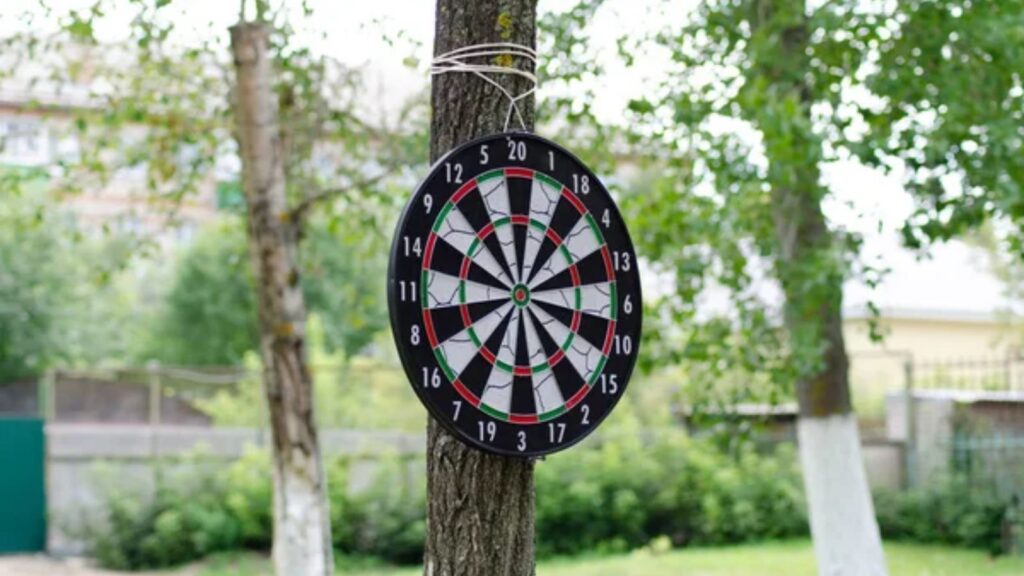
Lawn darts, often sold under the name Jarts, looked like oversized darts with heavy metal tips. Players tossed them toward plastic rings placed on the ground.
The problem was obvious in hindsight. Those pointed metal darts could cause devastating injuries if they struck someone instead of the target. After numerous accidents, including several deaths, lawn darts were banned for consumer sale in the United States in 1988.
Clackers
Clackers were one of the biggest toy crazes of the early 1970s. Two hard acrylic balls were attached to a string, and kids swung them up and down until they repeatedly struck each other.
The excitement didn’t last long. The acrylic balls sometimes shattered during use, sending sharp plastic fragments flying. Many schools banned them before manufacturers eventually removed them from stores.
Creepy Crawlers
Creepy Crawlers let kids create colorful rubber insects by pouring liquid Plastigoop into metal molds.
The molds sat on a hot plate that reached temperatures around 300 degrees. Between the exposed heating element and the fumes produced during cooking, the toy carried far more risk than most parents realized. Modern versions use much safer heating systems and materials.
Mini Hammocks
Small indoor hammocks became popular because they looked like fun places to read or relax.
Sadly, the design had a dangerous flaw. Without spreader bars to keep the fabric open, the hammock could twist around a child’s neck. Several fatal accidents led the U.S. Consumer Product Safety Commission to recall many of these products during the 1990s.
Water Wiggle
The Water Wiggle turned an ordinary garden hose into an unpredictable sprinkler that whipped around the yard while spraying water in every direction.
That unpredictable movement was also what made it dangerous. Children could be struck in the face or head, causing serious injuries. After the death of a four-year-old child in 1978, Wham-O recalled the toy.
Easy-Bake Oven
The original Easy-Bake Oven gave children the chance to bake miniature cakes and cookies using the heat from a standard incandescent light bulb.
While the concept was a hit, the ovens became hot enough to cause burns if children touched the wrong surfaces. Later models were redesigned with safer heating systems and added protections around the cooking chamber.
Slip ‘N Slide
Few backyard toys say “summer” like the Slip ‘N Slide.
Early versions were marketed to children of many ages, though older kids and adults sometimes suffered serious neck and spinal injuries after hitting the ground too hard or stopping suddenly. Today’s packaging includes age and weight recommendations, along with stronger safety warnings.
BB Guns
For many kids growing up decades ago, receiving a BB gun felt like a rite of passage.
While they were often treated as toys, BB guns can cause severe injuries, particularly to the eyes. Modern safety campaigns stress adult supervision, protective eyewear, and responsible handling whenever they’re used.
Lead Soldier Molds
Making toy soldiers at home once meant melting real lead and pouring it into molds.
Children faced obvious burn risks from the molten metal, while repeated exposure to lead created another serious health concern. Toy kits today use plastic, resin, or other materials that eliminate those dangers.
Super Elastic Bubble Plastic
This colorful toy let children squeeze out a sticky plastic mixture, blow it into bubbles with a small straw, and peel the bubbles away after they hardened.
The mixture contained chemicals that produced strong fumes, and inhaling them wasn’t considered safe. As awareness of those health concerns grew, the product gradually disappeared from toy shelves.
Toy Guns
Many toy guns sold during the 1960s and 1970s looked almost identical to real firearms.
That realism eventually became a serious concern after several tragic incidents involving law enforcement officers mistaking toy guns for actual weapons. Federal rules now require bright orange tips or other markings that clearly identify them as toys.
Trampolines
Backyard trampolines have been entertaining families for generations, though the earliest versions offered very little protection.
Many lacked safety pads over the springs, protective netting, or sturdy frames. Falls and collisions led to countless injuries. Modern trampolines include enclosures, thicker padding, and stronger construction that make them much safer than the originals.
These vintage toys remain a memorable part of childhood for many people, but they’re also reminders that fun and safety didn’t always go hand in hand. As standards improved, manufacturers found ways to keep the excitement while reducing many of the risks that earlier generations simply accepted as part of play.