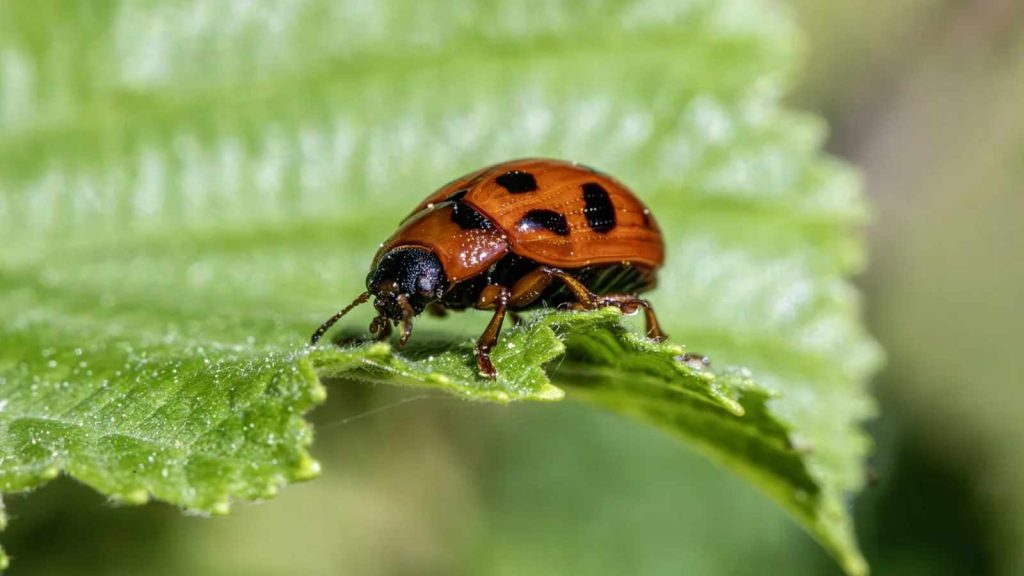
Releasing animals, especially pets, into the wild may seem the humane thing to do, but there are serious repercussions involved. Freeing captive animals might be grounded in good intentions, hoping to help the animal; however, most of the time, it harms both the animal and the ecosystem where it is supposed to live.
A study published in Biological Conservation reviewed 45 case studies involving 17 carnivore species and found that only 30 percent of captive animals released survived.
More than half the deaths were caused by humans, with shootings and car accidents leading the causes. Reintroduced animals also faced a higher risk of disease and starvation than their wild counterparts. Read on for 20 animals that should never be released into the wild.
Cats

Domestic cats are among the most destructive species to local wildlife. Research from the American Bird Conservancy highlights that cats kill between 1.4 and 3.7 billion birds and 6.9 and 20.7 billion mammals yearly.
These predators are highly efficient hunters and introduce diseases like toxoplasmosis that can spread among native wildlife. Cats often decimate local populations when released into the wild, threatening biodiversity. The spread of non-native diseases by cats can be difficult to control and poses a severe risk to ecosystem balance.
Dogs

Upon release into the wild, dogs can disrupt local ecosystems. The National Park Service says that feral dogs greatly threaten native species due to hunting and resource competition. They also spread diseases such as rabies to wildlife and humans.
Dogs are opportunistic feeders, and they can quickly become a menace to the most vulnerable species of small mammals and birds. For example, an estimated 80 wild species in India suffer frequent attacks by domestic/feral dogs, nearly half of which are threatened.
Goldfish

Though harmless as pets, goldfish can wreak havoc when released into the wild. According to research by the California Department of Fish and Wildlife, goldfish outcompete native fish for food and habitat, reducing biodiversity.
Pet goldfish can grow up to 16 inches in the wild and are an invasive species in the Great Lakes. They can alter aquatic ecosystems by uprooting vegetation and contributing to degraded water quality.
Turtles

Non-native turtles pose serious risks to the local ecosystem by facilitating diseases and competition for resources with native species. The U.S. Fish and Wildlife Service warns that releasing pet turtles can spread harmful pathogens such as salmonella and other parasites.
Besides, non-native turtles may not have natural predators in their new environment, which allows them to increase and become invasive. These turtles often compete for the same food and habitats that native species rely on, eventually driving native turtles to extinction.
Rabbits

Once in the wild, it only takes a short while before the rabbit becomes invasive and highly ecologically damaging. Australian Government Department of Agriculture, Water, and the Environment says that rabbits are infamously prolific breeders due to their ability to become overpopulated. They destroy vegetation, leading to soil erosion and loss of plant life that other native species rely on.
They also compete with native animals for food sources, usually at the latter’s disadvantage because of the rabbits’ higher reproduction rates and larger populations. When their populations are introduced, rabbits can bring about long-term environmental changes.
Parrots

While parrots are colorful and charming as pets, their release can have particularly devastating effects on local bird populations. According to BirdLife International, non-native parrots may disrupt the composition of local bird assemblages, mainly by competing for nesting sites and food.
They are a threat of spreading diseases like avian influenza and psittacosis, which could affect native species. Parrots can often flourish in various environments, making them hard to eradicate once established. They can cause local bird populations to decline, especially those already on the brink of extinction.
Ferrets

Although cute and playful, ferrets are natural predators and can be destructive if released into the wild. They can compete with native species for food and territory. Being carnivores, they have the potential to hunt and disrupt the populations of small mammals, birds, and other wildlife.
Centers for Disease Control and Prevention points out that released ferrets pose a risk of spreading diseases like rabies, which can further harm native species. Their adaptability and hunting instincts make them a dangerous addition to ecosystems without natural predators.
Pythons

The introduction of Burmese pythons to Florida has become a well-known example of how releasing non-native snakes can disrupt local ecosystems. According to the National Park Service, giant constrictors have significantly reduced the population of small mammals and birds in the Everglades.
As apex predators, pythons have no natural predators in Florida to create a balance; thus, the population grows without check. This makes them highly threatening, from taking rodents to deer. This has caused the python population to spread over wide areas, creating a huge problem for wildlife management.
Iguanas

If released into the wild, iguanas, particularly those introduced to areas outside of their native range, can become pests. The Florida Fish and Wildlife Conservation Commission notes that non-native iguanas can damage local plants and compete with native reptiles for food and territory.
Their ability to breed quickly and their large size make them particularly invasive. Iguanas can uproot vegetation, leading to further ecological imbalances. They also contribute to the spread of parasites and diseases that can affect native wildlife.
Hamsters

Like many small pets, hamsters can disrupt local ecologies when released into the wild. According to the Animal Welfare Institute, these rodents can become invasive, competing with native species for food and shelter.
Hamsters are especially easy targets for predators in the wild but can build populations when they survive, which stresses local resources. Another risk is that they could import diseases that might affect wild rodent populations. They could generally alter the natural ecosystem dynamics, particularly in areas where these animals are not native.
Chinchillas

Small, soft chinchillas are unlikely to survive in the wild or adapt to unfamiliar places. The International Union for Conservation of Nature warns of possible invasions by released pets outcompeting native species.
Chinchillas are herbivorous and would disturb plant communities because of their feeding habits; such a disturbance could only ensure other aspects of ecological instability. Besides, their high reproduction rates render them capable of building substantial populations in a short period.
Sugar Gliders

Sugar gliders are small marsupials native to Australia that can be dangerous when introduced to non-native habitats. The Australian Broadcasting Corporation explains that these animals can compete with local species for food and shelter, thus resulting in the decline of native populations.
Sugar gliders are social animals and live in colonies, which is one of the main reasons they can establish themselves very quickly in new environments. They are also capable of carrying diseases that can spread to native species.
Koi Fish

Koi fish are a popular ornamental species but can cause significant ecological problems if released into local waterways. According to the California Department of Fish and Wildlife, Koi may outcompete native fish species for food and space.
Koi can uproot plants and alter water quality, which can disrupt aquatic ecosystems. Their size and adaptability to different water conditions contribute to their success as an invasive species. Koi may also interbreed with native fish, further complicating the task of preserving native biodiversity.
Snakes

The U.S. Fish and Wildlife Service says that many species of snakes introduced into new environments disrupt local food chains by preying on native species or outcompeting them for food. They may also introduce diseases that harm local wildlife populations.
Non-native snakes are often hard to control since they have few natural predators and can easily establish themselves in new habitats. Their presence has collapsed sensitive ecosystems, especially in areas where native snakes are already under threat.
Raccoons

When introduced into new environments, raccoons can be a great problem for native wildlife. According to the National Institutes of Health, raccoons can transmit diseases such as rabies, leptospirosis, and canine distemper to wild animals and humans.
They are opportunistic feeders that can outcompete native species for food. Raccoons have been known to prey on smaller animals, further threatening biodiversity. Their ability to adapt to urban and rural environments makes them a particularly troublesome invasive species.
Squirrels

Despite their apparent omnipresence in urban environments, squirrels often have unintended adverse impacts on the local ecology. The Conservation Evidence says non-native squirrels compete with native animals for food and habitat.
As aggressive competitors, squirrels often force native rodents out of their nests and decrease population levels. Their presence in non-native areas can cause long-term environmental changes, especially in already-pressured ecosystems. Squirrels carry diseases such as Lyme disease and parasites that can affect other wildlife.
Capybaras

Capybaras are large rodents native to South America. Their introduction into new environments causes ecological instability. The International Union for Conservation of Nature notes that capybara can impact local ecosystems by competing against native species for resources.
Natural herbivores ‘ chewing can damage vegetation, thus changing the landscape and further disrupting local habitats. In most cases where capybaras have been introduced, their large size and social nature enable the establishment of large, invasive populations.
Frogs

If released into the wild, non-native frogs can cause ecological disruptions. The U.S. Fish and Wildlife Service points out that most species of non-native frogs are infected with diseases like chytridiomycosis, which can decimate native amphibian populations.
These invasive frogs also compete with native amphibians for food and breeding sites. The introduction of non-native frog species can lead to a decline in biodiversity, especially in ecosystems where native frogs are already declining.
Hedgehogs

According to the Global Invasive Species Database, hedgehogs introduced onto islands, such as New Zealand and Scottish islands, have brought local insect, reptile, and bird native populations into steep decline.
Hedgehogs are opportunistic feeders, consuming the eggs of ground-nesting birds and consequently reducing bird reproduction rates. Their burrowing behavior tends to disrupt soil composition and alters the conditions under which native plants would thrive.
Tropical Fish

Most tropical fish, if released into local waterways, can become invasive and cause imbalances in aquatic ecosystems. The Florida Fish and Wildlife Conservation Commission says tropical fish compete with native fish for food and space, creating ecological imbalances.
Tropical fish can also change water quality to the detriment of other aquatic species. Certain species may breed fast and form big populations, outcompeting native fishes. Their introduction can lead to the extinction of vulnerable species in already sensitive habitats.
Disclaimer: This list is solely the author’s opinion based on research and publicly available information.
Affordable Home Entertainment: 11 Must-Have Finds For Enhancing Your Family Movie Nights

Affordable Home Entertainment: 11 Must-Have Finds For Enhancing Your Family Movie Nights
How to Clean Your Smoker Grill Combo Like a Pro