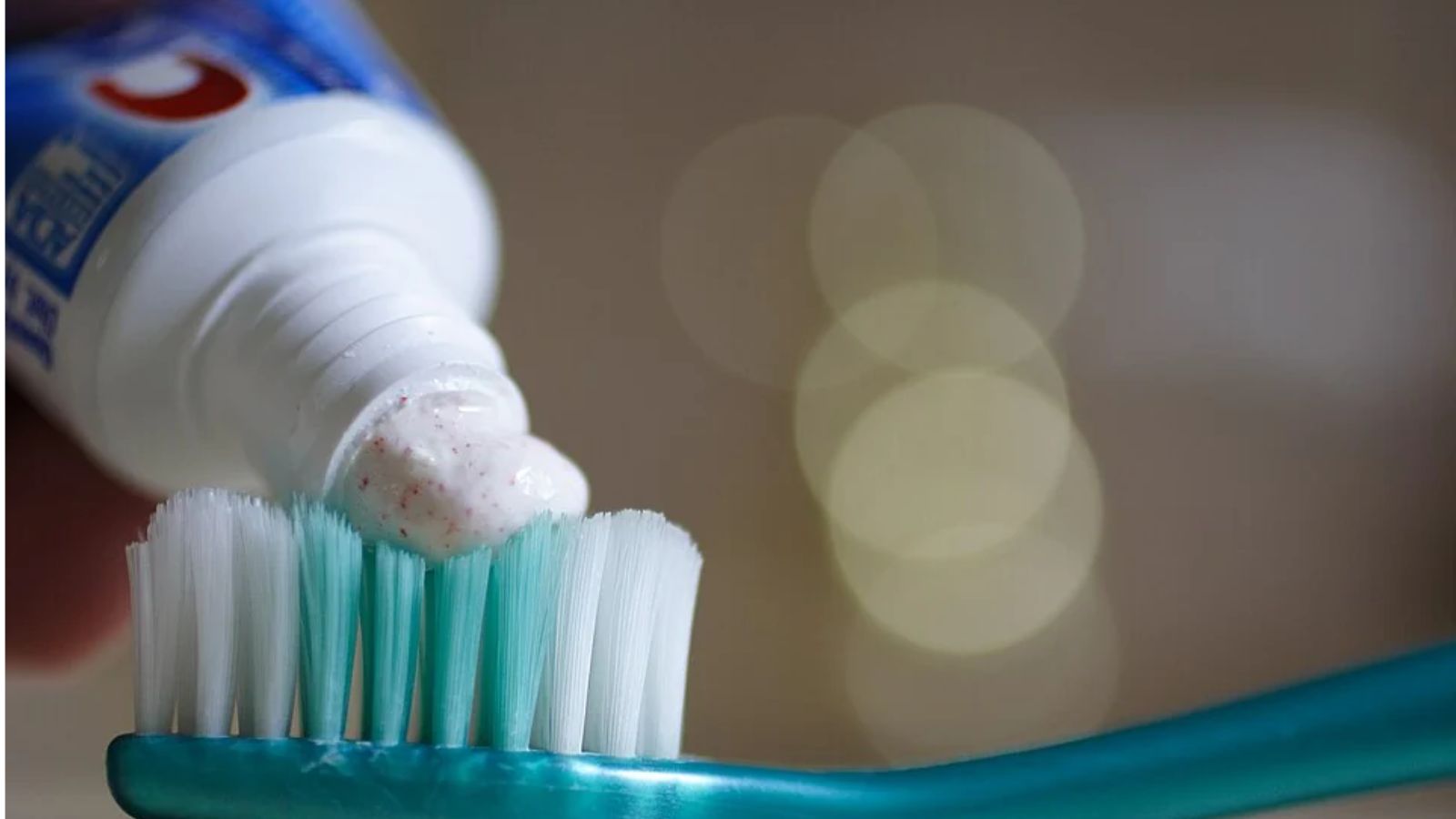
Most people keep toothpaste in the bathroom and use it for one thing: brushing their teeth. Once it’s squeezed onto a toothbrush, the tube usually goes right back into the cabinet until the next morning or evening.
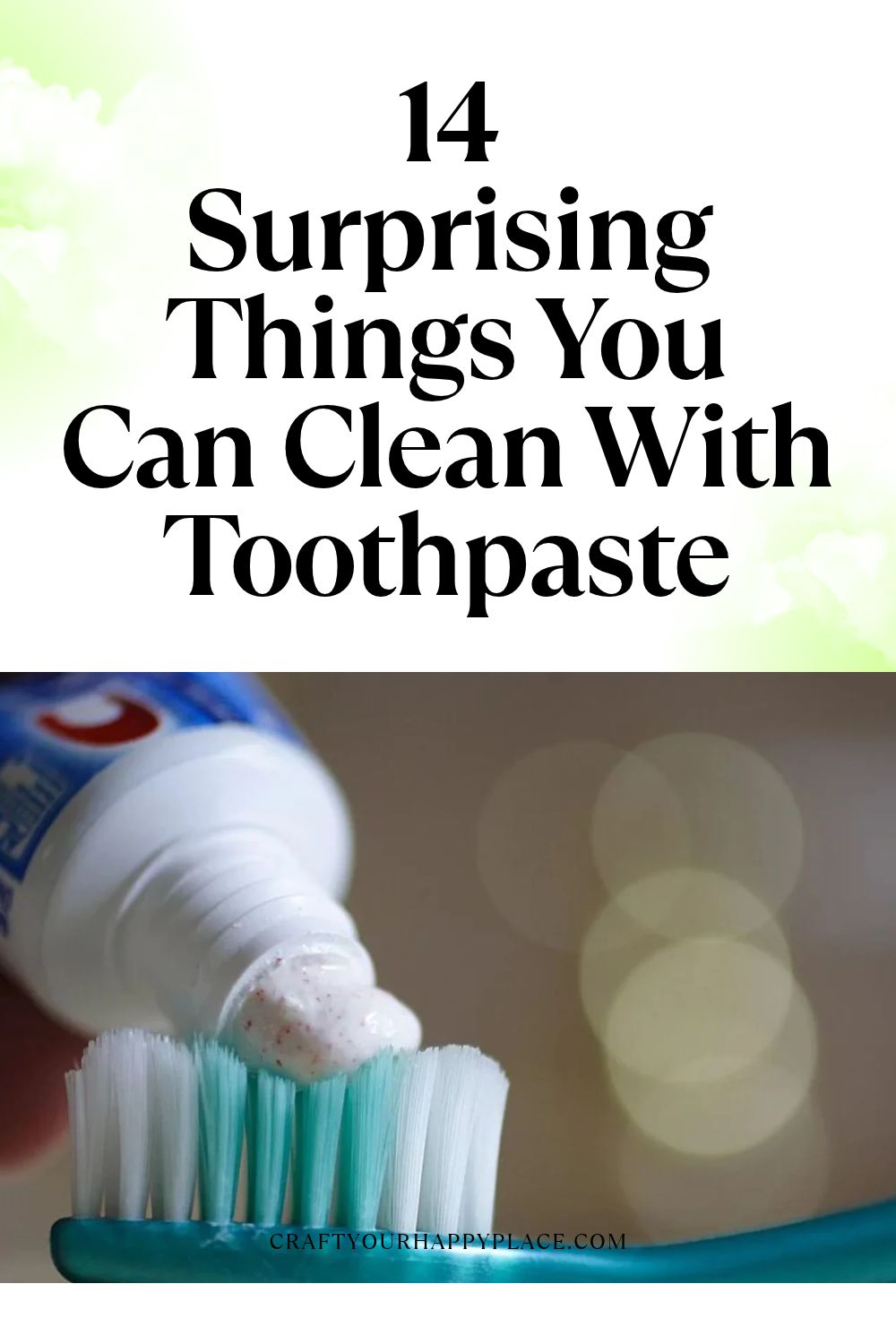
But toothpaste has a few uses outside your usual dental routine. Certain types can help clean marks, remove light stains, and polish some household surfaces.
Before reaching for that tube, check the ingredients and the surface you’re working on. White, non-gel toothpaste is often used for household cleaning, but its mild abrasives can scratch delicate finishes, so test a small hidden spot first.
Here are 14 ways toothpaste may come in handy around the house.
Fill Small Nail Holes
White toothpaste can serve as a temporary filler for tiny nail holes in a wall. Press a little into the hole, smooth the surface, and let it dry before sanding and painting; for a lasting repair, use proper wall filler.
Clean Sneakers
White toothpaste can help remove dirt and light scuffs from white rubber sneaker soles. Scrub gently with an old toothbrush, wipe away the residue with a damp cloth, and let the shoes dry.
Remove Stubborn Water Stains on Glass
Hard water deposits can leave shower doors and glass tabletops looking cloudy. A small amount of non-gel toothpaste may help with light marks, but rub gently with a soft cloth and rinse thoroughly to avoid scratching the glass.
Polish Jewelry
Toothpaste is sometimes used to clean plain metal jewelry, but its abrasives can scratch softer metals and damage certain finishes. Skip it on pearls, gemstones, plated pieces, and delicate jewelry, and use a cleaner made for the specific material instead.
Brighten Grout
A little toothpaste and an old toothbrush may help scrub small dirty spots along grout lines. Test it in an inconspicuous area first, since toothpaste residue can be difficult to rinse from porous grout.
Remove Ink Stains from Fabric
Toothpaste isn’t a reliable fix for ink stains, and some formulas may leave a residue or make the mark harder to remove. Check the fabric care label and use a stain remover made for ink, testing it on a hidden area first.
Clean an Iron Soleplate
If your iron has residue on its bottom, toothpaste may seem like an easy cleaning option, but its abrasives can damage the soleplate’s coating. Unplug the iron, let it cool completely, and follow the manufacturer’s cleaning instructions instead.
Related: The Death of the Iron: Why So Many People Have Stopped Ironing Their Clothes
Remove Scuff Marks from Floors
Toothpaste may help with light scuffs on some durable vinyl or tile surfaces. Test a hidden spot first and wipe away all residue, since abrasive formulas can dull certain floor finishes.
Polish Chrome Fixtures
A small amount of non-gel toothpaste may help remove light marks from chrome faucets and fixtures. Rub gently with a soft cloth, rinse thoroughly, and dry with a clean towel to prevent leftover residue.
Lift Small Carpet Stains
Toothpaste isn’t a good choice for carpet cleaning because it can leave a white residue that’s difficult to remove from the fibers. Use a carpet cleaner suited to the stain type and follow the product instructions instead.
Soothe Insect Bites
Some people apply toothpaste to itchy insect bites for a temporary cooling sensation, especially if the formula contains menthol. It isn’t a proven bite treatment, and ingredients may irritate the skin, so a cool compress or an approved anti-itch product is a safer choice.
Remove Nail Polish Smudges
Toothpaste may help loosen a small nail polish mark on certain hard, nonporous surfaces. Test it first, rub gently with a soft cloth, and avoid using it on painted or delicate finishes.
Clean Piano Keys
Toothpaste can scratch piano keys and leave residue in the spaces between them. Use a soft, slightly damp cloth and follow the piano manufacturer’s cleaning instructions, especially for older instruments with ivory keys.
Clean Smartphone Screens (With Caution)
Never use toothpaste on smartphone screens because its abrasive ingredients can damage the protective coating. Use a clean microfiber cloth and a screen-safe cleaning product approved by your device manufacturer.
Other posts you might like:
- Banana Peels Might Be the Most Underrated Natural Boost for Your Garden
- I Stopped Using Dryer Sheets in the Dryer—Here’s Where I Use Them Instead
- Stop Throwing Away Orange Peels — Some Call Them Trash, Others Call Them Kitchen Gold
- Simple DIY Fixes for the Most Annoying Problems Around the House
- 14 Practical Uses for Windex