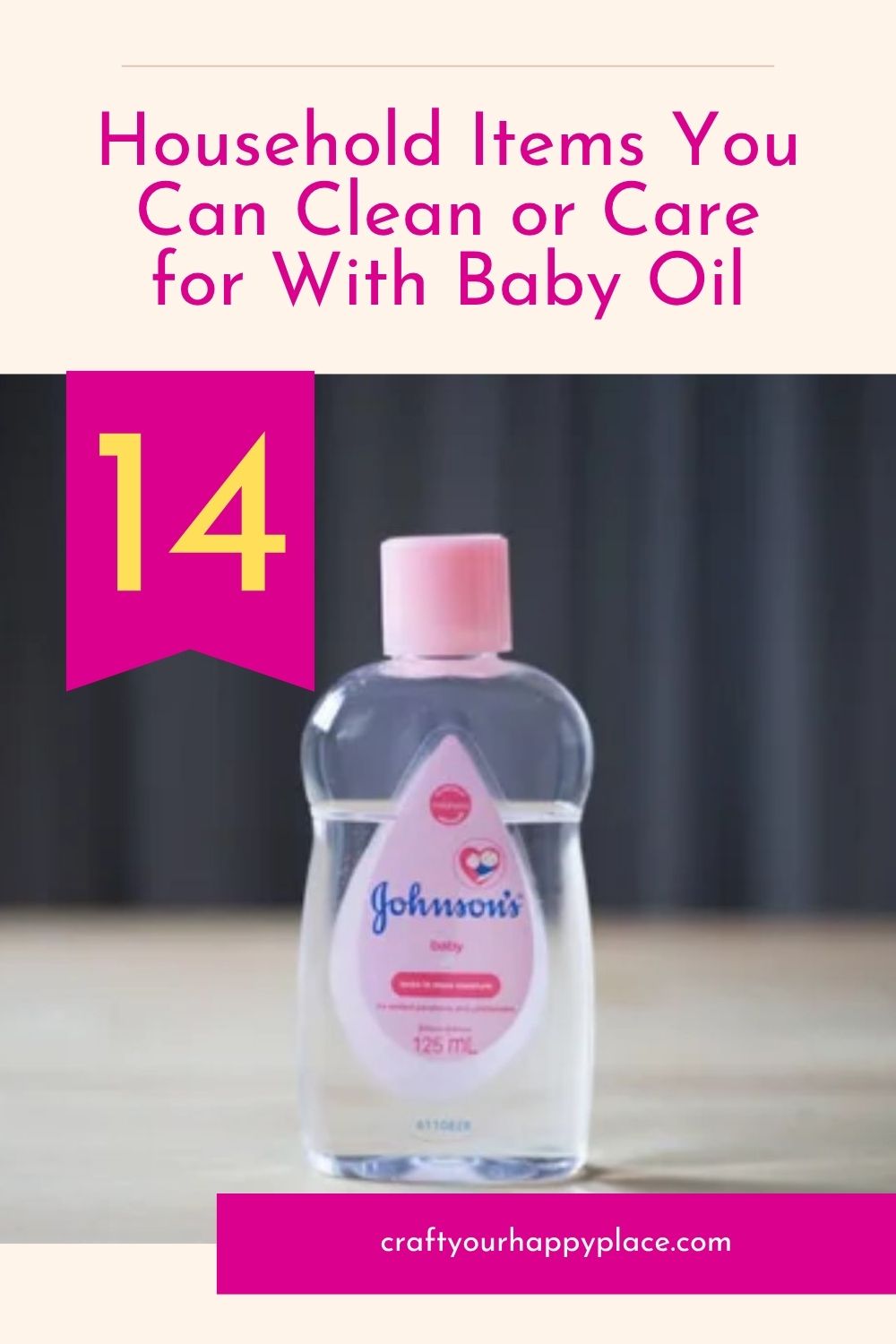
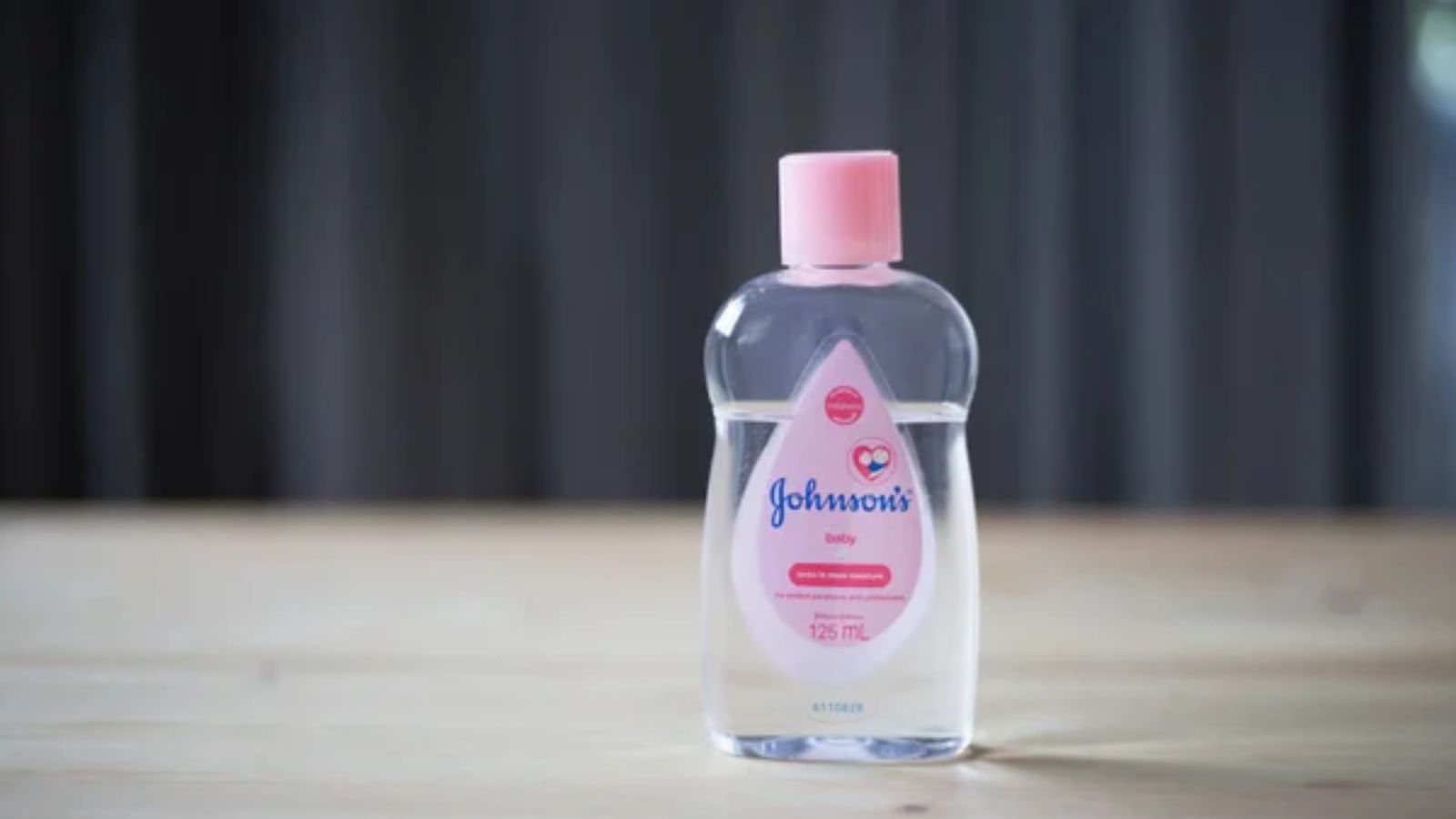
Baby oil is one of those products that can get pushed to the back of the bathroom cabinet and forgotten about. If you still have a bottle sitting around, though, it may come in handy for more than moisturizing skin.
Baby oil is usually made with mineral oil, which can help loosen sticky residue, add a little shine, and lubricate certain household items. Here are 14 practical uses worth knowing about, along with a few reminders about where to be careful.
Quiet a Squeaky Door Hinge
A squeaky door can be irritating, especially when it squeaks every time someone walks through the room. A drop of baby oil may offer temporary relief, but a proper household lubricant is a better long-term choice because cooking and mineral oils can attract dust.
Make Stainless Steel Shine Again
Fingerprints and smudges seem to show up on stainless steel appliances just after you’ve cleaned them. Wipe the surface with a suitable cleaner first, then use a tiny amount of baby oil on a soft cloth to buff compatible stainless steel in the direction of the grain.
Polish Chrome Fixtures
Chrome faucets and fixtures can lose their shine as water spots and fingerprints build up. After cleaning and drying the surface, rub on a tiny amount of baby oil with a soft cloth and buff away any excess so the fixture doesn’t feel greasy.
Remove Paint From Your Hands
A little paint on your hands is almost inevitable during a home improvement project. Baby oil may help loosen some oil-based paint, but check the paint label for cleanup instructions and wash your skin thoroughly with soap and water afterward.
Get Grease Off Your Hands
Working on a car, bicycle, or greasy household project can leave your hands covered in grime. A small amount of baby oil may loosen some oily residue before washing, but a hand cleaner made for grease is a better option for heavy messes.
Remove a Stubborn Bandage
Taking off a bandage can be uncomfortable when the adhesive sticks to your skin or catches on body hair. If the wound has already healed, a little baby oil around the adhesive edges may help loosen the sticky backing, but keep oil away from open wounds and irritated skin.
Get Rid of Sticker Residue
Peeling off a price tag only to find a stubborn patch of glue underneath is frustrating. Dab a little baby oil onto the residue, let it sit for a few minutes, then wipe it away and wash the surface; test first because oil can stain some materials.
Unstick a Stubborn Zipper
A stuck zipper can make a favorite jacket or bag difficult to use, but forcing it can damage the teeth or pull. Try cleaning the zipper first, then use a zipper-safe lubricant if needed, since baby oil can stain nearby fabric.
Get Gum Out of Hair
Gum tangled in someone’s hair can look like a disaster, but cutting it out isn’t always necessary. Work a little baby oil into the affected strands, gently separate the gum with your fingers or a wide-tooth comb, then shampoo the hair to remove the oily residue.
Related: Surprising Uses for Hairspray That Have Nothing to Do With Hair
Loosen a Ring That’s Stuck on Your Finger
A ring that suddenly won’t slide off can be uncomfortable, especially on a hot day when your fingers are swollen. A little baby oil may help it move, but don’t force it, and seek medical help if your finger becomes painful, numb, discolored, or very swollen.
Get Sticky Labels Off Glass Jars
Saving glass jars for pantry storage or craft supplies is easier when you can remove the labels without leaving glue behind. Peel off as much paper as possible, rub baby oil over the remaining adhesive, then wash the jar thoroughly with dish soap before reusing it.
Help a Sticky Wooden Drawer Slide
Older wooden drawers sometimes stick because the wood rubs against the frame as you pull them open. A suitable wax lubricant is usually a better choice than baby oil, which can darken wood or leave marks on the finish.
Give Some Leather Items a Quick Refresh
A little oil might seem like an easy way to bring dry-looking leather back to life, but baby oil can leave greasy patches or permanently darken certain finishes. Use a leather conditioner made for your item instead, and check the manufacturer’s care instructions before applying any product.
Remove Crayon From Some Hard Surfaces
Crayon marks on a smooth, nonporous surface may loosen with a little baby oil. Apply a small amount to a cloth, gently rub the mark, and wash away the oily residue afterward; test a hidden spot first and avoid using it on painted walls or porous materials.