Hydrogen peroxide is one of those inexpensive products many people already have tucked away in their medicine cabinets. Most know it for cleaning minor cuts and scrapes, but the familiar bottle has a few other uses around the house, particularly for certain cleaning jobs.
From tackling grout stains to freshening up laundry, hydrogen peroxide can come in handy for more than basic first aid. Here are 12 household uses worth knowing about.
1. Clean Tile Grout
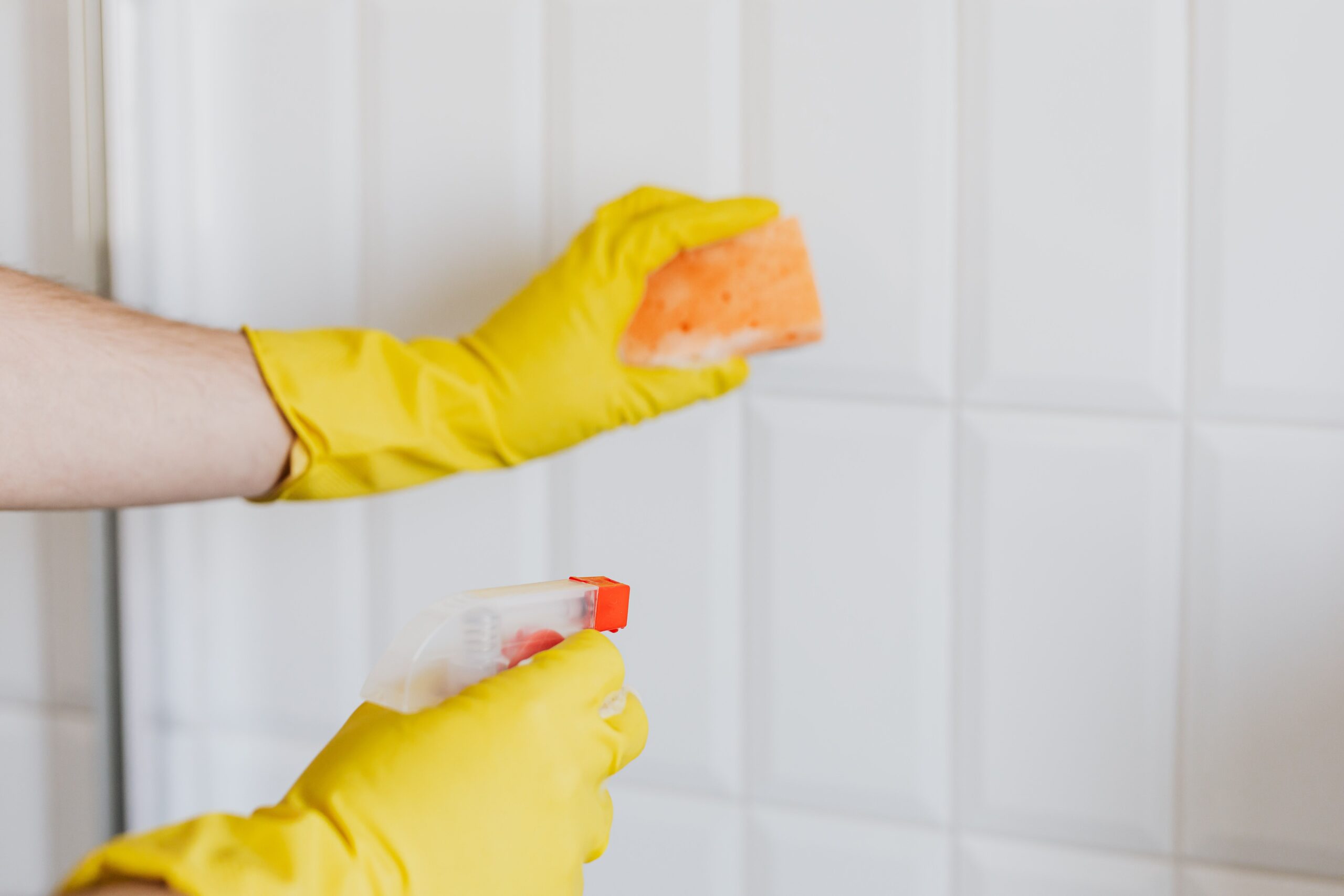
Grout lines between tiles can collect dirt, soap residue, and stains that make an otherwise clean floor look dingy. Apply a little 3% hydrogen peroxide to the affected areas, let it sit briefly, then scrub with a small brush and wipe away the residue.
Test it on an inconspicuous spot first, particularly if your grout or tiles are colored or delicate. Avoid mixing hydrogen peroxide with other cleaning products.
2. Treat Small Areas of Mold
Hydrogen peroxide can help clean some small areas of mold on suitable hard surfaces. Spray 3% hydrogen peroxide onto the affected area, allow it to sit for about 10 minutes, then scrub and wipe the surface clean.
Wear gloves and keep the room ventilated while cleaning. For extensive mold growth, recurring moisture problems, or mold on porous materials, address the source of the moisture and consider professional remediation rather than relying on a spray bottle.
3. Freshen Up Your Toilet Bowl
Toilet bowls can develop stains and buildup even with regular cleaning. Pour a small amount of 3% hydrogen peroxide into the bowl, let it sit for several minutes, scrub with a toilet brush, and flush.
It’s a handy option for light cleaning between deeper bathroom cleanings. Never combine it with bleach, toilet bowl cleaners, or other chemical products.
4. Clean Mirrors
Fingerprints, toothpaste splashes, and water spots can leave bathroom mirrors looking messy. A little hydrogen peroxide on a microfiber cloth can help clean the glass and remove everyday smudges.
Wipe the surface with a clean, dry cloth afterward to prevent streaks. Test first if the mirror has a special coating or decorative finish.
5. Clean Dish Sponges
Dish sponges pick up food particles, grease, and moisture throughout the day, making them a breeding ground for bacteria. Soaking a sponge in 3% hydrogen peroxide may help reduce some microorganisms, but it shouldn’t be treated as a guaranteed way to sanitize it.
Rinse the sponge thoroughly afterward and allow it to dry between uses. Replace sponges regularly, especially when they start to smell unpleasant or show signs of wear.
6. Clean Cutting Boards
Cutting boards can hold onto food stains and odors after preparing meals. After washing the board with dish soap and water, you can apply 3% hydrogen peroxide to a suitable nonporous surface, allow brief contact, and rinse thoroughly with clean water.
Never mix it with vinegar or other cleaners. For wooden cutting boards, follow the manufacturer’s cleaning instructions and avoid leaving the surface soaking wet.
7. Remove Certain Household Stains
Hydrogen peroxide can help lift some stains, particularly on washable white fabrics. Apply a small amount of 3% solution to the affected area, let it sit briefly, and blot with a clean cloth before washing according to the garment’s care label.
Test it on a hidden section first because hydrogen peroxide can bleach or discolor colored materials. Avoid using it on delicate fabrics unless the care instructions specifically allow it.
8. Help Prevent Root Rot in Houseplants
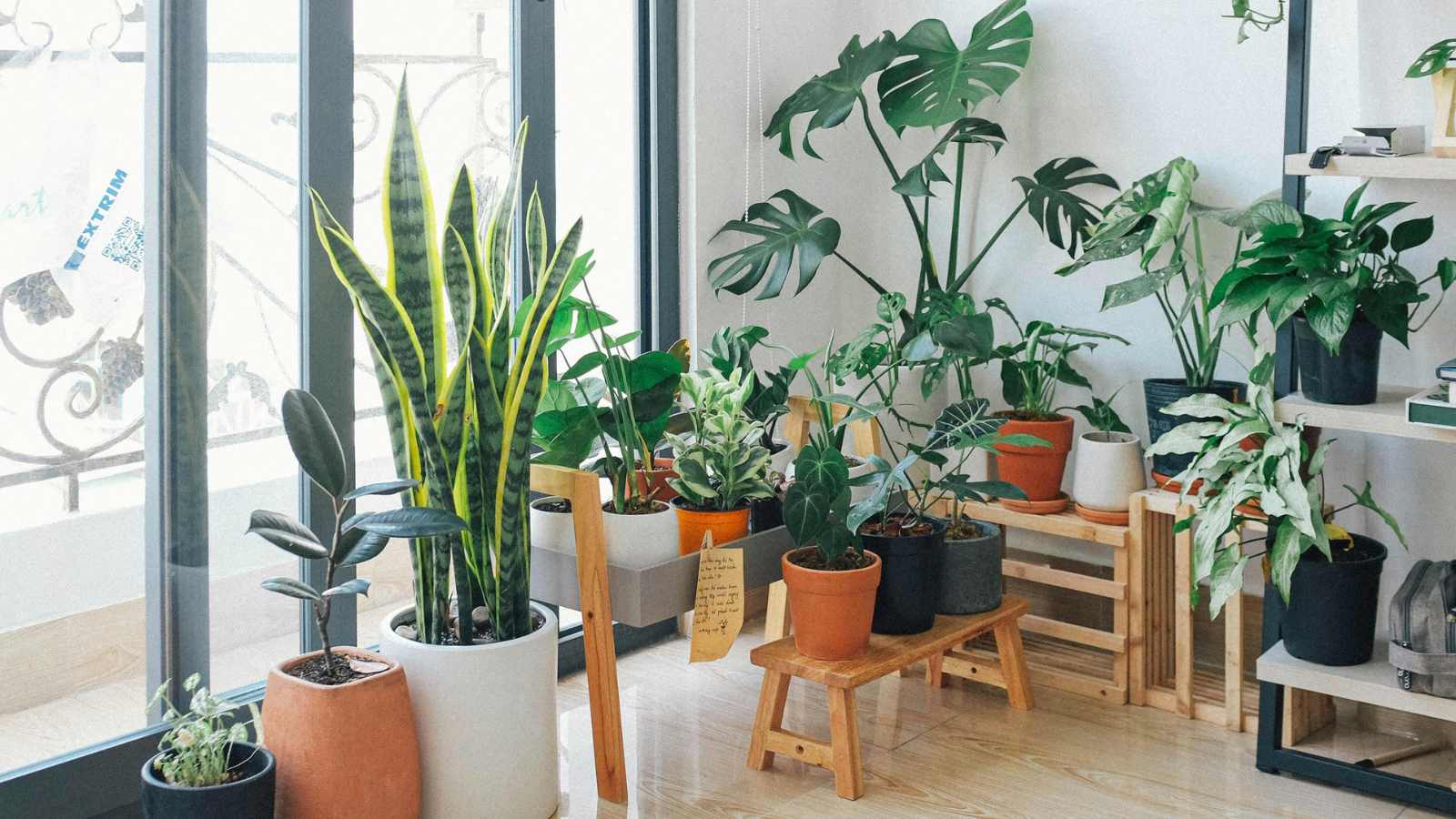
Overwatering can leave plant roots sitting in soggy soil, creating conditions that encourage root rot. Some gardeners use diluted hydrogen peroxide as an occasional soil treatment, but it isn’t a substitute for proper watering, drainage, and healthy potting mix.
If you suspect root rot, check the roots, remove damaged portions, and repot the plant in fresh, well-draining soil when needed. Avoid experimenting with concentrated solutions, since hydrogen peroxide can also damage healthy roots and beneficial soil organisms.
9. Clean Fruits and Vegetables Safely
Fresh produce can carry dirt and germs from the farm, transportation, and grocery store. The safest everyday way to clean fruits and vegetables is to rinse them thoroughly under cool, running water while rubbing their surfaces with clean hands.
Skip hydrogen peroxide, vinegar, dish soap, and household cleaning products for washing food unless the product is specifically approved and labeled for that purpose. Wash produce before cutting or peeling it, too.
10. Clean Suitable Countertops
Kitchen countertops collect crumbs, food splashes, and sticky spots throughout the day. On compatible nonporous surfaces, 3% hydrogen peroxide can help clean certain messes.
Check the countertop manufacturer’s care instructions first, since natural stone, colored surfaces, and specialty finishes may be damaged. Never mix hydrogen peroxide with other cleaners, and rinse food-preparation surfaces with clean water afterward.
11. Clean Children’s Toys
Toys that get handled frequently can collect dirt, sticky fingerprints, and germs. For washable, nonporous toys, clean them with soap and water first, then use an appropriate disinfectant according to its label.
Don’t assume hydrogen peroxide is safe for every toy, particularly those with fabric, painted details, electronic parts, or materials children may put in their mouths. Rinse food-contact toys when required by the product instructions and let everything dry completely before giving it back to a child.
12. Brighten White Clothes and Towels
White towels and clothing can become dull or yellowish after repeated washing. Adding hydrogen peroxide to a load of white laundry may help with certain stains and discoloration, making it a useful alternative to some chlorine bleach products.
Use regular 3% hydrogen peroxide and check your washing machine and garment care instructions before adding it. Avoid using it on colored fabrics, and never combine it with chlorine bleach or other laundry chemicals.