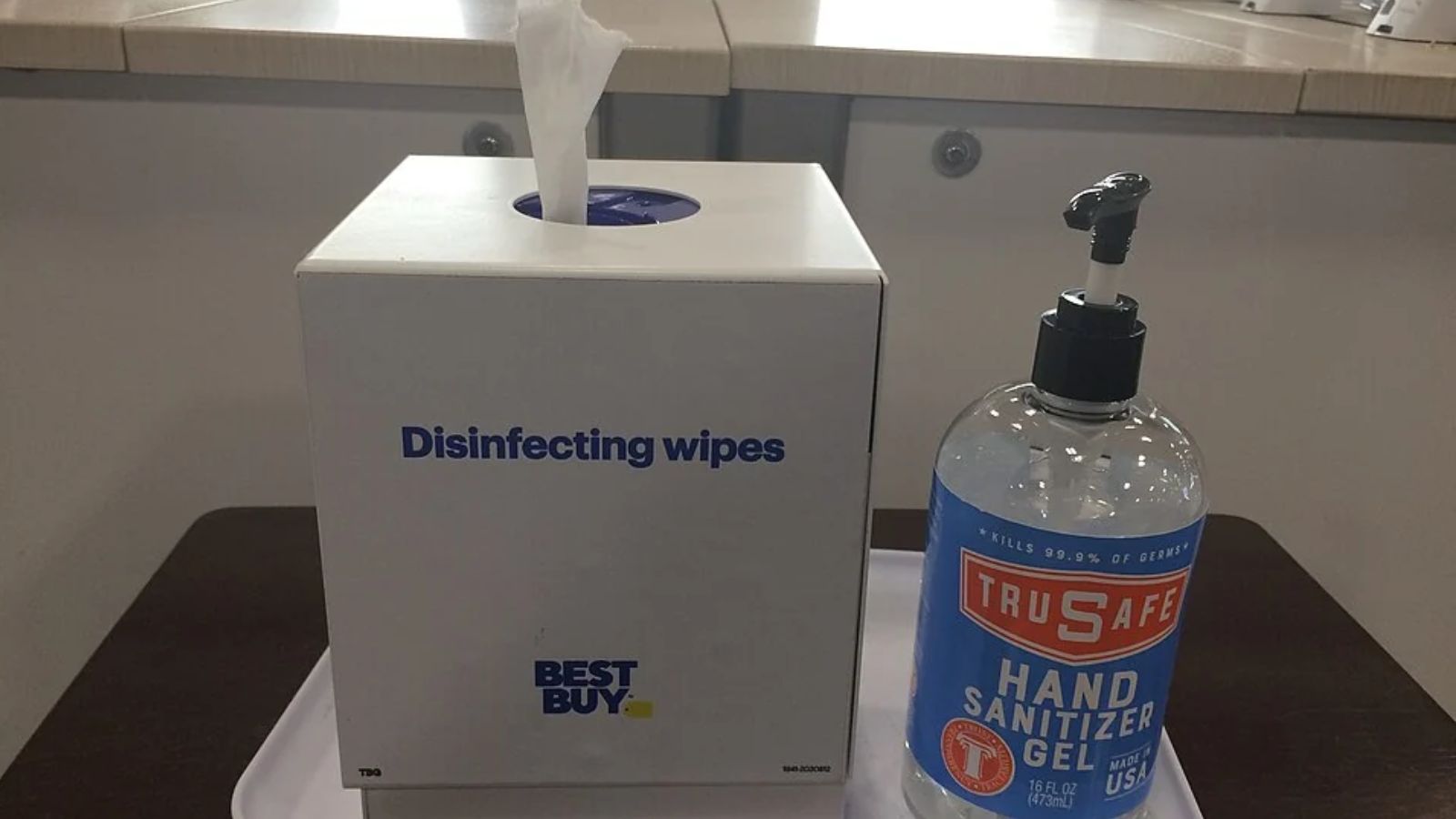
Disinfecting wipes make cleaning quick and convenient, which is why many of us reach for 11 Things You Should Never Wipe Down With Disinfecting Wipes
Disinfecting wipes are one of those cleaning products many people reach for without thinking twice. They’re handy for wiping down doorknobs, light switches, and other frequently touched surfaces, but that doesn’t mean they’re safe for everything in your home.
Using them on the wrong materials can cause discoloration, damage protective coatings, dry out certain surfaces, or leave behind chemical residue. Before you grab another wipe, here are 11 things that are better cleaned with something else.
Delicate Jewelry
Disinfecting wipes can be too harsh for delicate gemstones like pearls, opals, turquoise, and emeralds. The alcohol and other cleaning ingredients may damage their surfaces, while some jewelry adhesives and metal finishes can also be affected.
Use a soft cloth or a cleaner made for the specific type of jewelry instead. If you’re unsure how to clean a particular piece, check with a jeweler before using household cleaning products.
Clothing and Delicate Fabrics
Using a disinfecting wipe to remove a spot from clothing can leave you with an even bigger problem. The chemicals may cause fading, discoloration, or damage to certain fibers, especially on delicate fabrics.
Use a laundry stain remover that’s made for the fabric and follow the care label. For expensive or delicate clothing, professional cleaning may be the safer choice.
Leather Furniture, Bags, and Car Seats
Leather needs a little more care than many other household materials. Alcohol and harsh cleaning ingredients can remove some of its natural oils and protective finish, leaving it dry, stiff, or more likely to crack over time.
Use a cleaner made for your leather type and follow the product instructions. A suitable leather conditioner can also help keep the material from drying out.
Granite and Natural Stone Countertops
Granite, marble, and other natural stone surfaces often have a protective sealant that helps prevent stains and moisture damage. Certain disinfecting products can wear down that coating or leave the stone looking dull.
For everyday cleaning, warm water and a little mild dish soap are usually enough. Check the countertop manufacturer’s care instructions before using any stronger cleaning product.
Eyeglasses and Camera Lenses
Eyeglasses, sunglasses, camera lenses, and binoculars often have special coatings that household disinfectants can damage. Repeatedly wiping them with the wrong product may leave the surface cloudy or affect its protective finish.
Use a clean microfiber cloth and a lens cleaner approved for your glasses or equipment. Avoid paper towels and rough fabrics, which can also scratch delicate surfaces.
Smartphone Screens
Many smartphone screens have fingerprint-resistant coatings that can wear down if they’re cleaned too often with unsuitable products. Some disinfecting wipes may be safe for certain phones, but the instructions vary by manufacturer.
Check your phone manufacturer’s cleaning guidelines before using a disinfectant wipe. Keep moisture away from charging ports, speakers, and buttons, and use a microfiber cloth for routine cleaning.
Fresh Fruits and Vegetables
Never use disinfecting wipes to clean fruits and vegetables, even if you’re planning to peel them afterward. These products contain cleaning chemicals that aren’t meant to come into contact with food and may leave harmful residue.
Rinse fresh produce under running water before eating or preparing it. For firm produce like potatoes and melons, a clean produce brush can help remove dirt from the surface.
Unfinished Wood
Unfinished wood absorbs moisture and cleaning products more easily than sealed or finished wood. Using disinfecting wipes on it can cause discoloration, swelling, or warping.
A dry microfiber cloth or soft brush is usually a better choice for removing dust. If the wood needs more cleaning, use a product specifically labeled as safe for unfinished wood.
Upholstered Furniture and Carpets
Fabric sofas, chairs, rugs, and carpets aren’t good places for disinfecting wipes. The chemicals can leave spots or discoloration, and wiping the surface won’t necessarily disinfect the deeper layers of the material.
Use an upholstery or carpet cleaner that’s approved for the fabric you’re treating. Check the care label and test the product on a small, hidden area before cleaning a larger section.
Dishes and Food Storage Containers
Plates, bowls, cutting boards, and reusable food containers should never be cleaned with disinfecting wipes. Chemical residue may remain on surfaces that come into direct contact with food.
Wash these items with dish soap and water, or follow the manufacturer’s cleaning instructions. For items that need sanitizing, use a product specifically approved for food-contact surfaces and follow its label directions.
Device Ports and Openings
Keep charging ports, headphone jacks, speakers, microphones, and ventilation openings away from disinfecting wipes and excess moisture. Liquid that gets inside electronic devices can cause corrosion or other internal damage.
Use a dry, soft brush or a cleaning tool recommended by the device manufacturer to remove dust and debris. For the outer surfaces, use an electronics-safe cloth and follow the manufacturer’s instructions.
Choose the Right Cleaner for the Job
Disinfecting wipes are handy for certain household cleaning tasks, but they’re not a one-size-fits-all solution. Some materials need gentler products, while others require cleaners made for a particular surface.
Before wiping something down, check the manufacturer’s care instructions and the disinfectant’s label. Using the right product can help keep your belongings clean without causing damage that costs more to fix later.