When closets get crowded and cabinets run out of room, the garage often becomes the place where everything else ends up. It’s easy to stash extra pantry supplies, old electronics, leftover paint, and seasonal belongings there without thinking much about how they’ll hold up.
The problem is that garages aren’t always friendly places for long-term storage. Temperature changes, humidity, dust, and pests can damage certain belongings, while some stored items can even create fire or safety risks.
Before filling another shelf or corner, check whether you’re keeping any of these 10 things in your garage.
Extra Pantry Food
It’s tempting to use the garage as an extra pantry for canned goods, cereal, flour, rice, snacks, bottled drinks, and other groceries. Heat and humidity can affect food quality, while rodents and insects can chew through cardboard and plastic packaging, so keep food indoors whenever possible.
Important Documents
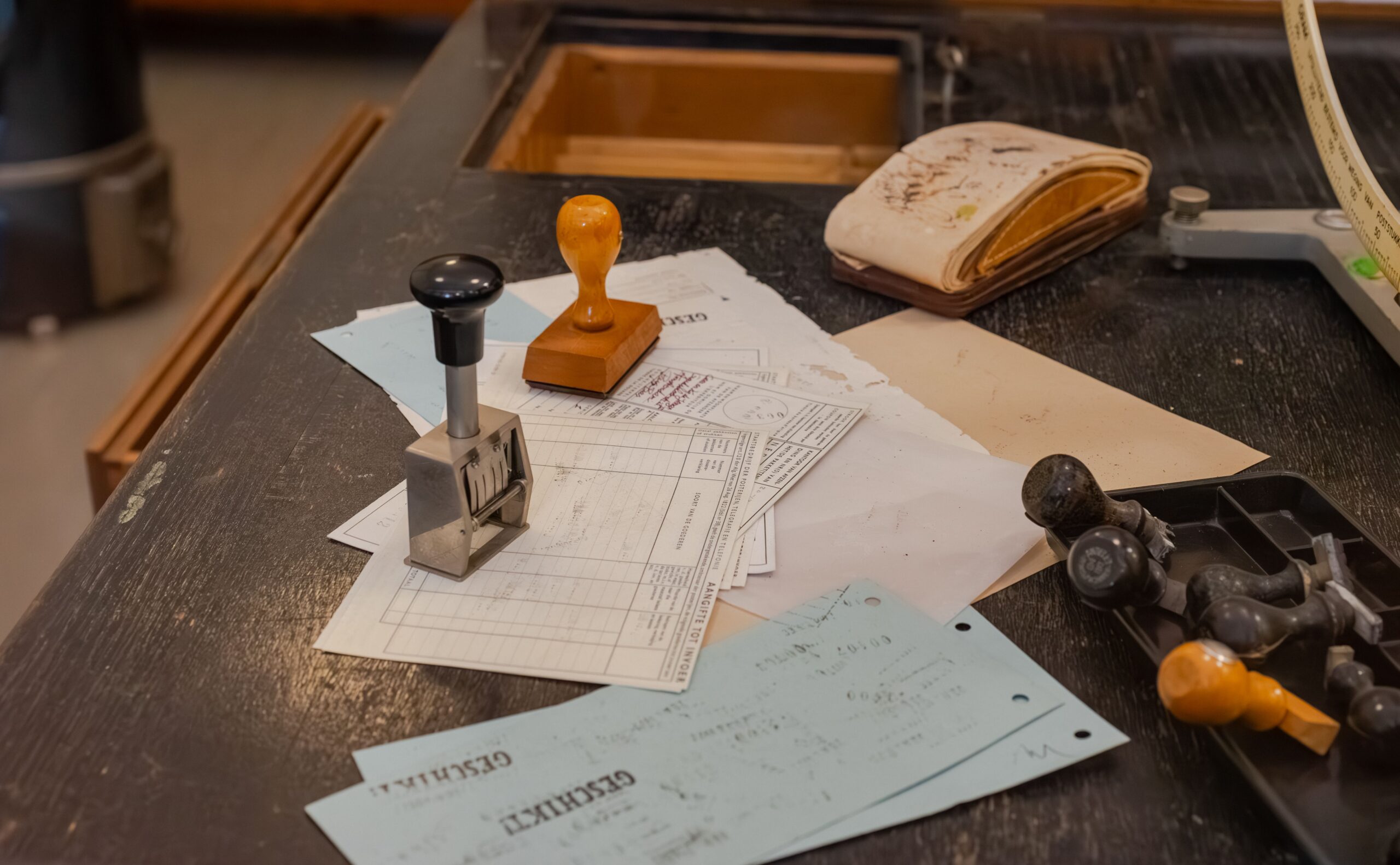
Don’t keep birth certificates, passports, tax records, insurance papers, wills, or family documents in the garage. Moisture, heat, pests, and unexpected leaks can ruin paper records, so store them inside your home in a secure, waterproof, and fire-resistant safe or filing cabinet.
Old Computers and Electronics
That old laptop or desktop computer you’ve been meaning to sell, donate, or repair might seem harmless sitting on a garage shelf. Extreme temperatures and humidity can damage batteries and internal components, so keep electronics in a cool, dry indoor space until you’re ready to deal with them.
Paint
Leftover paint often ends up in the garage because it’s convenient to grab for future touch-ups. Freezing temperatures can ruin latex paint, while excessive heat can cause it to separate or thicken, so store it indoors at a more stable temperature and follow the label’s storage instructions.
Wine
Keeping extra wine bottles in the garage may save room inside the house, but frequent temperature changes can affect the wine’s quality. Heat and cold can also damage corks and speed up spoilage, so store bottles in a cool, dark place with a fairly steady temperature.
Pet Food
Large bags of dog or cat food can attract mice, rats, ants, and other pests if they’re left sitting in the garage. Heat and humidity can also affect freshness, so keep pet food in its original packaging, transfer it to a tightly sealed, food-safe container, and store it somewhere cool and dry.
Camping Gear and Sleeping Bags
Tents, sleeping bags, backpacks, and other camping supplies often spend months between trips, making the garage an easy place to leave them. Dust, moisture, and pests can damage fabrics or cause musty odors, so clean and dry everything before storing it indoors.
Family Photos, Books, and Keepsakes
Photo albums, scrapbooks, children’s artwork, old letters, and books can be damaged by the changing conditions inside a garage. Humidity can cause mold, warped pages, and photographs that stick together, so keep sentimental belongings in a dry indoor area where you can check on them.
Oily Rags
Rags soaked in linseed oil, wood stain, paint products, or certain finishing oils can pose a fire hazard if they’re left in a pile. Some drying oils produce heat as they react with oxygen, and a pile of rags can trap that heat until a fire starts, so follow the product’s disposal instructions and use an approved storage container when required.
Gasoline and Propane Tanks
Store gasoline, propane cylinders, lighter fluid, and other flammable products carefully, away from heat and ignition sources. An attached garage may contain water heaters, furnaces, electrical equipment, or other potential ignition sources, so follow local fire codes and manufacturer instructions for approved storage locations.