
That old painting tucked away in a closet or the box of dishes you picked up at a yard sale might be worth more than you think. Vintage and secondhand goods can attract collectors and buyers looking for a particular brand, pattern, or hard-to-find piece.
Making money from these finds starts with knowing what to look for and checking what similar items have actually sold for. A little research, careful pricing, and the right selling platform can help you turn forgotten belongings into extra cash.
1. Start With Vintage Items You Already Own
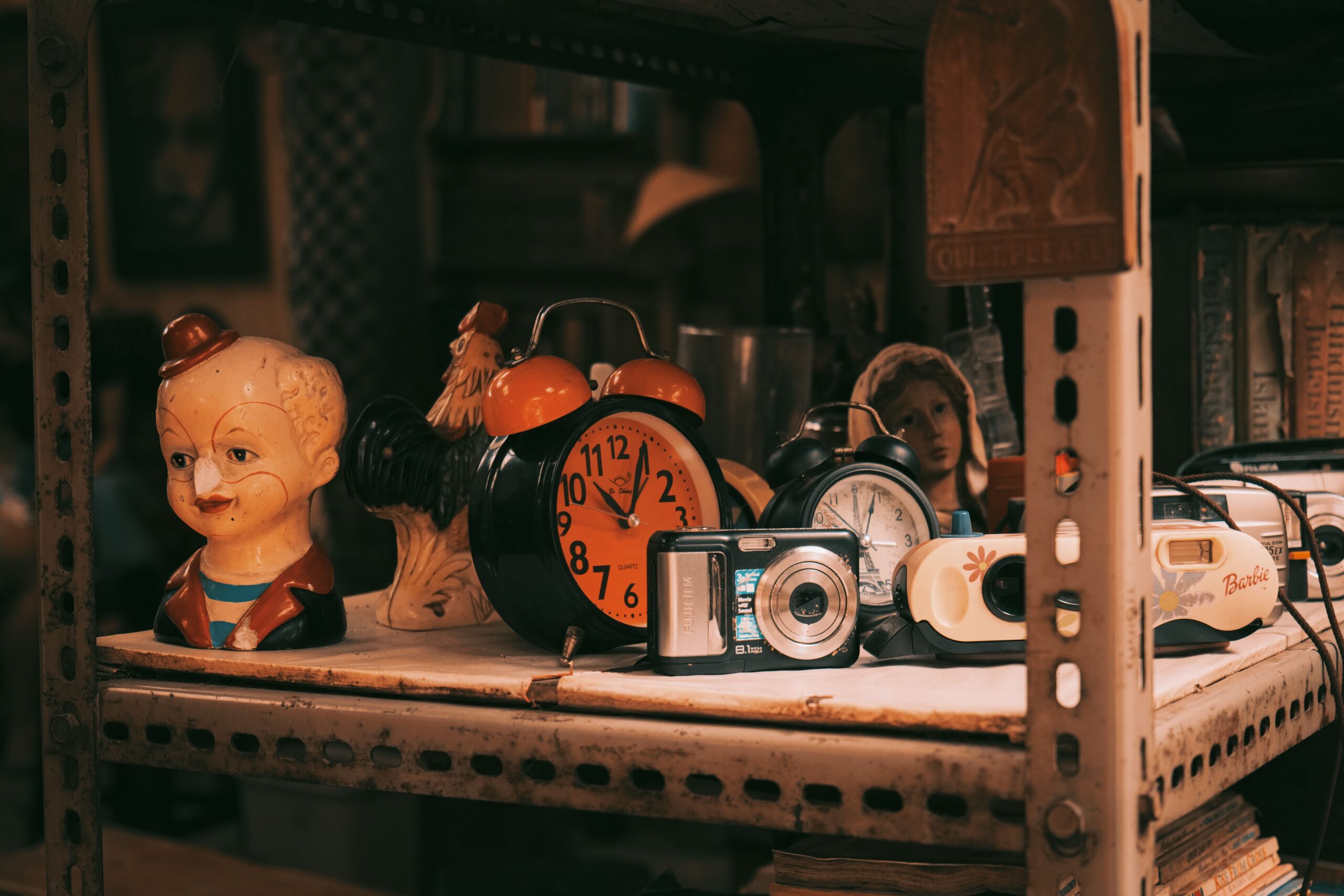
Before spending money at thrift stores or estate sales, take a look around your own home. Old artwork, jewelry, glassware, magazines, and concert tickets may appeal to collectors looking for pieces from a particular era or collection.
Something that no longer suits your taste might be exactly what another person wants. Check storage boxes, cupboards, and forgotten drawers before deciding what to donate or throw away.
Related: 10 Vintage Tools That Are Irreplaceable Today
2. Research Prices Before Listing Your Finds
An item’s listed price doesn’t tell you what buyers are actually willing to pay. Search for completed sales of similar pieces and compare their condition, age, maker, size, and any identifying details.
Look for signatures, labels, and maker’s marks on the back, underside, or inside of an item. Google Lens can help identify unfamiliar objects, but double-check the results before using them to set your asking price.
Related: 13 Vintage CDs That Are Worth Big Money
3. Take a Closer Look at Old Artwork
That painting collecting dust in the spare room may deserve a little research before you give it away. Original paintings, older prints, and pieces with distinctive frames can attract collectors and people looking for unusual home decor.
Check for an artist’s signature, gallery labels, and writing on the back of the frame. If the artwork looks particularly old or potentially valuable, ask a qualified appraiser for an opinion rather than guessing its worth.
Related: 18 Vintage Baby Names From the 1960s That Deserve Another Chance
4. Don’t Overlook Old Concert Tickets and Paper Collectibles
Ticket stubs, vintage magazines, comic books, and other paper items can be easy to overlook during a cleanout. Collectors may be interested in a particular musician, concert date, magazine cover, or issue, especially if the item is hard to find.
Keep these pieces in their original condition, since folding, cutting, or cleaning them incorrectly can lower their appeal. Photograph both sides and include the date, issue number, event name, or other identifying details in your listing.
Related: Vintage Coke Bottles Are Collectible—Here Are the Ones to Watch
5. Check for Vintage Audio Equipment
Older turntables, receivers, amplifiers, and speakers can attract buyers who enjoy vintage sound systems or restoring old electronics. Certain brands and models have loyal followings, but an older piece isn’t automatically valuable just because it’s decades old.
Find the model number and compare recent sales before deciding whether to repair it or sell it as-is. Be honest about its condition, including which functions you’ve tested and whether any parts are missing or untested.
6. Look for Collectible Glassware
Inherited glassware and thrift-store shelves can hold pieces collectors are eager to find. Etched crystal, cut glass, and recognizable vintage patterns may appeal to buyers replacing broken items or trying to complete a matching set.
Check the base for maker’s marks and compare the pattern carefully, since similar designs can come from different manufacturers. Inspect each piece for chips, cracks, scratches, and cloudiness, and mention any damage in your listing.
Related: Don’t Donate Those Old Clothes Just Yet — 12 Places You Can Sell Them for Cash
7. Check Silver Pieces for Sterling Markings
Old serving trays, flatware, and jewelry may look like solid silver but aren’t. Sterling silver has material value, while silver-plated pieces usually sell more on their design, maker, and condition.
Look for stamps such as “925” or “sterling,” along with any manufacturer’s marks. If you aren’t sure what you have, ask a reputable jeweler or silver buyer to identify it before selling it cheaply at a yard sale.
8. Give Vintage Light Fixtures a Second Look
Old chandeliers, pendant lights, and wall sconces can appeal to people renovating older homes or decorating with vintage pieces. Original details, matching components, and overall condition can affect what buyers will pay.
Check whether the fixture has all its parts and look for damaged glass, missing hardware, or worn wiring. If it needs electrical repairs, describe that clearly in the listing rather than suggesting it’s ready to install.
9. Look for Recognizable Patterns on Vintage Dishes
A stack of blue-and-white dishes might seem ordinary, but collectors look for specific patterns on individual pieces. Blue Danube dinnerware, for example, is worth identifying by its markings and exact pattern rather than relying on its appearance alone.
A single plate, bowl, or serving dish may help someone replace a broken piece from a set. Compare prices for individual items and complete sets before deciding how to sell your dishes.
10. Check Old Gold Jewelry and Charms
An inherited charm bracelet or a small collection of gold charms may be worth more than expected, depending on the gold content, maker, design, and condition. Individual charms can also attract buyers looking for a particular symbol, style, or replacement for a sentimental piece.
Check for karat stamps and remember that gold-colored jewelry isn’t always solid gold. If you suspect a piece has real value, have a reputable jeweler assess it before settling on a price.
11. Pick the Right Place to Sell Your Finds
Online marketplaces work well for small collectibles, jewelry, and easy-to-ship items, since buyers can search for exact brands and models. Larger furniture, fragile glassware, and heavy audio equipment may sell better locally, where buyers can pick them up in person.
Take clear photos in good lighting and include measurements, maker’s marks, and any signs of wear. Accurate descriptions help buyers make informed decisions and reduce the back-and-forth that can slow down a sale.
Making extra money from vintage and secondhand finds doesn’t require every item to be rare or expensive. Start with what you already own, research prices before listing anything, and focus on pieces that have a clear market rather than buying every interesting item you come across.