At an estate sale, the kitchen is often the first stop for shoppers hunting vintage Pyrex, cast-iron pans, old dishes, and cookware. Before joining the crowd, check the bedroom closet, where scarves, handbags, jewelry, shoes, and forgotten boxes may be waiting for someone to notice them.
Start With the Scarves
A stack of old scarves can look ordinary at first, but check the fabric, print, edges, and labels before moving on. Silk scarves from well-known fashion houses, including Hermès, can attract collectors, especially when they feature sought-after designs.
A shopper featured by Southern Living reportedly found a Hermès scarf buried in a pile and priced at just $3. The scarf featured a collectible Kermit Oliver design, which may sell for much more on the resale market depending on its condition and authenticity.
Related: 15 Hidden Ingredients That Made Grandma’s Meatloaf a Classic
Check the Labels on Older Clothing
A dress or blouse doesn’t need a popular designer name to deserve a closer look. Older labels can help identify a garment’s era, and certain designers, department stores, and discontinued lines have devoted collectors.
Vintage Lilly Pulitzer is one brand worth checking for, particularly earlier pieces with white labels. Take a close look at the tag before passing over a dress that seems ordinary on the hanger.
Related: Vintage Clothing and Accessories That Could Be Worth Good Money
Don’t Ignore Cashmere and Other Quality Fabrics
Some worthwhile clothing finds have little to do with designer names, since cashmere sweaters, wool coats, linen garments, and silk blouses can cost quite a bit when bought new. At an estate sale, these pieces may sit beside everyday clothing at prices that make them worth a second look.
Read the fabric tag and inspect the garment carefully before buying. Moth holes, stains, lingering odors, and damaged seams can make a low-priced piece a poor purchase.
Related: 20 Old-Fashioned Household Chores Grandma Did That Most People Skip Today
Look Through the Handbags
Closet shelves often hold bags stored away for years, and dust or a misshapen body can make an older leather purse easy to overlook. Check the lining, stitching, hardware, and labels, and look inside larger bags for smaller purses or clutches.
A recognizable designer name can make a bag worth researching, but a logo isn’t the only reason to buy one. A well-made vintage leather handbag at a fair price may be a good find even without a famous label.
Dig Through the Jewelry Boxes
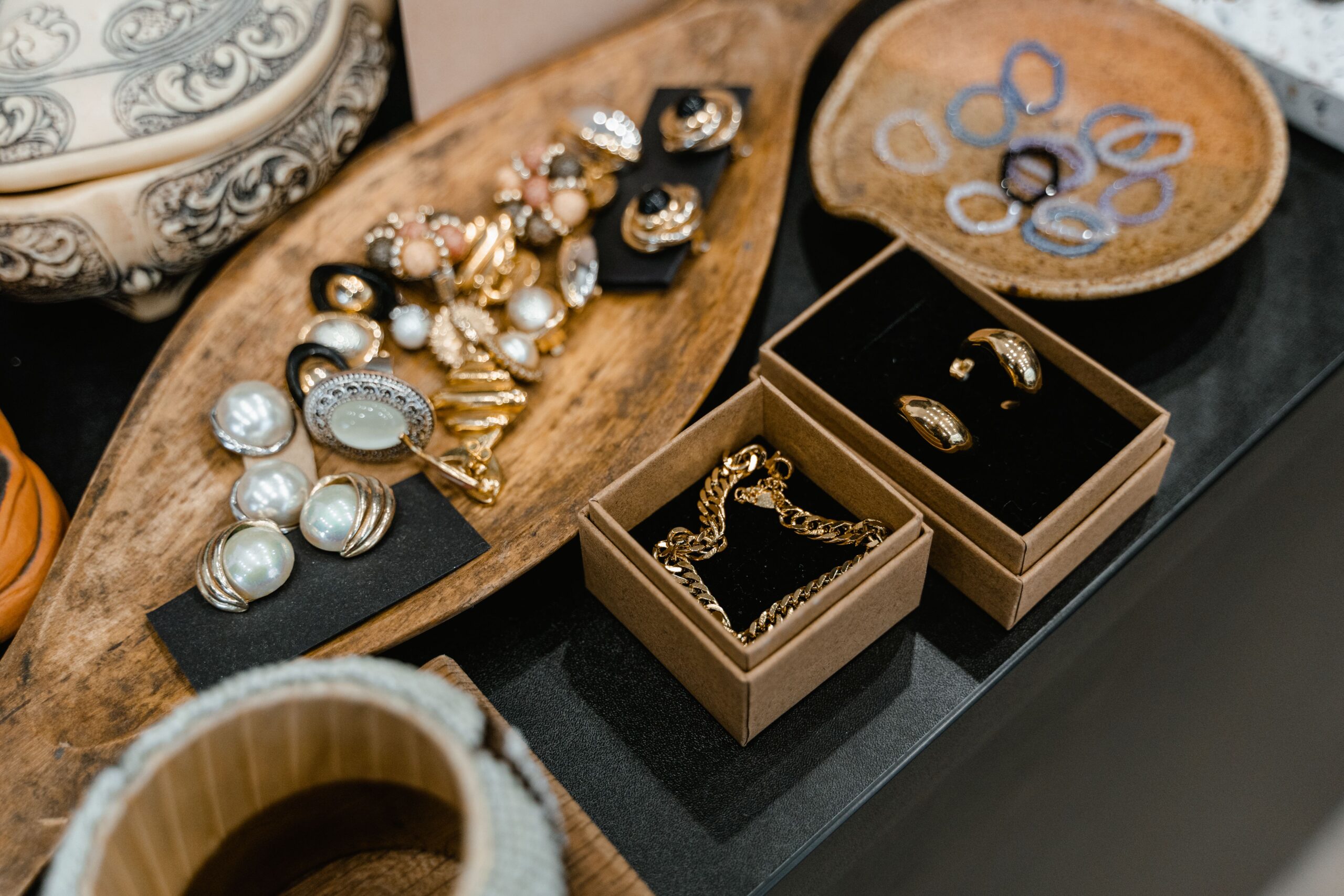
Valuable jewelry isn’t always kept in a glass case near the checkout, so check bedroom drawers, small boxes, and jewelry organizers. You might find costume jewelry, sterling silver, brooches, watches, or older necklaces mixed together.
Look for markings such as “sterling,” “925,” and gold karat stamps, but remember that a stamp alone doesn’t prove a piece is genuine or valuable. Unsigned costume jewelry can also interest collectors based on its age, materials, workmanship, and design.
Related: Vintage Accessories From Grandma’s Era That Still Look Chic Today
Open the Shoe Boxes
The shoes shown on a box aren’t always the ones inside, so open boxes when the sale rules allow it. You might come across barely worn heels, vintage sneakers, leather shoes, or other pairs that have spent years in storage.
Check the soles, insoles, labels, and overall condition before buying. Shoes can look great on top, but their foam, glue, or soles may have deteriorated, making them uncomfortable or unsafe to wear.
Don’t Pass Over the Sewing Supplies
An old sewing basket may hold more than thread and needles, including vintage buttons, lace, trims, patches, and other supplies. These items can be useful for mending clothes, sewing projects, and crafts, and some older pieces appeal to collectors.
Look for unusual buttons made from mother-of-pearl, porcelain, or early plastics. A jar or tin filled with small sewing items may seem like clutter, but a closer look could turn up something worth keeping or researching.
Related: 15 Vintage Sewing Items We Grew Up With That Are Now Valuble Collectibles
Check the Very Top Shelf
The highest closet shelf is easy to miss when clothes and accessories at eye level already have your attention. People often store rarely used items up there, including hat boxes, purses, formalwear, gloves, and other accessories.
When permitted, check behind stacked items and open boxes to see what’s inside. Pieces stored out of reach for years may have seen less daily wear, though their condition still deserves a careful check.
Look at the Coats and Formalwear
Older coats, evening dresses, and formal outfits may have been worn only a handful of times and could still be in good condition. Wool coats, vintage party dresses, embroidered garments, and pieces with unusual details are worth a closer look, even when they aren’t your size.
Check the fabric, lining, buttons, and stitching rather than judging a garment by its style alone. Older clothing may also have distinctive details and construction that are harder to find in inexpensive modern pieces.
Check Pockets Before You Put Something Back
Before setting a garment aside, check its pockets for accessories such as gloves, belts, or handkerchiefs, and inspect the lining for damage. This extra check also lets you spot holes, torn seams, or other wear before deciding whether to buy the item.
Use the same care with handbags and luggage by checking each compartment. A clean exterior can hide worn lining or damaged closures, so inspect the inside before paying.
Don’t Forget the Closet Floor
The bottom of a closet may hold shoe boxes, luggage, storage cases, hat boxes, and other items pushed toward the back. Get down low and check beneath hanging clothes instead of focusing only on what you can see at eye level.
Estate sales can reward shoppers who take their time and check places others pass by. After the kitchen, give Grandma’s closet a thorough look because the item you take home may be something most shoppers never noticed.