Painting can give a room a fresh look without spending a fortune on a full renovation. But a few common mistakes can leave you with streaks, peeling paint, messy edges, or a finish that looks nothing like you expected.
The good part is that many painting problems are avoidable with a little preparation and patience. Before you open that can of paint, take a look at these mistakes and how to keep them from ruining your weekend project.
Not Prepping the Surface
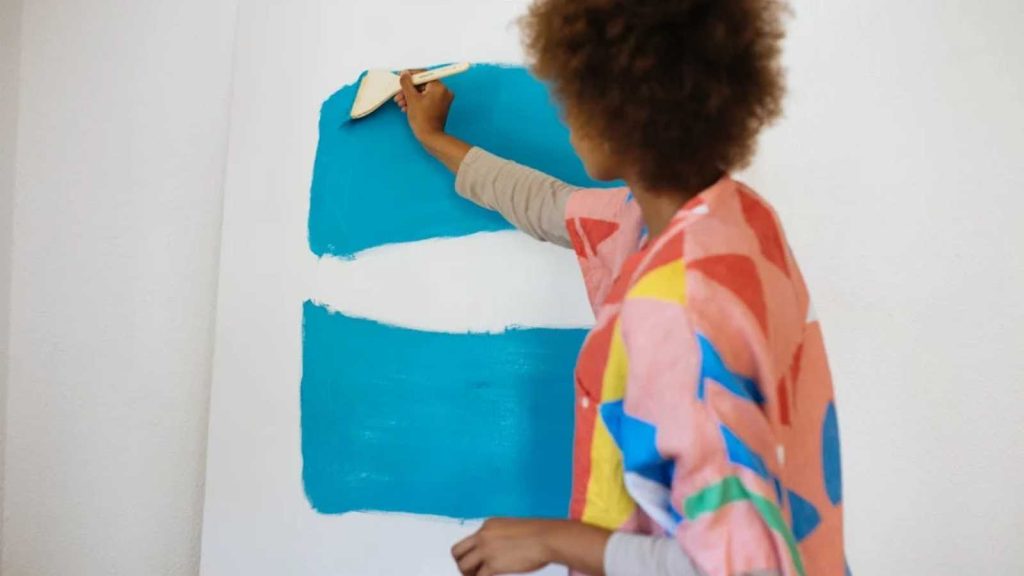
Dallas Paints points out that skipping surface preparation is a common reason paint jobs turn out poorly. Wash away dust and grease, fill holes, scrape off loose paint, and sand rough spots before you start.
Related: 14 Essential Tools for Painting Your Home’s Exterior
Choosing the Wrong Paint
Paint made for a dry living room may not hold up well in a steamy bathroom or a busy hallway. Choose a bathroom paint with mildew resistance for damp spaces and a washable finish for areas that get frequent use.
Using the Wrong Tools
Using the wrong brush or roller can leave streaks, loose fibers, and an uneven coat on your walls. Use a roller for large, flat areas and a suitable brush for corners, edges, and trim.
Rushing the Drying Time
Putting on another coat before the first one has dried can cause smudges, uneven coverage, and paint lifting from the surface. Follow the drying times on the paint can, since temperature and humidity can affect how long each coat takes to dry.
Related: 10 Common Mistakes to Avoid When Painting Your Home Interior White
Skipping Primer
Primer helps paint stick to the surface and gives the topcoat a more even base. It’s especially useful when covering dark colors, painting bare drywall, or working on stained and patched areas.
Neglecting Ventilation
Paint fumes can irritate your eyes and airways, and some products release volatile organic compounds that may pose health risks. Read the product label, open windows when possible, and use fans to move air through the room, while following any ventilation guidance from the manufacturer.
Ignoring the Paint Sheen
The finish you choose affects both the look of your walls and how easy they are to clean. Flat paint can hide small surface flaws, while satin and semi-gloss finishes are usually easier to wipe down in busy rooms.
Related: 17 Stylish House Painting Ideas Worth Trying for Your Next Exterior Makeover
Neglecting to Tape
Skipping painter’s tape can leave uneven lines along trim, ceilings, windows, and door frames. Press the tape firmly against the surface and remove it according to the product instructions to help prevent paint from bleeding underneath.
Not Testing the Color
A paint color can look very different on your wall than it does on a tiny store sample. Test a sample on the wall and check it in daylight and under your usual evening lighting before committing to the whole room.
Painting Without a Plan
Starting without a clear order of work can lead to missed spots, unnecessary mess, and repeated touch-ups. Decide which areas you’ll paint first, gather your supplies, and plan where you’ll move furniture and protect floors before opening the paint can.
Neglecting Cleanup
Leaving paint on brushes and rollers can ruin the tools before your next project. Clean them according to the paint manufacturer’s instructions, seal leftover paint properly, and wipe up spills before they dry.
Not Considering the Weather
High humidity, extreme temperatures, and direct sunlight can affect how paint dries and how well it adheres. Check the temperature range on the paint label and choose a day when the conditions suit the product you’re using.
Skipping Safety Gear
Paint splashes and fumes can pose risks, especially in a poorly ventilated room or during overhead work. Follow the safety instructions on the product label, wear gloves and eye protection when needed, and use a suitable respirator if the product calls for one.
Overlooking Touch-Ups
A wall can look finished from across the room while still having missed spots, drips, or uneven edges. Once the paint has dried, inspect the walls in good light and make small corrections with a brush before putting the room back together.
Being Too Ambitious
Taking on a large room or a complicated decorative finish can be frustrating if you’re new to painting. Start with a smaller project to build your skills, and bring in a qualified painter for work that requires specialized tools or experience.