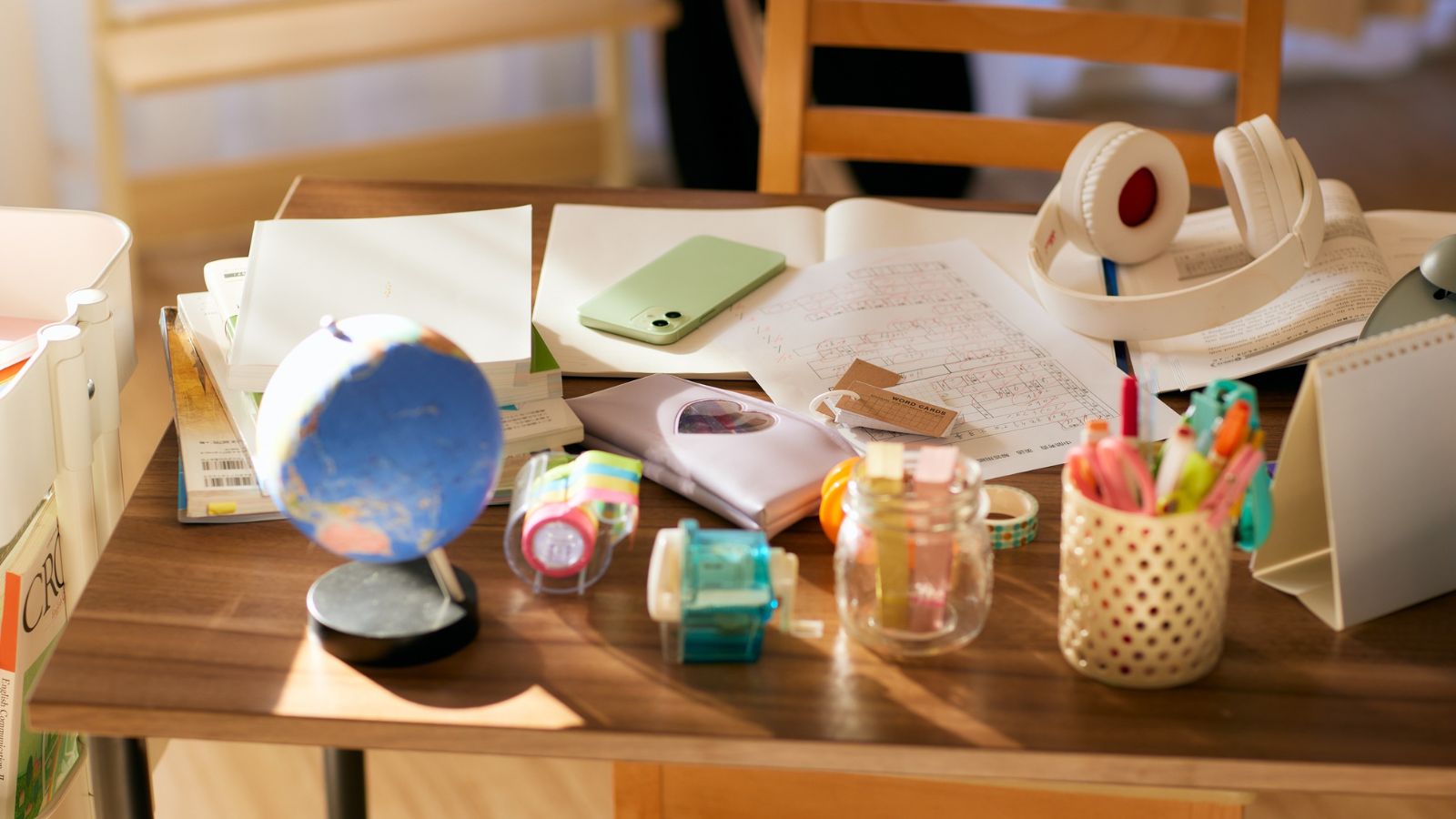
A home should feel comfortable, safe, and like a place where you can actually relax. Yet sometimes, the things we keep around can work against that feeling. A pile of old papers, a broken appliance, expired food, or even an item tied to an unpleasant memory can make a room feel more stressful than it needs to be.
Some household items are also worth getting rid of for practical safety reasons. Others simply take up valuable space without serving any real purpose.
If your home feels more crowded or chaotic than you’d like, these 13 things are good places to start.

Expired Medications
That half-used bottle of medicine sitting in the cabinet might seem harmless, but expired medication shouldn’t stay around indefinitely. Some medications can lose their effectiveness over time, and keeping unnecessary drugs around also creates a risk of accidental use.
Go through your medicine cabinet from time to time and remove anything that has expired or is no longer needed. Pharmacies and community collection programs may accept certain medications for safe disposal, so check what services are available in your area.
Related: 17 Household Items That Disappeared and Left Us Feeling Nostalgic
Old Newspapers and Magazines
It’s easy to keep a stack of magazines because you tell yourself you’ll read them later. Then another issue arrives, and another, and suddenly there’s a pile taking up an entire corner.
Old newspapers and magazines can collect dust and provide hiding places for insects. Large piles of paper can also add to a home’s fire load. Keep the issues you genuinely want to save and recycle the rest. And if that magazine has been sitting untouched for 15 years, you’re probably safe letting it go.
Excessive Clutter
A cluttered room can make it harder to relax, especially when every surface has something sitting on it. You don’t have to live in a perfectly minimalist home, but getting rid of things you no longer use can make the space feel much easier to live in.
According to Verywell Mind, cleaning and decluttering can have a positive effect on mental well-being. Start small by clearing one drawer, shelf, or countertop instead of trying to tackle the whole house at once.
Electrical Gadgets You Never Use
Old electronics have a way of multiplying. There’s the outdated toaster, an ancient DVD player, three phone chargers for phones you no longer own, and a drawer full of mystery cables.
Keeping unused electronics around takes up space, and damaged electrical equipment can present a safety concern. Recycle old electronics through an appropriate e-waste program instead of throwing everything into the regular trash. Keep working items that you genuinely use and let the rest go.
Related: 15 Sneaky Home Storage Ideas for Your Most Important Items
Broken Items
We’ve all held onto something broken because we swear we’ll fix it someday. A wobbly chair, cracked lamp, broken kitchen appliance, or damaged piece of furniture can sit around for months without ever making it onto the repair list.
Set a realistic deadline for repairs. If you’re still putting it off months later, ask yourself whether the item is worth fixing. Getting rid of broken things can free up a surprising amount of room.
Anything Tied to a Bad Memory
Not everything you keep has to be useful, but some belongings can carry emotional baggage. Maybe it’s an unwanted gift from an old relationship, something connected to a difficult period, or an object that brings back memories you’d rather leave behind.
You don’t have to keep something just because it has a story attached to it. If seeing an item consistently makes you unhappy, donating it, giving it away, or putting it away somewhere out of sight may make your home feel more comfortable.
Weapons
Weapons should never be left lying around casually. Firearms, swords, knives, and other weapons require proper storage and handling, particularly in homes with children or frequent visitors.
If you own a firearm, follow local laws and manufacturer guidance for secure storage. Keep weapons inaccessible to unauthorized people and use appropriate locking devices or storage containers. If you have an item you no longer want, look into lawful disposal or transfer options rather than simply leaving it in a closet.
Related: 14 Everyday Household Items You Can Repurpose Instead of Throwing Away
Excessive Cleaning Products
A cleaning cabinet can quickly turn into a collection of half-used bottles. Buying a different product for every surface may seem convenient, but storing too many chemicals creates unnecessary clutter and can introduce safety risks.
Keep only the cleaners you actually use and follow the labels for storage. Never mix household cleaning chemicals unless the product instructions explicitly say it’s safe. Some combinations can release dangerous gases.
Plants You Can’t Keep Alive
Plants can make a home feel fresh and inviting, but a collection of neglected, dying plants can have the opposite effect. If you’ve repeatedly struggled to keep a particular plant healthy, there is nothing wrong with admitting that it isn’t a good fit for your home.
Give struggling plants to someone who can care for them if possible, or replace them with varieties that suit your schedule and indoor conditions. Low-maintenance plants can be a better choice for people who don’t want to spend much time watering and caring for greenery.
Expired Food
Take a look inside the pantry, refrigerator, and freezer. Chances are you’ll find something that’s been sitting there far longer than you realized.
Expired or spoiled food takes up room that could be used for food you actually eat. Check dates and inspect anything questionable before deciding whether to keep it. Clear out old items regularly, and you’ll have a much easier time seeing what you already have before your next grocery trip.
Sentimental but Useless Junk
Sentimental items can be some of the hardest things to part with. A box filled with old ticket stubs, greeting cards, souvenirs, childhood trinkets, and random keepsakes can grow surprisingly large over the years.
You don’t have to throw away every memory to have a tidy home. Pick the pieces that genuinely mean something to you and let go of the rest. Taking photos of certain keepsakes can also preserve the memory without requiring a box of physical items.
Old Cosmetics
Makeup and personal-care products have limited shelf lives. Once they’ve been sitting around for too long, their texture, smell, and performance can change, and contaminated products can cause skin irritation or other problems.
According to Medpark Hospital, expired cosmetics can contribute to issues such as irritation and infection. Check your makeup bag regularly and discard products that are clearly past their recommended use period, have changed smell or texture, or look contaminated.
Valuables Without a Safe Place
Cash, jewelry, passports, important documents, and other valuable belongings shouldn’t be left in obvious places around the house. A kitchen drawer or bedside table isn’t much protection if someone else gains access to your home.
For important valuables and documents, consider a secure safe or another suitable storage option. Keep backups of important paperwork where appropriate, and make sure your storage method fits the type of item you’re protecting.
A home doesn’t have to be completely empty to feel peaceful. Sometimes, making it feel better is as simple as removing the things you no longer use, fixing what you keep putting off, and finding safer places for the belongings that matter.