The United States may share one language, but it certainly doesn’t sound the same from one place to the next. Travel a few hundred miles, and you’ll notice different pronunciations, local sayings, and speech patterns that instantly reveal where someone grew up.
Some accents have been around for centuries, while others developed as different cultures and communities came together. A few are so unusual that even lifelong Americans have trouble understanding them. Here are 12 accents and dialects that are closely tied to one corner of the country.
Ocracoke Brogue
Tucked away on North Carolina’s Outer Banks, Ocracoke Island has one of America’s most unusual ways of speaking. Years of isolation helped preserve an accent unlike anything found on the mainland.
The Ocracoke Brogue features stretched vowels and expressions that often leave first-time visitors scratching their heads. One of the best-known examples is “Hoi toide on the sound side,” which simply means “High tide on the sound side.” It’s a reminder of how geography can shape the way people speak.
Cajun French
Southern Louisiana is famous for its food, music, and rich traditions, and its language is every bit as memorable. Cajun French traces its roots to Acadian settlers who were forced out of Canada during the 1700s.
Over the years, the language absorbed influences from Spanish, English, Native American languages, and African cultures. Everyday expressions like “cher” for a loved one or “lagniappe” for a little extra have become part of the region’s identity and are still heard across Louisiana.
Hawaiian Pidgin
Known locally as Pidgin, Hawaiian Creole English grew out of Hawaii’s sugar plantations, where workers from many countries needed a common way to communicate.
The result was a language that blends English with Hawaiian, Japanese, Portuguese, Filipino, and several other languages. Phrases like “Howzit?” for “How are you?” and “Da kine” as a stand-in for almost anything are part of everyday conversation across the islands.
Tangier Island Dialect
Tangier Island sits in Virginia’s Chesapeake Bay, and many linguists believe its residents still speak with traces of the English brought over by some of America’s earliest settlers.
The island’s isolation helped preserve words and pronunciations that disappeared elsewhere generations ago. Visitors often notice terms like “yorn” for “yours” or pronunciations that sound surprisingly close to older forms of British English.
Pawnee Language
The Pawnee language is spoken by members of the Pawnee Nation in Nebraska and Oklahoma, though only a small number of fluent speakers remain today.
Community members continue working to preserve the language through classes, recordings, and educational programs. Rich in history and storytelling, Pawnee represents an important part of Native American culture that many people have never had the chance to hear.
Boontling
Boontling isn’t just an accent, it’s an entire local vocabulary. It originated in Boonville, California, during the late 1800s and was created by residents as a way to speak privately around outsiders.
Many of its words are unlike anything you’ll hear elsewhere. Although only a small number of people still know the full vocabulary, Boontling remains one of America’s most unusual regional speech traditions.
New England Accents
New England isn’t home to just one accent. Travel across the region, and you’ll hear noticeable differences from state to state.
Boston is famous for dropping its “R” sounds, while parts of Maine are known for expressions like “ayuh” and “wicked.” These speech patterns reflect centuries of immigration, fishing communities, and local traditions that continue to influence the region today.
Southern Accents
There isn’t a single Southern accent. Instead, you’ll find dozens of regional variations stretching from Virginia to Texas.
Some areas have a slow, relaxed drawl, while others feature a sharper twang. Familiar sayings like “bless your heart” can carry very different meanings depending on the situation, making Southern speech rich with local personality.
Midwestern Accents
Many people think the Midwest has the country’s most neutral accent, but the region has its own variations.
Cities around the Great Lakes are known for vowel pronunciations that sound different from those heard elsewhere in the country. Minnesota, Wisconsin, Michigan, Illinois, and Ohio each put their own spin on Midwestern speech, even if the differences are subtle.
New York City Accent
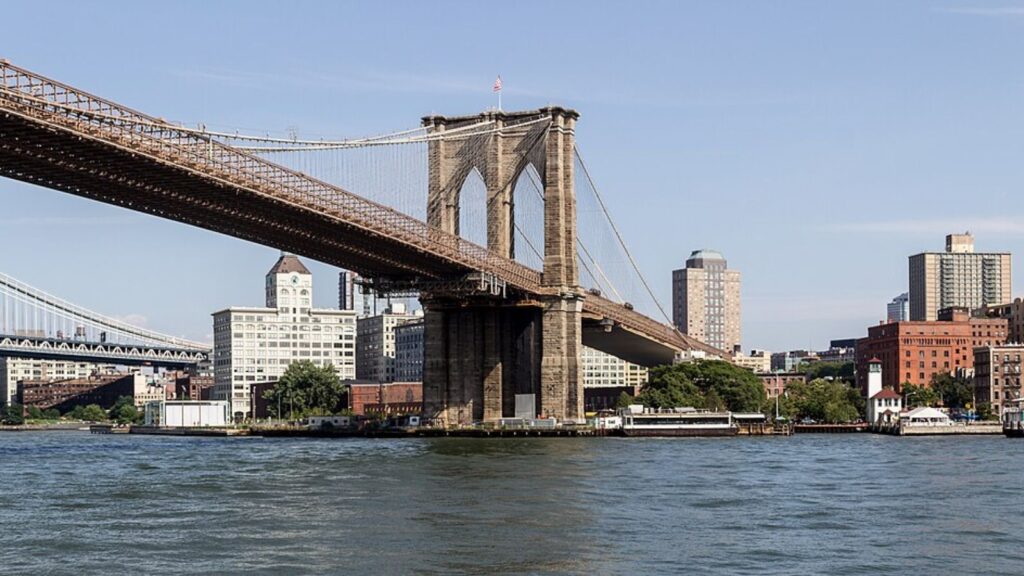
Few American accents are easier to recognize than the one heard around New York City.
Words like “coffee” and “water” take on their own distinctive sound, shaped by generations of Irish, Italian, Jewish, and many other immigrant communities. While younger generations may speak differently than their grandparents, the classic New York accent remains one of the country’s most recognizable voices.
Pacific Northwest Accent
People from Washington and Oregon often speak with a relaxed accent that’s sometimes compared to Canadian English.
The differences can be subtle, though locals occasionally pronounce words in ways that surprise visitors. In some communities, you’ll even hear “Warshington” instead of “Washington.” The accent tends to sound softer than many found elsewhere in the country.
Chicano English
Chicano English developed in many Mexican American communities across the Southwest and has become a well-established dialect with its own speech patterns and vocabulary.
Although Spanish has influenced many expressions, Chicano English is a distinct variety of English rather than a mix of two languages. Words like “barrio” and “vato” are familiar in many communities and reflect generations of shared history and culture.
Every accent tells a story. Some developed because of geography, others through immigration, and many grew from communities preserving traditions across generations. Together, they show just how much history and culture can be heard in the way people speak from one part of America to another.