Most people picture a traditional garden filled with rows of soil, but many vegetables can grow perfectly well without it. Soil-free gardening has become a popular option for people who want fresh produce at home but have limited outdoor space. In many cases, all you need is water, light, and the right setup to get started.
Whether you’re growing food on a kitchen counter, in a small apartment, or simply trying something new, growing vegetables without soil can be surprisingly simple. Some crops actually do very well in these conditions and can provide a steady supply of fresh ingredients right from your home. Here are 13 surprising vegetables you can grow without soil.
Lettuce: A Quick Grower

juliacasado1 via pixabay
Lettuce would be the perfect vegetable to grow with hydroponics—it is straightforward and relatively fast, requires minimal work, and loves water. It also does not need much space, so even in a small kitchen or an apartment, you can have a safe supply of lettuce. Just think how much more delicious your salads and sandwiches will become! I am sure that once you try, you will not be able to stop!
Tomatoes: Juicy and Delicious
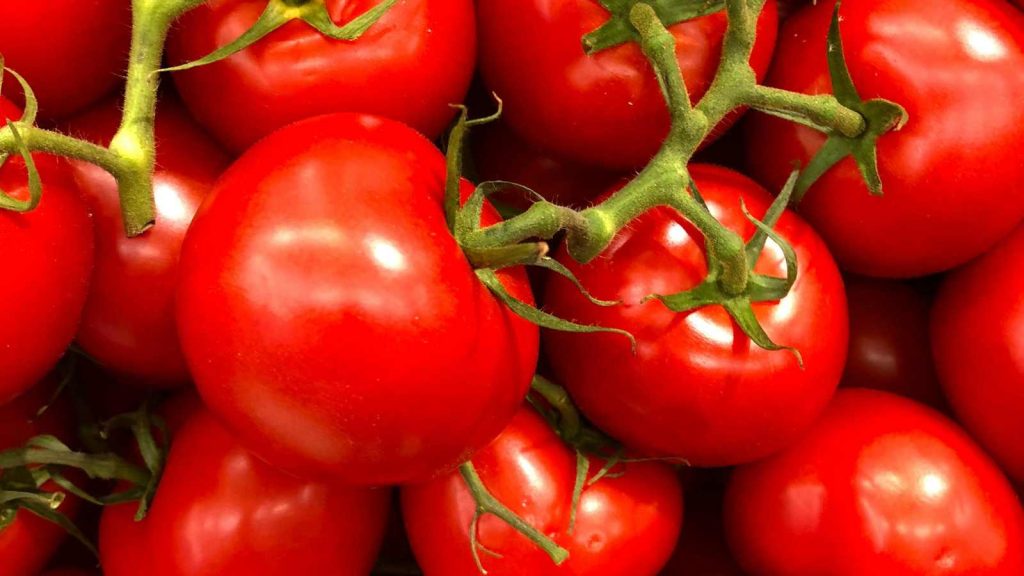
Tomatoes grown in a hydroponic system can be incredibly flavorful. They benefit from a controlled environment where you can manage sunlight and nutrients efficiently. This setup makes it possible to enjoy ripe, juicy tomatoes throughout the year. With patience, you’ll have tomatoes that taste straight from a summer garden. Check out this resource for more on the benefits of hydroponically growing tomatoes.
Herbs: Fresh and Fragrant

These herbs are never amiss when you grow virtually any kind of basil, mint, or cilantro with your hydroponic system. These plants are simple to grow and fast-growing, producing delicious aromatic leaves that may improve any meal. Can you think of anything more pleasurable than snipping several fresh basil leaves to create homemade pesto?
Cucumbers: Crisp and Crunchy
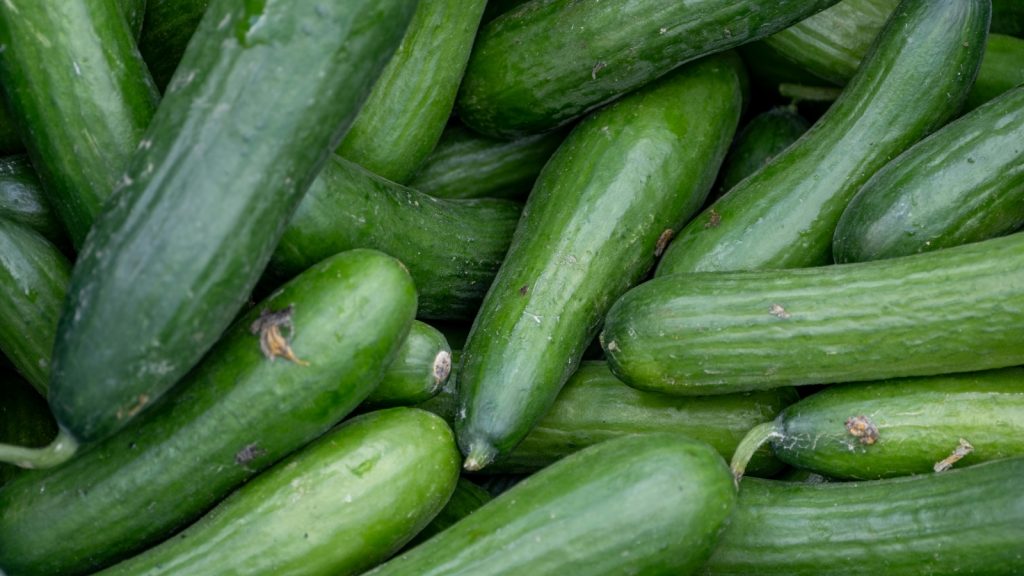
Cucumbers love being hydroponic and proliferate, giving an ever-increasing harvest. Their crispness is refreshing in a salad, or use them to flavor your drinking water lightly. They can be grown vertically, saving ground space for other plants. They can bite into a cucumber grown at home, which squashes all those thoughts about chemicals and freshness.
Strawberries: Sweet and Succulent
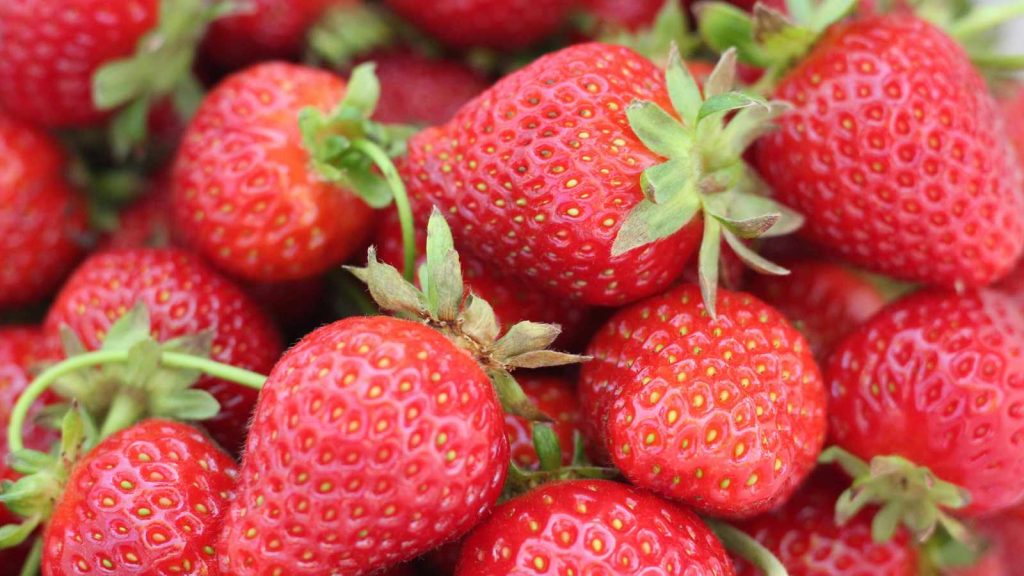
Strawberries are a favorite for many hydroponic gardeners. They are lovely and produce abundantly. Their ease of growth makes them suitable for indoor growing, as they can be grown successfully in very small places. Nutrients can be managed carefully to make strawberries sweeter and their flavor stronger than that grown in the soil.
Peppers: Spicy and Vibrant
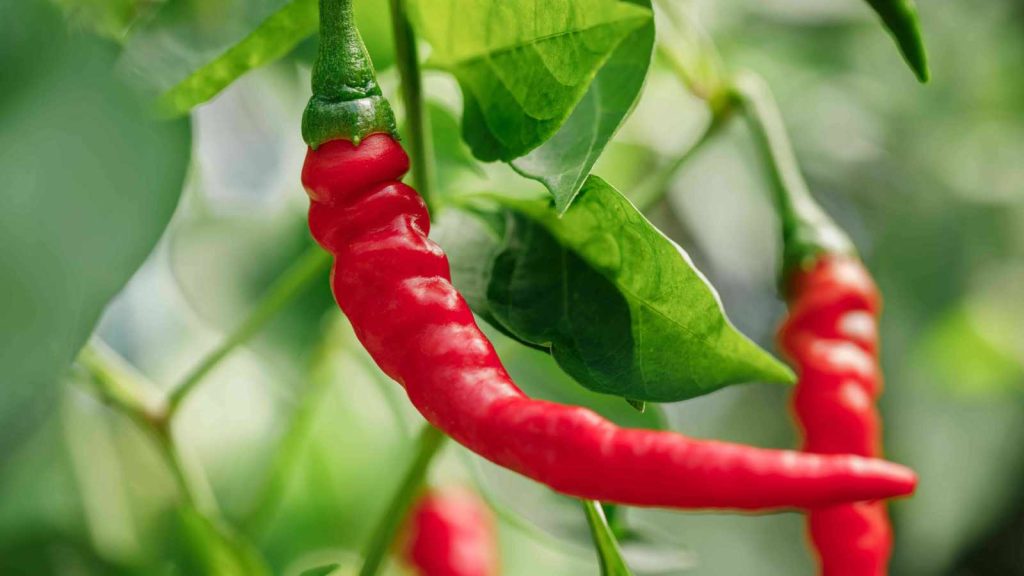
Bell peppers, chili peppers, and other kinds survive in a hydroponic system, and all you have to do is take good care of them to get a lot of colorful fruits. Being smaller plants, peppers are ideal for indoor gardening. At the same time, I can guarantee that watching them grow in water is truly absorbing.
Spinach: Nutritious and Versatile
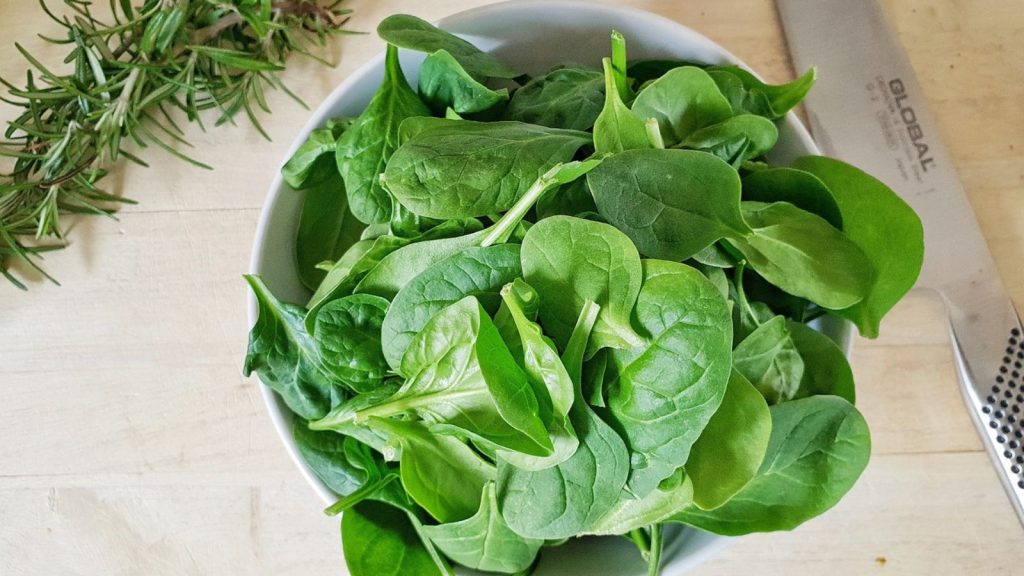
Spinach is one of the most nourishing green veggies that do exceptionally well in hydroponic systems. It happens quickly—within weeks, you can have a palm-sized portion of this nutritious leafy green. This fact makes spinach a perfect choice for those just starting their gardening journey or the impatient ones. The convenience of home-grown spinach might be used for the best spinach smoothie, fresh salad, or hot first course.
Radishes: Crunchy and Colorful

Hydroponic gardeners love growing radishes because they mature in as little as one month and come in a variety of colors. They can be harvested in as few as three weeks, provide some nutritional benefits if you plan on that, and also look pretty cool in your kitchen. The nice thing about growing radishes in a hydroponic setup is that you have much control over how they taste by using the correct amount of nutrients.
Bok Choy: Tender and Tasty
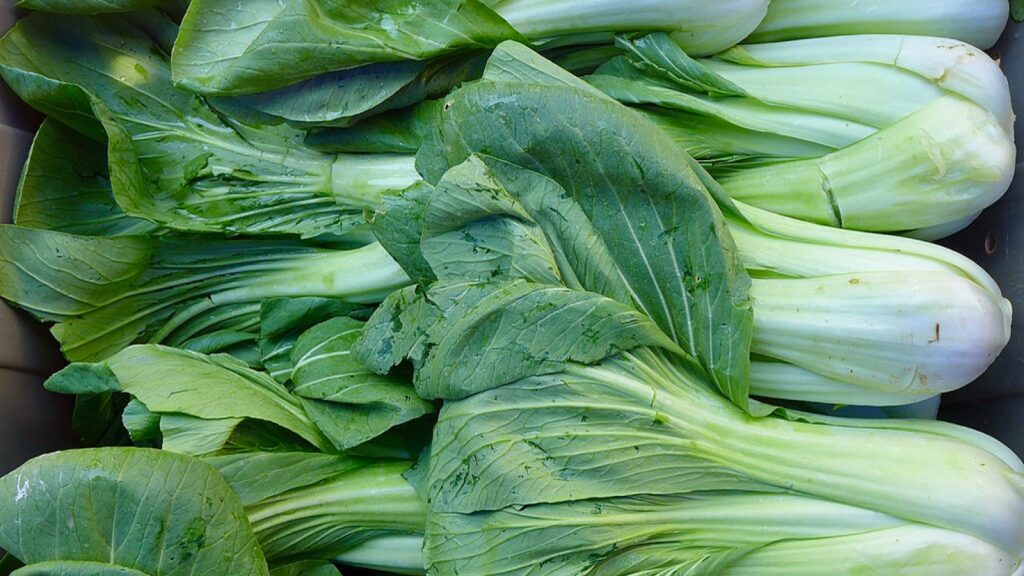
Bok choy is a kind of Cabbage and is also hydroponic friendly. The leaves are a little tender, but they do hold their shape when cooked—great for stir-frying or for use in salads. Bok choy is also filled with nutrition and tolerates both heat and cold, making it suitable for year-round growers set up inside your house.
Kale: Robust and Nutritious
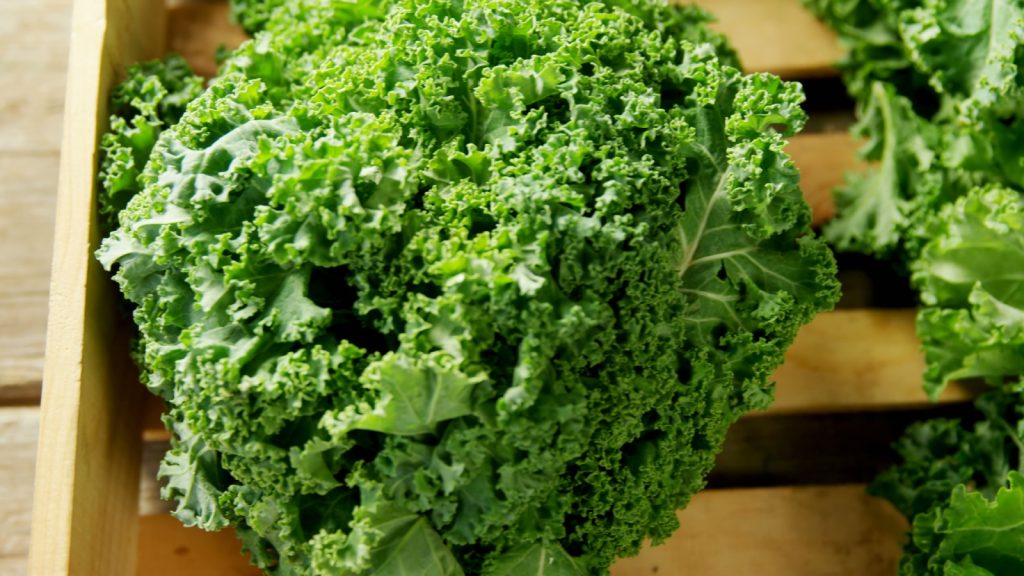
Kale also has some of the best nutrition on this list, so it is often a favorite amongst health-food gardeners for preparing fresh salads. In this article, we show you how easy it is to grow kale hydroponically to produce the most valuable and tastiest leaves. Since kale can be eaten raw in salads, blended into a smoothie, or cooked in any dish, it is very versatile. Growers can even produce this miracle food commercially, all year round, in a controlled environment.
Zucchini: Versatile and Abundant
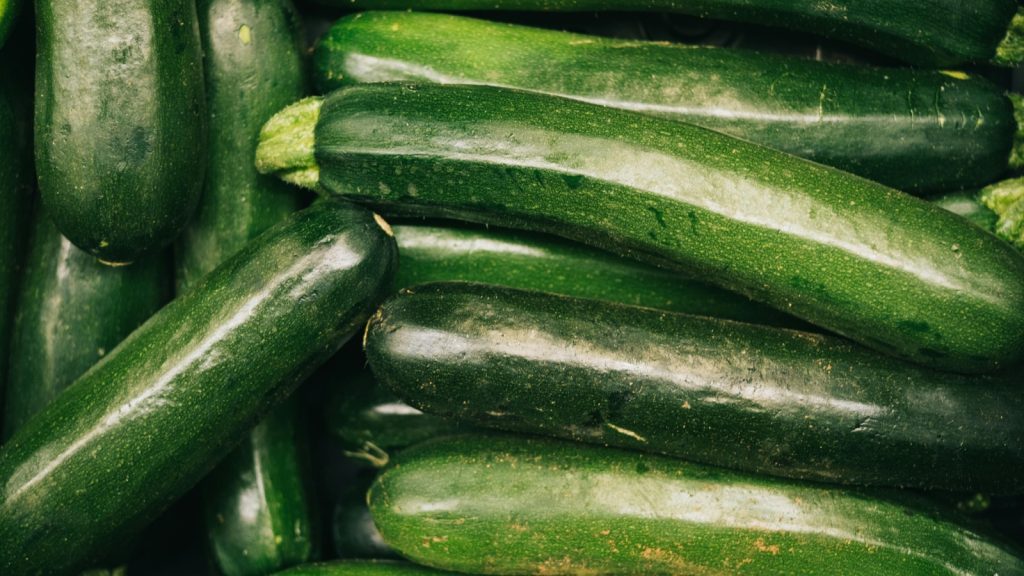
Zucchini is one of the more prolific plants in hydroponics production, making it an ideal choice for home canning. It is also a great vegetable to grill, bake, or spiralize into zoodles—hence its adaptability in many recipes. Small zucchini plants that vine tend to do well in containers and can be trained to grow up, making them perfect for small indoor spaces. One advantage to going hydroponic is the ability to control pests and diseases.
Arugula: Peppery and Fresh
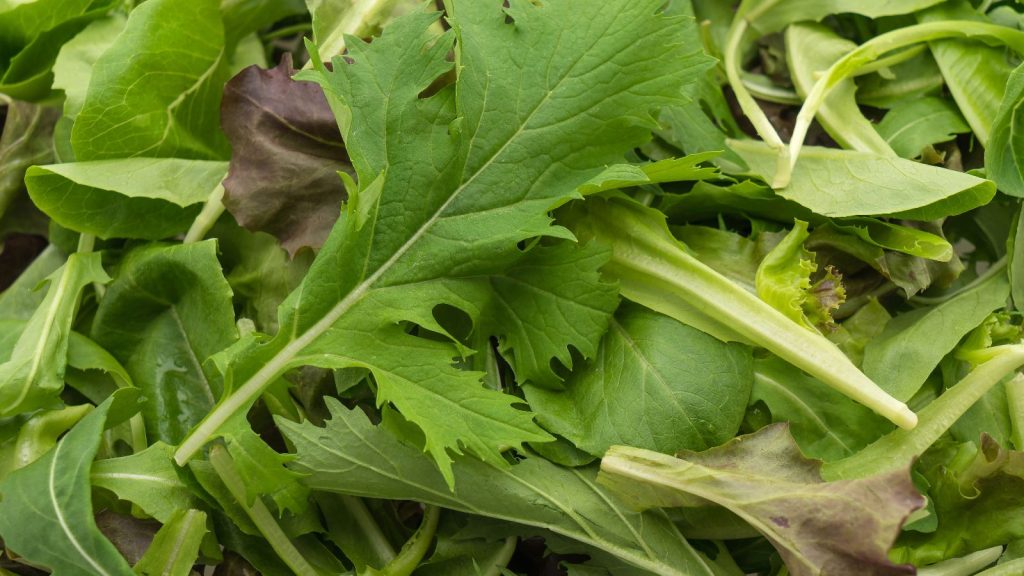
It is a deliciously bitter and spicier green that gives your salads and dishes another whole level of flavor, so it is worth growing arugula in your hydroponic garden. A rapidly germinating green that flourishes well in indoor controlled environments like those produced in a hydroponic system. Due to their small size, there is plenty of room for arugulas, and they re-seed well so that you can enjoy a continuous-growing season. Not only are you increasing the flavor of your dishes, but using fresh arugula is incredibly convenient.