“Household dust is a complex matrix of components, including dust mite droppings, dust mite feces, bacteria, mold, pet dander, small insects, pollen, and particles,” says Ketan Patel, design manager of floorcare at Dyson. Dust will always settle on surfaces, no matter how frequently you clean, making the job of keeping a home dust-free seem endless.
Despite our best efforts, dust reappears overnight, coating furniture and aggravating allergies. “I tell my clients you are never truly going to get rid of dust; it’s as ubiquitous as the air we breathe, but there are ways to reduce its presence. First, you need to identify which type of dust you’re dealing with and where it is coming from,” says Sara San Angelo, also known as The Cleaning Lady.
Ineffective Air Filters in HVAC Systems

Many ordinary HVAC filters cannot trap fine dust particles, recirculating dust into the air. Older filters become clogged and reduce airflow, diminishing their dust-catching capability.
High-efficiency particulate air filters should be installed to capture up to 99.97 percent of particles. Change the filters every three months or earlier. Check them monthly if you have pets or if your home is prone to dirtiness.
Drafty Windows and Doors

Small gaps around windows and doors allow dust to leak in from the outside during windy days, and they get bigger with time.
Weatherstrip the openings to shut these off, and for larger gaps around frames, dig in some caulk or use foam sealants. A door sweep can also prevent dust entry at the base of doors.
Carpeting and Rugs That Collect Dust

Carpets and rugs trap dust, pollen, and pet hair, released into the air with every step. Carpets should be vacuumed weekly using a HEPA-filtered vacuum that can catch very fine dust.
For high-traffic areas, carpets may need deep cleaning every 3-6 months, or carpeted areas can be replaced with hard flooring like wood or tile.
Poor Ventilation of Indoor Spaces

Stale air allows dust to settle, and poor ventilation keeps indoor pollutants and allergens inside. Opening windows for 10-15 minutes daily will renew the indoor air.
If some rooms do not have windows, an exhaust fan or a HEPA air purifier will help move the air and reduce dust accumulation.
Dusty HVAC Ducts

The nature of HVAC systems means that layers of dust and allergens build up in the ducts over time. This accumulative dust is blown back into the rooms whenever a heating or cooling system is turned on.
To improve the quality of air circulation, have a professional duct cleaning done every two to five years, depending on regional dust levels, pets present, and the overall level of air quality.
Pets and Their Dander

Moreover, pet hair and dander are primary sources of indoor dust. Even the shortest-haired pet sheds tiny particles of itself, mainly when sleeping on furniture or in bedding. Regularly brush and groom pets, preferably outside, and bathe them every four to six weeks.
Pet bedding should be washed at least once a week. If there is more than one pet in the home, consider using an air purifier to capture all of the airborne pet dander.
Low Humidity Levels

In dry indoor air, dust particles are lighter and stay airborne longer, settling on surfaces and lowering their cleanliness level. This occurs most uncomfortably during winter heating.
Run a humidifier to maintain 30-50% indoor humidity. This makes dust particles settle faster, making cleaning easier. A hygrometer can help monitor humidity to avoid excessive moisture that may lead to mold.
Dusty Upholstered Furniture
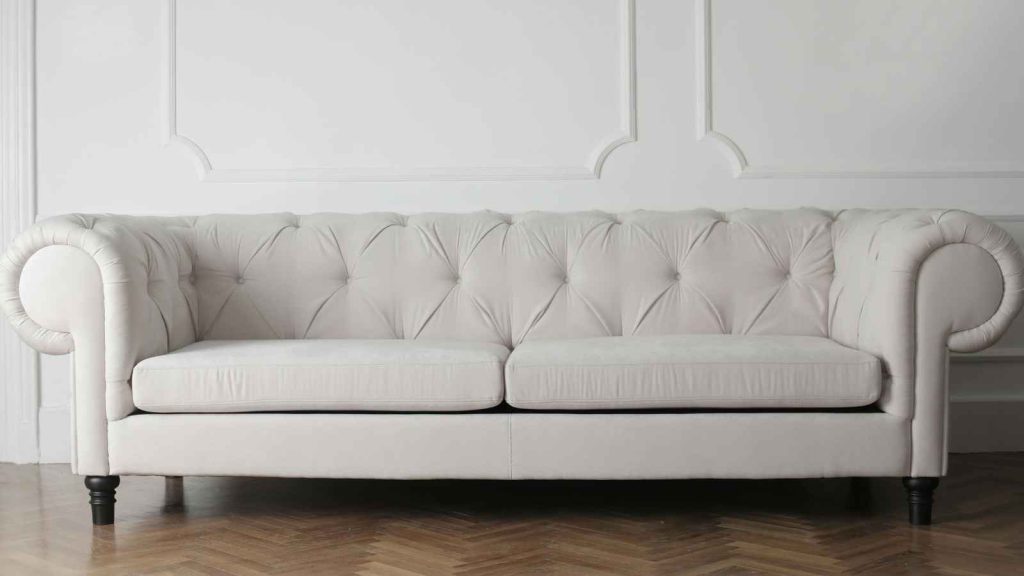
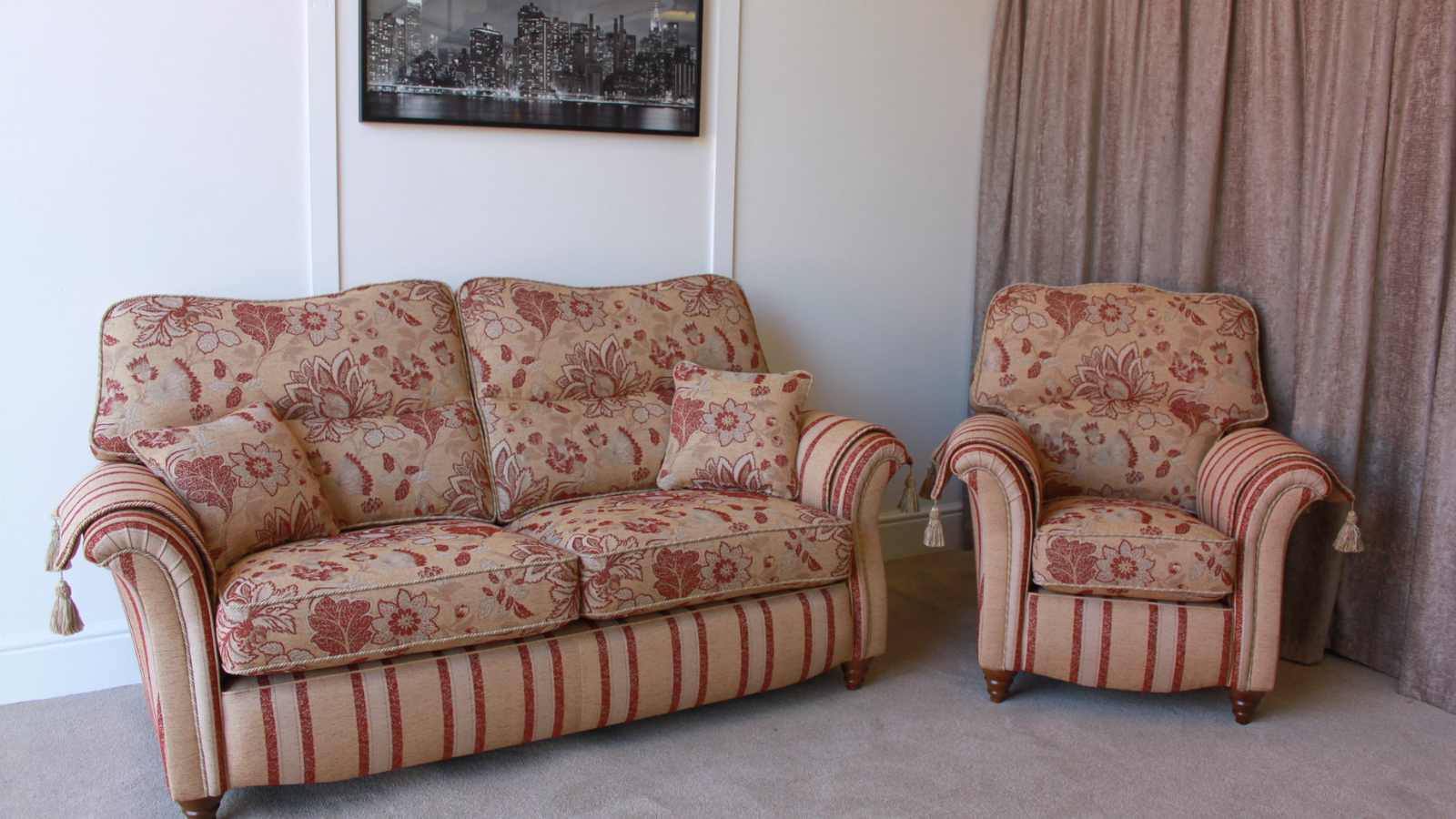
Upholstered furniture, too, accumulates dust in the air that settles deep into fabric fibers and cushions over time. Vacuuming furniture, especially in crevices and under cushions, every week is helpful.
Consider removable covers for chairs and couches that can easily be washed monthly. When such an option is not an option, a fabric cleaner assists in loosening dust and dirt.
Indoor Plants and Soil Particles
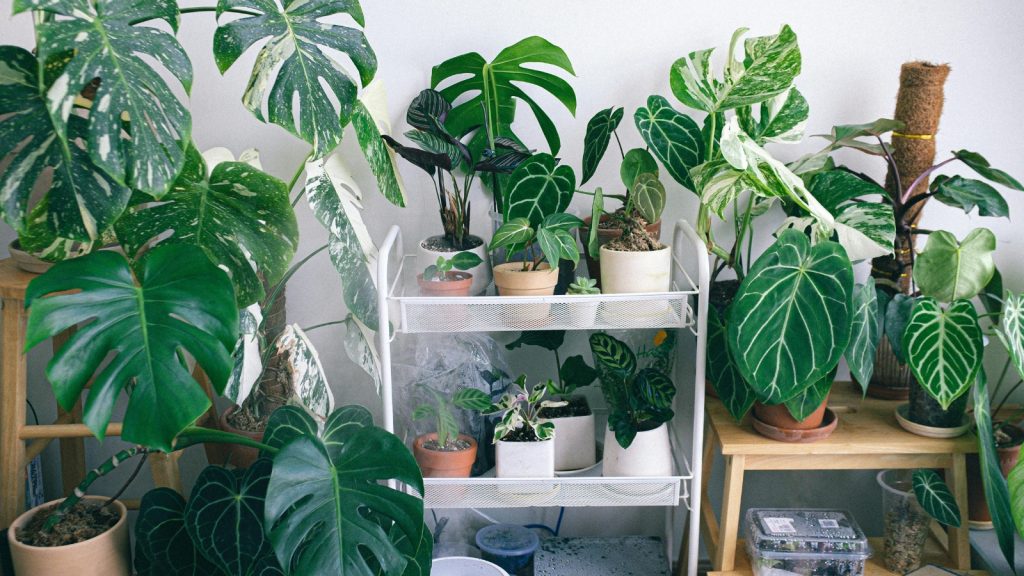
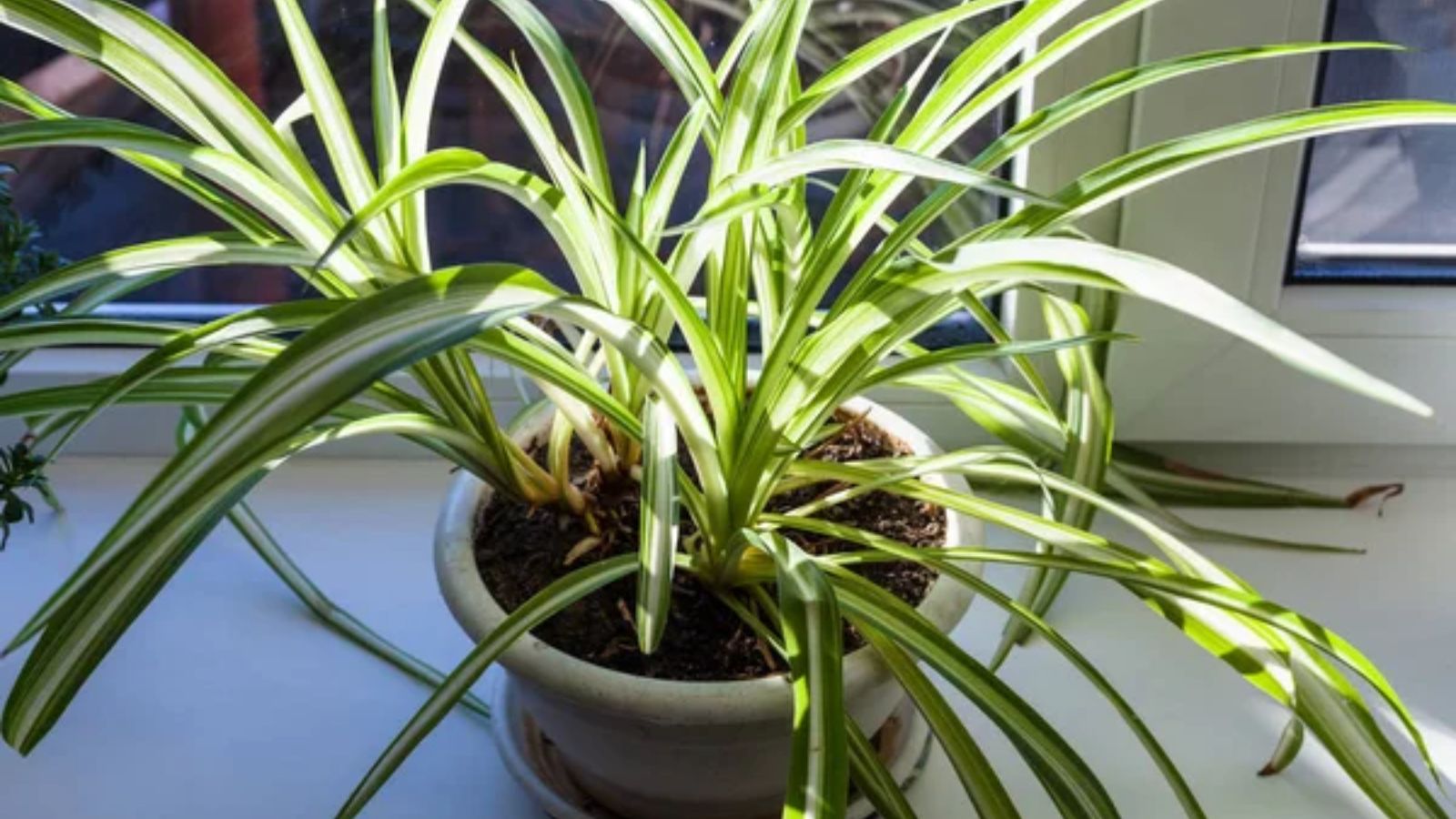
While they positively affect air quality, indoor plants contribute to dust through loose soil particles and natural plant shedding.
Save soil particles by covering the soil surface area with pebbles or mulch, and wipe plant leaves once a week to minimize dust buildup. This also helps them in photosynthesis and overall plant health.
High Foot Traffic Areas

The movement around entrances or corridors whips dust up from the floor, enabling it to circulate in the air and deposit on other items. Use good-quality doormats at the entrance, and consider not wearing shoes indoors.
Clean high-traffic areas regularly and vacuum or sweep those areas 2-3 times per week to reduce dust buildup.