Based on an economic and demographic standpoint, several U.S. states have a tough year ahead of them in 2025. According to the Bureau of Economic Analysis (BEA), some states are expected to see declines in gross domestic product (GDP) caused by factors like declining economic growth, aging populations, low birth rates, and outmigration. Most states dependent on manufacturing and agriculture are vulnerable, with job market contractions forecast based on a trend recognized by the U.S. Department of Labor site.
According to the Migration Policy Institute, such declines will only be furthered by changed migration patterns, both domestic and international. Populations will migrate towards more economically vibrant areas, leaving some states bereft of a workforce. Understanding these trends will help develop effective strategies to counter their negative impacts. Here are twelve states projected to face significant declines in various sectors
West Virginia

It’s estimated that West Virginia’s population will continue to decrease by 3 percent by 2025. The economy has been completely dependent on coal for its earnings, but the energy sector began transitioning to renewables, resulting in job losses.
Exacerbating the state’s economic woes, its GDP shrank by about 3.7% in 2020. Economists suggest investing in education and technology to attract new industries and revive the workforce.
Illinois

Illinois is a tourist attraction site, but its pension liability is expected to rise to $144 billion by 2025, threatening to push it into a financial crisis. This fiscal instability has caused an outflow of citizens searching for better opportunities elsewhere, which has led to a drop in population of 0.4 percent each year since 2014.
To retain talent and attract investments, urban planners advise replacing old regulations with more fiscal policies and infrastructure development.
Louisiana

Louisiana is a state known for its rich historical and unique culture. However, it has also been bedeviled by natural disasters that have resulted in economic disruptions and population displacement. The state’s economy shrank by 2 percent after Hurricane Ida in 2021.
As climate change increases the frequency of such events, Louisiana’s population is projected to decrease further. The challenge for policymakers is to improve resilience to disasters and increase investment in sustainable infrastructures such as resilient housing and flood defences.
Mississippi

Mississippi has one of the highest poverty rates in the country (18% in 2023). This economic hardship has contributed to the state’s slowly declining population, which is expected to stagnate or grow slowly in 2025.
However, educational attainment rates haven’t increased much: only 22% of the state’s residents have a bachelor’s degree. Education and job training programs could fast-track economic growth and improve the nation’s living standards.
Connecticut
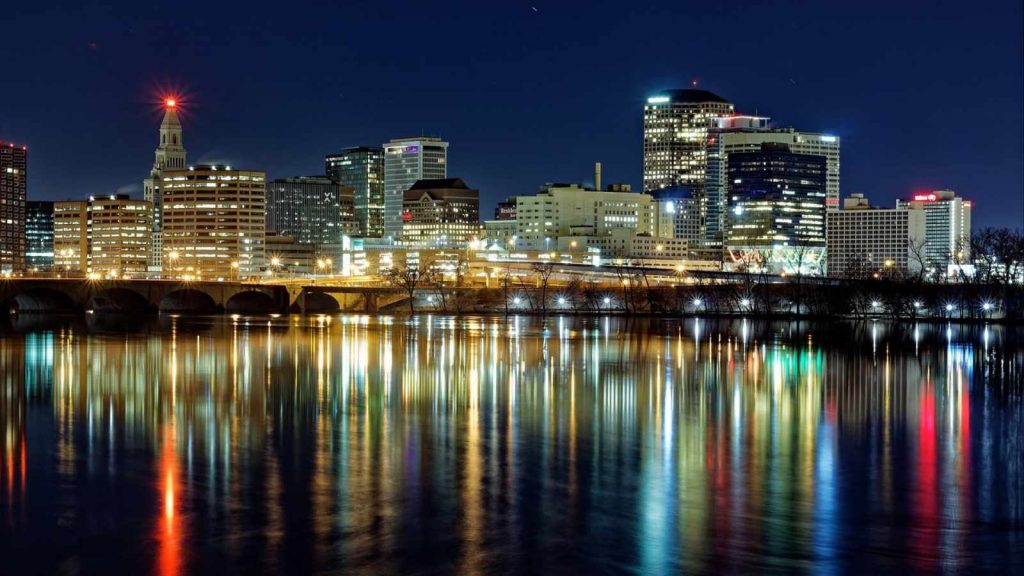
Like other states, Connecticut faces an increasingly shrinking labor force due to an aging population and the outmigration of young professionals. The state’s high cost of living and taxation are often cited as deterrents to retaining and attracting talent.
Urban planners suggest creating policies to reduce people’s living costs and to encourage businesses to set up and expand in the state.
New York

New York City, the economic center, after being struck by the COVID-19 pandemic, saw over 400,000 residents migrating in 2020. The national average cost of living index is 100, but New York’s is much higher by 169%.
Some return migration is expected, but the population may decline by 1 percent by 2025. A shift to remote work may bring change to the state’s commercial real estate market that will require adaptive reuse strategies and investment in digital infrastructures.
Vermont

Vermont’s population is aging rapidly, and residents aged 65 or older constitute 20 percent of the population. The demographic trend predicts that this will cause a 1% population decrease by 2025.
There is low job potential for younger people, and the workforce is trying to replenish itself. Policymakers should incentivize young families and immigrants to settle in Vermont.
California

Young generations are leaving California at an increasing rate because of the high cost of living and the state’s ongoing housing affordability crisis. Nearly 300,000 residents left the state in 2020.
The state’s population will decrease again by 2025, if housing and living costs continue to increase. Policymakers should consider strategies such as increasing affordable housing units and incentivizing businesses to create jobs outside major cities.
Maine

Maine’s population is getting older, with a median age of 45, the highest in the nation. As a result, the population continues to decrease. Maine can fight this by attracting young professionals and families with better jobs, better education, and family-friendly policies.
Remote work incentives could offer innovative solutions and rejuvenate its demographic profile.
Michigan

Michigan’s manufacturing industry is declining, and a 2% population decrease is projected in 2025. Economic vulnerability spread across when the state’s GDP fell by4.6%.
The transition to advanced manufacturing and the injection of research and development to spur growth can also help offset employment losses from traditional industries.
Ohio

Aging infrastructure is costing Ohio economic inefficiency and a projected population decline of 1.5 percent by 2025. According to a Department of Development report, the state will lose 675,000 people by 2050.
The state will have to invest heavily in infrastructure improvements—in transportation as well as broadband access—to attract businesses and even retain residents. Addressing these issues can create jobs and strengthen economic resilience.
Alaska

Alaska’s remote location and harsh climate increase the population challenges, which are predicted to decline by 1.8% by 2025. The state is also economically volatile because it’s dependent on oil, which generates 85 percent of its revenue.
Tourism, fishing, and renewable energy all have roles in diversifying the economy and, in the long term, stabilizing it and attracting new residents.
Disclaimer – This list is solely the author’s opinion based on research and publicly available information.
10 States Where Americans Struggle With the Most Tax Burden

10 States Where Americans Struggle With the Most Tax Burden
18 of the Most Dangerous Small Towns in America