
Just as your taste in music is ever-changing, so too is the real estate market. When you think you’ve got a grip on what’s trending, it changes tune. Industry predictions have forecast a slower pace than in previous years of home price increase. Fannie Mae forecasts a 6.1% rise by the end of 2024, slowing down to 3% in 2025. Mortgage rates are going to be another story, as the Federal Reserve hints at future interest rate cuts.
As in every good story, there are main characters, and in real estate, these are demographics, economic health, interest rates, and government policies. They are fundamental elements in determining the market dynamics. For example, an aging population may reduce demand in some places, and rising interest rates may prevent new entrants from buying.
California

California is the land of dreams, sunshine, and some of the steepest property prices known to humankind. It’s easy to look back at the Golden State and bask in the glow, but before you sign on that dotted line, think twice. Property prices in California are notoriously high, and there’s little indication of them cooling off.
The average price of a home in the state is $786,938 (£601,000), as reported by Zillow, a big jump from the average US property price of $360,681 (£275,279), making it hard for newcomers to get a handle on the market.
Tech and entertainment are the state’s economy, and that can be volatile. Hiccups in these industries can mean job losses and a decrease in the demand for housing. Not to mention the regular wildfires and earthquakes—Mother Nature really doesn’t like California. The insurance costs can soar and fall on top of those already hefty financial costs.
New York

Perhaps New York, the Empire State, wasn’t the empire-building opportunity it once appeared to be. High living costs combined with demographic changes make it quite complicated to purchase the property here.
New York is among the most expensive places in the country to live. Rent Cafe reports that New York’s cost of living is 26 percent higher than the national average. Utilities are 3% higher, and housing is 75% higher than the national average. Property taxes aren’t to be sneezed at. It means extra initial outlay and continual expenditure for investors.
People have been leaving New York City for greener, cheaper grass. This affects demand and can even decrease property values in some areas. Strict regulations and the possibility of rent control can also dampen investment returns. New York’s real estate market is a complex puzzle that landlords and property owners have to surmount.
Illinois

Illinois has Chicago’s skyline, but there is plenty of uncertainty in the property market. Investing here requires a crystal ball with economic challenges and declining population growth. Budget deficits and pension liabilities have weighed down Illinois financially.
“The state has some of the highest property taxes in the country, and Chicago is grappling with a high crime rate and budget deficits, leading to cuts in essential services and increased taxes,’ Yawar Charlie, estates director at Aaron Kirman Group at Christie’s International Real Estate told Yahoo Finance. ‘These financial strains make it difficult for residents to justify staying when they could find a safer and more financially stable environment elsewhere.”
Real estate opportunities need to be tread carefully by investors. The population is shrinking so the demand for housing is shrinking. Lesser residents mean lesser buyers, affecting real estate prices throughout the state.
Connecticut

The real estate market in Connecticut has its fair number of challenges, but what it lacks in that area, it makes up for with charm, historic homes, and just about everything else. Potential buyers are wary of the state’s tax policies and its own struggling economy.
Slow economic growth and a lack of job opportunities have been Connecticut’s preoccupation. All of these factors stop population growth and inhibit further demand for housing.
Property taxes and estate taxes are hanging red on the wall in Connecticut as well. These costs should be known to the buyers when making investment decisions. The impact of aging infrastructure and limited public transportation options can be a deterrent to potential buyers leading to a less than desired state of its overall real estate market.
New Jersey

Despite sounding like an idyllic locale, the real estate market is not so sweet in the Garden State. The complexities of investment in New Jersey are due in some measure to economic uncertainty and high taxes.
New Jersey’s economy has not been without its highs and lows, and that has trickled down to job growth and stability. However, this uncertainty will impact the performance of the housing market.
Property taxes in New Jersey are quite high, attracting a considerable amount of bad press and can drive away possible buyers and investors. Any decision to purchase a property has to factor in these costs. New Jersey may be close to New York and Philadelphia, but the real estate market is competitive and hard to crack into.
Michigan

Michigan’s automotive legacy may be legendary, but its real estate market isn’t as straightforward. They must be evaluated with care, specifically in terms of economic shifts and population changes.
The automotive industry in Michigan is a major economic engine, one very sensitive to manufacturing and trade fluctuations. The state’s economic resilience should be taken into consideration by buyers.
Population shifts and demographic change have meant demand for housing has moved elsewhere in Michigan. Investing locally requires investors to do their research first. Property maintenance and energy costs are subject to harsh winters and unpredictable weather. A buyer should be prepared when it comes to season time.
Louisiana

Louisiana’s real estate market is equally complicated but no less rewarding. Buyers must factor in economic volatility as well as weather risks. The industries – i.e. oil and gas – that Louisiana’s economy is tied to are fairly cyclical. Property demand and values could be affected by economic uncertainty.
Louisiana has been subjected to hurricanes, flooding and the risks they pose to property investments. Buyers should analyse the effect of weather related events. Property desirability and long term value can be impacted by aging infrastructure as well as limited public services. As such, buyers should consider these as well.
West Virginia

If you are driven by nature, you can settle in scenic landscapes and spot the outdoor recreation opportunities like fishing, hunting, and exploring caverns, but the real estate market is one you should check things carefully.
West Virginia is in the throes of an economy transitioning away from traditional industries, like coal mining, and towards new ones. The state’s economic trajectory should be taken into consideration by buyers.
Housing market challenges facing West Virginia are related to population decline and outmigration. Local demand dynamics should be researched by investor. Having limited amenities and services, rural areas may not have high property values. Buyers should evaluate the availability of essential resources.
Vermont

Vermont looks lovely, with its picturesque landscapes and quaint little towns, but its real estate market needs a peek under the hood. The factors to consider are economic, as well as the availability of housing.
Agriculture and tourism have helped to shape Vermont’s economy. The economic resilience and growth potential are things buyers should consider about the state.
Housing inventory constraints can sway real estate buyers and force up property prices. Investors should research local market conditions. Vermont experiences brutal winters and extreme changes in seasons which means property maintenance and living costs can be affected. Because of these weather-related considerations, buyers must be prepared.
Florida
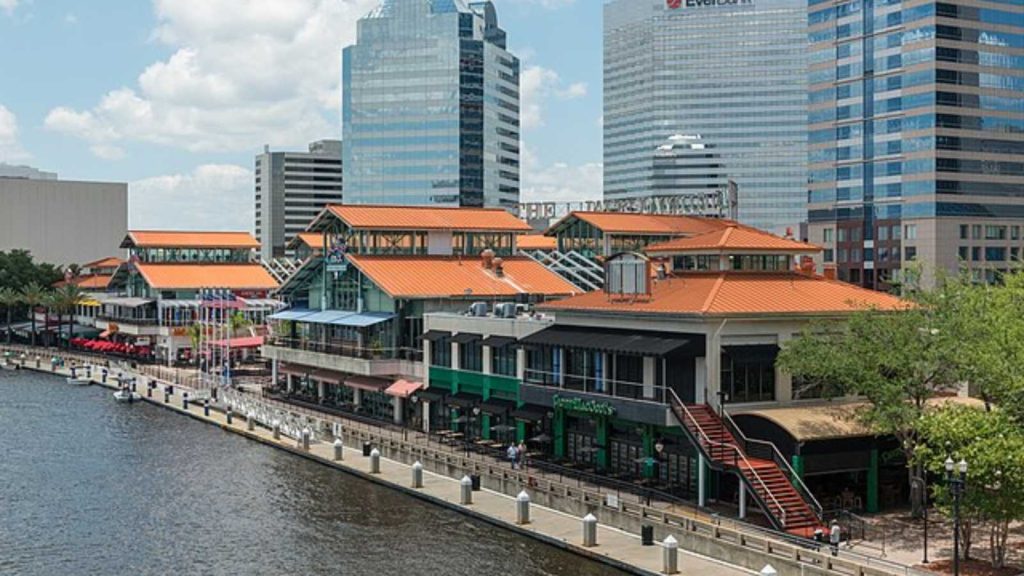
Florida might be the Sunshine State, but so does its real estate. A number of factors like economic and environmental, play a huge role in property values. Tourism and hospitality make up a large part of Florida’s economy and the state is prone to economic crashes. The economic stability of the state should be considered by buyers.
Floods and Hurricanes pose risks to coastal areas, which lead to declines in property values as well as insurance rates. Before going ahead to purchase waterfront properties, investors should research potential risks.
Demand for housing can arise from rapid population growth, but it can also be met by oversupply in some areas. Careful evaluation of local market conditions is part of the buyers’ task.
Disclaimer – This list is solely the author’s opinion based on research and publicly available information.
10 Most Underrated States to Visit on Vacation in the U.S.

10 Most Underrated States to Visit on Vacation in the U.S.
10 American States With The Worst Highways