

Inflation has significantly impacted many regions across the United States, and its effects are particularly pronounced in certain states. Over 40% of the U.S. population resides in one of the 15 states most severely affected by rising prices. These states, collectively representing 199 of the 270 electoral votes required to win the 2024 presidential election, hold nearly 74% of the electoral vote needed for a presidential victory.
The electoral influence underscores the critical role that economic conditions in these states play in shaping national politics. As inflation continues to challenge households and strain budgets, the economic stability of these states remains a pivotal issue in the upcoming election cycle. Here are 15 U.S States that are most hit hard by inflation.
Florida

Florida facing extremely tough economic situations and it surveyed among with highest cases of economic stress. In year-end 2022, the state also had the 13th highest year-on-year price increase of 118. 5 IPD. Personal per capita consumption increased only by 3. 4 % and at the same time real personal income decreased by 2%.
This resulted in a 5 % reduction which was slightly lower than the decrease witnessed in the U. S at 5%. According to latest data, Florida holds the second highest credit card non-arrival rate in the nation, with 11. 9% of credit card balances delinquent; 38% of adults in Florida suffers from the inability to pay for common necessities of life.
Louisiana

Louisiana understandably experienced one of the biggest drop offs in real personal income across the country, ranking ninth. The state had relatively small price increases to a 105. 1 IPD (38th in the U. S. ), and personal consumption expenditures were on average only 0. 9% (39th). The survey also revealed that a little over 44 percent of the people in the state could not afford basic needs, therefore the 11 percent credit card delinquency; ranking the state sixth in the country.
South Carolina

South Carolina resembled most of the Southern region in its economic distress as evidenced by a 108. 6 IPD increase stands considerably lower than many of the other states in the country. Real personal income in the state decline by 3 percent and personal expenditures increase by 3 percent. 6 % indicating the countries’ 13th position in terms of growth. Around 38. 7% of the adults said that they have trouble making ends meet and 10% of the state’s population was considered impoverished. A 4% credit card delinquency rate which placed the country at position 11.
Georgia
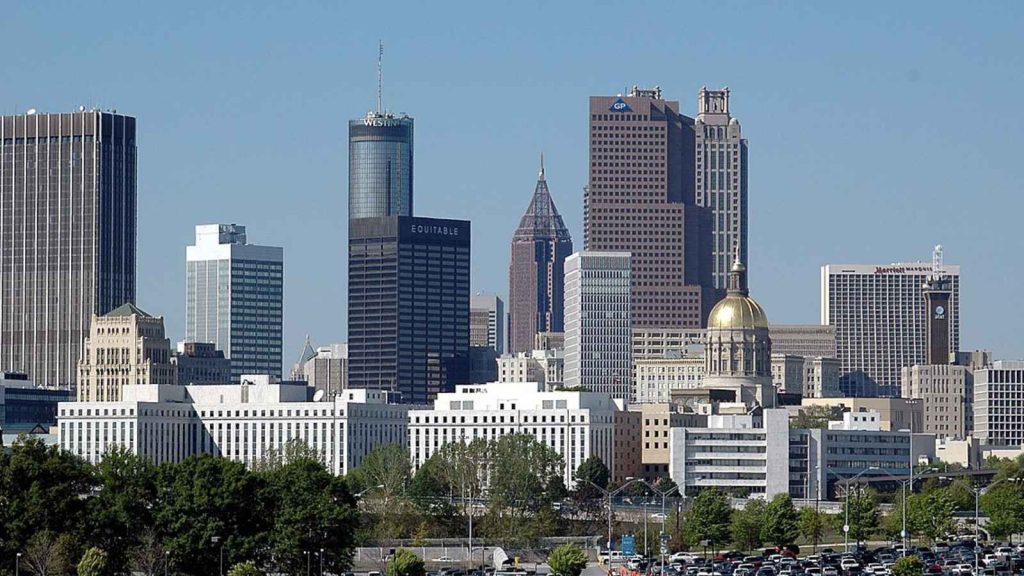
The inflation rate of Georgia was 111 percent between 2021 and 2022 which reveals major economic challenges it had to face. and 2 IPD and a 4. As for the condition that makes the short term production increase while the long term production decreases, it is the 5% real personal income. Overall, personal spending was up by a mere 3% and nearly 39% of the residents have cited payment challenges for their bills, which made the state rank 9th of the list of states that face the hardest time financially. Responding to the question, it can be stated that Georgia’s credit card delinquency rate was 10. 5%; which ranked second highest among the states in the U. S.
California

California was equally challenged with severe economic hardships including high poverty rate and unemployment. The expenditures are also affected by the fact, that pension-funded ratio of the state was only 58. Employer’s post-employment benefits were funded at the level of 5% and other post-employment benefits were funded at the level of 23%. 3%. Price inflation reached 130. Four percent of core AI, and actual individual income decreased by five and half IPD. 9%. However, and despite all these challenges personal expenditures increased by 2. 4% which ranked the state the 26 th best in the Nation. About 38 percent of the adult in California admitted that they have a hard time making ends meet.
New York

New York’s IPD was made to be 124 because prices of goods and services were on the rise. 9 in 2022. The real personal income decreased by 3% to $32,563 and personal outlay increased only by 5% to $12,309. 2% which ranked as one of the lowest among all the state in the nation according to the projected trend. New York State reveals even worst picture where nearly about 37% of respondents expressed their financial strain in meeting their bills.
Texas
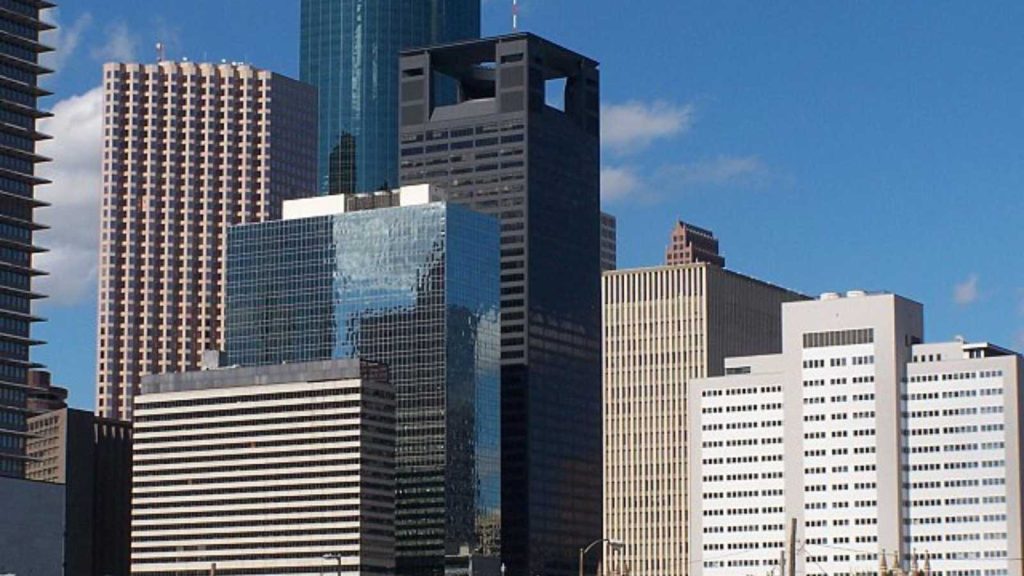
Texas had a number of financial problems even in the economically powerful year of 2022. At the same time, personal consumption expenditures increased by 4%, and were 11th in the U. S. , while real personal income decreased only by 0. 5%. Nevertheless, 39% of civilian population in Texas stated that they faced problems with payment of bills, credit card delinquencies in the state has risen to 11 percent. 8%, ranking fourth nationally.
Hawaii

Hawaii has been voted as one of the places with the highest cost of living hence putting a lot of pressure on many people financially. Although, the number rose by 128 percent in state’s revenues in the same year, the county did not gain anything. It was estimated at 6 IPD more in 2022; personal consumption expenditures were up by 4. 7%.
Nevertheless, they still can afford a very high cost of living, in which only 33. They have other necessities just like any other Americans, 6 percent of the residents experience challenges paying for bills, place 35 in the country. In specific respect, the state credit card delinquency rate as identified in the report was 8%. 3%, one of the lowest in U. S.
Alaska

Alaska in 2022 had the highest percentage point increase in personal consumption expenditures among all the states at 5%. 7%. But real personal income fell by 0. and the employment growth also continued to be negative at 7%. A third of Alaskans claimed basic costs were hard to manage; credit card delinquency of 10 % ranked the state 15 th in the country.
Alabama

Economy of Alabama was also not very strong as it had the 46th rank in economic conditions. Incomes remained stagnant leaving most of the residents under a lot of pressure in terms of finance due to inflation. A significant number of people of Alabama were found to spend more than 30% of their income on housing which worsened the situation.
Nevada

Poor economy was realized in Nevada as 46% of the adult population stated that they could barely make ends meet in paying for their household bills. The overall value of goods and services per capita in state also declined by $ 815 from $62,321 in 2021 to $61,506 in 2022.
Due to the COVID-19 pandemic, Nevada’s tourism sector was severely impacted; therefore, the state experienced 6. 3: low density of inhabitants mainly because of 7% of unemployment, and the struggle of many citizens to pay their bills.
Oklahoma

Oklahoma was 10 among 50 states according to the economic pain score, as personal consumption expanded at the 13th slowest rate in the country between 2021 and 2022. In other Oklahoma, the state’s level of inflation was relatively small and managed to post an IPD of 103. Still, according to the survey, 42% of Oklahomans faced the problem of bill payment indicating that the state still has many families struggling financially.
Connecticut

Connecticut remained among the worst-off states regarding residents’ finances: 43 percent of adults in the state had reported being unable to pay for a basic necessity at least once in the year prior to the survey. All of the adults are not able to pay regular expenses with small percentage of 3% of them.
Nonetheless, the state’s per capita income was relatively higher at $85,198, but equivalent regional inflation was up 6. 4%, which put considerable extra financial burden for ordinary citizens thus forcing them to face increased education and housing costs.
Arkansas

Arkansas reported a high incidence of financial vulnerability, with 46% Adults below 60 with poor well-being and with ability to pay for basic needs at least 25% less than before. The state stood lower in the per capita personal income list with $51,240. Increasing costs of living that include accommodations, rent in particular, were the other primary ways through which many Arkansas people experience financial difficulties.
New Mexico

Data analysis showed that 46. 1% of the adult population in New Mexico had issues paying for basic needs. Its per capita income ratio was below the regional level, and an 8 % inflation rate. Across the 50 states in the United States, the unemployment rate increased to 3% in the Mountain West which made the economic position for many people a worse one. The state, like many other states, struggled with high unemployment, and financial problems after the COVID-19 pandemic.
Disclaimer – This list is solely the author’s opinion based on research and publicly available information.
15 Most Dangerous Cities in America

15 Most Dangerous Cities in America
The 13 Safest Big Cities in the U.S.


