Gardening is rewarding, but sharing your yard with wildlife can make it harder to grow healthy plants. Deer, rabbits, squirrels, birds, insects, and other animals are often drawn to vegetable gardens and flower beds. They may nibble leaves, dig up seedlings, or feast on ripe fruits before you have the chance to harvest them.
Wildlife is an important part of a healthy environment, so the goal isn’t to get rid of it. Instead, the best strategy is to protect your plants while allowing animals to coexist nearby. These simple methods can help keep your garden productive without causing harm to local wildlife.
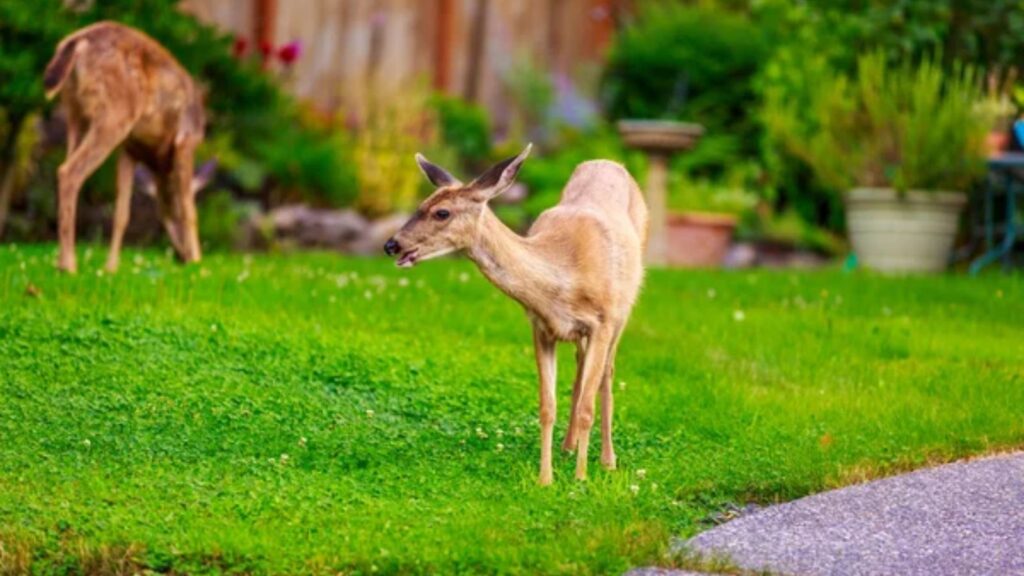
Install Fencing
A good fence is one of the most dependable ways to protect a garden. The type of fence you need depends on the animals in your area. Deer usually require fencing at least 8 feet tall, while rabbits and groundhogs can often be stopped with shorter fencing made from chicken wire or hardware cloth. If you’re dealing with digging animals, bury the bottom of the fence several inches below the soil.
Related: 13 Easy Ways to Remove Scratches From Wood Furniture
Use Motion-Activated Sprinklers
Motion-activated sprinklers surprise animals with a quick burst of water whenever they enter your yard. The sudden spray is harmless but often enough to send deer, rabbits, raccoons, and other visitors elsewhere. Since the sprinklers only activate when movement is detected, they also help conserve water.
Apply Natural Repellents
Many animals dislike strong smells and spicy ingredients. Homemade or store-bought repellents made with garlic, hot peppers, or predator scents can discourage deer, rabbits, and squirrels from feeding on your plants. These products need to be reapplied after heavy rain or frequent watering to keep working. Pairing repellents with fencing or other barriers usually gives better results.
Related: 11 Easy Ways to Soundproof Your Bedroom Without Major Renovations
Grow Plants Wildlife Avoids
Some plants naturally discourage browsing animals because of their scent, texture, or taste. Deer and rabbits are less likely to nibble on herbs such as rosemary, mint, lavender, thyme, and sage. Mixing these plants throughout your garden may reduce damage while adding color and fragrance.
Protect Crops With Bird Netting
Birds can strip berry bushes and fruit trees just before harvest. Lightweight bird netting creates a barrier that keeps them away while still allowing sunlight and rain to reach the plants. Secure the edges tightly so birds can’t slip underneath the mesh.
Related: 15 Clever Ways to Use Mason Jars Around the House
Build Raised Garden Beds
Raised beds make it harder for burrowing pests like gophers and moles to reach your vegetables. For added protection, attach hardware cloth or wire mesh to the bottom of each bed before filling it with soil. This creates a sturdy barrier beneath your plants.
Add Motion-Activated Garden Lights
Many animals prefer to forage after dark. Motion-activated lights can startle raccoons, skunks, deer, and other nighttime visitors, making them think twice about entering your garden. Solar-powered lights are an easy option since they don’t require wiring.
Cover Plants With Row Covers
Lightweight row covers protect vegetables from insects, birds, rabbits, and other hungry visitors without blocking sunlight or rainfall. They’re especially useful for young seedlings, leafy greens, and crops that don’t require insect pollination while covered.
Create Rough Barriers Around Plants
Slugs and snails dislike rough, dry surfaces. A ring of gravel, coarse mulch, crushed eggshells, or similar materials around vulnerable plants can make it harder for these pests to reach tender leaves. This method works well around strawberries, lettuce, and other low-growing crops.
Related: 12 Easy Ways to Turn Old Photo Albums Into Useful Organizers
Invite Helpful Predators
Nature already has plenty of pest control built in. Birds of prey, owls, frogs, praying mantises, ladybugs, and beneficial snakes all feed on common garden pests. Providing water, native plants, and safe shelter encourages these helpful animals to visit your yard.
Rotate Scare Devices
Scarecrows, reflective tape, pinwheels, and wind chimes can discourage birds and small mammals for a while. Animals often become used to them if they stay in the same place too long. Moving them around or switching to different scare devices every few weeks helps keep them effective.
Plant Helpful Companions
Some plants naturally discourage pests while helping nearby crops grow. Marigolds can discourage certain soil pests and may also help keep rabbits away from vegetable beds. Basil is often planted near tomatoes because it helps repel some insects while making good use of garden space.
Seal Burrowing Entry Points
If gophers, moles, or other digging animals keep returning, inspect your garden for tunnels and entry points. Installing underground wire mesh around the garden’s perimeter can block access before they reach your plants.
Shield Young Trees and Shrubs
Young trees and shrubs are especially vulnerable during fall and winter when food is harder for wildlife to find. Tree guards, plastic wraps, or wire mesh placed around the trunk help protect the bark from deer rubbing their antlers or rabbits chewing on it.
Give Wildlife Another Food Source
In some situations, offering wildlife an alternative food source away from your garden can reduce damage. A feeding station placed well away from your vegetable beds may draw animals toward seeds, nuts, or corn instead of your crops. While this method doesn’t work everywhere, some gardeners find it helps reduce visits to the areas they want to protect.