
Winter storms can turn a normal morning into a long list of chores. You wake up to a snow-covered driveway, icy sidewalks, frozen car doors, and a windshield that needs scraping before you can head out.
Shoveling and spreading salt are part of the usual winter routine, but other tricks can make things a little easier. Some help prevent ice from building up, while others save time when you’re clearing snow or dealing with frozen car parts.
Here are 15 winter weather hacks worth trying when the temperatures drop.
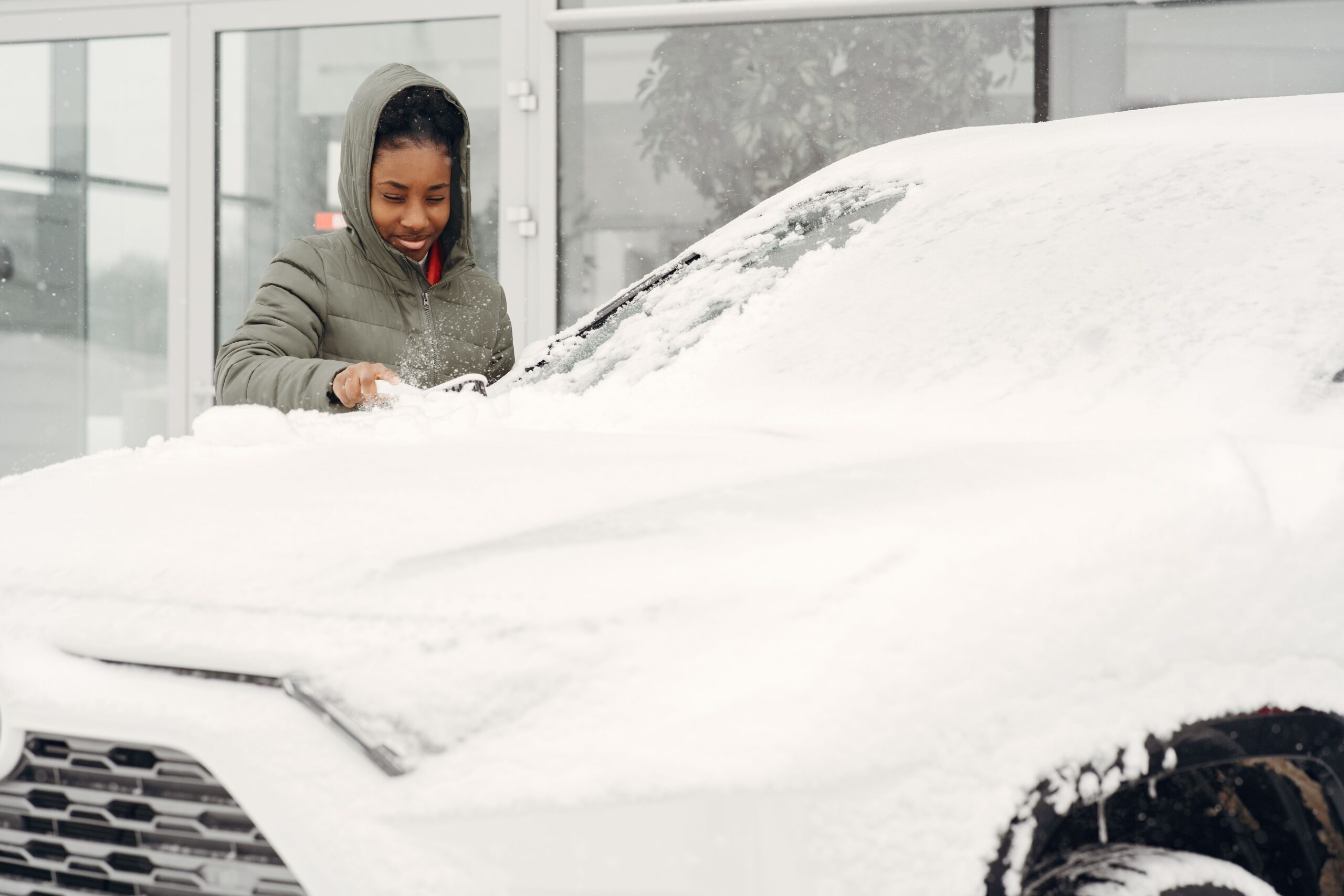
1. Place Socks Over Your Windshield Wipers
Windshield wipers can freeze to the glass overnight, making them difficult to lift in the morning. Slip clean, dry socks over the blades before a storm to help keep snow and ice from sticking.
2. Use a Leaf Blower for Light Snow
A leaf blower can save you from dragging out the shovel after a light snowfall. It works best on fresh, powdery snow covering driveways, sidewalks, and cars, but won’t do much against wet or packed snow.
3. Spread Sand for Better Traction
Sand won’t melt ice, but it can give your shoes and tires a better grip on slippery surfaces. Keep a small container nearby and sprinkle it over icy patches on your driveway, steps, and walkways.
4. Use Rubbing Alcohol on Frozen Locks
A frozen car lock can make an already cold morning even more frustrating. Rubbing alcohol can help melt the ice, so keep a small spray bottle with an appropriate de-icing solution at home instead of forcing a frozen key.
5. Cover Your Windshield Before a Freeze
Scraping ice off your windshield can take several minutes, especially after an overnight freeze. Use a windshield cover or an old outdoor blanket to keep frost and snow off the glass.
6. Keep a De-Icer Spray Handy
A store-bought windshield de-icer can make it easier to clear ice from your car windows and mirrors. Keep one in your home or garage so you can reach it even if your car doors are frozen shut.
7. Keep a Plastic Ice Scraper in Your Car
If you misplace your regular ice scraper, a sturdy plastic card might help with a small patch of frost on the glass. Still, a proper ice scraper is safer and more comfortable to use, so keep one in your car throughout winter.
8. Use a Warm Water Bag on Icy Windows
A sealed bag filled with warm (not hot) water can help loosen a thin layer of ice on a car window. Move it gently across the outside of the glass, and avoid pouring hot water directly onto the windshield because sudden temperature changes can cause cracks.
9. Cover Side Mirrors Before Snowfall
Side mirrors can collect frost and ice overnight, leaving you with another job before driving. Cover them with purpose-made mirror covers or secure waterproof covers before the snow starts, then remove them before getting on the road.
10. Use Pool Noodles as Garage Parking Guides
Parking in a tight garage can be tricky when winter coats, boots, and snow-covered gear take up extra space. Attach pieces of pool noodles to the garage wall where your car doors might hit to help prevent accidental dents and scratches.
11. Use a Broom to Clear Light Snow
A soft-bristled broom can make quick work of a thin layer of powdery snow on your porch, steps, or car. It’s much lighter than a shovel and works well for small areas after a light snowfall.
12. Insulate Outdoor Pipes
Freezing temperatures can cause exposed pipes to freeze and burst, leading to expensive repairs. Cover outdoor pipes with foam insulation sleeves and follow local winterizing advice to protect them before temperatures drop.
13. Spray Cooking Oil on Your Shovel
Wet snow can stick to a shovel blade, making every scoop feel heavier than it should. AccuWeather recommends coating the blade with cooking spray to help snow slide off more easily.
14. Use Table Salt on Small Icy Patches
If you’ve run out of rock salt, ordinary table salt can help melt thin layers of ice on smaller areas. Salt works by lowering the freezing point of water, but it can damage concrete, plants, and nearby soil if used too often or in large amounts.
According to the Salt Smart Collaborative, traditional rock salt works best when temperatures are around 15°F (-9°C) or higher. For colder conditions, a different de-icer may be needed.
15. Keep Cat Litter in Your Car for Traction
A bag of non-clumping cat litter can come in handy if your tires get stuck in snow. Sprinkle a small amount around the drive wheels to add grip, but don’t use it as a substitute for proper winter tires or safe driving practices.