


It seems like painting a room is an easy thing to do, doesn’t it? I get a brush, crack a can open, and spread paint on the walls. If you’ve ever tried to execute a paint project yourself, you know how quickly things can go wrong. Yes, there’s more to a good paint job than just rolling on some color, and many have learned (the hard way) about streaky walls and mismatched colors.
In this article, we will discuss some of the most common mistakes people make when painting a room and, more importantly, how you can avoid them.
Starting in the Wrong Spot

It can make a big difference where you begin painting. Many people begin by painting the walls first, but doing so results in drips and splatters on their freshly painted trim or ceiling. In many cases, it’s best to begin with the ceiling and work downward. Doing so allows you to solve any mistakes as you fall toward the floor.
Ignoring Color Testing

Have you ever walked into a room and thought, “Whoa, that’s not what I expected?” That’s the price you pay for skipping the most important step of testing paint colors.
A color will look great in the bright store lights, but when you get it home, it will look completely different. Try testing a small patch on your wall and see how that color looks at different times of the day. You’ll thank yourself later.
Rushing the Drying Process

Rushing the drying process is a big mistake. Always let it dry fully before applying another. Waiting between coats prevents smudging, streaking, and, in some cases, peeling. It’s tempting to speed things up, but giving the paint time to dry will pay off with a flawless finish.
Forgetting to Mix the Paint

The pigments in the can can separate, and the paint can settle. If you don’t stir it well before you start painting, you may get inconsistent color. Always make sure you stir the paint thoroughly before you start and throughout your painting session to keep the color consistent.
Not Protecting Your Floors and Furniture

No one wants to sit there for hours scrubbing paint splatters off their floors or furniture. However, people often neglect to protect their space before painting. For starters, make sure you cover your floors with a drop cloth and cover or move any furniture in the room. It’s much easier to prevent a mess than to clean it up, trust me.
Overbrushed or Overloaded Brush or Roller

If you’ve ever had streaky walls or paint dripping down as you worked, you likely applied too much paint to your brush or roller. Speeding things up with a heavy hand is just making a mess. The trick is to lightly brush your wall, then apply your paint in straight, even strokes. Patience is your friend here.
Forgetting to Tape

Without painter’s tape, the odds of getting crisp, clean lines between the walls and ceiling are slim, and we all like to think we have a steady hand. Skipping the tape usually results in uneven edges and that dreaded smudged look. You want to take the time to tape off your trim, baseboards, and any other areas. While it might be tedious, it’s worth the effort.
Painting Over Wet Spots

Wet spots, damp plaster, or moisture on the walls are some of the worst things you can paint over. Eventually, the moisture will cause everything to bubble, peel, or flake off. This means you must wait until the surface is absolutely dry before applying any paint. Here, patience will save you from a world of frustration later.
Painting in Bad Lighting

Your paint job can be made or broken by lighting. Painting in a darkly lit room can cause you to miss areas or apply the paint unevenly. Before you even start painting, always make sure the room has proper lighting. Natural light is best, but if not, bring in some extra lamps or work lights so you can see what you’re doing.
No Ventilation
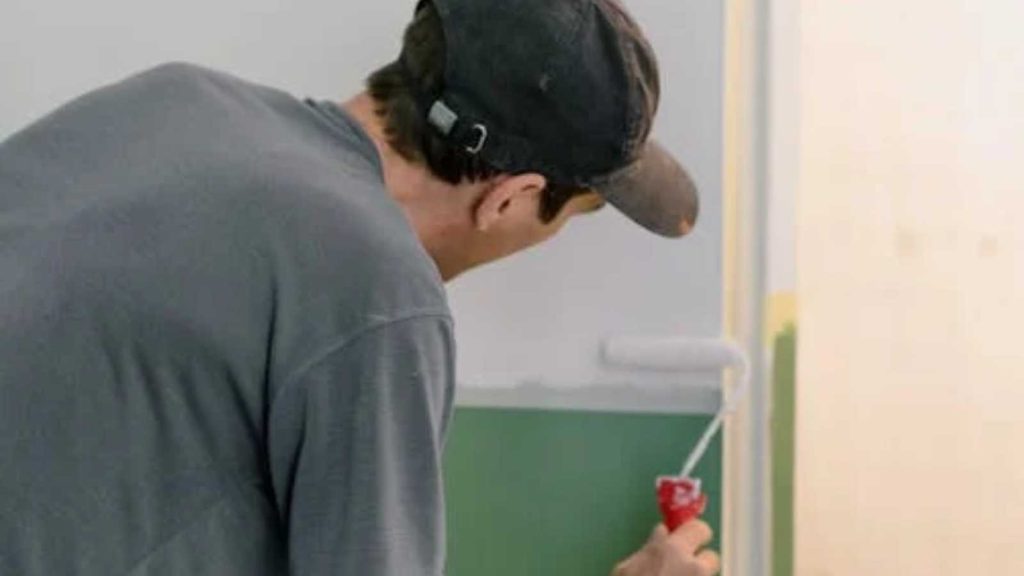
According to LEV Engineering, paint fumes can be dangerous, and if you’re in a small, enclosed room, it can be even more so. If you forget to properly ventilate the space, it can be less than pleasant. If you paint, always keep windows or doors open, or use fans to keep the air moving. Your lungs will give you thanks for it!
Using Cheap Tools

You may not realize how much quality tools matter. Cheap brushes or rollers can push bristles or fibers into your paint, making it uneven. Investing in good-quality brushes and rollers will give you smoother, more consistent results, but it’s tempting to go for the budget option.
Forgetting a Second Coat

After all, one coat of paint seems sufficient, and the color appears great right out of the can. But don’t let that fool you! A second coat is also applied to deepen the color and provide the surface with an all-over even finish. If you’re using a light color over a dark one, skipping that extra layer often results in patchy or streaky walls.
Skipping Prep Work

According to mjkloss.co.uk, the biggest mistake people make is diving right into the painting without first prepping the surface. If your walls are greasy, dirty, or have holes and cracks, the paint won’t stick to them.
Before you even dip that pretty color, make sure the surface is clean, smooth, and ready for action. Prep work is not glamorous, but it’s a foundation on which the beautiful paint job gets built.
Choosing the Wrong Paint
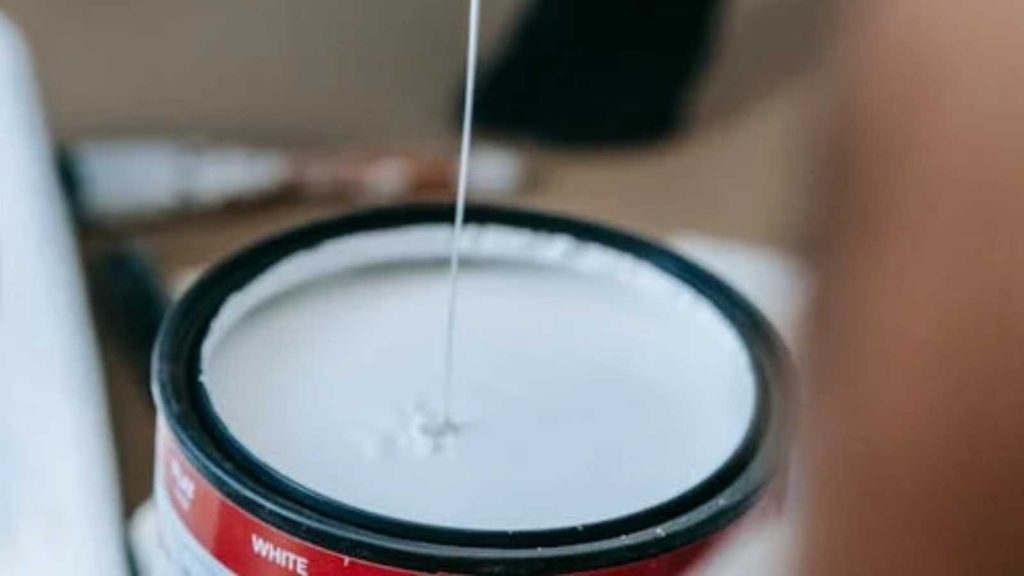
The wrong type of paint for your space can result in a poor finish. Matte paint, for example, is a good choice for bedrooms, but not for kitchens or other high-traffic areas where you’ll need something more durable, such as a satin or semi-gloss finish. It is important to know which paint suits which room to get the look and durability you want.
Not Allowing Enough Time
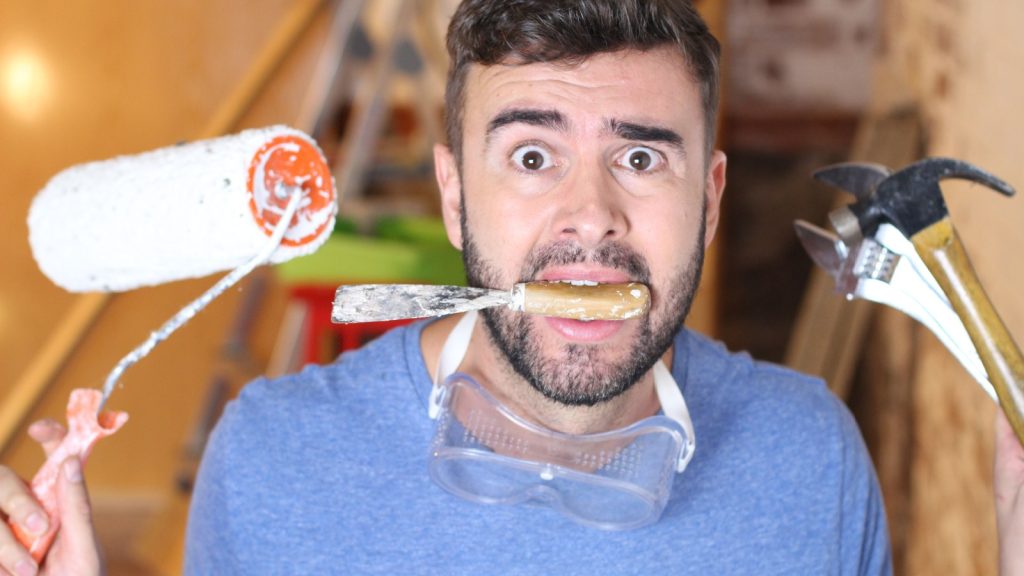
And the biggest mistake of all might be underestimating how long it will take. You might think: “I’ll knock this out in a couple of hours,” but between prepping, painting, drying, and all those finishing touches, painting a room can take all day, or even multiple days.
Give yourself lots of time to do it right so you don’t find yourself staring at a half-finished wall wishing you’d started sooner.