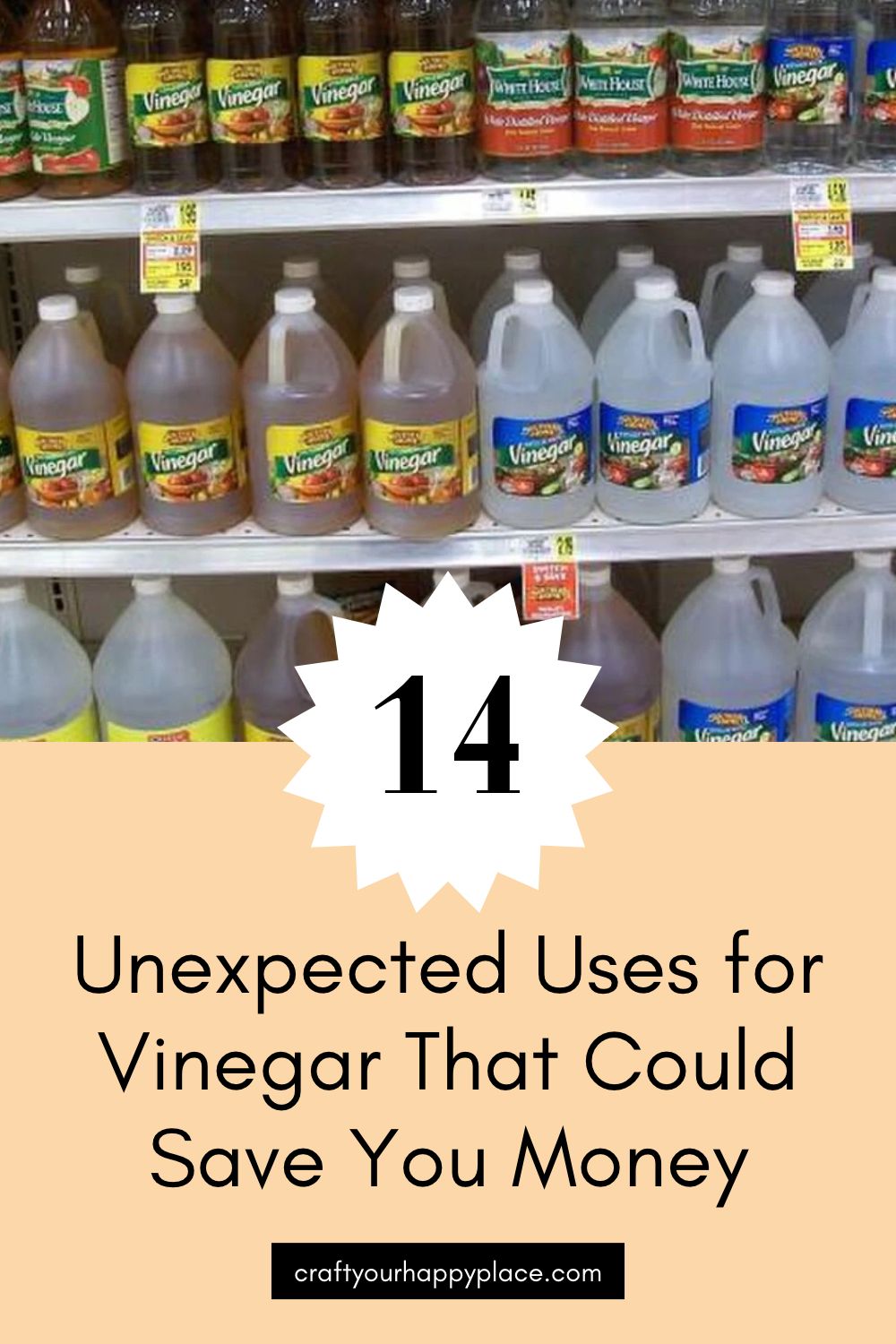
Vinegar is one of those kitchen staples many people already have in the cupboard, but they often save it for salad dressings, marinades, and the occasional cleaning job. A bottle of white vinegar can actually come in handy for several other household tasks.
Its acidity helps loosen certain mineral deposits, cut through grime, and reduce odors. It’s inexpensive and easy to find, though it isn’t suitable for every surface, appliance, or cleaning job.
Here are 14 ways to use vinegar around the house, along with a few things to keep in mind before trying them.
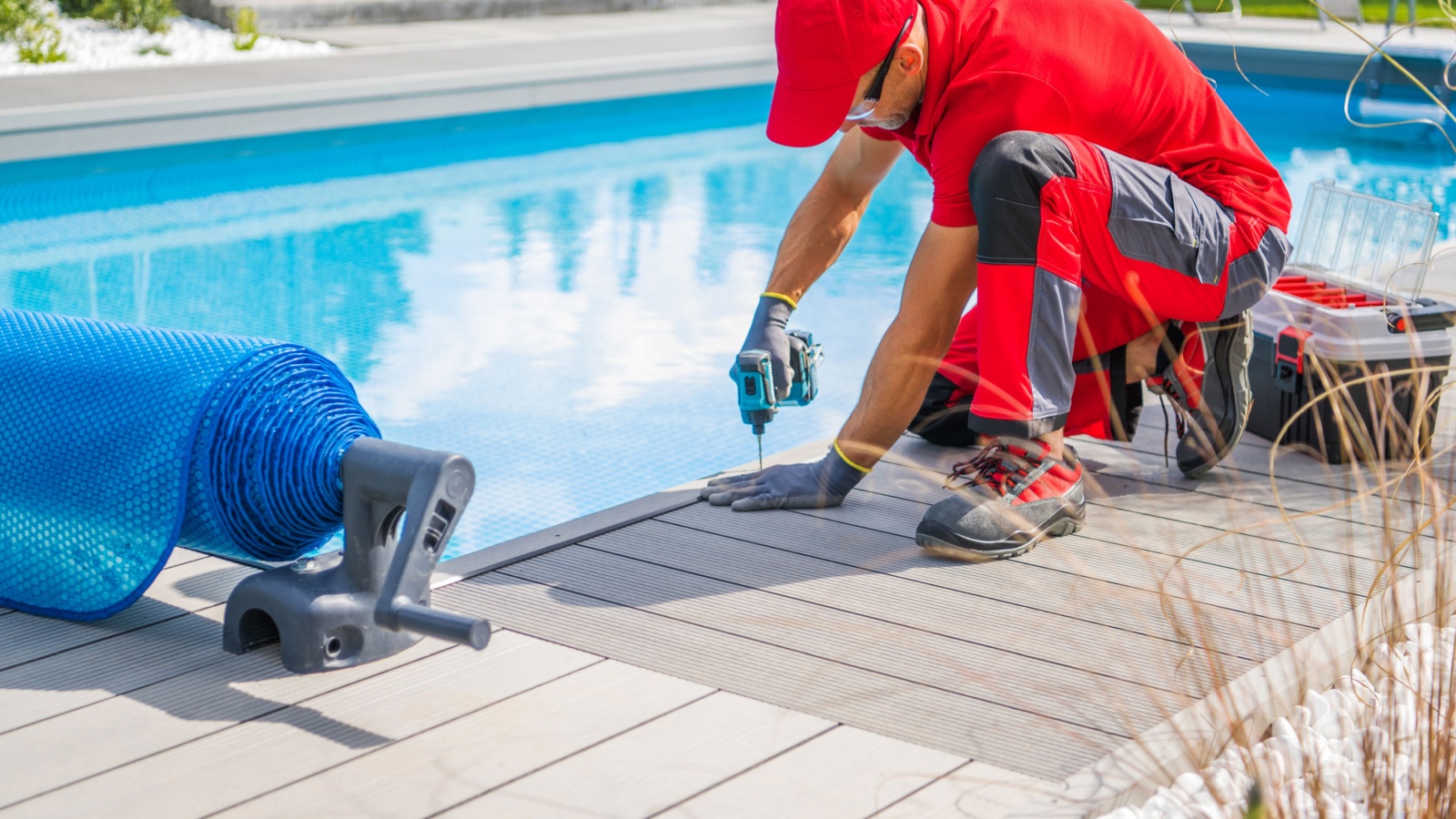
Clean a Clogged or Low-Pressure Showerhead
If your showerhead has started spraying unevenly, mineral deposits from hard water may be blocking the small openings. Soaking a removable showerhead in white vinegar can loosen some of that buildup and help restore water flow.
Get Streak-Free Mirrors Without Store-Bought Cleaner
A mixture of equal parts white vinegar and water can remove fingerprints and light smudges from many glass mirrors. Spray a little onto a microfiber cloth, wipe the surface, and buff it dry, keeping the mixture away from nearby stone countertops or frames.
Help Fresh Flowers Last a Little Longer
Cut flowers can sometimes last longer with fresh water, clean stems, and a little flower food. Some homemade recipes use sugar and vinegar, but the proportions matter, so a commercial flower-food packet is a more reliable choice.
Clean Toys Without Harsh Chemicals
Plastic toys without electronic parts can be washed with warm water and mild dish soap. Vinegar isn’t a substitute for disinfecting, so follow the toy manufacturer’s cleaning instructions, especially for toys that children put in their mouths.
Bring Towels Back to Life
Towels can become stiff or develop a musty smell when detergent and fabric softener build up in the fibers. If your washing machine’s manual allows it, adding a small amount of white vinegar to the rinse cycle may help remove some residue.
Wash Fruits and Vegetables More Thoroughly
Fresh produce can pick up dirt during harvesting, shipping, and handling. Rinse fruits and vegetables under clean running water instead of using vinegar, since vinegar washes haven’t been shown to reliably remove germs or pesticide residues.
Descale Your Coffee Maker
Minerals from water can build up inside a coffee maker and affect how it works. Check the manufacturer’s instructions before using vinegar, since some machines require a specific descaling product.
Neutralize Odors in Your Trash Can
Even after the garbage is taken out, food residue can leave a smell inside the bin. Wash it with soap and water, then use diluted vinegar on surfaces that can tolerate it before rinsing and letting the can dry completely.
Loosen Grime in the Microwave
Dried food splatters can be difficult to wipe away, especially around the inside walls and ceiling of a microwave. Heat a microwave-safe bowl of water with a splash of vinegar until steam forms, let it sit briefly, then wipe away the loosened mess once the bowl has cooled enough to handle.
Freshen Up Your Dishwasher
Dishwashers collect food residue and mineral deposits, even with regular use. Clean the filter and spray arms according to the manual, and check whether your model allows vinegar cleaning before running a cycle.
Add Shine to Certain Floors
A diluted vinegar solution may work on some sealed vinyl or ceramic tile floors, helping remove everyday dirt. Avoid using it on hardwood, natural stone, or floors with finishes that can be damaged by acidic cleaners, and check the flooring manufacturer’s care instructions first.
Clean and Deodorize the Refrigerator
Food spills and forgotten leftovers can leave unpleasant smells inside the fridge. Wipe shelves and drawers with warm soapy water, or use a diluted vinegar solution on surfaces that are safe for it, then dry everything before putting the food back.
Refresh a Smelly Garbage Disposal
Food scraps trapped inside a garbage disposal can cause lingering kitchen odors. Clean the unit according to its instructions, using a disposal-safe brush or cleaner rather than relying on vinegar and baking soda to clear stuck debris.
Give Your Washing Machine a Reset
Detergent residue, mineral deposits, and moisture can contribute to unpleasant washing machine odors. Check the manual for the recommended cleaning routine, since vinegar can damage rubber seals and other parts in some machines.
Other posts you might like:
- Banana Peels Might Be the Most Underrated Natural Boost for Your Garden
- I Stopped Using Dryer Sheets in the Dryer—Here’s Where I Use Them Instead
- Stop Throwing Away Orange Peels — Some Call Them Trash, Others Call Them Kitchen Gold
- 14 Practical Uses for Windex
- 15 Incredible Ways to Repurpose Used Coffee Grounds