The 1970s were a time of interior design … avocado green kitchen appliances and shag carpeting, which doubled as workout equipment if you dared walk on it. Bathrooms were no exception. The result was the rooms looking like time capsules from a parallel universe. Back then, trends were heavy on experimentation and color, and not all of those choices aged well.
Today, many of those old school bathroom fixtures would look out of place and probably have us scratching our heads in confusion. We’ll take a look at some of the most outlandish bathroom fixtures from the ’70s that would raise eyebrows today.
Harvest Gold and Avocado Green Toilets

In the old days, color wasn’t just for walls and rugs; it was everywhere in the bathroom, including fixtures. The avocado green and harvest gold toilets were iconic, not in the best way. What if you had to wake up to these earth tones every morning? Bold, yes, but it overstayed its welcome. Today, we’re about fresh whites, soft pastels, or sleek matte blacks – colors that don’t make us think of guacamole or fall leaves in the loo.
Carpeted Bathrooms

Believe it or not, carpeting was a thing in bathrooms. Full on wall-to-wall carpet right next to the tub and toilet, yes. Now the mere thought of damp carpet makes us cringe, but in the ’70s it was the height of luxury. But we know now that it was just a mold and bacteria playground, though people thought it was warm and cozy. No, thank you.
Sunken Bathtubs

Sunken bathtubs were a real ‘70s thing, providing bathrooms with a spa-like feel, or at least that’s what was supposed to happen. Stepping down into the bath, sunken tubs might seem glamorous, but they weren’t exactly the safest feature. One misstep and you’d be calling it a slip and slide. Today, people prefer tubs that are easy to access and safe to use, and easy to clean!!!
Plastic Laminate Countertops

There were all the plastic laminate countertops with faux wood or marbled finishes, which gave bathrooms that ‘charm.’ Practical and affordable, they scratched easily, stained quickly, and eventually, just looked… plastic. Natural stone or modern quartz finishes are popular in today’s bathrooms, providing durability and a much more refined look.
Shiny Wallpaper

In the ’70s, wallpaper made a statement, literally: shiny, metallic finishes and loud patterns that almost demanded to be noticed. Today, wallpaper is making a bit of a comeback, but it’s nothing like the mirrored and sparkly kind of decades past. Flashy walls could make a small bathroom feel even more claustrophobic. Now we choose subtler, textured wallpapers or clean painted walls.
Hollywood Vanity Lighting

Do you remember those rows of exposed bulbs around the bathroom mirror? It was supposed to be a backstage dressing room look, but it usually turned out looking more like a makeup fail in the making. It’s not that this lighting isn’t amenable to makeup or skin checks: it’s just harsh. Today’s lighting tends to be softer, more ambient, and more built into the mirror or fixtures for a more flattering glow.
Pastel or Floral Colored Sinks

The ‘70s color craze wasn’t left out of the sink department. Back then, the sinks were pale pink, powder blue, and even yellow. In theory, these pastel pieces would have lent a “soft touch” to a bathroom, but it didn’t take long for them to date a bathroom. People are gravitating now toward classic white, modern vessel sinks, or minimalist designs that have function over flashy colors.
Dramatic Shell-Shaped Sinks
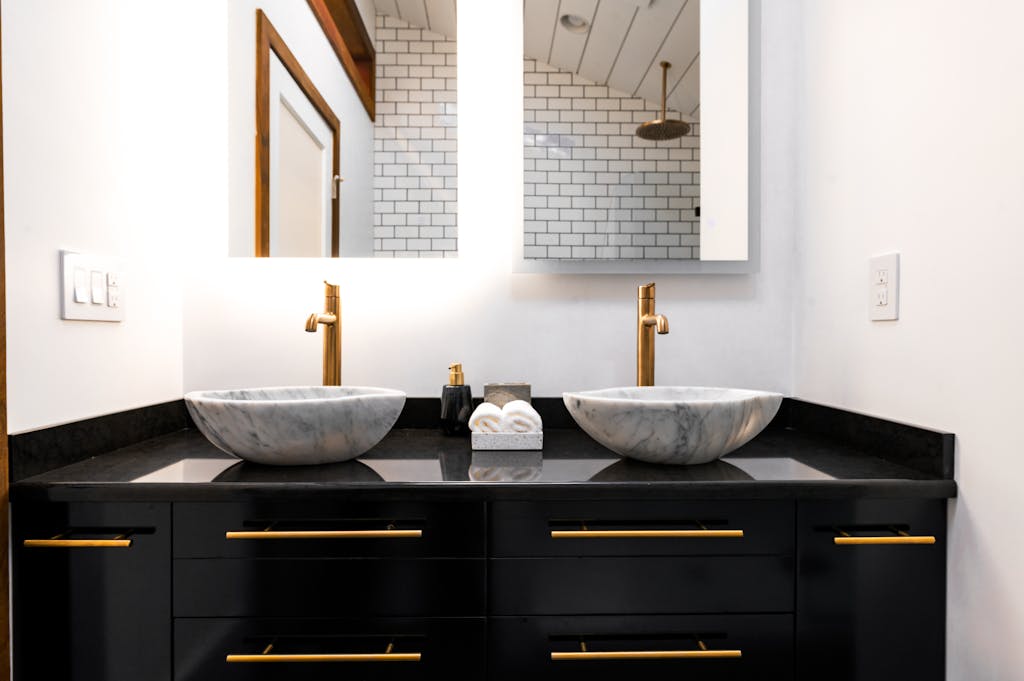
If you’ve ever seen a sink that looks like a huge seashell, you’re looking at a leftover from the 1970s. Shell-shaped sinks were fun and gave the kitchen a beachy feel, but they were usually shallow and not very practical, splashing water all over the countertop. Today, people who live in their homes prefer smooth, rectangular, or bowl-shaped sinks that don’t remind them of mermaid-themed decor.
Wood Paneling on the Walls

Of course, wood paneling didn’t just live in the basement; it found its way into the bathroom, too. There was an outdoorsy vibe that moved indoors, but the moisture-heavy environment didn’t hold up to that. It was always warping, peeling, and growing mildew. For bathrooms, moisture-resistant tiles or painted walls that are easy to clean are the way to go these days, instead of wood paneling.
Fuzzy Toilet Seat Covers

The fuzzy toilet seat cover was a staple of ‘70s bathrooms and was marketed as a comfort booster. These covers were usually made of shag material that matched the bathroom rug (and sometimes the wallpaper). They were warm, sure, but they also collected dust, hair, and whatever else. We all want smooth, easy-to-clean surfaces now—let the fuzz stay in the disco era.
Mirror Tiles
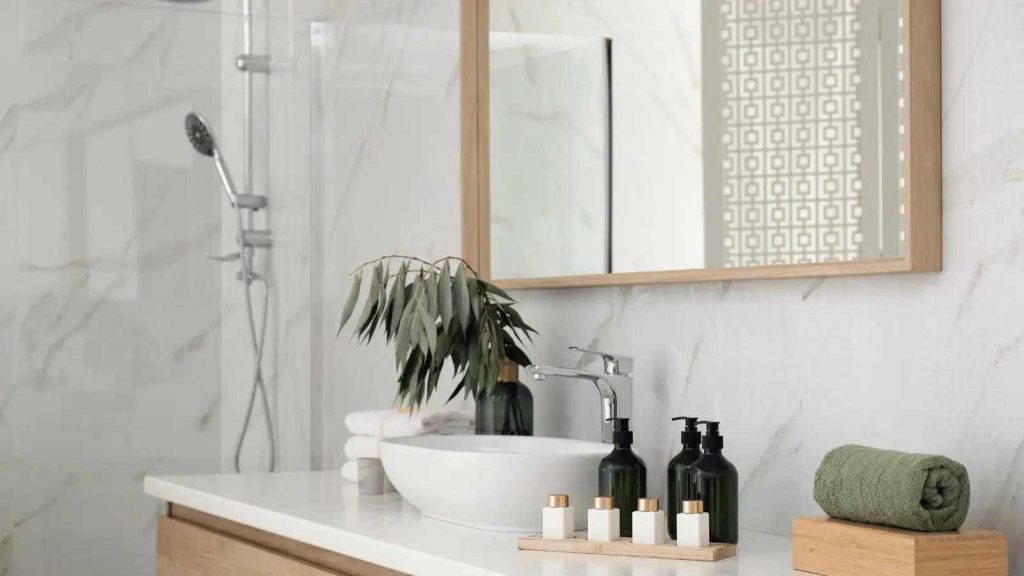
It sounds glamorous to have mirror tiles on a bathroom wall, but in reality, cleaning them was a nightmare. The mirrored tiles would be so tiny, and the room so filled with reflections, it would be busy and chaotic. Plus, they were almost impossible to keep clean.
Pedestal Sinks with No Storage

In the ‘70s, pedestal sinks were popular because they were small and clean. But they provided zero storage, leaving all your stuff out in the open or packed away in other places. Today, most people like vanity cabinets that give sufficient storage and still look elegant. They’ve come a long way with functionality.
Glass Block Walls

The glass block walls were the “it” choice for dividing spaces and allowing light through, especially in bathrooms. Back then, they had that modern look, but nowadays they are just so dated and bulky. Usually, modern bathrooms use frameless glass or sleek dividers that keep things airy but not heavy on the eyes with those thick blocks.
Matching Tile Surrounds for Retro Bathtubs

If you grew up in the ’70s, you remember that old school “tub surround” setup with colorful tiles extending up the walls. Often boxed in with matching tile skirt and side walls, sometimes with built-in soap holders and steps, bathtubs were a common fixture. The look was clunky, but it may have been convenient. Stand-alone tubs or frameless glass enclosures are often used in today’s baths for a cleaner appearance.