Most of us already have plenty of useful things around the house. They’re tucked away in kitchen drawers, stored with cleaning supplies, or sitting on a shelf waiting to be used. Sometimes, the best household tricks come from finding another use for something you already own.
You don’t need to buy a new gadget for every little problem. A few everyday items can help with organizing, cleaning, small repairs, and other household tasks. Here are 14 ideas worth trying the next time you reach for something around the house.
Ice Cube Tray for Organizing Small Items
An ice cube tray can do more than make ice, especially if you have lots of tiny items that tend to get lost in drawers. Use each compartment to sort earrings, buttons, paper clips, beads, or other small supplies, then tuck the tray inside a drawer or on a shelf.
Lemon for Cleaning Certain Surfaces
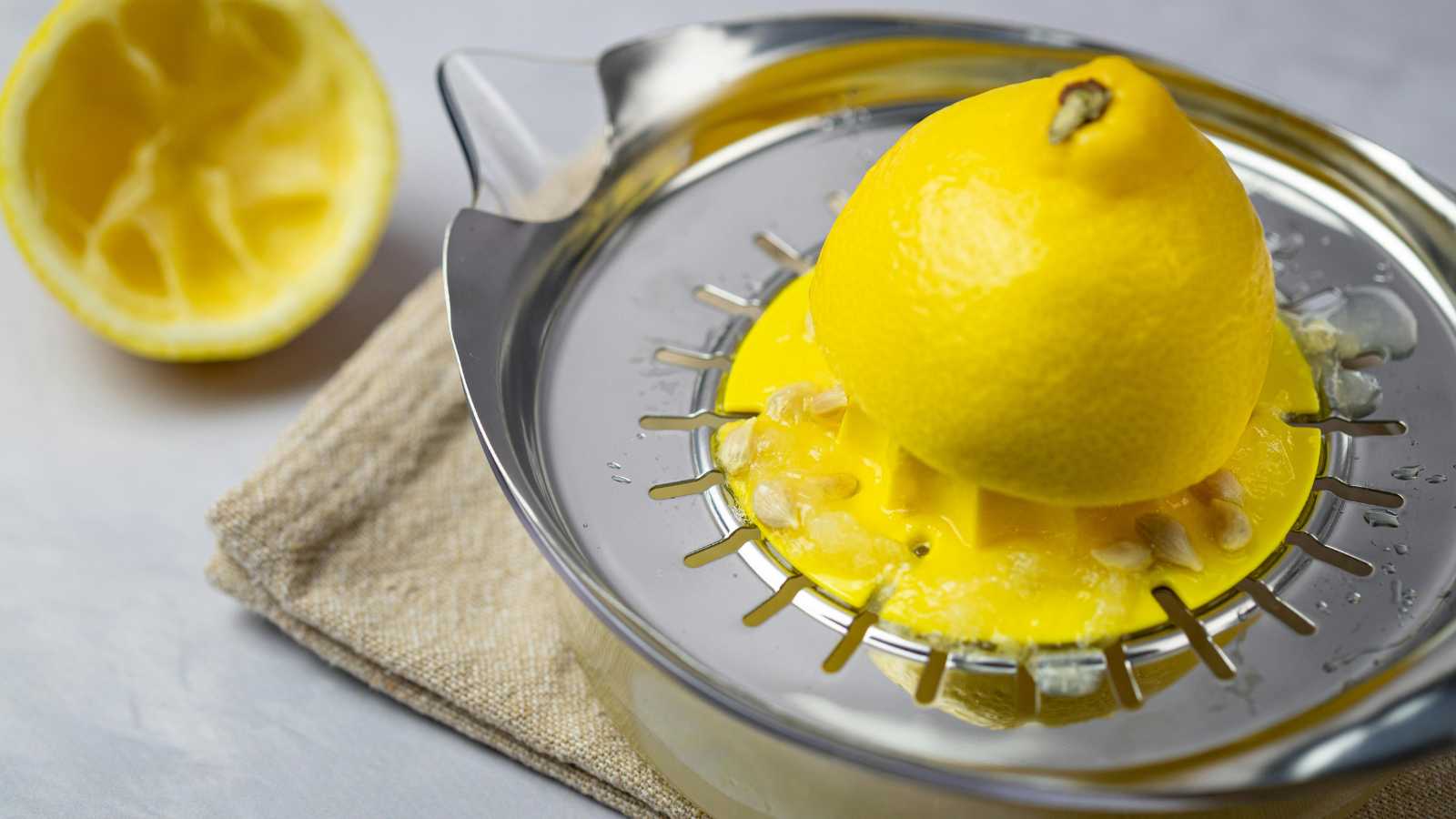
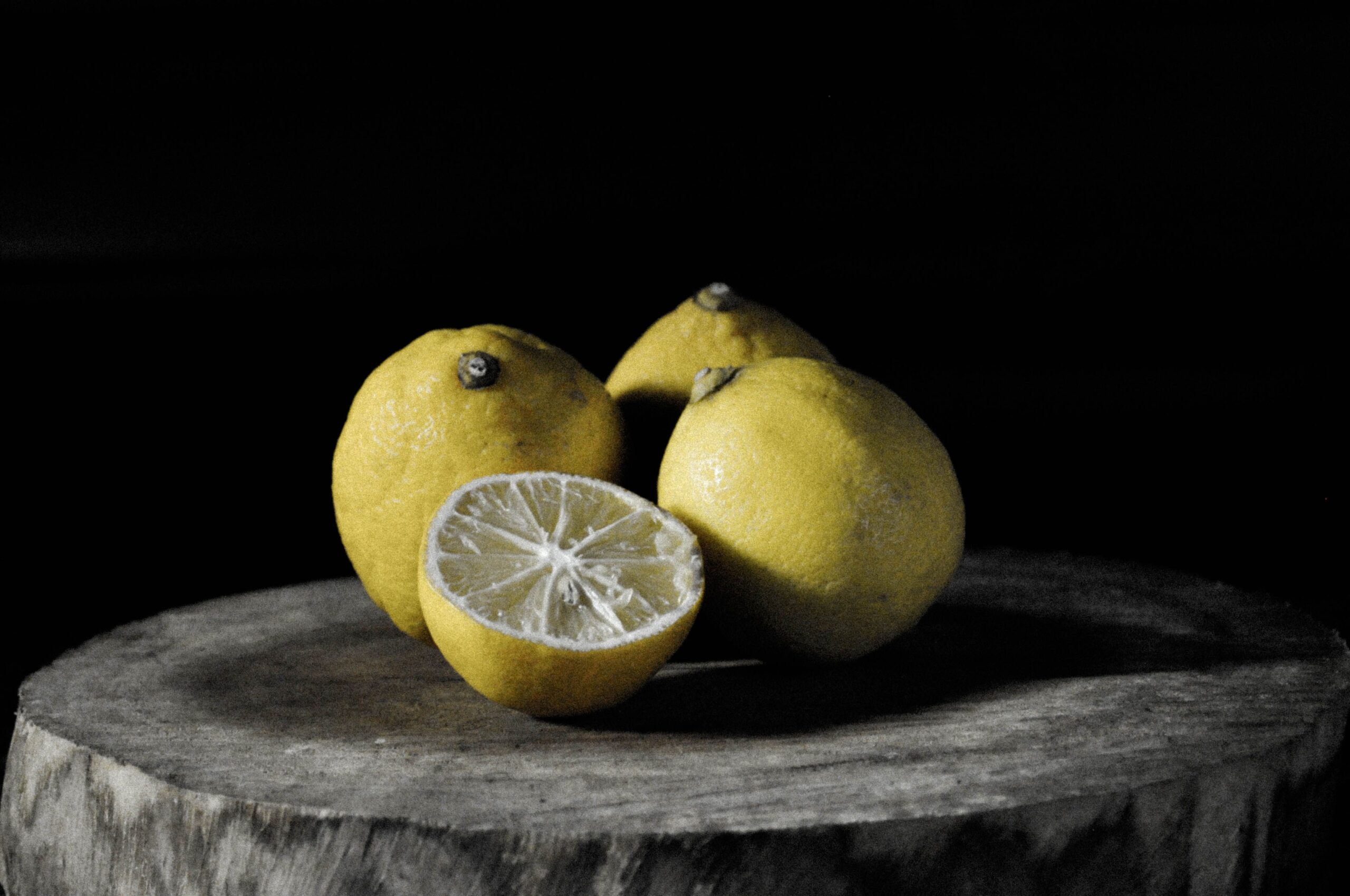
Lemon juice contains citric acid, which can help loosen some mineral deposits and greasy residue. Add lemon slices to a microwave-safe bowl of water, heat it for about three minutes, then let the bowl sit for a few more minutes before wiping away loosened food splatters; avoid using lemon on natural stone or other acid-sensitive surfaces.
Baking Soda for Freshening Drains
Baking soda can help with mild drain odors and light residue, though it won’t clear a serious clog. Pour about half a cup into the drain, follow with a little warm water, and let it sit before flushing with more warm water; skip the vinegar-and-boiling-water combination, since the fizz doesn’t do much to remove blockages and boiling water can damage some pipes.
Coffee Grounds as an Odor Absorber
Used coffee grounds can help reduce some unwanted smells around the house. Let them dry completely first, then place them in a small open container or breathable pouch in a refrigerator or cupboard, checking them often and replacing them before moisture or mold becomes a problem.
Toothpaste for Polishing Some Silver Items
Plain white toothpaste has mild abrasives that can remove some surface tarnish, but it can also scratch delicate finishes and valuable silver. If you decide to try it on an inexpensive item, test a hidden spot first, rub gently with a soft cloth, and rinse thoroughly; a silver polish made for the job is a safer choice for heirlooms and fine silverware.
Bread Clips for Closing Open Bags
Those little plastic bread clips can come in handy for more than keeping a loaf closed. Use one to secure the folded top of a snack bag, frozen vegetable bag, or other package, though it won’t create an airtight seal, so store food according to its packaging instructions.
Rolling Pin for Crushing Ice
You don’t need an electric ice crusher to break a few cubes into smaller pieces for drinks or smoothies. Put the ice in a sturdy, freezer-safe bag, wrap it in a kitchen towel, and tap it with a rolling pin on a stable surface until the pieces are the size you want.
Tea Bags for Freshening Shoes
Dry tea bags can absorb a little moisture and may help reduce mild shoe odors. Place an unused tea bag in each shoe overnight, making sure the bags stay dry and don’t leave any residue; for shoes with a strong smell, washing or airing them out is usually more helpful.
Rubber Bands for Opening Stubborn Jars
A tight jar lid can be hard to grip, especially if your hands are wet or the lid is slippery. Stretch a wide rubber band around the lid to give your fingers more traction, then hold the jar firmly and twist.
Aluminum Foil for Cleaning Scissors
A sheet of aluminum foil is sometimes suggested as a way to sharpen dull scissors, but cutting through it won’t properly sharpen the blades. If your scissors are struggling, clean any sticky residue from the blades and have them sharpened with a suitable tool or replace them if they’re damaged.
Rubber Band to Keep a Door From Latching
A rubber band can temporarily stop a door from latching, which can be handy while carrying things in and out of a room. Loop one end around a doorknob, stretch it across the latch, and attach the other end to the opposite knob, making sure it doesn’t interfere with the door’s movement or create a safety issue.
Toothbrush for Cleaning Grout
An old toothbrush is small enough to reach the narrow grout lines between bathroom or kitchen tiles. Apply a grout-safe cleaner according to its label, scrub gently with the brush, and rinse the area as directed; avoid harsh scrubbing that could wear away the grout.
Clothes Peg for Holding Nails
Holding a tiny nail between your fingers while hammering can lead to painful mishaps. Grip the nail with a wooden clothes peg instead, keeping your fingers away from the hammer’s path while you tap the nail into place.
Bar Soap for Quieting Squeaky Hinges
A little plain bar soap can provide temporary lubrication for a squeaky door hinge. Rub a small amount along the hinge pin or moving parts, then open and close the door a few times; for a noise that keeps coming back, a suitable household lubricant may work better.