

Birds make a beautiful addition to any garden. Their cheerful songs and bright colors can bring life to your outdoor space. Creating a garden that attracts birds is rewarding and beneficial for local wildlife. A well-planned garden can provide birds with food, shelter, and nesting places.
To draw these fascinating creatures into your garden, you can choose specific plants that offer seeds, berries, and nectar. By selecting the right combination of flowers, shrubs, and trees, you can create a welcoming environment for various bird species. Here are thirteen plants that will make your garden a haven for birds.
Sunflowers

Sunflowers are a popular choice for attracting birds to the garden. These tall and vibrant flowers produce plenty of seeds, which are loved by various bird species, such as finches, titmice, and sparrows. The large blooms also provide shelter and perching spots for birds.
Black-eyed Susan

Black-eyed Susans are easy-to-grow perennials that produce beautiful golden-yellow flowers with dark centers. In addition to their eye-catching appearance, these flowers offer abundant seeds that attract goldfinches, cardinals, and other backyard birds.
Holly
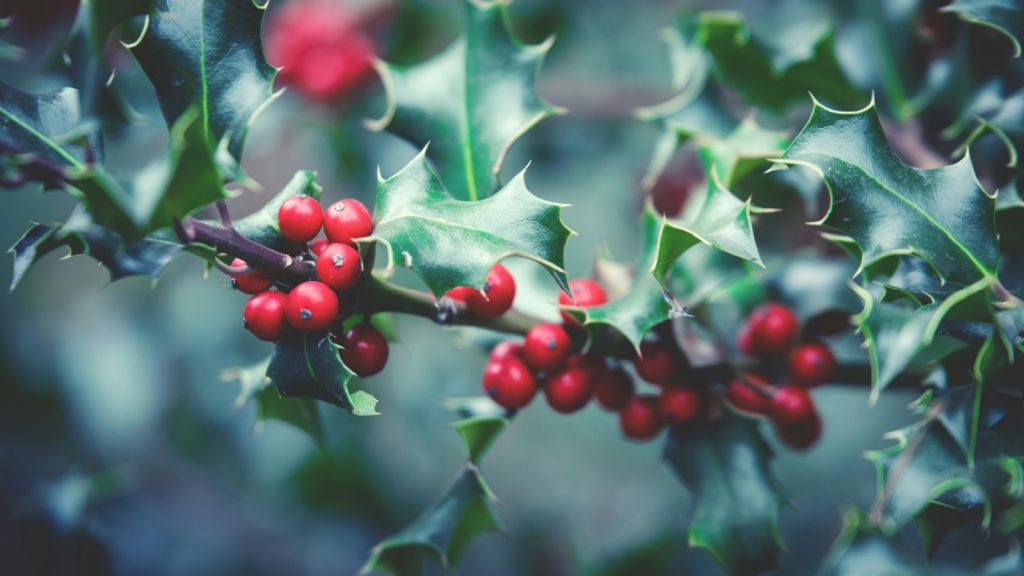
Holly is a traditional holiday plant that attracts birds to your garden. This evergreen shrub produces bright red berries during winter, providing a vital food source for many bird species when other food sources may be scarce.
Coneflowers

Coneflowers are another popular choice for attracting birds, such as sparrows and finches, to your garden. These colorful and hardy flowers produce plentiful seeds that provide a nutritious meal for birds throughout the year.
Blueberry Bushes
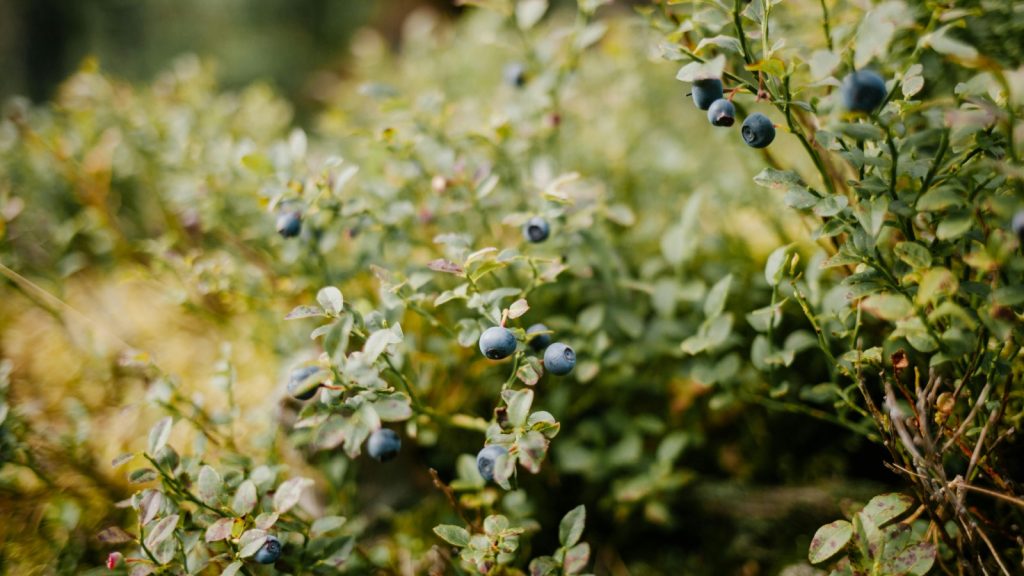
Blueberry bushes add beauty to your landscape and offer delicious fruit for both humans and birds. Sweet berries are a favorite among backyard birds, such as robins, bluebirds, and mockingbirds.
Butterfly Bush

Butterfly bushes attract beautiful butterflies, hummingbirds, and other nectar-loving birds. These shrubs produce long clusters of fragrant flowers that offer birds a sweet treat. Additionally, the dense foliage provides nesting sites for birds.
Milkweed

Milkweed is a fantastic plant that attracts monarch butterflies and hummingbirds to your garden. This perennial produces clusters of bright pink or orange flowers rich in nectar, making it an ideal food source for these pollinators.
Elderberry Bushes

Elderberry bushes are not only an attractive addition to your garden but also provide food for a variety of bird species. Birds like cedar waxwings and American robins love the small, blue-black berries. Additionally, the shrub offers a safe nesting site for birds.
Bee Balm

Bee balm is a popular choice among birds and butterflies. This herbaceous perennial produces colorful flowers that attract hummingbirds, bees, and other pollinators to your garden.
Salvia

Salvia is a versatile plant that comes in many varieties and colors, making it easy to find one that suits your garden’s style. The vibrant flowers produce ample nectar, attracting hummingbirds, orioles, and other nectar-loving birds.
Serviceberry Tree

Serviceberry trees offer a stunning display of white flowers in the spring and delicious blue-black berries in the summer. These trees are popular with many bird species, including thrushes, cardinals, and robins.
Redbud Tree

Redbud trees produce delicate pink or purple flower clusters that attract hummingbirds and bees to your garden. The seeds from these flowers also provide food for birds like finches, jays, and chickadees.
Asters

Asters are a beautiful and low-maintenance addition to any garden. These daisy-like flowers bloom late in the season, providing a late summer nectar source for hummingbirds, butterflies, and other pollinators.