Your home is more than just the place where you sleep at night. It’s where you relax after a long day, spend time with family, and recharge before taking on the next one. The way your home looks and feels can shape your mood in ways you may not even notice.
Small details, from the amount of sunlight in a room to the colors on the walls, can leave you feeling calm, energized, or mentally drained. The good news is that many of these changes don’t require a complete makeover. A few thoughtful updates can make your home feel more comfortable and inviting.
Here are 12 ways your home decor can influence how you feel every day.
Color Choices Shape Your Mood
The colors around you can affect your emotions more than you might expect.
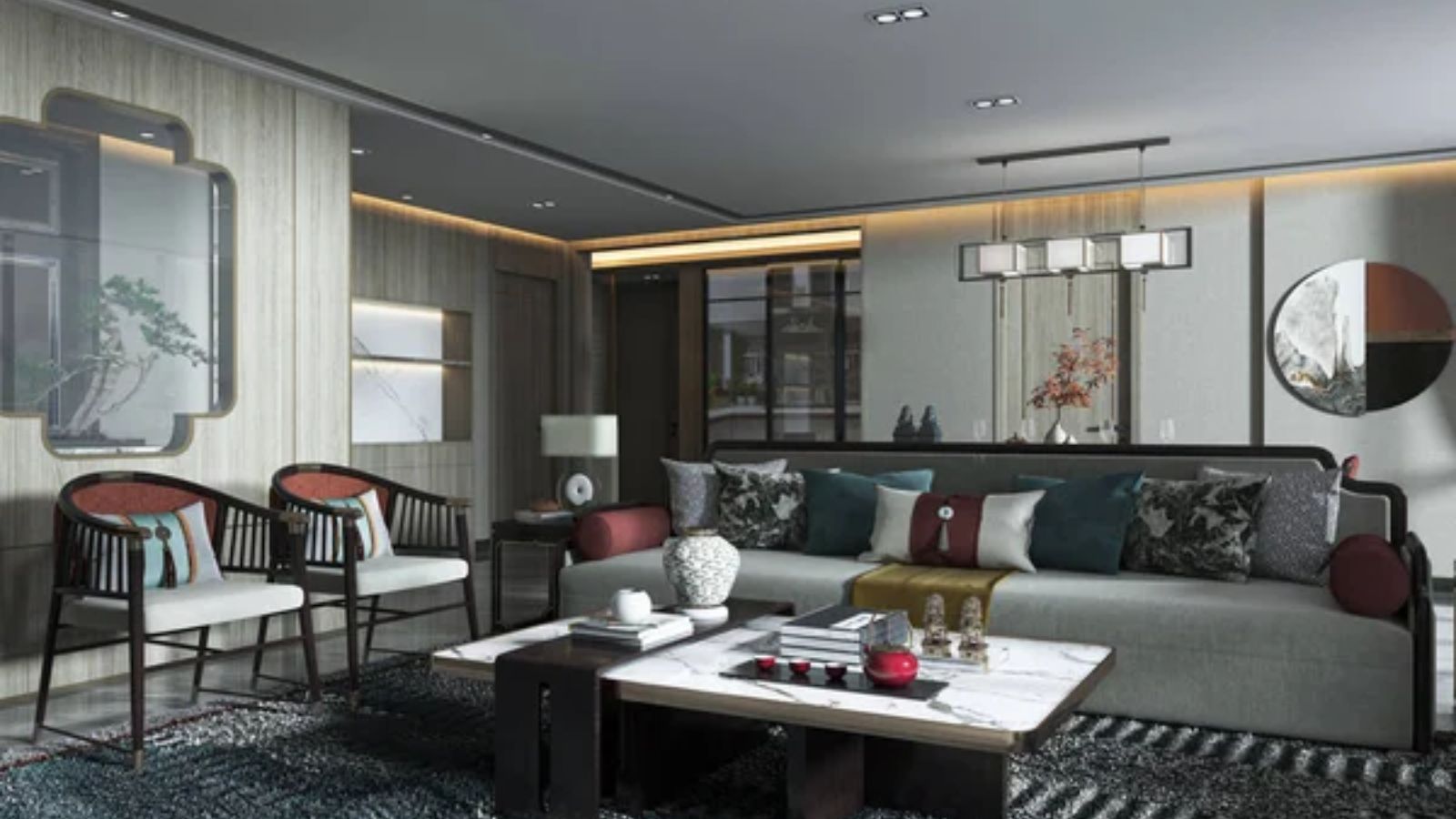
Warm shades like soft yellow, terracotta, and muted orange often make a room feel cozy and welcoming. Cooler colors, including blue, sage green, and light gray, tend to create a peaceful setting that’s well suited for bedrooms, reading spaces, or home offices.
Choosing colors that match the purpose of each room can make the space feel more comfortable to spend time in.
Natural Light Can Lift Your Spirits
Sunlight has a noticeable effect on how people feel throughout the day.
Rooms filled with natural light often feel more open and cheerful. Exposure to daylight can also support healthy sleep patterns and help you stay alert during the day.
If your home doesn’t get much sunshine, placing mirrors across from windows or switching to daylight-style bulbs can brighten darker spaces.
Clutter Can Increase Stress
It’s difficult to fully relax when every surface is covered with stuff.
Piles of papers, overflowing shelves, and crowded countertops can make a room feel overwhelming. Clearing away unnecessary items often makes a space feel lighter and easier to enjoy.
Simple storage baskets, cabinets, and regular decluttering sessions can make a noticeable difference.
Scents Can Change the Atmosphere
The way your home smells can instantly affect your mood.
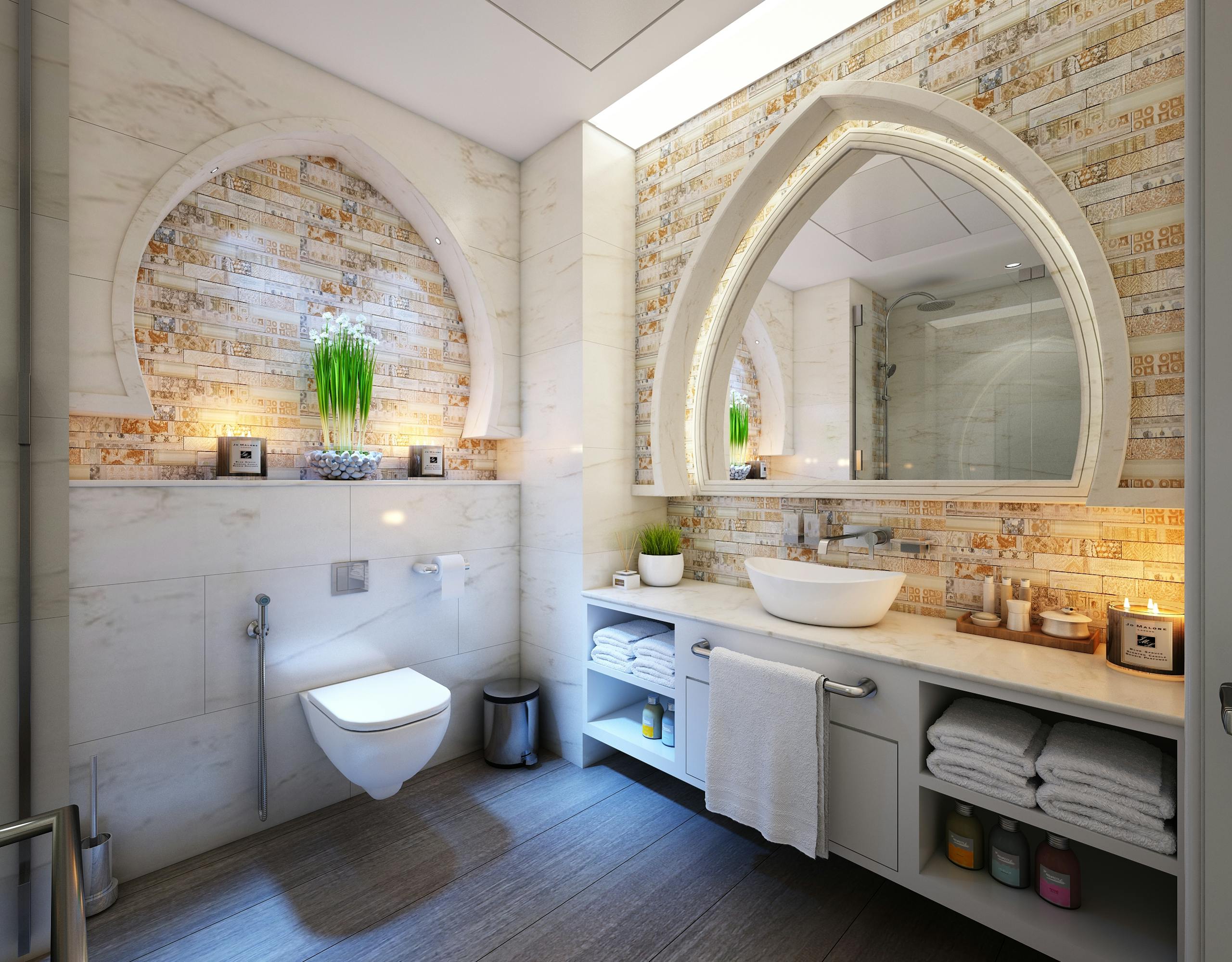
Lavender is often linked with relaxation, while citrus scents can make a room feel fresh and energetic. Vanilla creates a warm, comforting feeling, and peppermint may help you feel more awake.
Candles, essential oil diffusers, or fresh flowers can add pleasant scents without much effort.
Soft Textures Make a Home Feel More Comfortable
Texture adds warmth to a room in ways that paint and furniture alone cannot.
Soft blankets, plush rugs, linen curtains, and comfortable pillows make a space feel inviting. Mixing natural materials like wood, cotton, wool, and woven baskets also adds depth without making a room feel busy.
These small details help create a space where people naturally want to relax.
Furniture Placement Changes How a Room Feels
The way furniture is arranged affects how easily people move through a room.
A crowded layout can make even a large space feel cramped. Leaving clear walkways and arranging seating so people can comfortably talk with one another creates a more welcoming environment.
Sometimes moving just a few pieces of furniture can completely change the feel of a room.
Personal Items Make a House Feel Like Home
The most memorable homes usually reflect the people who live there.
Family photos, travel keepsakes, handmade artwork, or meaningful heirlooms add personality that no store-bought decoration can replace. These reminders of happy memories often create a stronger emotional connection to your living space.
Plants Bring Life Indoors
Houseplants do more than fill empty corners.
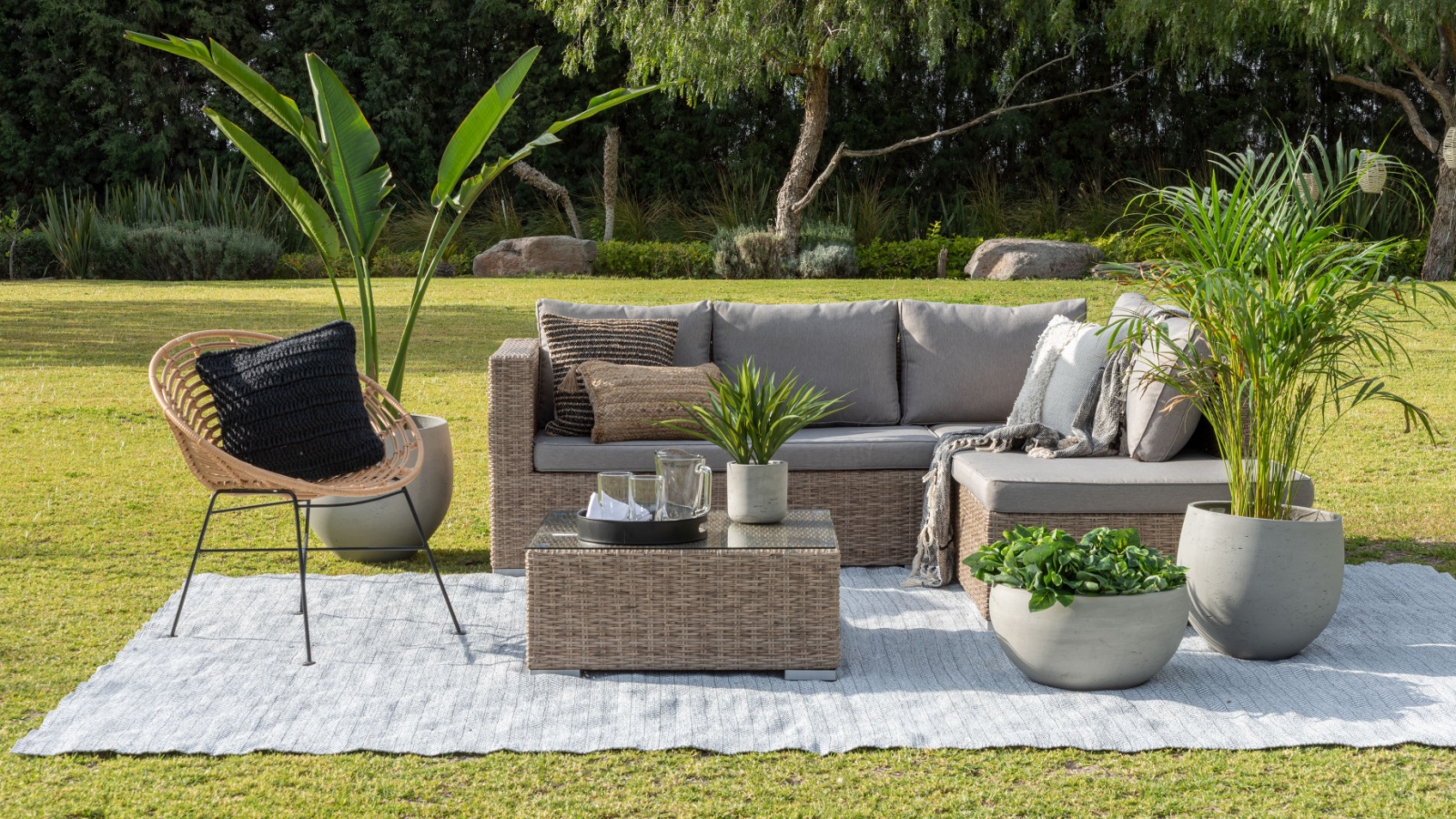
Adding greenery can make rooms feel fresher and more relaxing. Plants also help soften spaces filled with hard surfaces like tile, glass, and concrete.
If keeping plants alive isn’t your strength, low-maintenance varieties like pothos, snake plants, and ZZ plants are good places to start.
Artwork Can Influence Your Emotions
The artwork you choose sets the mood for a room.
Peaceful landscapes may help create a calming setting, while colorful abstract pieces can make a room feel energetic and creative. Photographs of favorite places or meaningful moments also help make your home feel more personal.
Choose pieces that make you smile or remind you of something positive.
Lighting Changes Everything
Lighting affects how every room looks and feels.
Bright overhead lights are useful for cooking or working, while softer lamps create a relaxing atmosphere in the evening. Layering different light sources gives you more control throughout the day.
Warm light bulbs often make living rooms and bedrooms feel more comfortable than harsh white lighting.
Everyday Sounds Affect Your Mood
The sounds inside your home matter just as much as what you see.
Soft music, rainfall sounds, or a tabletop fountain can help create a peaceful setting. Constant television noise or loud appliances can make it harder to unwind.
Paying attention to the sounds around you can help your home feel calmer.
Create a Space That’s Just for Relaxing
Having one area dedicated to slowing down can make a big difference.
It doesn’t need to be an entire room. A comfortable chair by a window, a quiet reading corner, or a small meditation space can give you a place to unplug for a few minutes each day.
Add soft lighting, a favorite blanket, a few books, or a plant to make the space somewhere you’ll actually want to use.
Your home has a quiet influence on your daily life. The colors you choose, the light that fills each room, and even the way your furniture is arranged all play a part in how you feel. Small changes made over time can help create a space that feels calmer, more welcoming, and better suited to the way you want to live.