Replacing things has become so easy that we don’t always stop to think about whether something still has life left. Many older households saved fabric, jars, boxes, and food scraps because getting more use out of everyday items helped stretch the household budget and cut down on waste.
Some of Grandma’s habits may seem old-fashioned, but plenty still make sense today. Here are 10 everyday things she might have kept for another use instead of tossing them in the trash.
Vegetable Scraps
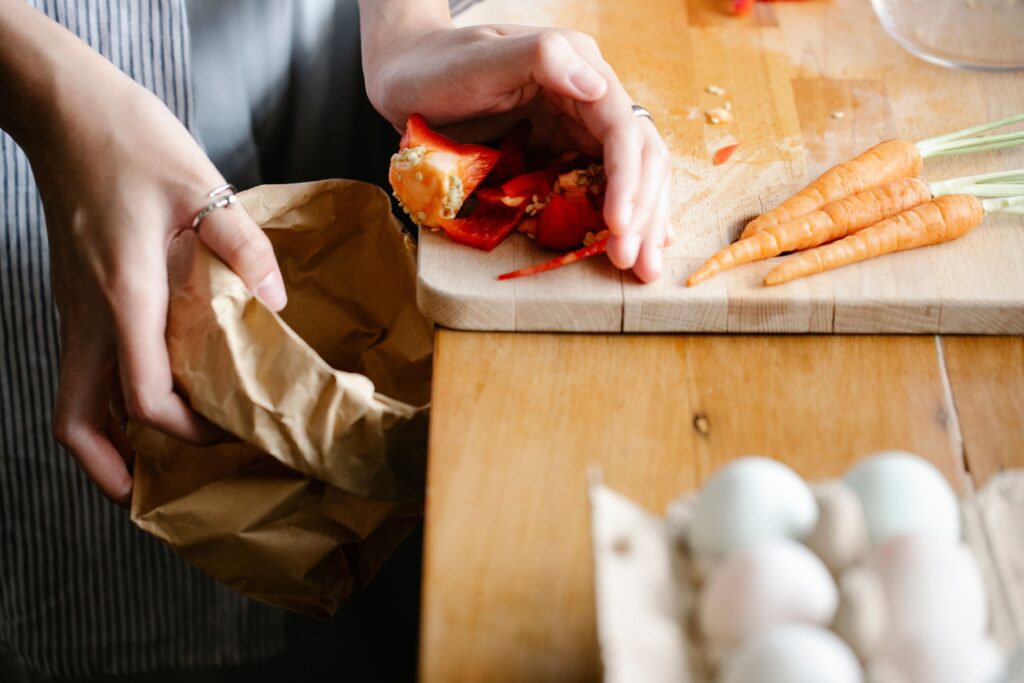
Save carrot peels, celery leaves, onion ends, and other clean vegetable scraps for homemade stock instead of tossing them straight into the bin. Other plant-based kitchen scraps can go into a compost pile, where they break down into garden material.
Related: 10 Vegetables That Regrow From Kitchen Scraps
Worn-Out Clothes
A torn shirt or worn pair of jeans can still provide useful fabric, buttons, and zippers before it’s time to let the garment go. Patch clothing when possible, then turn suitable leftover fabric into cleaning cloths, quilt pieces, or material for small sewing projects.
Old Towels and Sheets
Threadbare towels may no longer feel comfortable after a shower, but they can still work well as cleaning rags around the house. Old sheets provide plenty of fabric for drop cloths, sewing projects, pet bedding, and other jobs where looks don’t matter much.
Related: 15 Hidden Ingredients That Made Grandma’s Meatloaf a Classic
Buttons, Zippers, and Other Sewing Notions
Before getting rid of damaged clothing, Grandma might have removed buttons, zippers, snaps, and other parts that could come in handy later. Keeping these items in a small jar or sewing box makes it easier to repair another garment without buying replacement pieces.
Aluminum Foil
A piece of aluminum foil that’s still clean and in good condition may be worth saving for another suitable household task instead of throwing it away immediately. Only reuse foil that hasn’t touched raw meat or other potentially contaminated foods, and discard pieces that are torn, heavily soiled, or greasy.
Related: 9 Foods You Should Stop Cooking in Aluminum Foil
Glass Jars
Empty food jars can become handy storage containers once you’ve washed them thoroughly and checked for chips or cracks. Use them to hold dry ingredients, buttons, craft supplies, screws, nails, and other small items that tend to get lost in drawers.
Shoe Boxes and Other Sturdy Boxes
A sturdy box can be useful long after the original shoes or product are gone. Keep suitable boxes for storing photographs, holiday decorations, craft supplies, paperwork, or other household items, and flatten any extras to save space until you need them.
Newspaper
Old newspapers can protect work surfaces during messy projects, wrap fragile belongings for a move, or help cushion items in packing boxes. You can also add shredded newspaper to some compost piles in moderate amounts, as long as it’s free of glossy coatings and other unsuitable materials.
Related: Before You Recycle That Newspaper, Try One of These Garden Uses
Soap Scraps
Those tiny pieces left at the end of a bar of soap can still be useful instead of going straight into the trash. Collect the scraps in a soap-saving pouch or combine compatible pieces when possible to make them easier to use.
Cloth Diapers
Washable cloth diapers were made to be cleaned and reused, saving families from throwing away a disposable diaper after every change. Once they’re no longer needed for their original purpose, clean cotton cloths in good condition can still serve as cleaning rags or dusting cloths around the house.