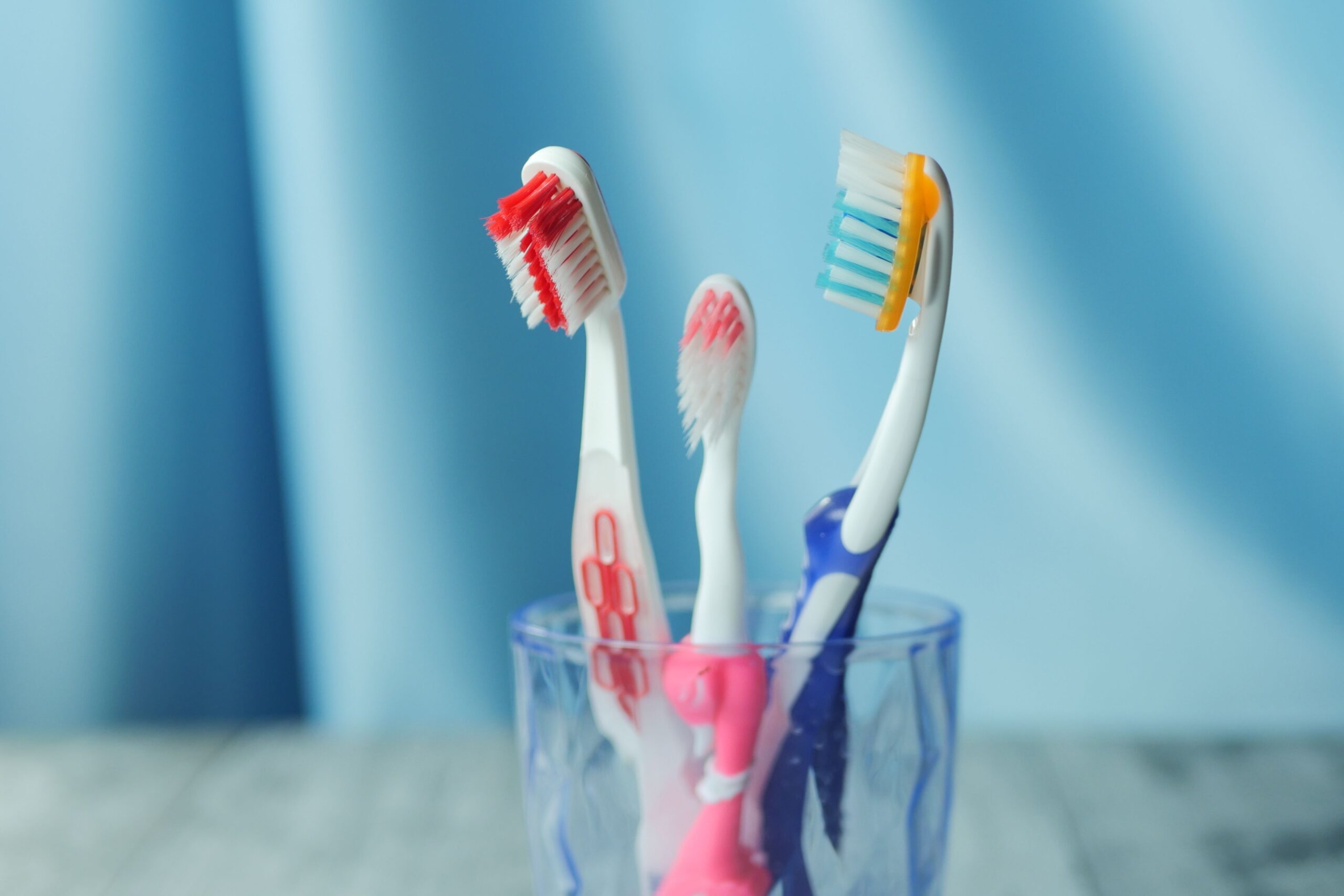
Most of us replace our toothbrushes every few months and toss the old ones straight into the trash. But before you throw one away, consider keeping it for a few household cleaning jobs. That little brush can be surprisingly useful long after it’s retired from brushing your teeth.
The small head and narrow bristles make an old toothbrush handy for cleaning places that are difficult to reach with a sponge, cleaning cloth, or regular scrub brush. From dirty grout lines to dusty corners and stubborn stains, it can handle plenty of little jobs around the house.
I like the idea of getting a little more use out of something before throwing it away. Keep a few old toothbrushes in your cleaning supplies, label them so nobody mistakes them for personal toothbrushes, and try these 10 practical uses.
1. Scrub Dirty Grout Lines
Grout lines between bathroom and kitchen tiles can collect dirt, soap residue, and grime that a regular mop won’t remove. Make a paste with baking soda and water, apply it to the grout, and gently scrub with an old toothbrush to loosen the buildup.
2. Clean Jewelry
Rings, necklaces, and bracelets often have tiny crevices where lotion, dirt, and everyday residue collect. Use a soft toothbrush with mild soap and water to clean around the details, but check that the jewelry can safely be cleaned this way before scrubbing.
3. Remove Dirt From Shoe Soles
The grooves on sneakers and boots seem to attract mud, dirt, and little pieces of debris. An old toothbrush makes it easier to scrub between the treads and around the edges of the soles without having to use a large cleaning brush.
4. Clean Small Kitchen Appliances
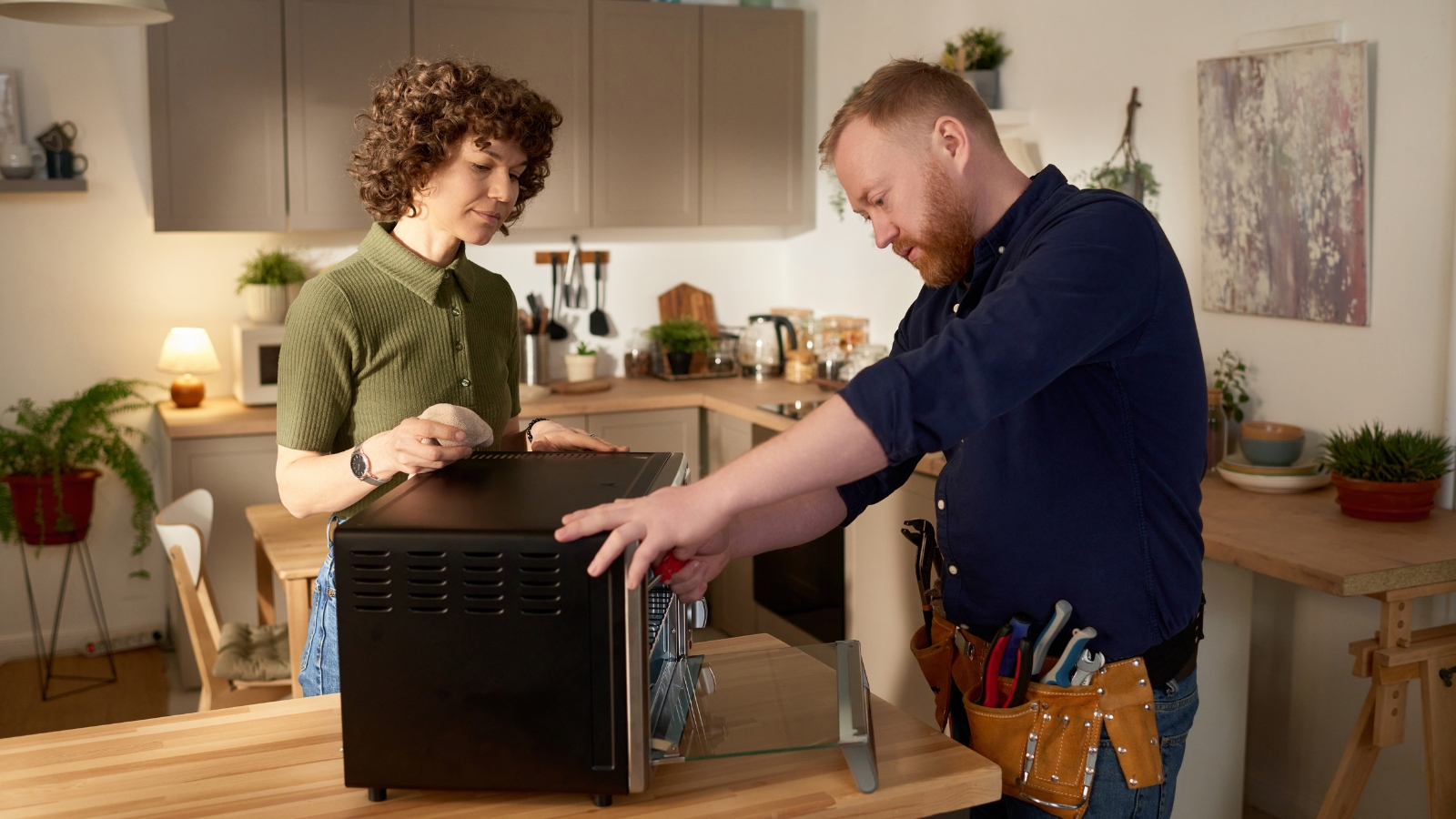
Crumbs, grease, and food residue can collect around appliance buttons, seams, and other small spaces that are difficult to wipe clean. Use a dry toothbrush on toasters and unplugged appliances, or a slightly damp one on suitable exterior surfaces, keeping water away from electrical parts.
5. Remove Dust From Keyboards
Keyboards collect dust, crumbs, and other debris between the keys, especially if they’re used every day. Turn off and unplug the keyboard, then use a clean, dry toothbrush to gently loosen the dirt before wiping or removing it with a suitable vacuum attachment.
6. Get Crayon Marks Off Walls
If kids have been drawing on the walls, an old toothbrush may help with small crayon marks. Apply a little mild cleaner to the brush and gently work on the spot, testing an inconspicuous area first to avoid damaging the paint.
7. Treat Small Clothing Stains
Some stains need a little extra attention before clothes go into the washing machine. Apply a fabric-safe stain remover and gently work it into the material with a soft toothbrush, taking care not to damage delicate fibers.
8. Clean Around Faucets
The area where a faucet meets the sink can collect soap scum, hard-water deposits, and grime. An old toothbrush makes it easier to reach around the base, handles, and narrow edges where a sponge often struggles to fit.
9. Clean Under Fingernails
After gardening, painting, or working outside, dirt can get trapped underneath your fingernails. A clean, soft toothbrush with soap and water can help remove the stubborn dirt that ordinary handwashing may leave behind.
10. Dust Baseboards and Tight Corners
Baseboards tend to collect dust, particularly along their edges and in the little corners where walls meet. Run a dry toothbrush along these areas to loosen the dust before wiping everything away with a microfiber cloth.