Houseplants can make a room feel more alive, but bringing greenery indoors isn’t always a great idea. Some plants can irritate people, cause problems for pets, or simply struggle with the conditions found inside a typical home.
A plant that looks perfect in a photo may have a few drawbacks once it’s sitting next to your sofa or kitchen window. Before bringing one home, check whether it fits your household, especially if you have pets, young children, allergies, or limited sunlight.
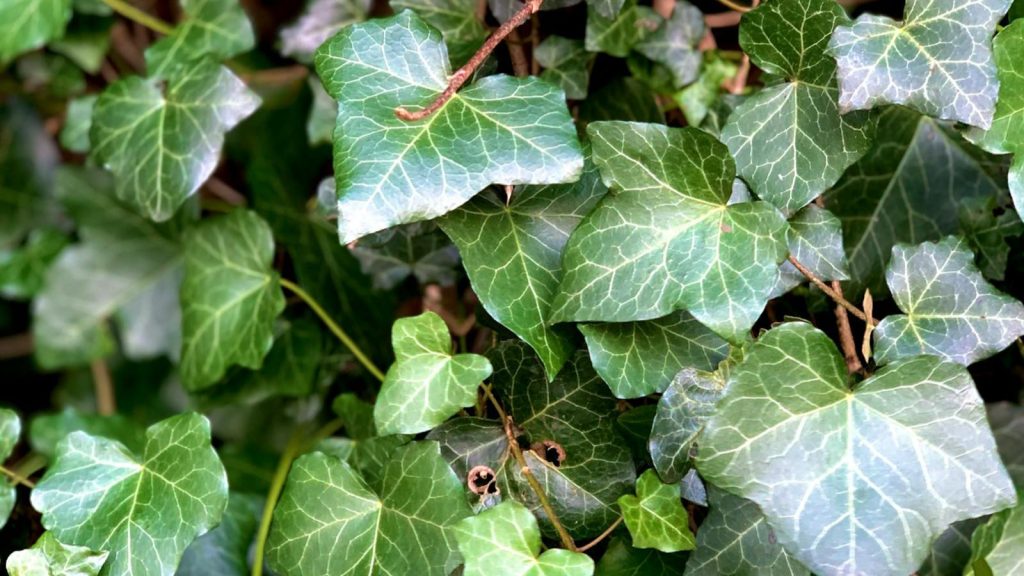
English Ivy
English ivy looks beautiful spilling from a hanging basket, but its leaves and sap can irritate the skin, and the plant can be harmful to pets. Indoors, it can also collect dust and may develop mold or attract pests if the growing conditions aren’t right.
Related: 12 Plants That Naturally Keep Weeds Under Control
Philodendron
Philodendrons are popular because their heart-shaped leaves look great and they are usually easy to care for. They contain calcium oxalate crystals that can cause mouth irritation, drooling, or trouble swallowing if chewed, so homes with curious pets or young children may need to keep them out of reach.
Ficus
Ficus plants, including rubber plants and weeping figs, are popular indoor choices because of their glossy leaves. Their sap can irritate the skin and may cause problems for people with latex sensitivities, while sudden changes in light or temperature can also cause them to drop leaves around the house.
Sago Palm
Sago palms look like tropical palms, but they are actually cycads and are highly toxic if eaten. Every part of the plant can be dangerous to pets and people, and its stiff, pointed fronds can also cause painful scratches.
Related: 14 Indoor Plants Believed to Attract Good Energy
Jade Plant
Jade plants are easy to grow and are often praised for their thick leaves and low-maintenance nature. They can be harmful to dogs and cats if eaten, and they also need plenty of sunlight to keep their growth compact and healthy.
Dieffenbachia
Dieffenbachia has large leaves that can make a room look lush, but its sap contains irritating compounds. Chewing the plant can cause painful swelling and irritation in the mouth and throat, making it a poor choice for homes with pets or young children who like to explore with their mouths.
Peace Lily
Peace lilies are common houseplants with glossy leaves and white flowers, but they aren’t harmless if chewed. Their calcium oxalate crystals can cause mouth and throat irritation, drooling, nausea, or vomiting in people and pets.
Related: 15 Gorgeous Native Plants to Grow Around Your Home
Bird of Paradise
Bird of paradise plants bring a tropical look indoors, but they need plenty of bright light and humidity to stay healthy. The plant can also cause digestive upset in pets if they chew on it, so it may be better suited to a home where animals can’t reach it.
Aloe Vera
Aloe vera is often kept indoors for its gel, but the plant can cause problems for pets that chew on it. Aloe can be toxic to pets, with vomiting and lethargy among possible symptoms, and it also needs plenty of bright light and careful watering to prevent rot.
Related: 13 Common Plants That Can Be Toxic to Your Furry Friends
Oleander
Oleander has beautiful flowers, but its appearance hides how dangerous it can be if swallowed. Oleander contains potent toxins throughout the plant, so it should be kept far away from children and pets and handled with great care.