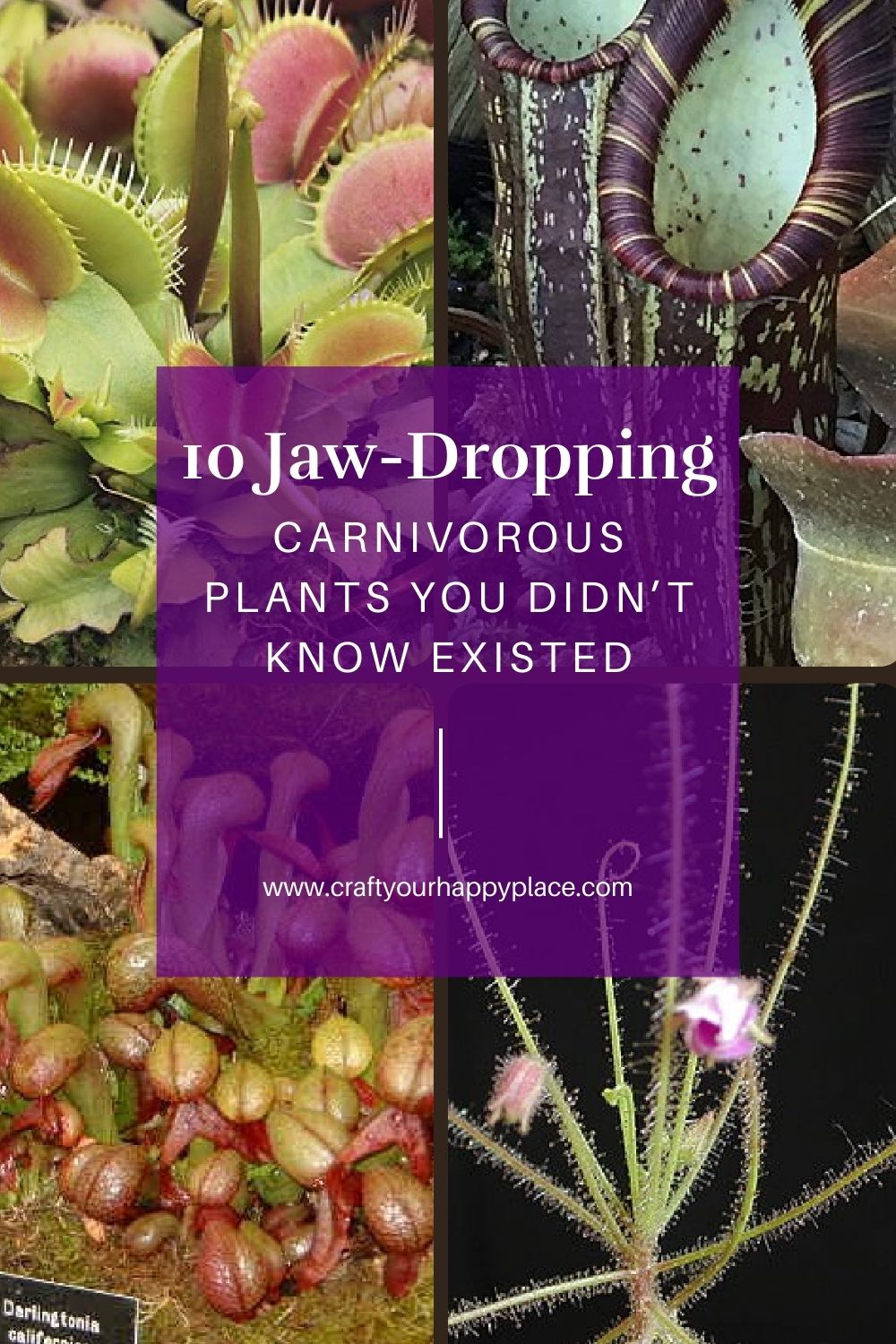

Many people believe plants are gentle beings that rely only on sunlight and water for nutrients. Well, surprise: they also eat meat. These carnivorous plants grow in places with poor soil nutrients. To survive and thrive, they have adapted by developing complex traps that allow them to obtain essential nutrients from insects and other small creatures.
Carnivorous plants come in various shapes and sizes, each with a unique way of capturing prey. Some use sticky traps, while others lure insects with enticing scents. All are thrilling, showing us that there is much more to plants than we often realize.
Venus Flytrap
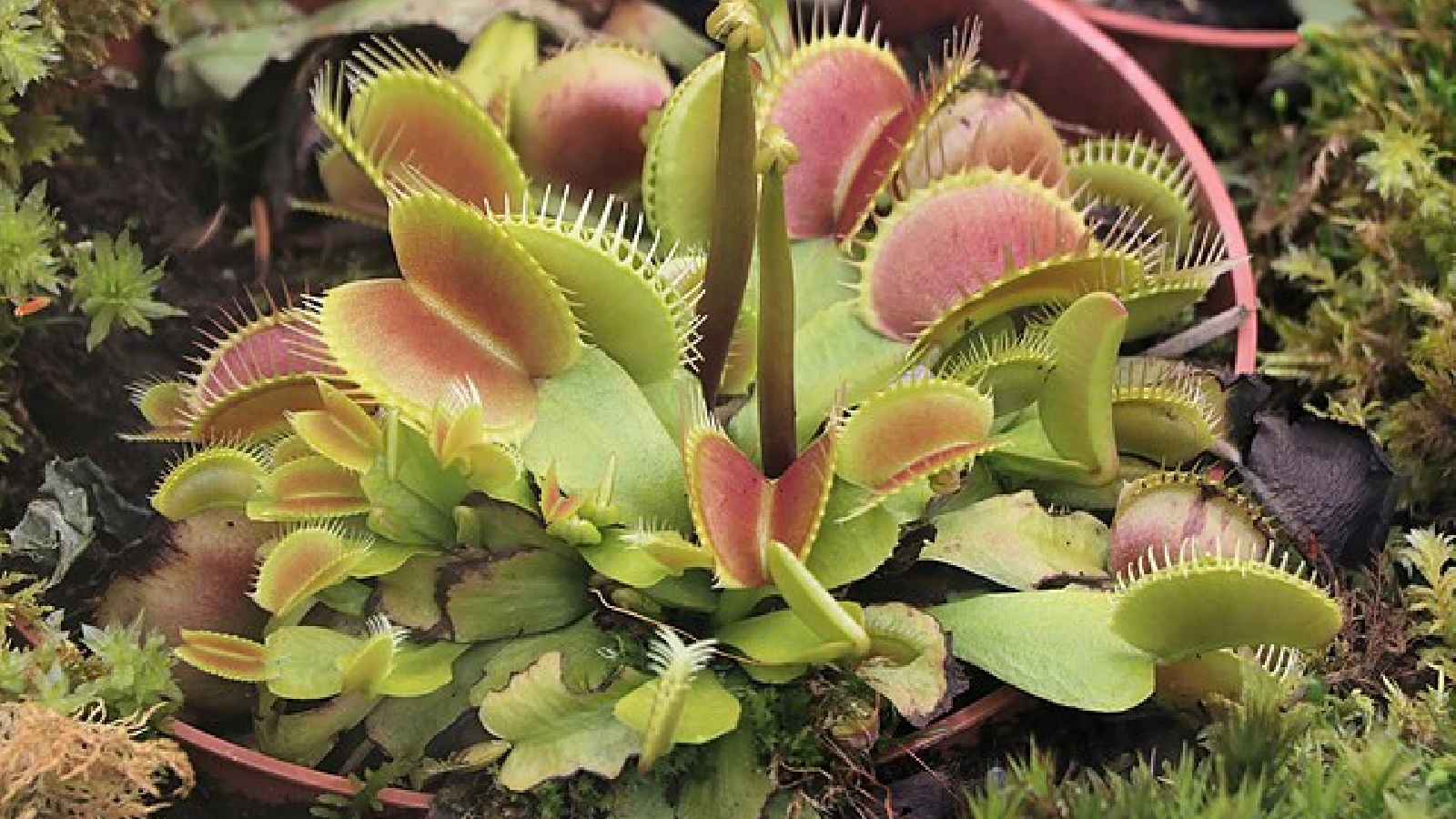
The Venus flytrap is arguably one of the most well-known carnivorous plants. Native to North America, this plant has two hinged leaves that snap shut when triggered by an insect. Once closed, tiny hairs inside the trap prevent prey from escaping while digestive enzymes break down the insect’s tissues.
Bladderworts
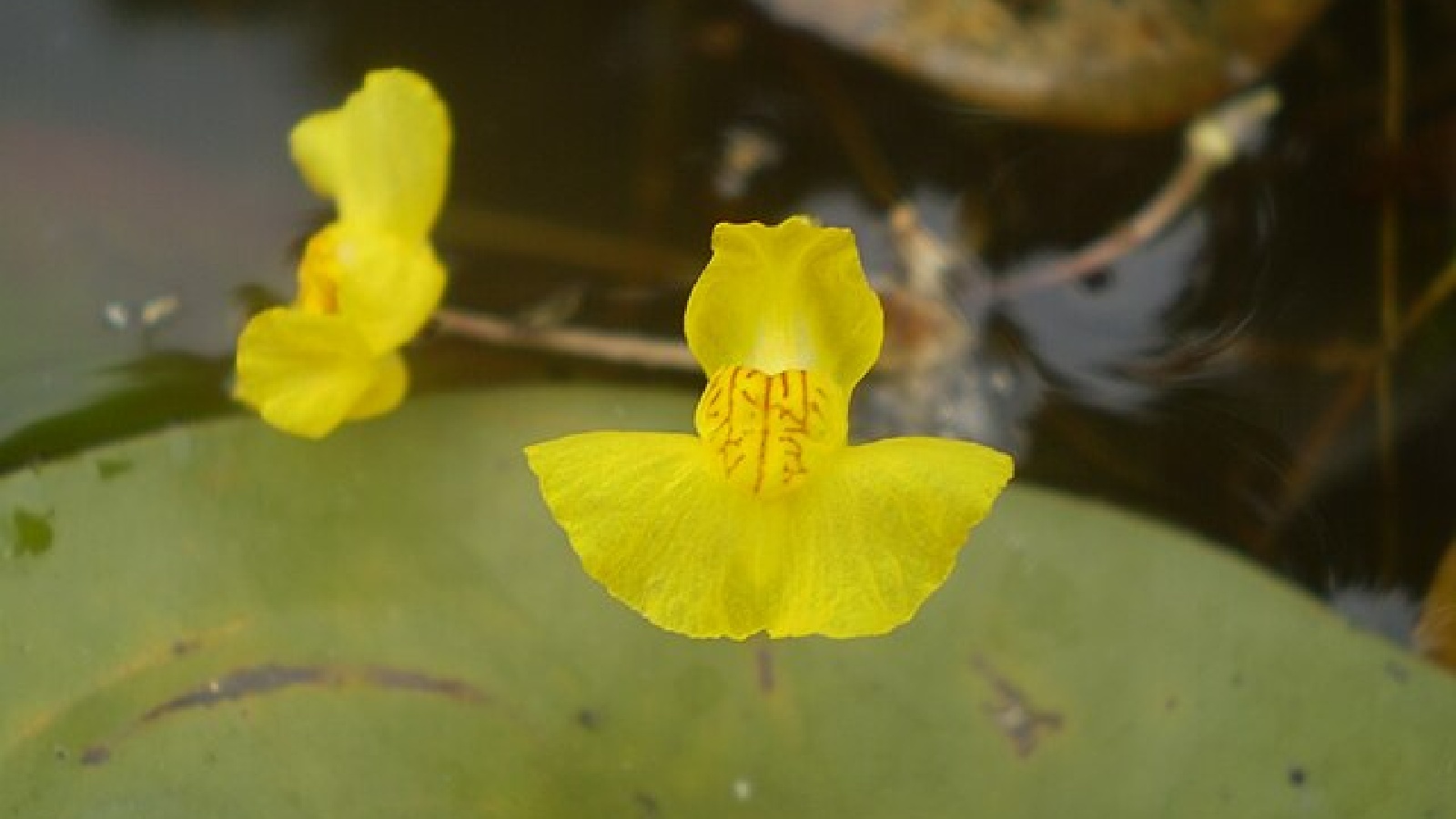
Bladderworts are aquatic plants that use suction to capture prey. They have tiny bladder-like traps with an opening that sucks in unsuspecting insects and small marine creatures. These plants can be found in various bodies of water worldwide, including lakes, ponds, and ditches.
Sundews
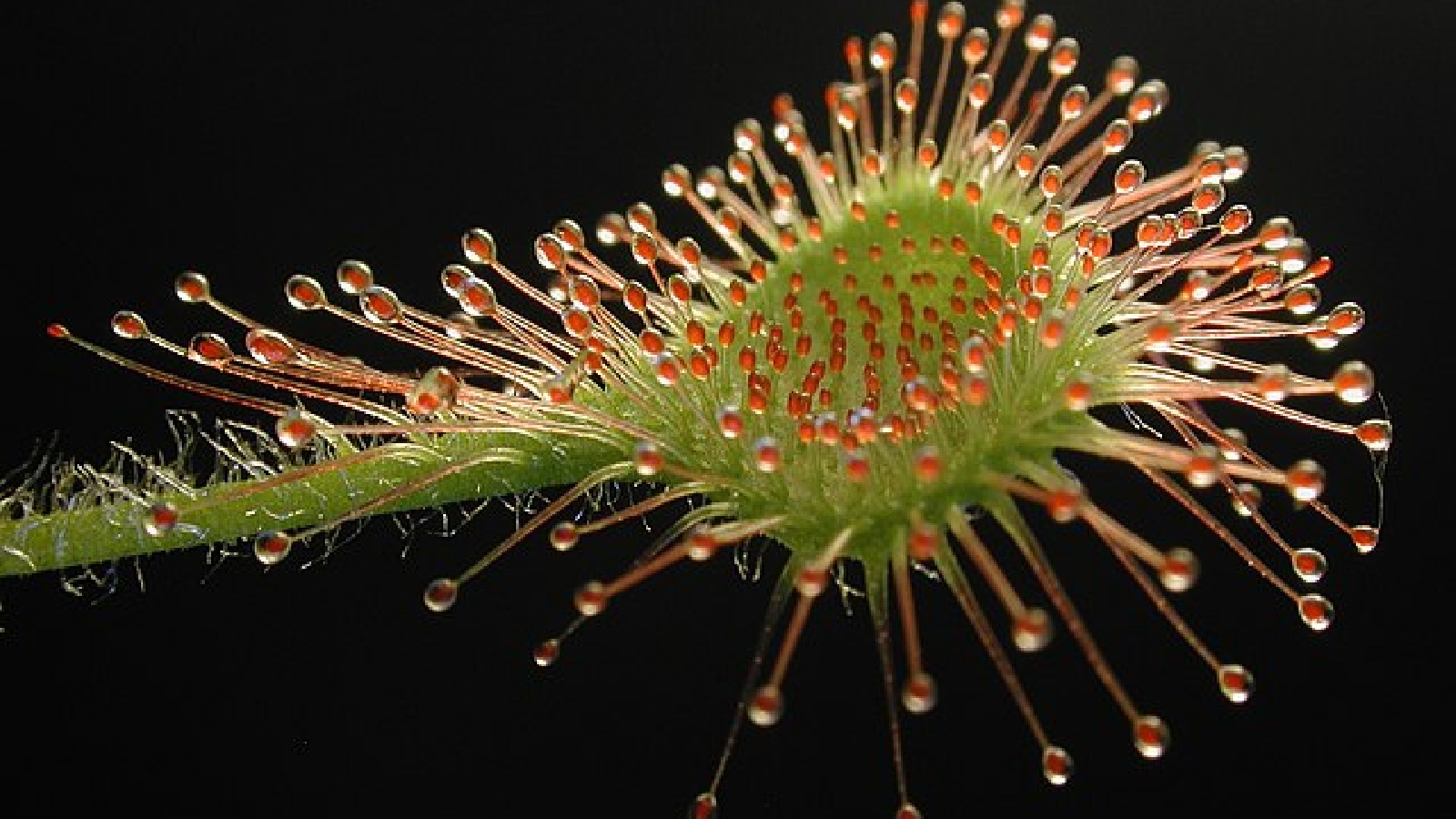
Sundews are another fascinating carnivorous plant that uses a sticky trap to catch prey. The leaves of this plant are covered in hair-like structures called tentacles that secrete a sticky substance. When an insect lands on the leaf, it becomes stuck and is slowly digested by the plant’s enzymes.
Cobra Lilies
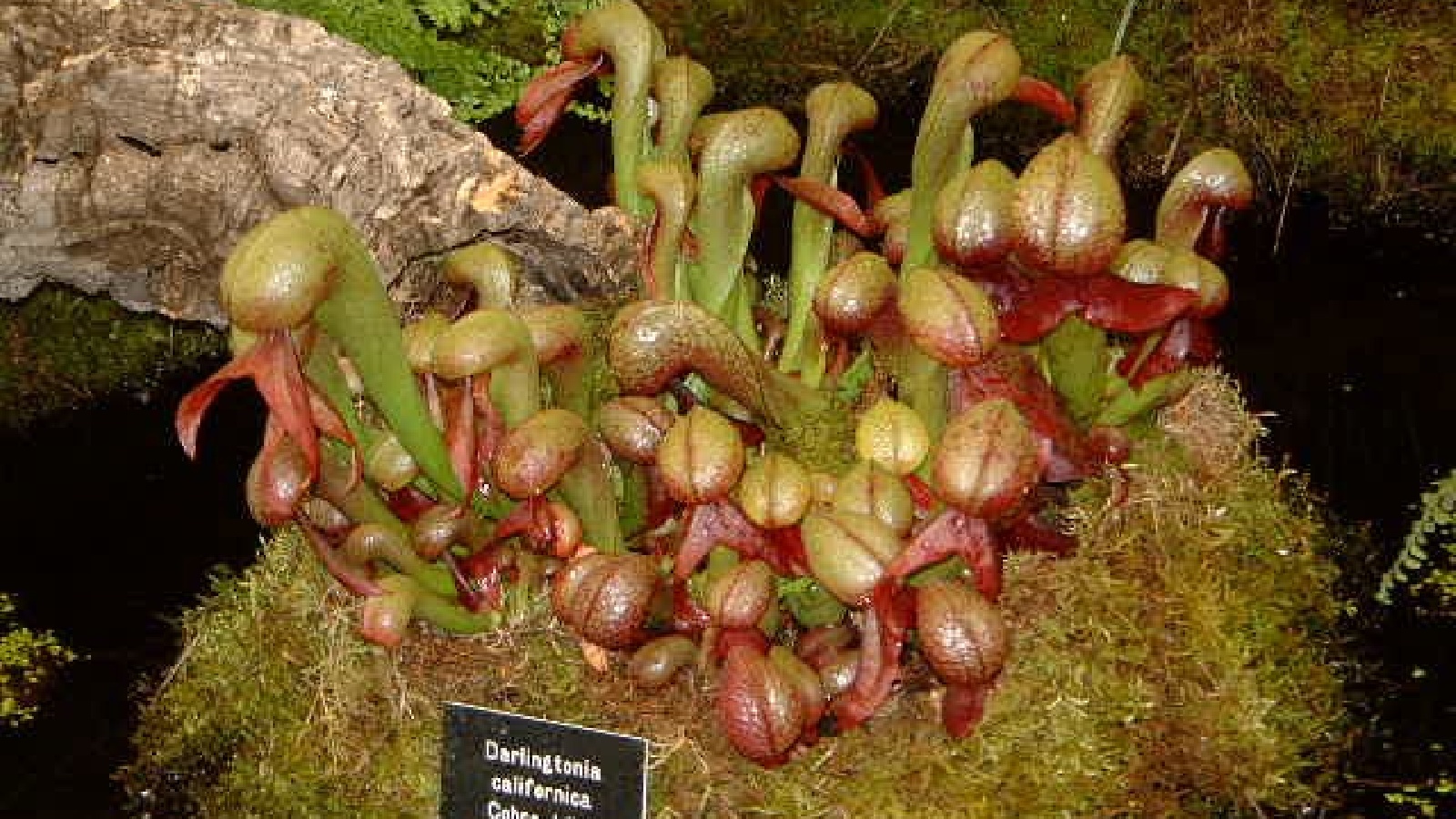
Cobra lilies are named for their unique shape, which resembles a cobra ready to strike. These plants have a long, tube-shaped structure with a hooded end that secretes a sweet scent to attract prey. Once inside, the prey is trapped and digested by the plant’s enzymes.
Butterworts
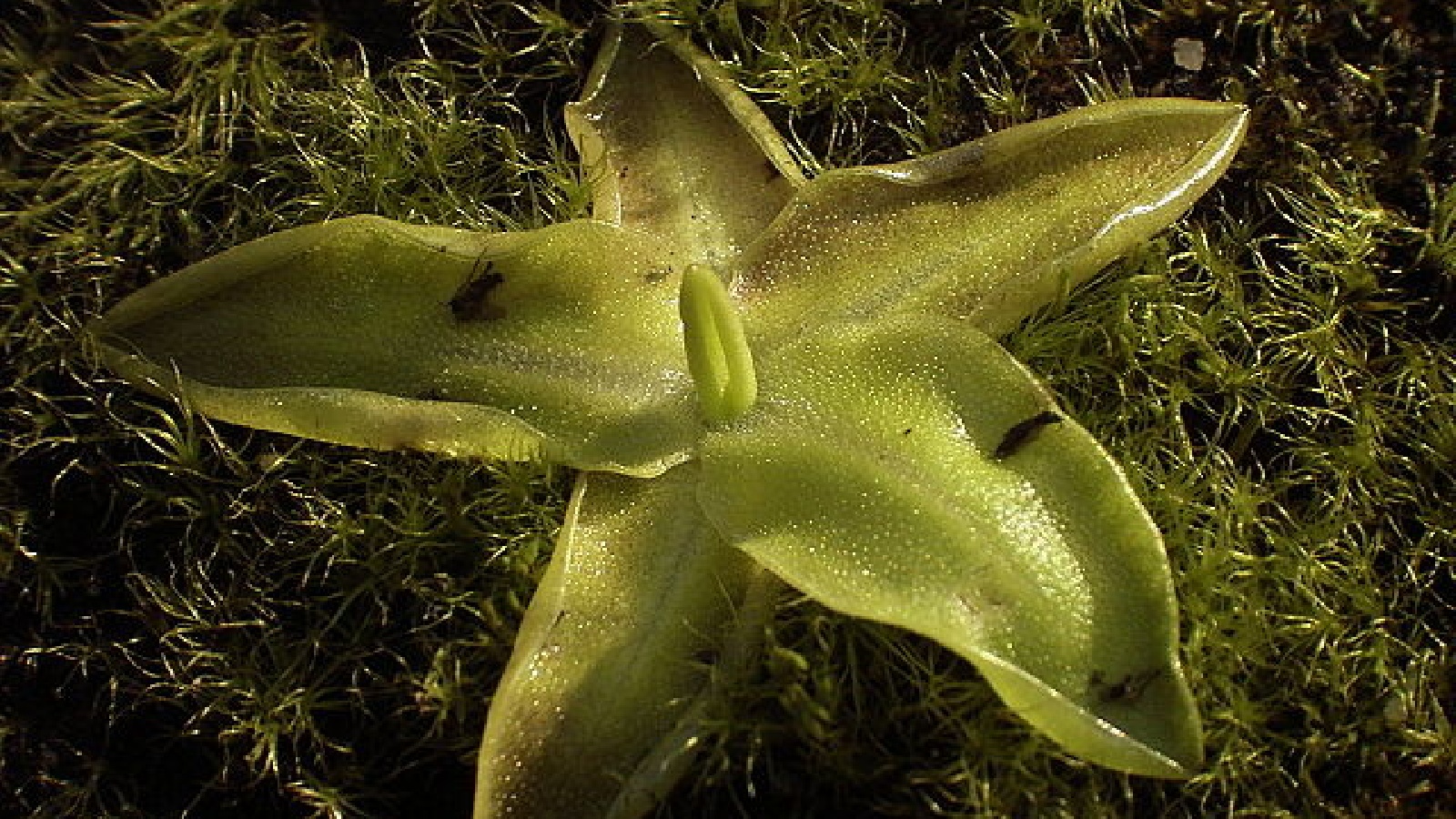
Butterworts are another carnivorous plant that uses sticky leaves to catch prey. Unlike sundews, these plants have two types of leaves – one for photosynthesis and the other for trapping insects. When an insect lands on the sticky leaves, it gets stuck, and digestive enzymes break down its tissues for the plant to absorb.
Waterwheel Plant
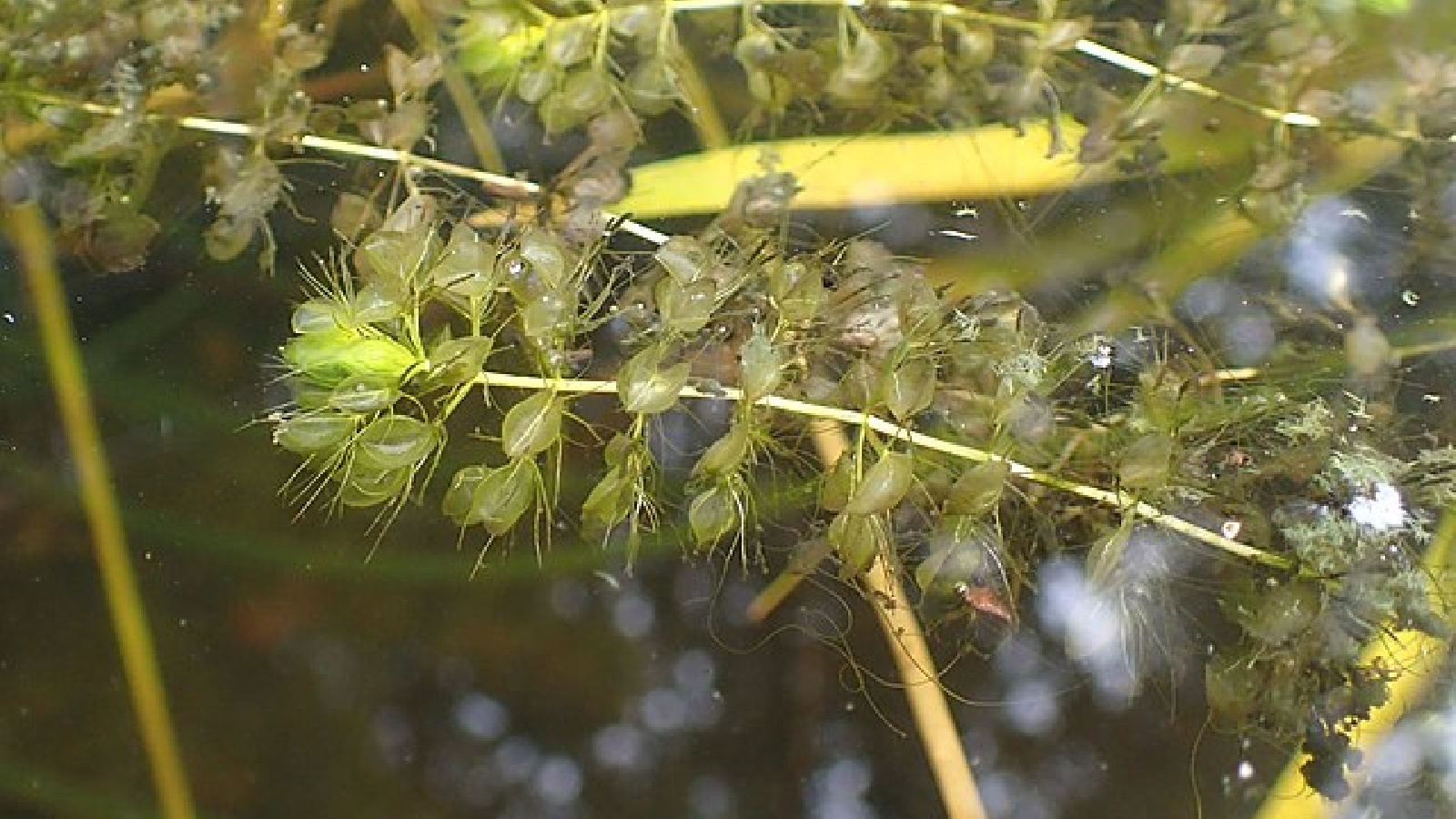
The waterwheel plant, also known as Aldrovanda vesiculosa, is an aquatic carnivorous plant with whorls of tiny, sharp leaves that look like a waterwheel. These plants use razor-sharp leaves to catch prey, usually small aquatic insects and crustaceans.
Corkscrew Plant
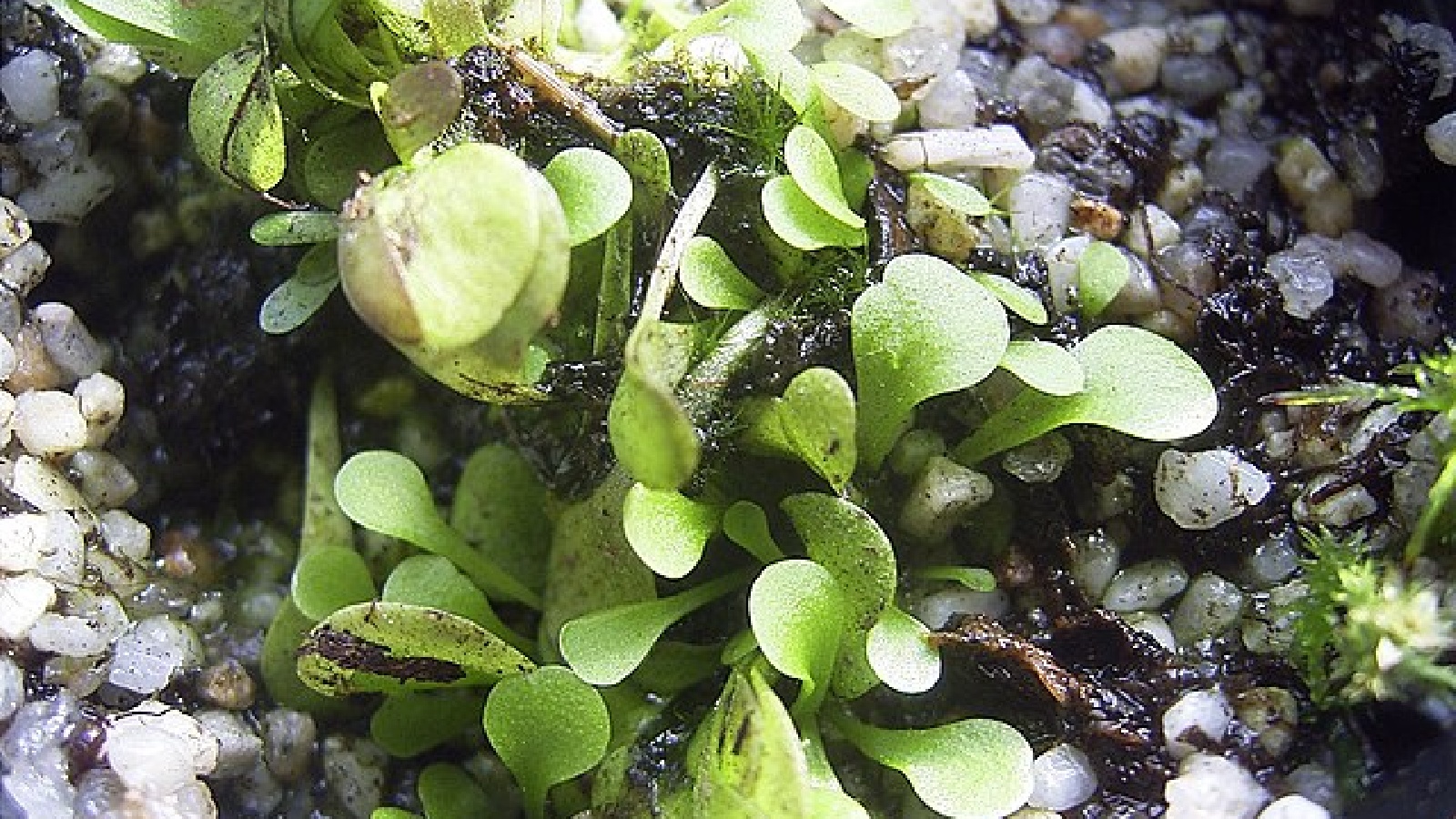
Corkscrew plants are native to the Southeastern United States and have a unique trap that resembles a corkscrew. The plant’s leaves are tightly coiled, with tiny hairs on the inside that act as triggers when touched by prey. Once triggered, the leaves uncoil, trapping and digesting the insect.
Rainbow Plant
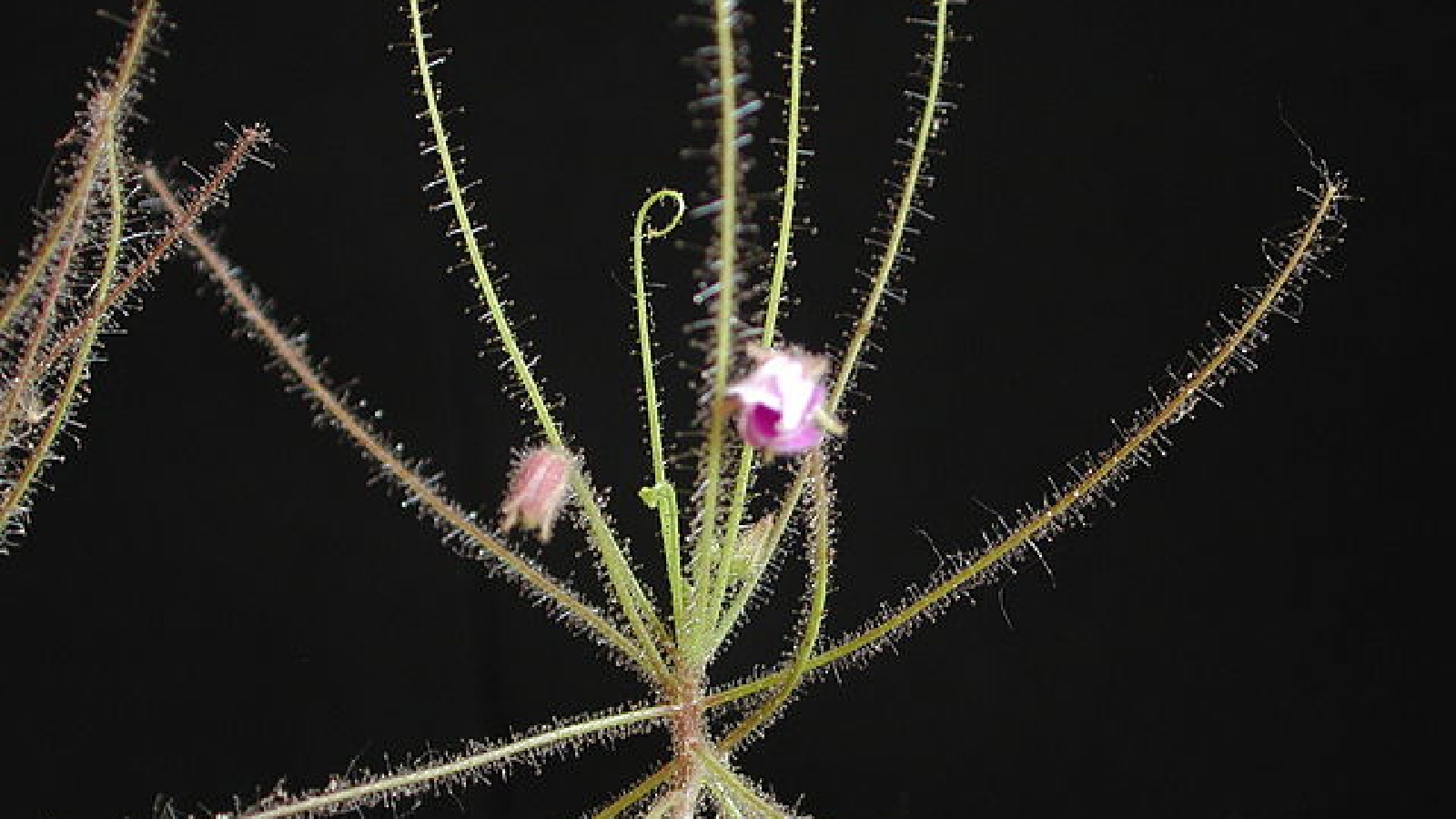
The rainbow plant, also known as Byblis liniflora, is a small carnivorous plant native to Australia. It glitters in the sun, giving it its name. These plants’ leaves are covered with tiny droplets of sticky fluid that act as traps for insects. Once caught, the prey is slowly digested by the enzymes secreted by the plant.
Albany Pitcher Plant
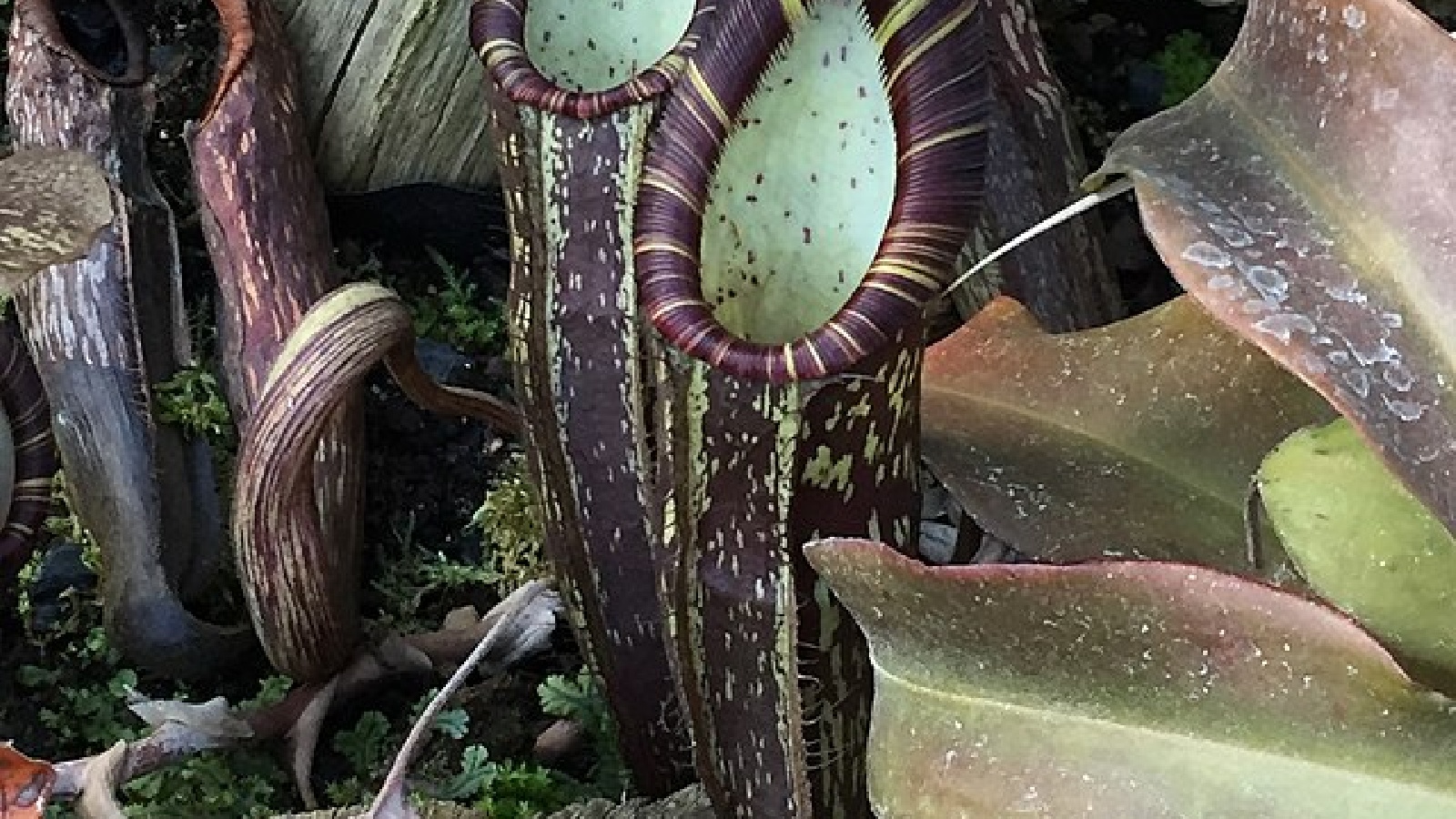
The Albany pitcher plant, also known as Cephalotus follicularis, is native to Australia and has a unique pitcher-shaped trap. The plant’s leaves are modified into pitchers that have slippery walls and nectar glands at the top to lure insects. Once inside, the prey drowns in the liquid at the bottom of the pitcher and is digested by enzymes.
Tropical Pitcher Plant
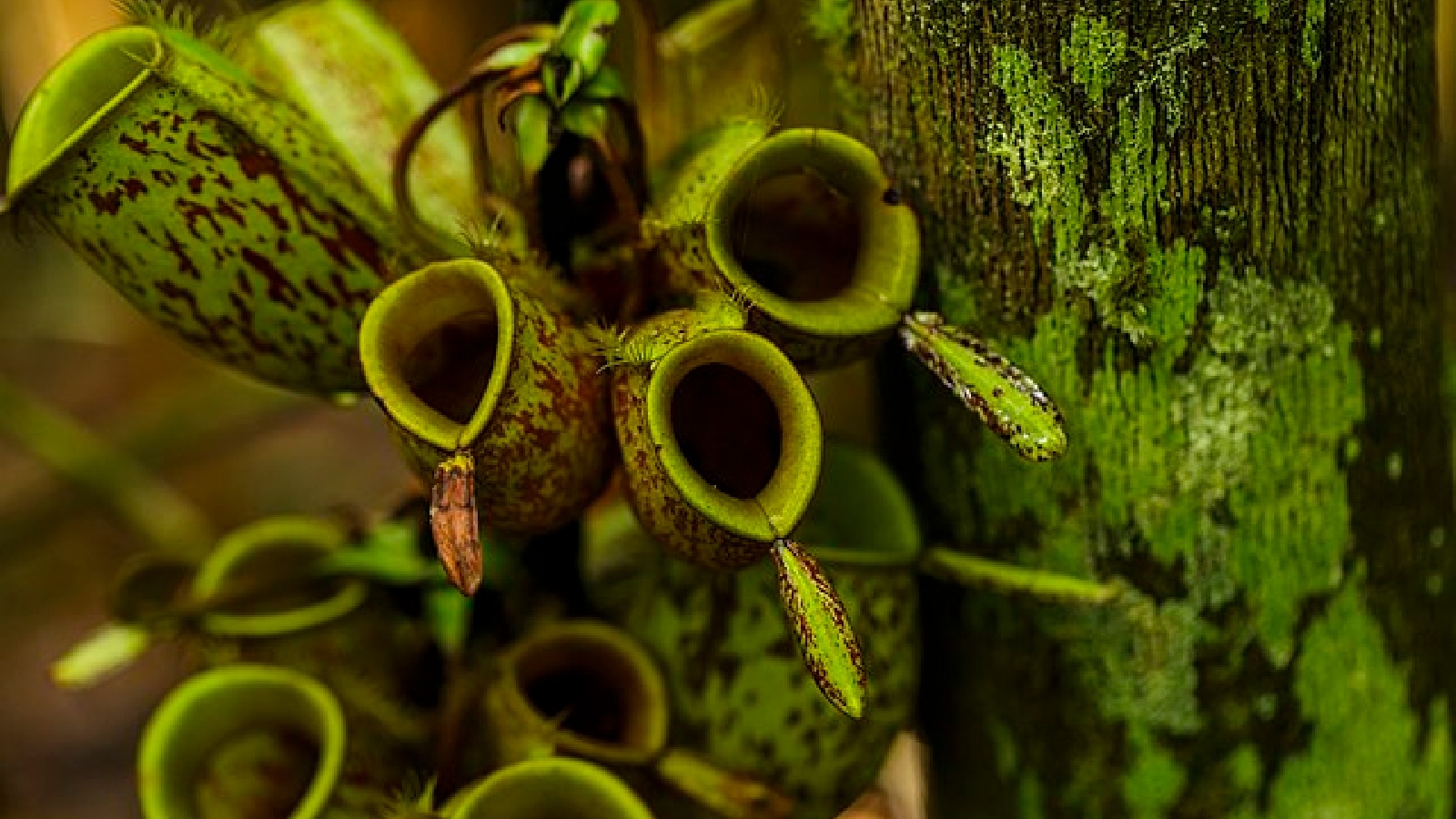
The tropical pitcher plant, Nepenthes, is a group of carnivorous plants in tropical regions worldwide. These plants have large hanging pitchers filled with digestive fluid that lure in insects and small creatures. Some species of this plant have even been known to catch small rodents and birds.