Buying a home is often presented as the natural next step in life. Instead of sending rent payments to a landlord, you build equity and invest in a place of your own.
But owning a house doesn’t automatically make someone happier. One first-time homeowner is learning the hard way, after years of wanting to buy and feeling like renting was a waste of money. She and her husband finally purchased a home, but just a few months later, she was already questioning whether they’d made the right decision.
They Could Get More House for Their Money
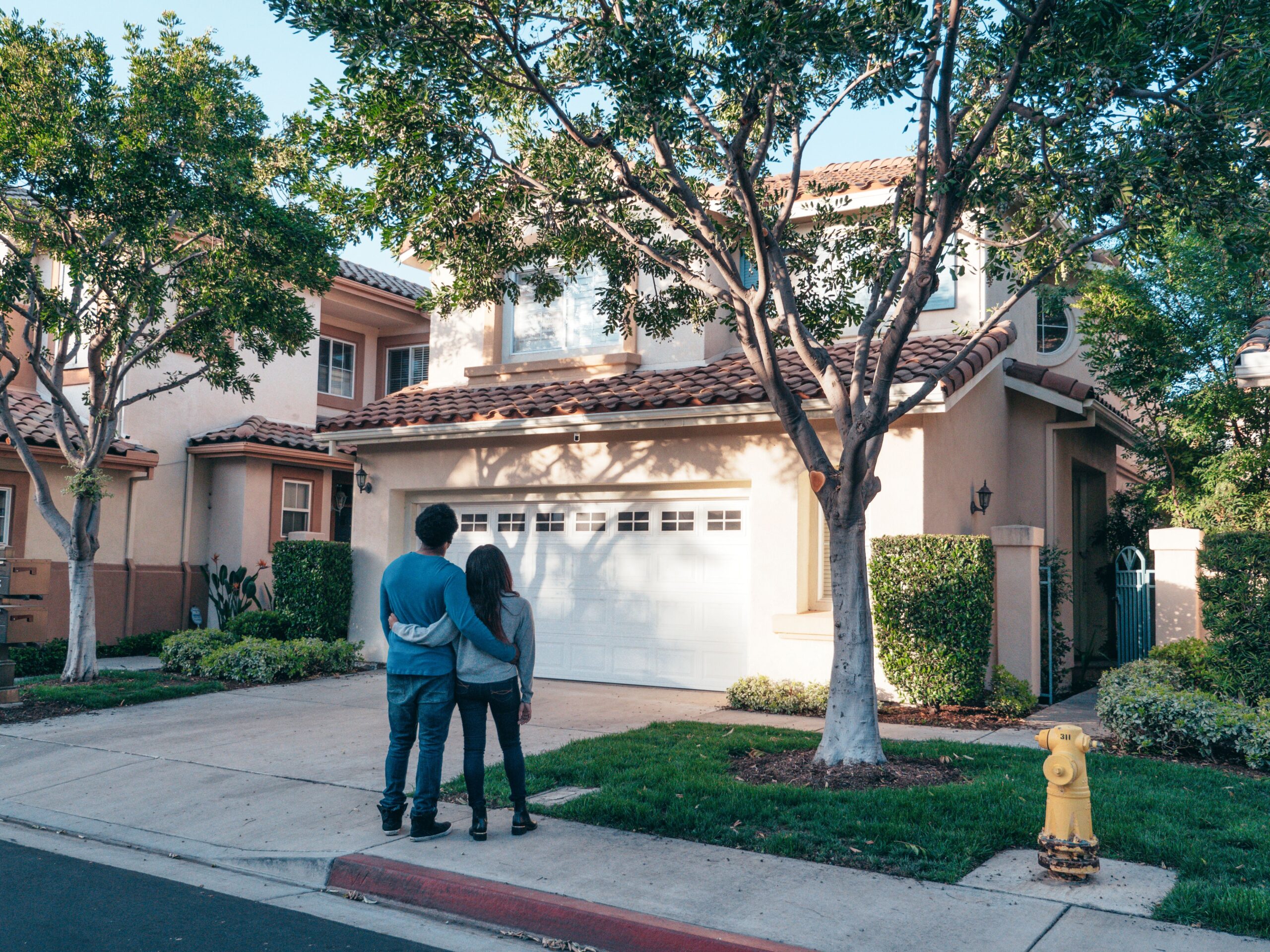
The couple bought their house in June. Her husband had originally wanted to keep renting, but she persuaded him that buying would be a better financial move.
They also liked the idea of getting more space for their money. By looking farther from the city, they could afford a larger house they thought they would eventually grow into. She hadn’t fully considered how much she’d miss the location and convenience of their previous rental.
Now her husband is happy with the house, but she’s second-guessing.
A 10-Minute Commute Became Up to 90 Minutes
Before the move, her commute to work took about 10 minutes. From their new home, the drive can take anywhere from an hour to an hour and a half, depending on traffic.
Everyday errands have become a hassle, too. She said it takes at least 20 minutes to get almost anywhere, and the distance has left her feeling isolated in a suburban lifestyle she doesn’t enjoy.
Several people responding to her post understood why the commute was such a problem. One commenter shared that their own drive had increased from seven minutes to 45 minutes after buying a house, and they eventually sold it after 18 months to move closer to work.
Others said they would rather have a smaller home in a convenient location than spend more time commuting for extra space. One person had bought a small condo in a desirable area and cut their commute from 45 minutes to around 10 minutes.
Related: 8 Home Buying Red Flags That Could Haunt You After Moving In
The House They Planned to “Grow Into” Feels Too Big
Buying a house with the future in mind can seem sensible, but plans don’t always work out as expected. The couple purchased more space because they thought their needs would eventually change, but financial pressures have put those plans on hold.
Now the homeowner feels they’re paying to maintain a house they don’t really need. The extra rooms and square footage that once seemed like a benefit have become another expense and responsibility.
Buyers can easily get caught up in planning for a life they haven’t reached yet. They might choose a larger property for children they hope to have, relatives who may visit, or jobs and circumstances that could change years down the road.
Related: Open Houses Can Help Sell Your Home, but There’s a Catch
There Was Pressure to Buy, Too
The homeowner also said her parents pressured her to buy sooner rather than later. Hearing that renting was “throwing money away” made waiting feel like the wrong financial choice.
But buying isn’t automatically the better option for every household. The Consumer Financial Protection Bureau explains that renting offers flexibility, while homeowners have to budget for property taxes, insurance, maintenance, repairs, and other expenses on top of their mortgage payments.
Building equity can also take time because a larger share of mortgage payments goes toward interest during the early years of a loan. Selling soon after buying can be costly, making it harder to leave a house that no longer suits your needs.
Related: Buying a Home Is Just the Beginning—These Costs Surprise Most Owners
The Bigger Lesson Is to Buy for the Life You’re Actually Living
This couple’s experience reminds us that buying a home involves much more than comparing mortgage payments and square footage. They chose a larger house farther away because it offered more space for the money, but the longer commute and loss of convenience have taken a toll on their everyday lives.
Anyone planning to buy should think about the routine that comes with a property, not just how it looks on paper. Test the commute during rush hour, check the distance to grocery stores and other regular stops, and spend time in the neighborhood before making a decision.
Buying a house doesn’t have to be the next step just because you’re getting older, your family expects it, or you feel guilty about paying rent. A larger home may look like an upgrade, but it can be a poor trade if it means giving up the location, free time, and convenience that make everyday life enjoyable.
Related: Home Inspection Reveals Rotting Wood Hidden Beneath Fresh Paint