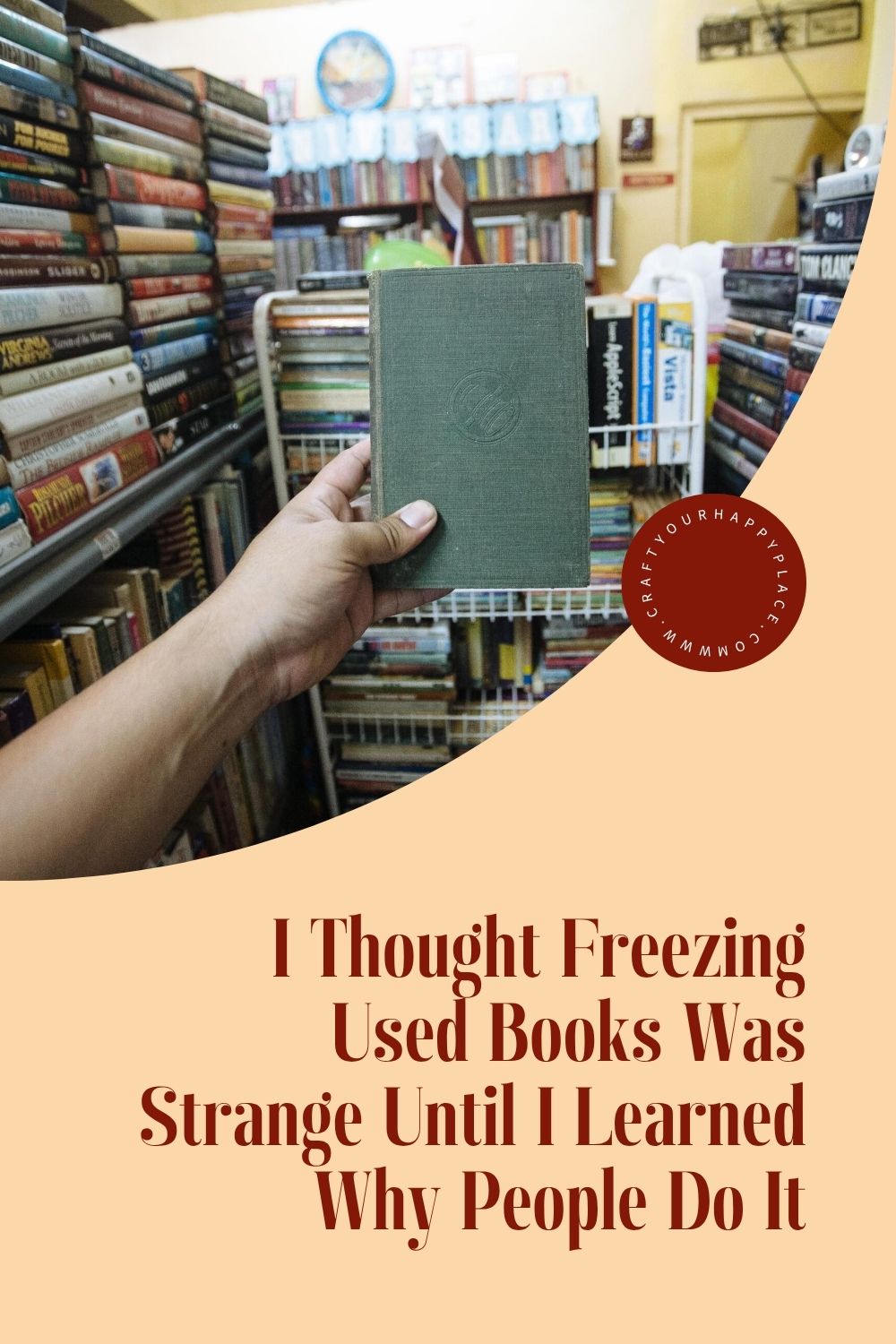
I have a soft spot for thrifted books. They’re one of the first things I look for whenever I visit a thrift store, browse a used bookstore, or pass a little sidewalk library.
So the first time I heard that people were putting their secondhand books in the freezer, I had to wonder what was going on. It sounded a little over the top, since books are supposed to go on shelves, not next to frozen food.
After seeing the idea pop up on TikTok and BookTok, though, I started to understand the reason behind it. Part of the fun of buying secondhand books is finding things you weren’t looking for, like an old hardcover with handwritten notes, a paperback you’ve wanted to read for years, or a coffee-table book that looks far more expensive than it was.
What you don’t expect is to bring home a book with unwanted visitors hiding between its pages. Dust and old paper are one thing, but tiny insects are another reason some readers take an extra step before putting their latest finds on the bookshelf.
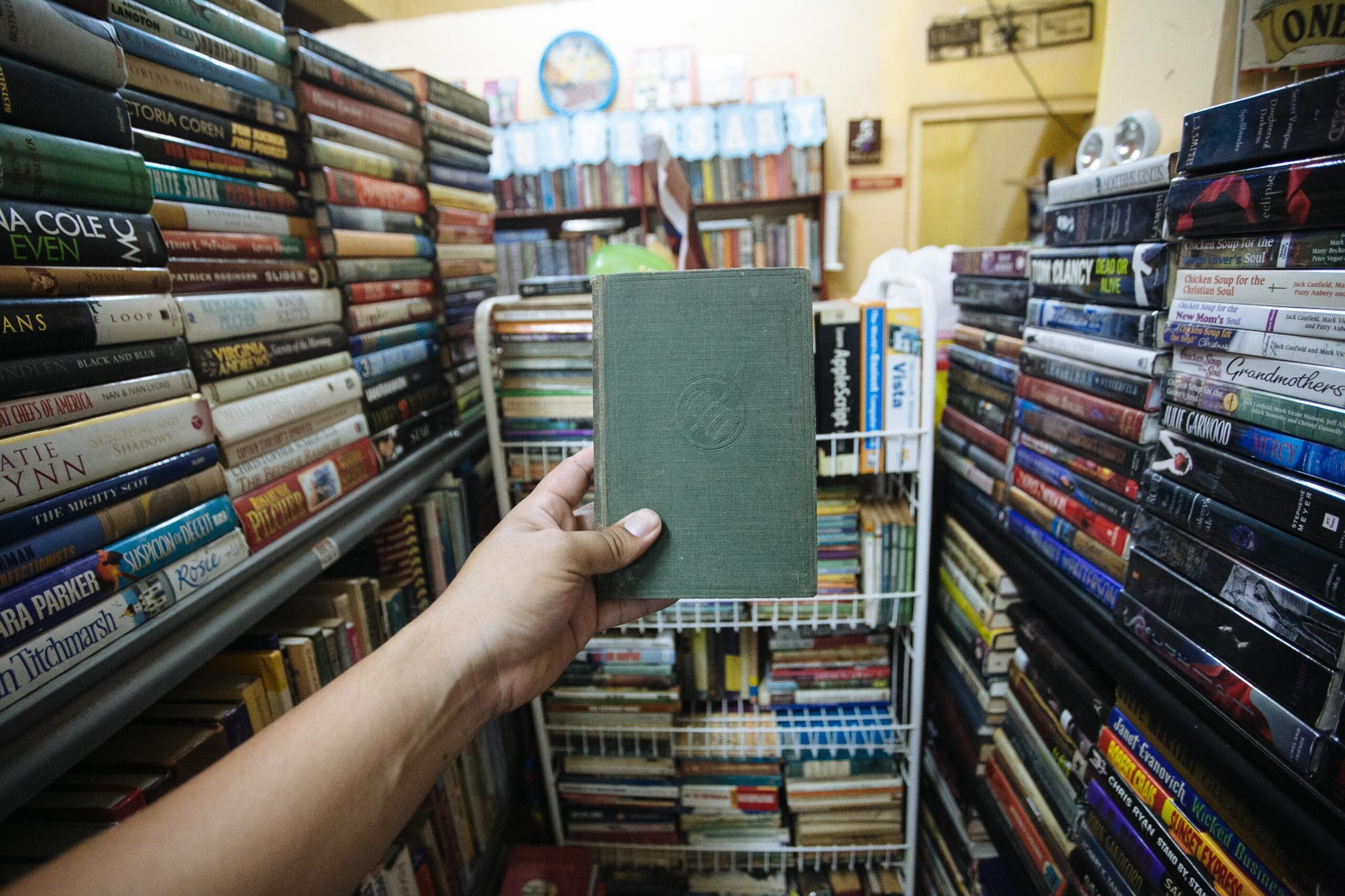
Why People Are Freezing Thrifted Books
Books contain paper, glue, cardboard, cloth, and sometimes leather, all of which can be affected by the conditions in which they’re stored. Books kept in basements, garages, outdoor free libraries, or humid spaces may have pests such as booklice, silverfish, or even bedbugs.
These insects can be difficult to spot during a quick flip-through at a thrift store. Freezing is one way some readers try to deal with the possibility of pests before adding a used book to their home collection.
Related: These Vintage and Thrifted Items Could Be Worth More Than You Think
How TikTok Put This on Everyone’s Radar
Many readers say they first came across the freezer trick through TikTok, particularly videos from BookTok creators sharing their secondhand book hauls. Clips showing books sealed in plastic bags and placed in freezers have prompted plenty of surprised reactions, questions, and jokes.
Some people have also shared stories about skipping the step and wishing they hadn’t. For others, freezing a thrifted book has become a regular habit, much like washing thrifted clothes before wearing them.
One TikTok creator, @justbianca96, even described freezing thrifted books as a favorite mom hack for keeping books ready for her young children.
@justbianca96 Freezing thrifted books might sound a little crazy 😅 but it’s my favorite mom hack! Keeps them clean, fresh, and ready for my little ones to enjoy 📚💛 #MomHack #ToddlerMom #PreschoolMom #ThriftedFinds #MomTips ♬ original sound – justbianca96
How the Freezer Method Works
The method often shared online involves placing a book inside a sealed plastic bag and leaving it in the freezer for around 48 hours. The book is then allowed to thaw slowly while still inside the bag to reduce condensation.
Freezing may kill some insects and larvae, but results depend on the pest, temperature, and length of time. It also doesn’t clean the book, remove odors, or repair damage, so it’s best viewed as a precaution rather than a complete treatment.
Related: The $240 Billion Business Behind Today’s Thrifting Craze
When Freezing Isn’t a Good Idea
Not every book belongs in the freezer. Rare editions, fragile antiques, and books with delicate bindings may be damaged by temperature changes or condensation, so valuable copies are better left to someone with experience handling old books.
Freezing also won’t solve a mold problem. Cold temperatures may slow mold activity, but they don’t remove it, and books with visible mold need careful handling, proper cleaning, and suitable storage.
Related: I Kept Wasting Money at Thrift Stores Until I Changed This One Habit
Why People Keep Doing It Anyway
For people who collect thrifted books, freezing is a precaution they take before adding another find to their shelves. As more readers discover secondhand books through thrift stores, sidewalk libraries, and social media, the habit has become another topic of conversation among book lovers.
There’s still plenty to enjoy about finding a book with a previous owner’s notes or discovering a forgotten title for just a few dollars. A quick inspection before bringing it home is a good idea, especially if the book smells musty, feels damp, or shows signs of insect damage.
Related: 12 Martha Stewart Home Decor Tips That Can Make Your Home Look Better