
A yard sale seems easy enough. Pull out what you no longer need, add price tags, and spend a Saturday morning turning clutter into cash. But a few small details can make the difference between a driveway full of browsing shoppers and a long day of watching people drive past.
After hosting and shopping at plenty of yard sales, I’ve learned people are more likely to stop and buy when they can find the sale, spot items they want, and see prices without asking about everything. If you’re already sorting through closets, cabinets, the garage, and those boxes you’ve been meaning to tackle, a little planning can help you sell more and bring less stuff back inside.
Here are 25 ways to make your next garage sale more worthwhile.
1. Pick a Day When Shoppers Are Out Early
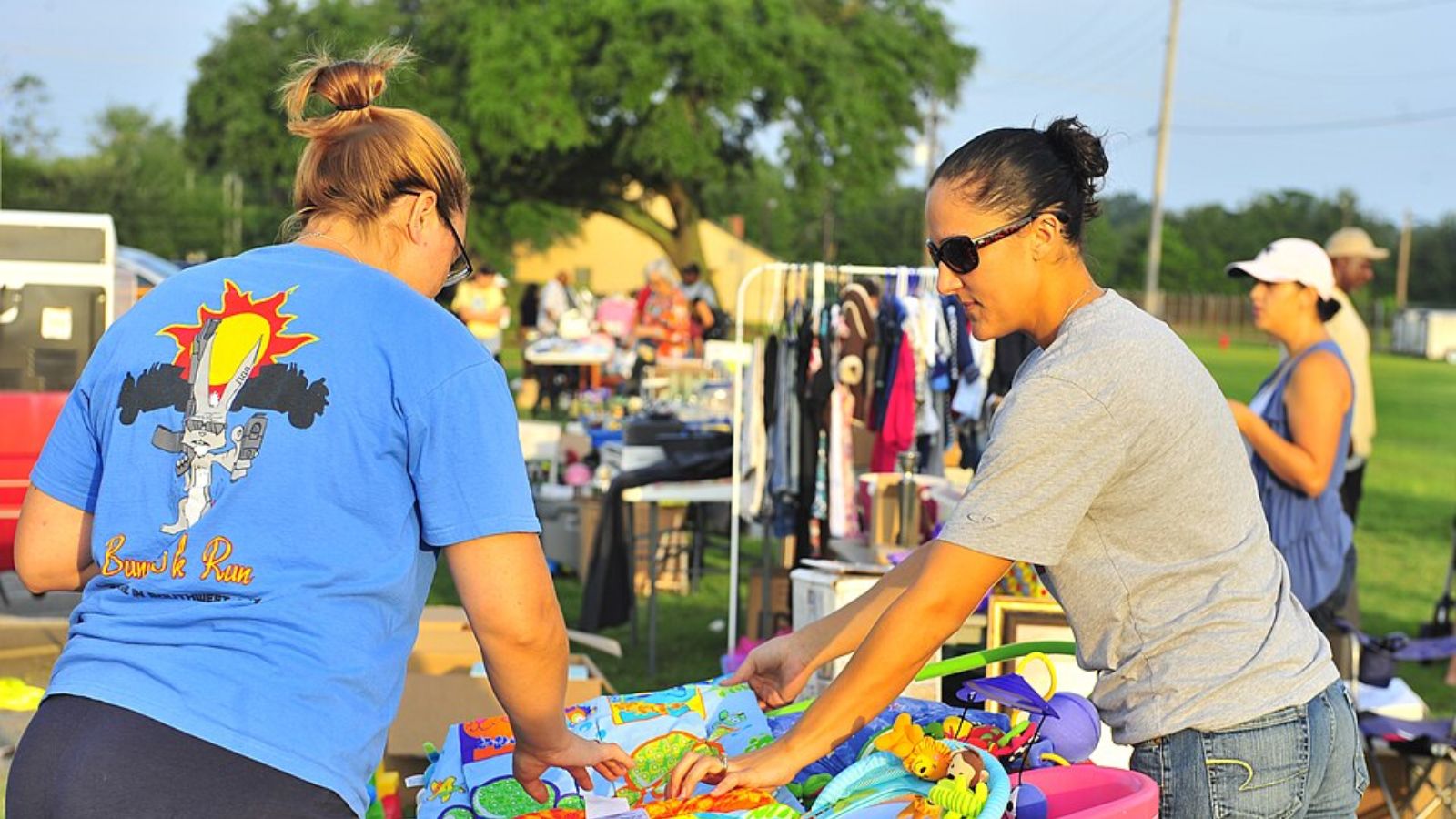
Friday and Saturday mornings are popular choices for yard sales because many shoppers head out early to find the best bargains. Check which days work best in your neighborhood, and consider teaming up with nearby households so shoppers can visit several sales in one trip.
Related: This Is Hands Down the Best Day to Host a Yard Sale (Most People Get It Wrong)
2. Have Everything Ready Before Opening
If your ad says the sale starts at 8 a.m., someone may show up at 7:45 looking for a deal. Set up your tables, put out your merchandise, prepare your change, and put up your signs before the advertised start time.
3. Tell People What You’re Selling
A listing that says only “garage sale Saturday” doesn’t give shoppers much reason to visit. Mention items people might be searching for, such as furniture, children’s clothes, tools, vintage finds, toys, or garden equipment.
Related: Yard Sale Printable Bundle (All You Need to Host Your Sale)
4. Take Photos of Your Best Items
A few clear photos can give people a better idea of what they’ll find than a long description. Photograph standout pieces individually, then take a wider picture of your setup so shoppers can see how much merchandise you have.
5. Advertise Where Local Shoppers Look
Don’t count on passing traffic alone to bring people to your driveway. Post your sale on Facebook Marketplace, neighborhood groups, community pages, and garage-sale listing websites people in your area already use.
6. Make Your Signs Easy to Read
Drivers won’t have time to read tiny lettering or a long list of instructions as they pass your sign. Use large, bold words, a clear arrow, and a simple route to your sale so people can follow the directions without guessing.
7. Put Your Best Items Out Front
A driveway filled with cardboard boxes may not give passing shoppers much reason to stop. Place a few eye-catching items near the front, such as furniture, outdoor gear, toys, or colorful household pieces that people can spot from the road.
8. Get Items Off the Ground
Shoppers are more likely to browse when they can see what’s available without bending over piles or digging through boxes. Borrow folding tables, use shelves and clothing racks, and place smaller items on sturdy surfaces where people can look at them comfortably.
9. Group Similar Items Together
Think of your driveway as a small secondhand shop, with kitchen supplies in one area, toys in another, and books, clothing, tools, and home decor in their own sections. People looking for something specific can go straight to the right spot, while others can browse without sorting through everything.
10. Hang Clothing and Sort It by Size
A heap of clothes can turn into a mess in minutes, and shoppers may skip it if they can’t find what they need. Hang nicer pieces when possible, and separate children’s clothing by size so parents can browse without digging through every item.
11. Put a Price on Everything
Shopping gets awkward when every item requires a price conversation. Use stickers, tags, or clearly marked signs for groups of items so people can decide what they want without asking you how much everything costs.
12. Price Things to Sell
You might remember paying $60 for an item, but yard sale shoppers are usually looking for a bargain rather than retail prices. Set prices that feel reasonable for secondhand goods, and leave room to negotiate on items that attract offers.
Related: 12 Signs Your Garage Sale Price Is Too High
13. Offer Deals on Items Sold in Groups
Pricing every children’s book or kitchen utensil separately takes time you could spend getting the rest of the sale ready. Try simple offers such as $1 each or six for $5 to encourage people to buy several items at once.
14. Set Up a Bargain Box
Small odds and ends may not deserve individual price tags, but they can still bring in a little money. Fill a box with inexpensive toys, craft supplies, kitchen gadgets, accessories, and other miscellaneous items, then mark everything 50 cents or $1.
15. Put Out a Free Box
A clearly marked FREE box near the curb can catch the attention of people who might otherwise keep driving. Include items you’re happy to give away, and some visitors may stick around to see what else you have for sale.
16. Clean Up the Items Worth Selling
You don’t need to scrub every inexpensive item until it looks new, but dusty appliances and dirty furniture can make buyers hesitate. Wipe down higher-priced pieces, wash clothing in good condition, and give sale items a quick clean before putting them out.
Related: How to Make Extra Money Selling Vintage and Secondhand Finds
17. Test Electronics and Appliances Beforehand
Don’t wait for a shopper to discover that a lamp, small appliance, or electronic device doesn’t work. Test anything that needs electricity before the sale, and when possible, have a safe outlet or extension cord available so buyers can check items themselves.
18. Keep Plenty of Small Bills and Coins
Someone buying a $2 item may hand you a $20 bill just minutes after the sale opens. Start the day with plenty of ones, fives, and coins so you can make change without running back into the house.
19. Accept Digital Payments if You Can
Some shoppers carry very little cash, which can become a problem when they want to make a larger purchase. Offering a payment option you’re comfortable using can help you close more sales, but always check your own payment account to confirm the money arrived rather than trusting a screenshot.
20. Keep Your Money Close
Leaving a cash box unattended while you help someone at the other end of the driveway creates an unnecessary risk. Use a waist pouch, apron, or small crossbody bag to keep your cash and phone with you as you move around.
21. Be Ready for Bargaining
Haggling is part of the yard sale experience, so expect shoppers to offer less than your asking price. If your main goal is to clear out space, accepting $8 for something marked $10 may be better than bringing it back indoors.
22. Let Buyers Make the First Offer
If someone asks what you’ll take for an item marked $20, you don’t have to cut the price in half straight away. Ask what they had in mind, then decide whether their offer works for you.
23. Offer Better Deals Later in the Day
Your priorities may change as the day goes on, especially if the driveway is still full of merchandise. Consider discounts on groups of items, lower prices on selected sections, or a deal for anyone willing to buy several things together.
24. Save Bags and Packing Materials
Keep grocery bags, paper shopping bags, and packing material in the weeks before your sale instead of throwing them away. They’re useful for shoppers buying several items, and they help protect glassware, dishes, and other breakables on the trip home.
25. Decide What Happens to the Leftovers
Dragging everything back into the house at the end of the day can undo much of the work you put into clearing out clutter. Before the sale, decide which items are worth listing online, which you’ll donate, and which you’re happy to give away so you can finish the job without creating another pile to sort through.