That plain fence in your garden could be a missed opportunity, but with the right plants, you can transform it into a stunning, living artwork. An attractive landscape adds up to 15% to a home’s perceived value, a Virginia Tech Study discovered. It also improves air quality and reduces noise pollution. Plants incorporated into a fence make your yard more beautiful and attract local pollinators such as bees, butterflies, and birds.
Urban gardeners are starting to take advantage of vertical gardening by using fences and walls in innovative ways to maximize available space. Recent trends have many homeowners integrating vines, climbers, and ornamental plants in vertical spaces to have a floral space without sacrificing square footage. Here are 20 colorful, fragrant, and even edible plants that can turn your fence into a wonderful feature that is both functional and beautiful.
Clematis
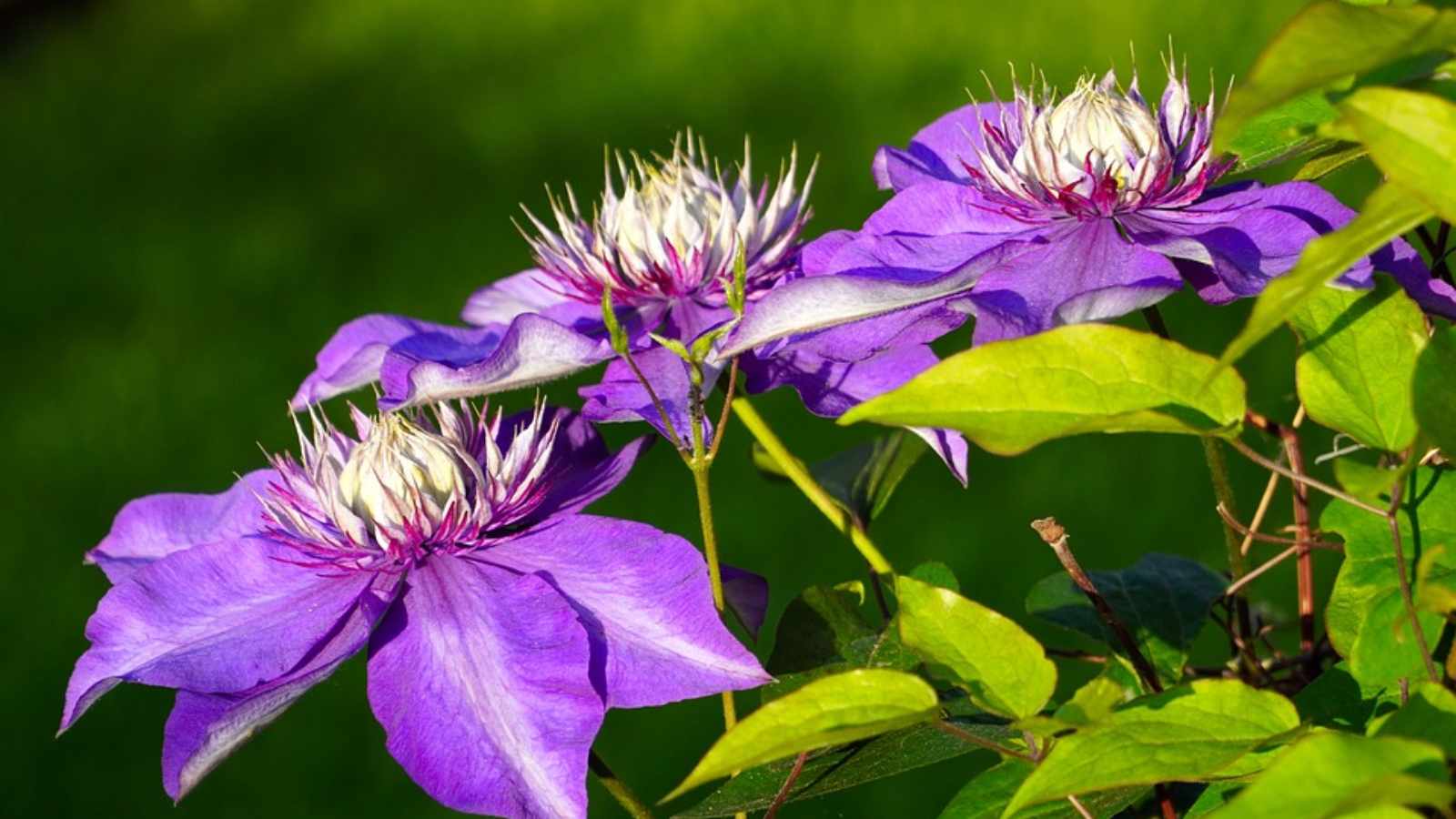
This plant has star-shaped flowers in shades of purple, pink, white, and red that bloom profusely during the growing season. It thrives in well-drained soil with the roots shaded and the vines in full sun.
Clematis, with its cascading blooms, is a great choice for covering a fence in an attractive, ephemeral, romantic way.
Bougainvillea
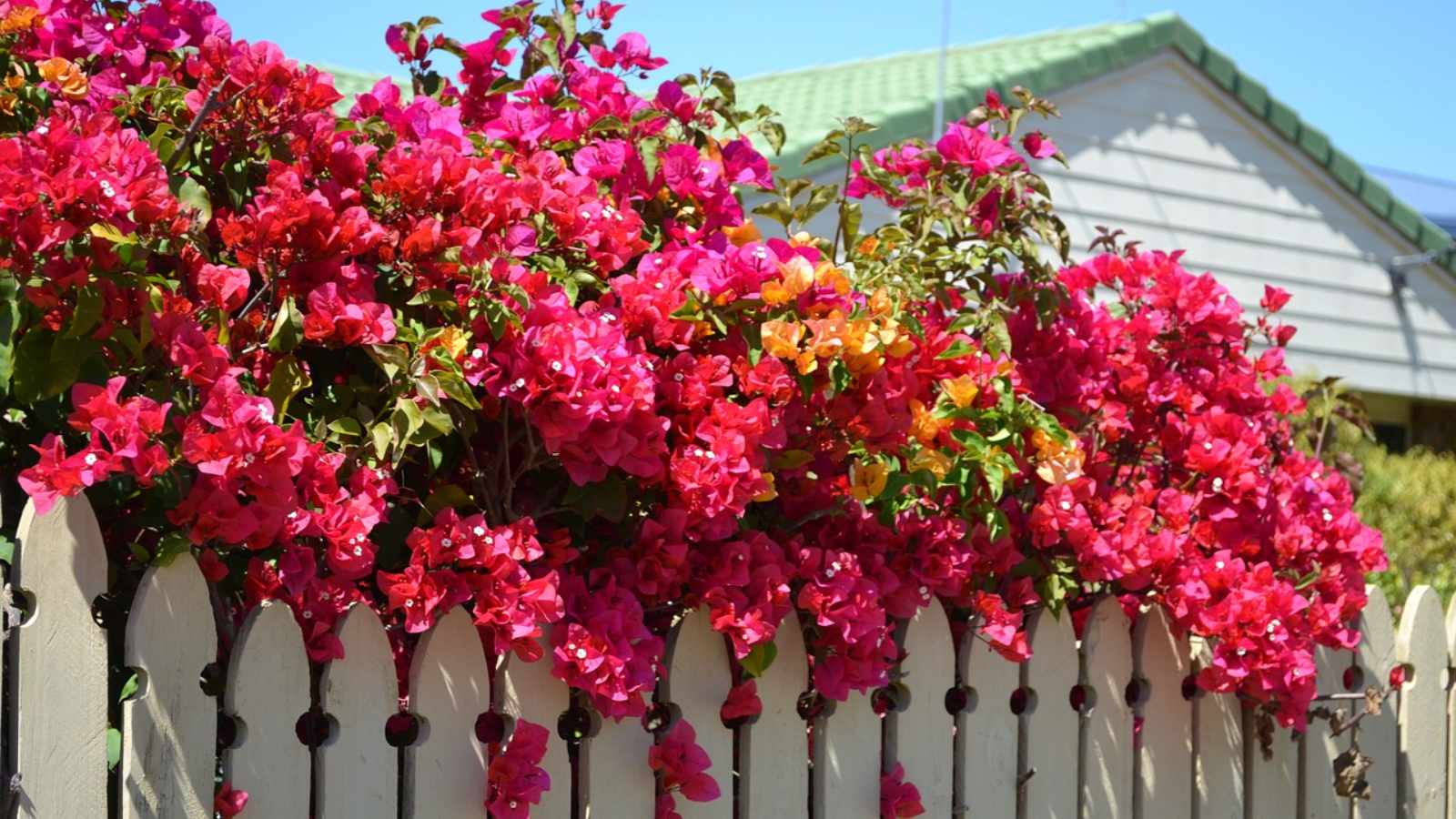
Bougainvillea is known for its super vibrant bracts in colors like magenta, orange, and crimson. It needs warm, sunny climates and well-drained soil to grow and thrive. Once established, it needs minimal watering.
This tropical beauty quickly transforms a plain fence into an eye-catching feature with its bold color and dense growth.
Trumpet Vine (Campsis radicans)
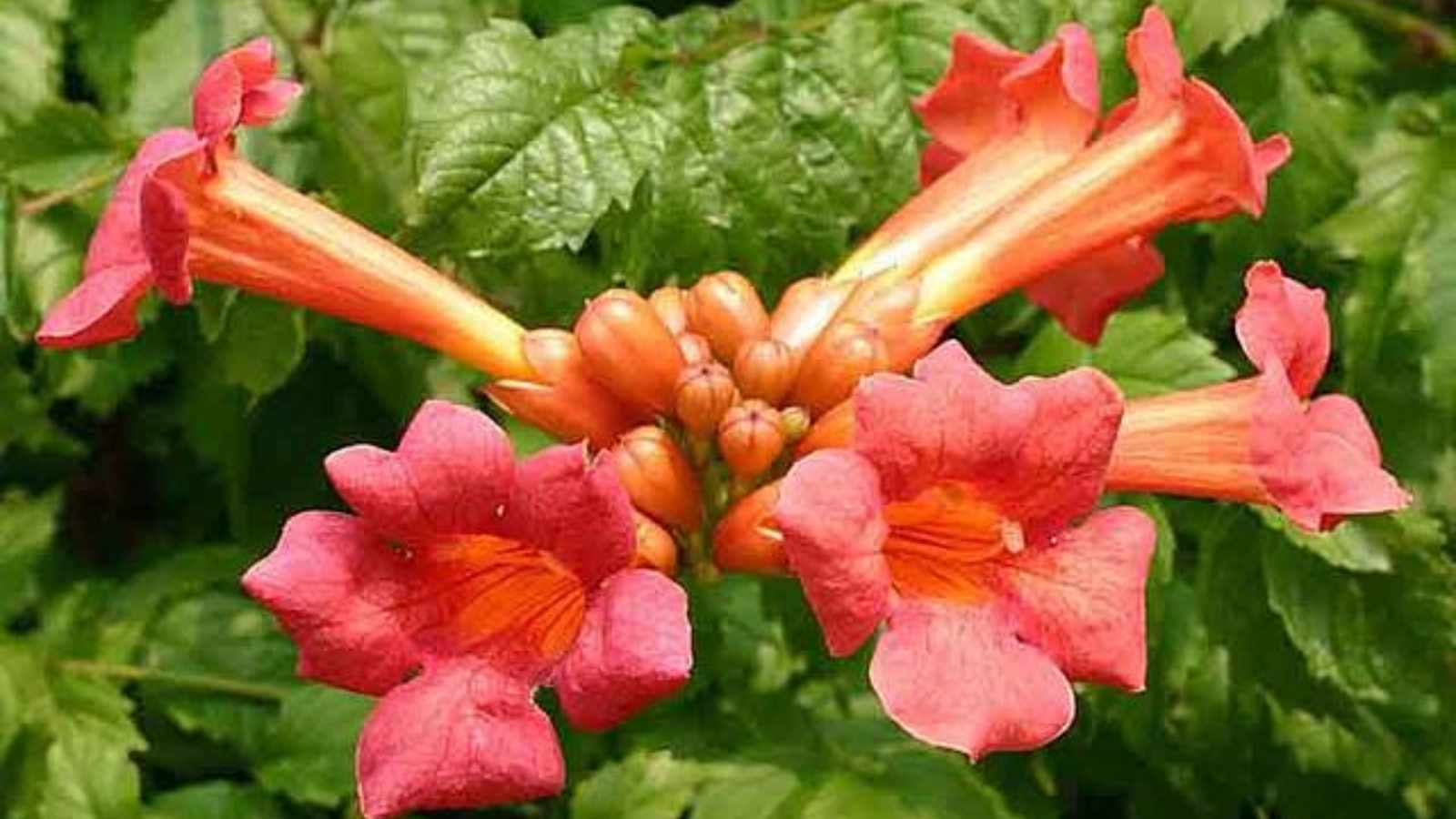
Trumpet vine produces bright orange-red, trumpet-shaped flowers that attract pollinators such as hummingbirds and bees. This plant grows in full sun to partial shade and is well-suited to a wide variety of soil types.
Although fast-growing, its show-stopping blooms make it a great choice for a bold indicator on large fences.
Honeysuckle (Lonicera)
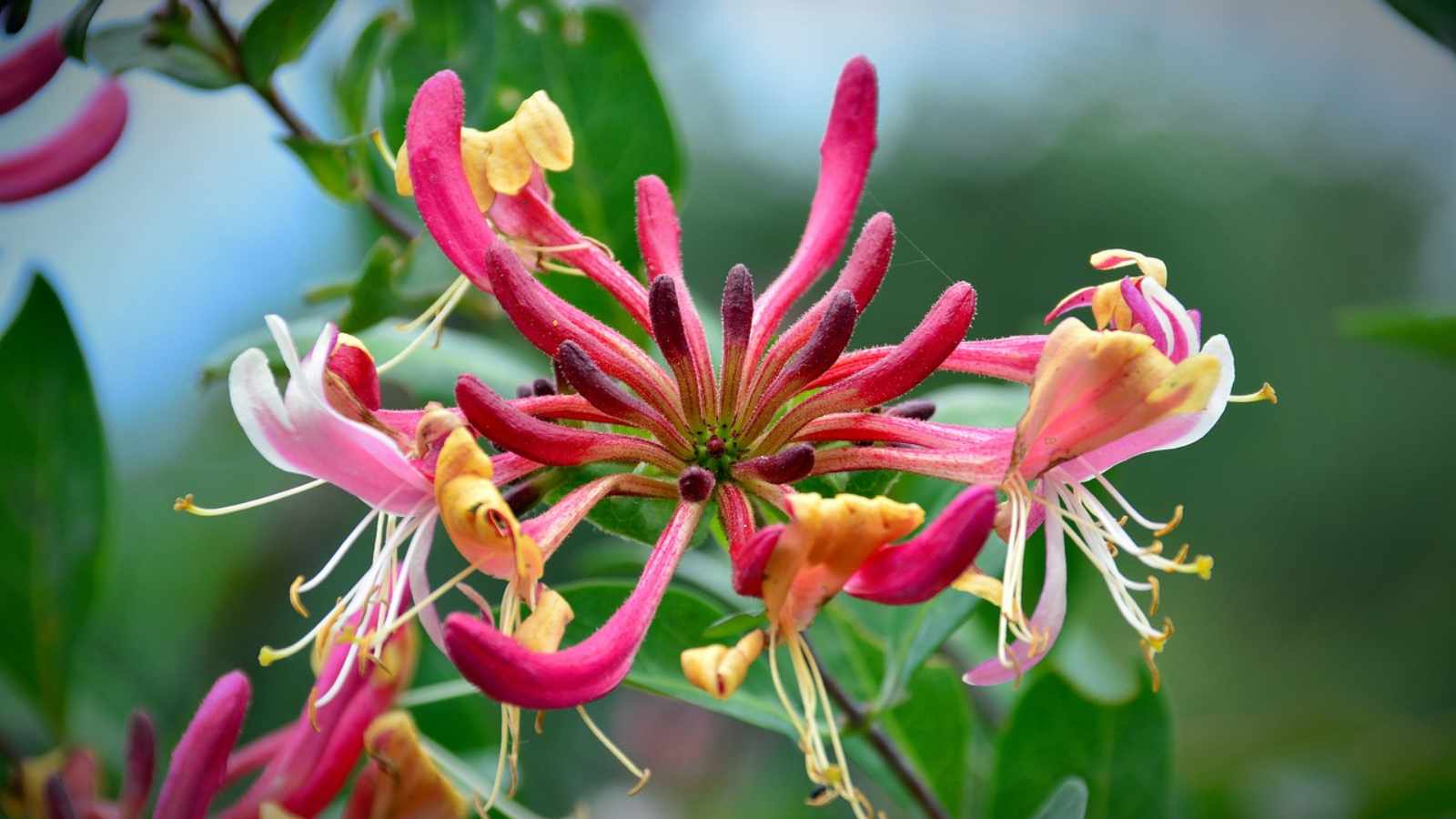
Honeysuckle has fragrant flowers in shades of yellow, pink, or white and blooms all season. It is a favorite for cottage-style gardens because of its enchanting scent and ability to quickly cover fences.
It does best in full sun to light shade, with regular watering and well-drained soil.
Star Jasmine
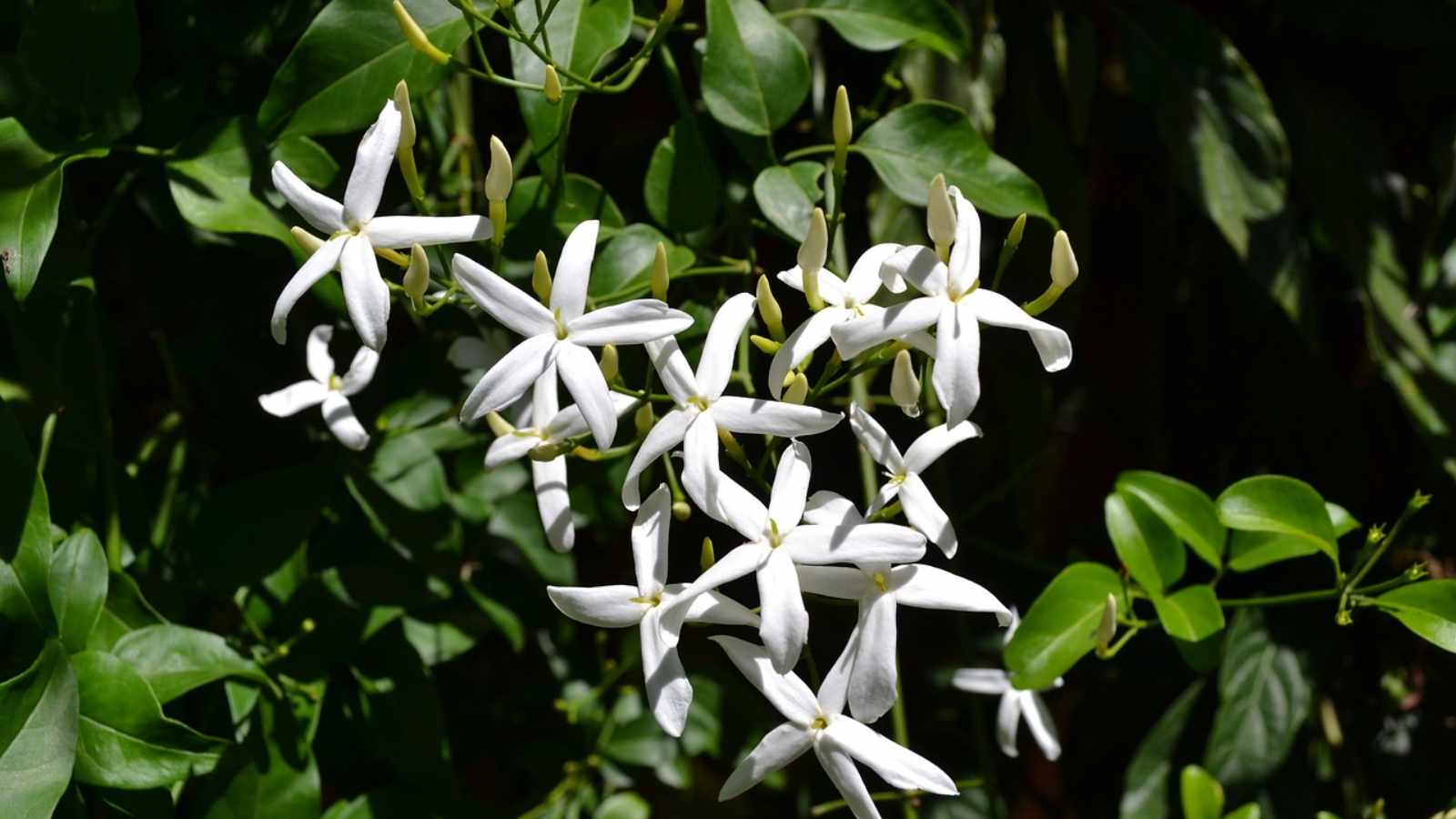
Star Jasmine produces small, star-shaped, white, sweet-scented flowers during the warmer months of the year. It does best in full sun to partial shade and well-drained soil that is moderately watered.
Star jasmine has glossy leaves and a wonderful scent, making it ideal for a sophisticated, all-year-round fence display.
Hydrangeas
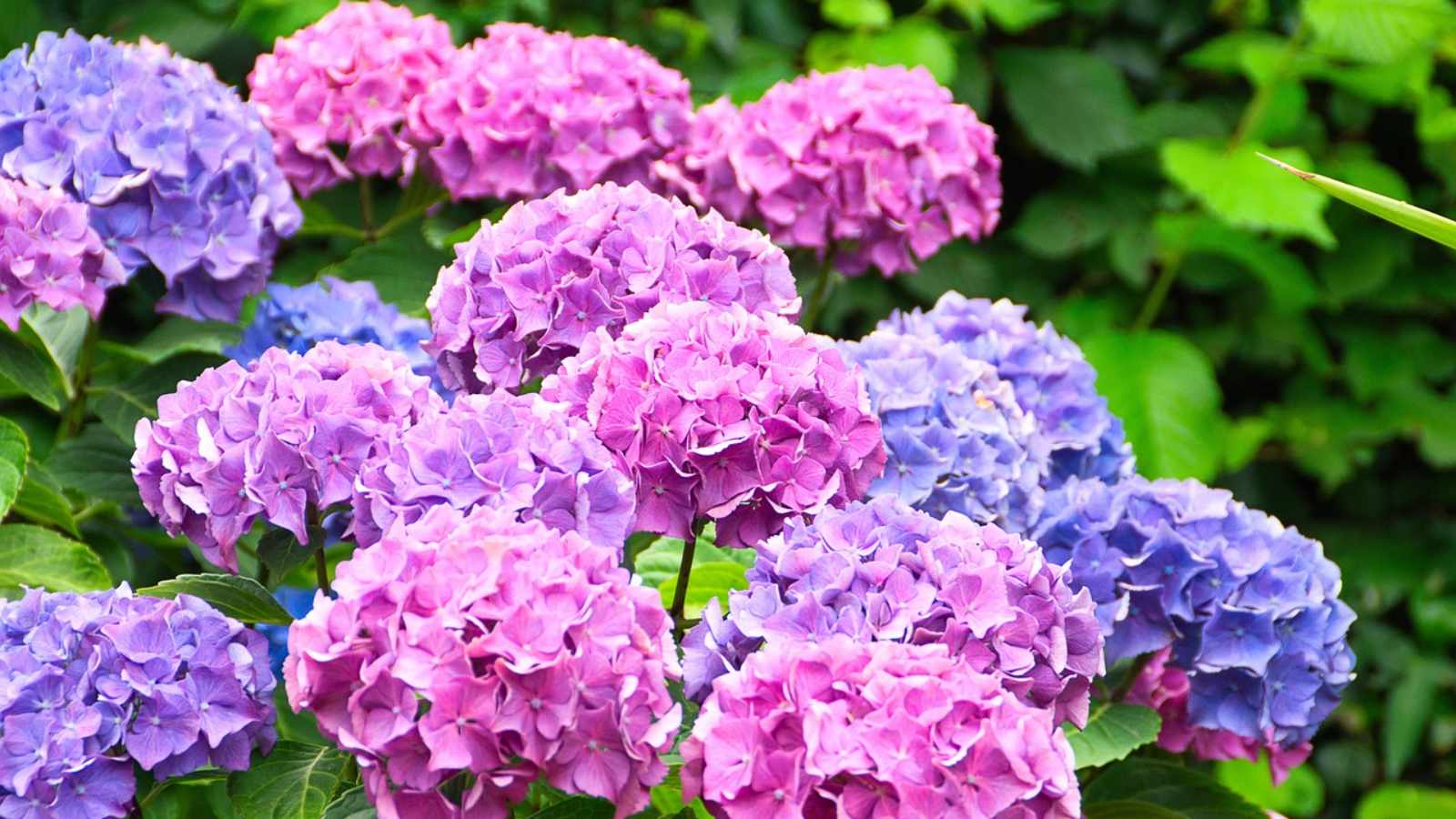
Depending on soil pH, hydrangeas produce large, ball-like clusters of flowers in shades of blue, pink, white, or purple. They require well-draining soil with moist conditions and perform best in morning light and afternoon shade.
They soften a fence’s structure with their lush, dramatic blooms, turning it into an elegant, inviting garden.
Roses (Climbing or Shrub)
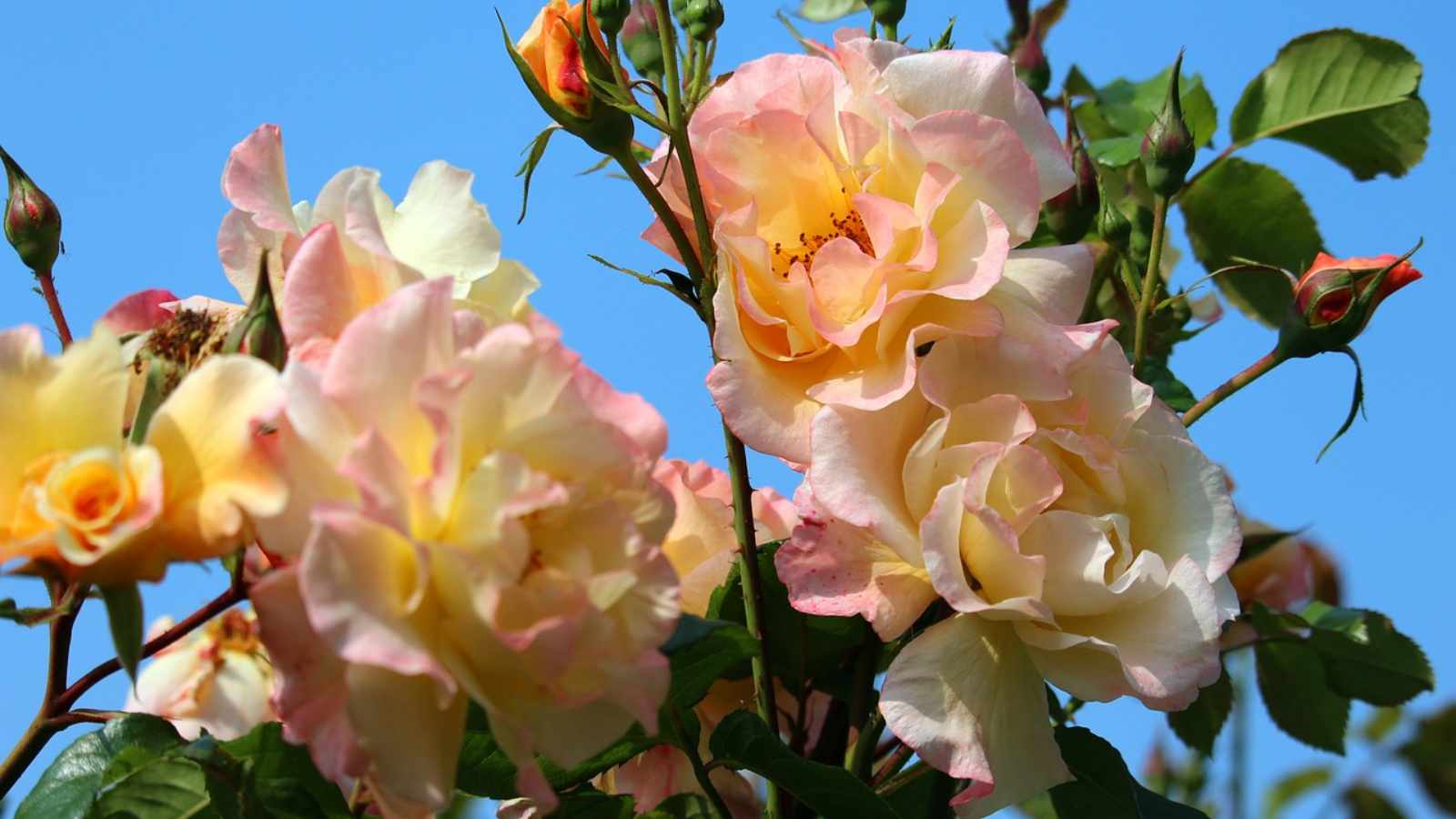
Climbing roses or roses in shrubs both give timeless beauty with their fragrant and colourful blooms. Roses come in so many types and colors and give a fence a romantic, classic charm.
Well-draining soil, ample sun, and regular pruning are required for healthy growth and flowering.
Sunflowers
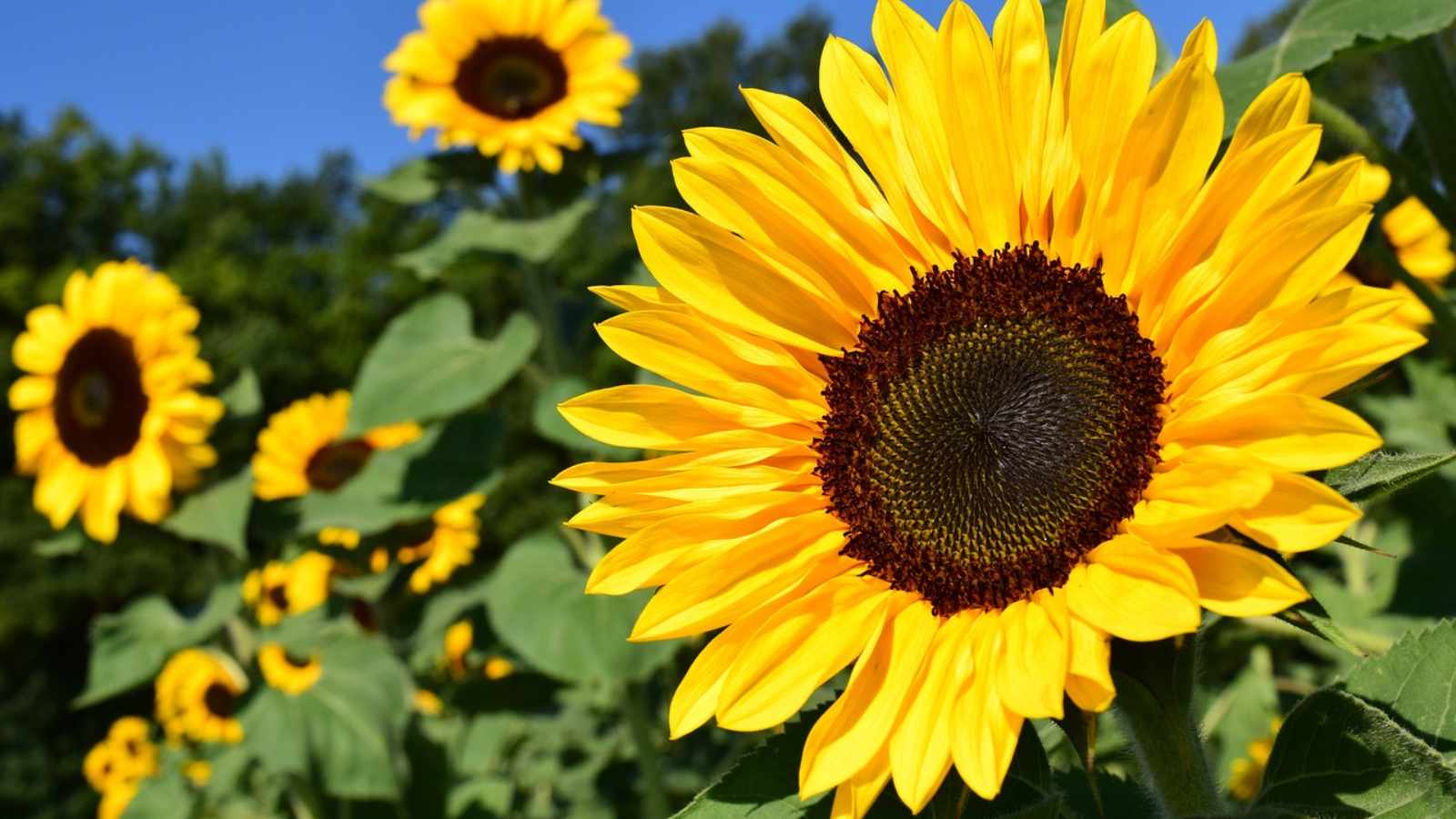
Nothing quite brightens up a dismal area like a patch of towering stems topped with big and beautiful yellow, orange, or red sunflower blooms.
Sunflowers make a striking, seasonal addition to any fence and provide a perfect rustic or playful look. They need full sun, well-drained soil, and regular watering to thrive.
Lavender
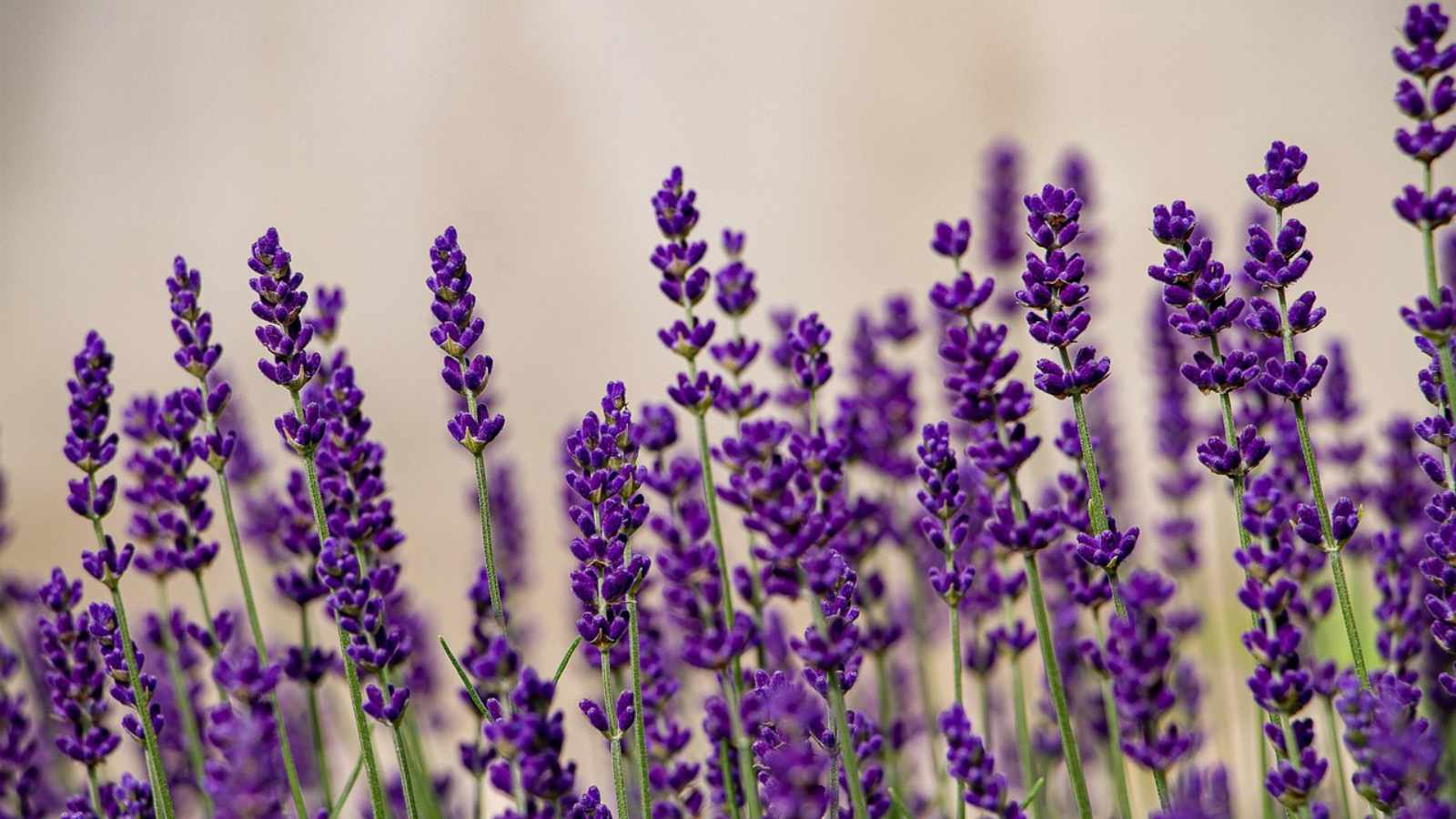
Lavender, with its silvery green foliage and purple flower spikes, is elegant and a great choice for your Mediterranean garden. It grows in full sun, needs well-draining soil, and is drought-tolerant.
Lavender has a very soothing scent and requires little daily maintenance, making it a very nice and practical plant for your fences.
Hibiscus
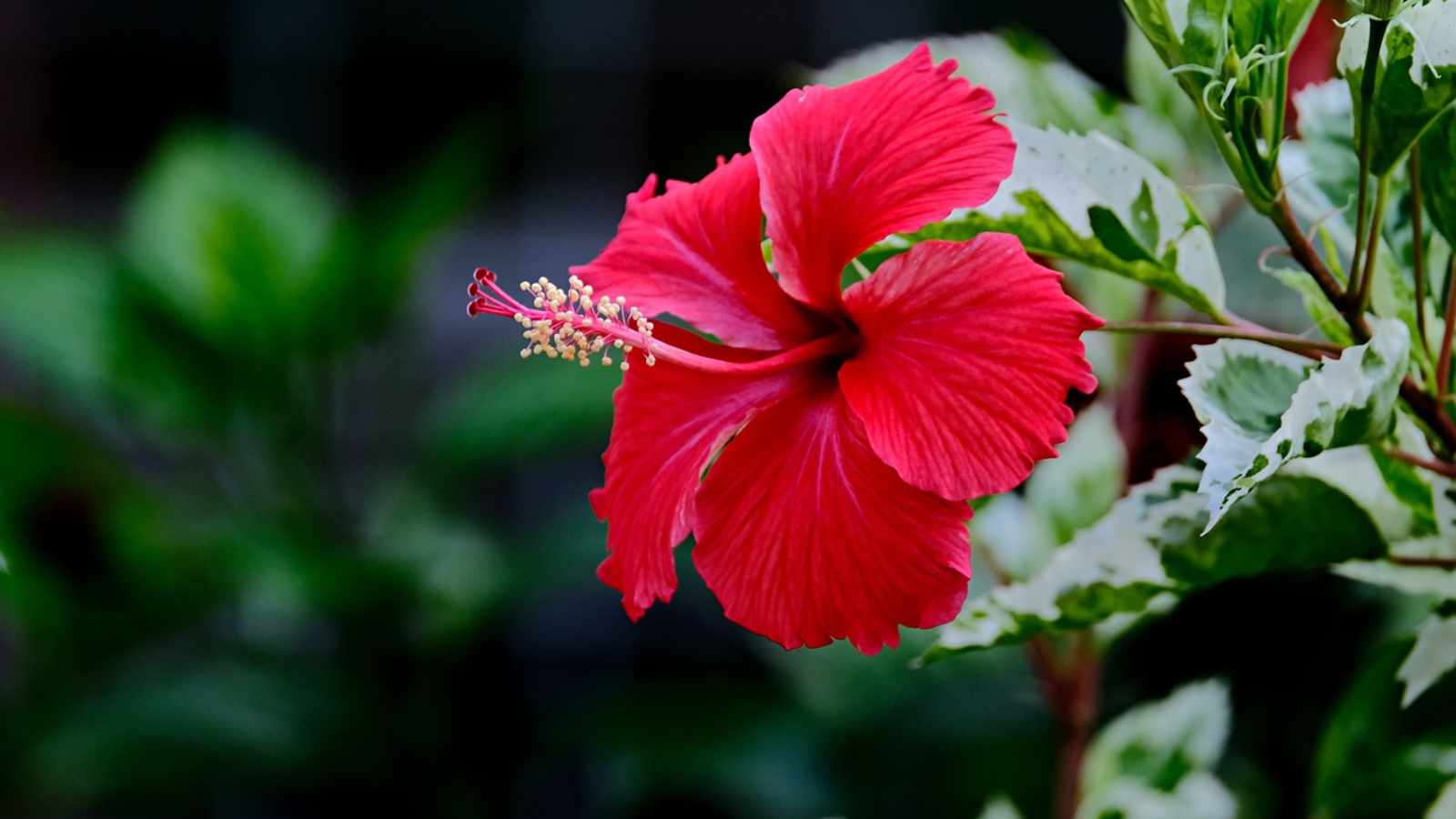
Hibiscus is a tropical plant that flowers throughout the summer. It produces large tropical flowers in the red, orange, and pink range. Its bold colors make it an ideal fence flower, adding an exotic element in warm climates.
It thrives in rich soil and full sun and requires consistent watering, especially in hot months.
Ivy (English Ivy)
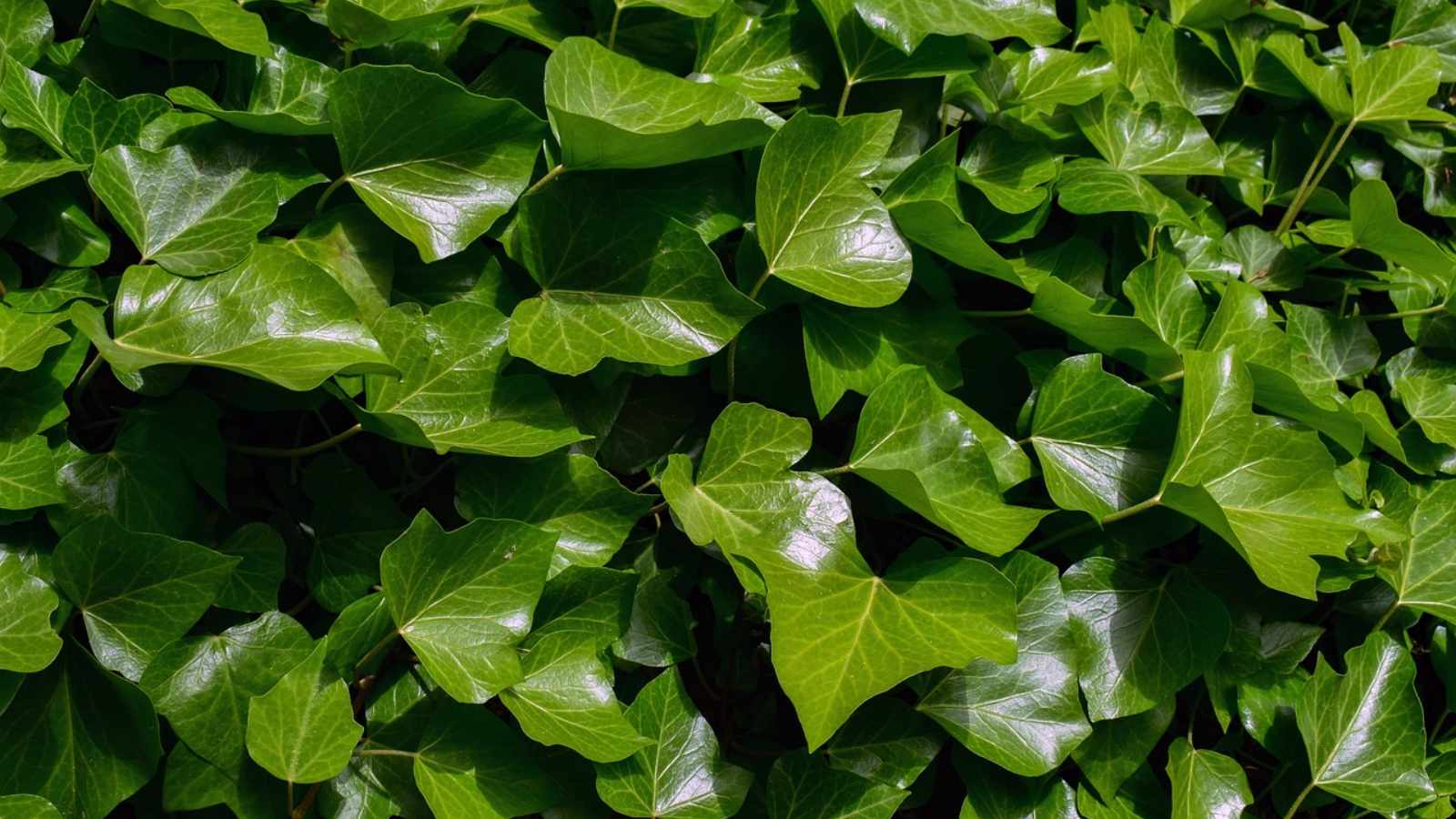
Its small, lobed leaves form a dense, green curtain that easily clings to fences. It is well-suited to partial or full shade and moist, well-worked soils, but it can tolerate a wide range of conditions.
Its low-maintenance growth and year-round greenery make it a perfect choice for a living fence.
Boxwood (Hedging)
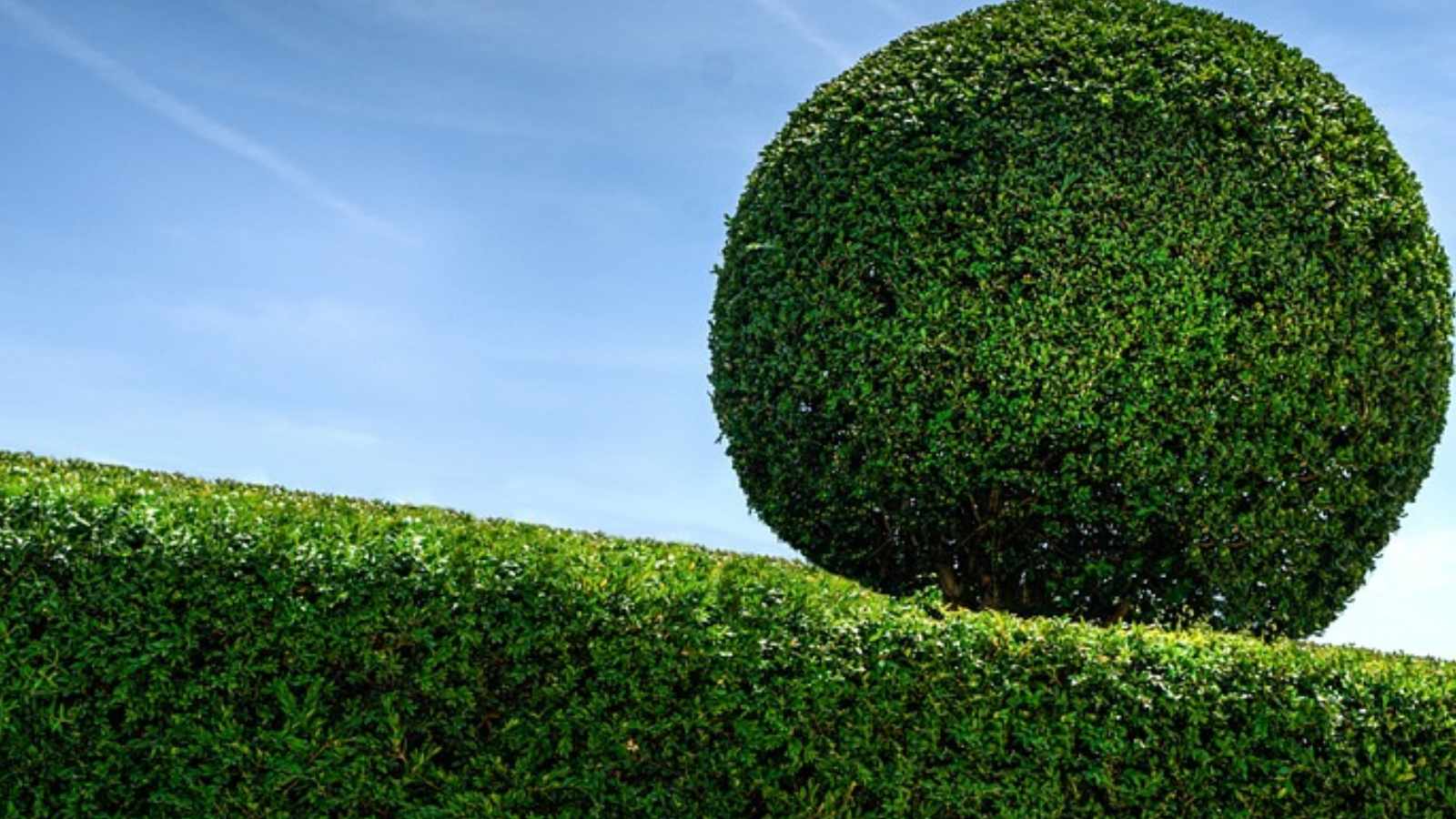
Landscape architects love boxwood for its structured, year-round evergreens that can form clean lines or curves along a fence.
Grow in well-drained soil with full sun to partial shade, and prune regularly to keep it in form. It makes a fine formal garden with its signet squat and neat.
Hostas
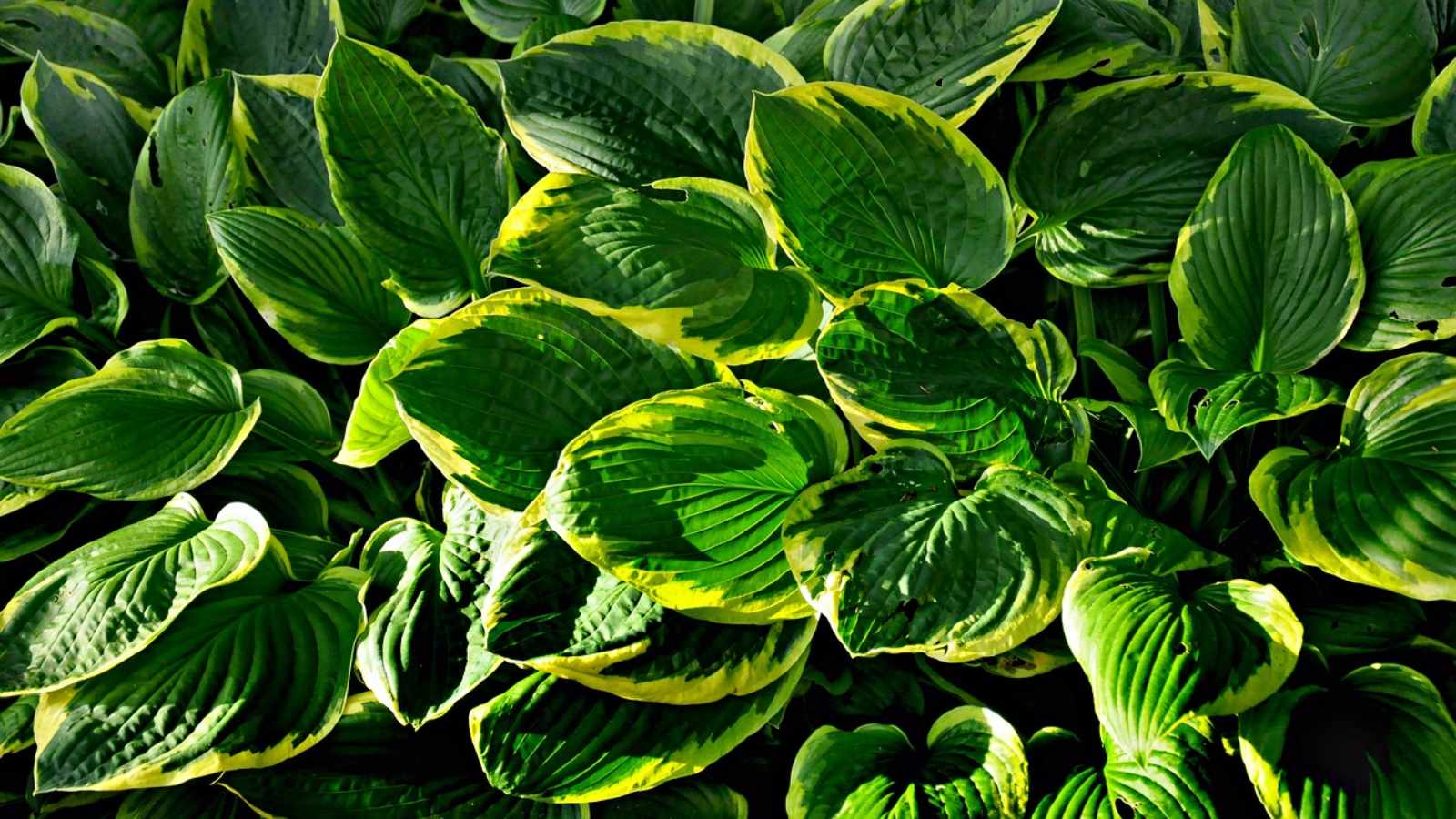
They have large leaves with textures in shades of green, blue, or variegated patterns and summer blooms on tall stems. They grow in partial to full shade and moist, well-drained soil.
Hostas are great for softening the base of the fence and achieving that lush green layered look.
Heuchera (Coral Bells)
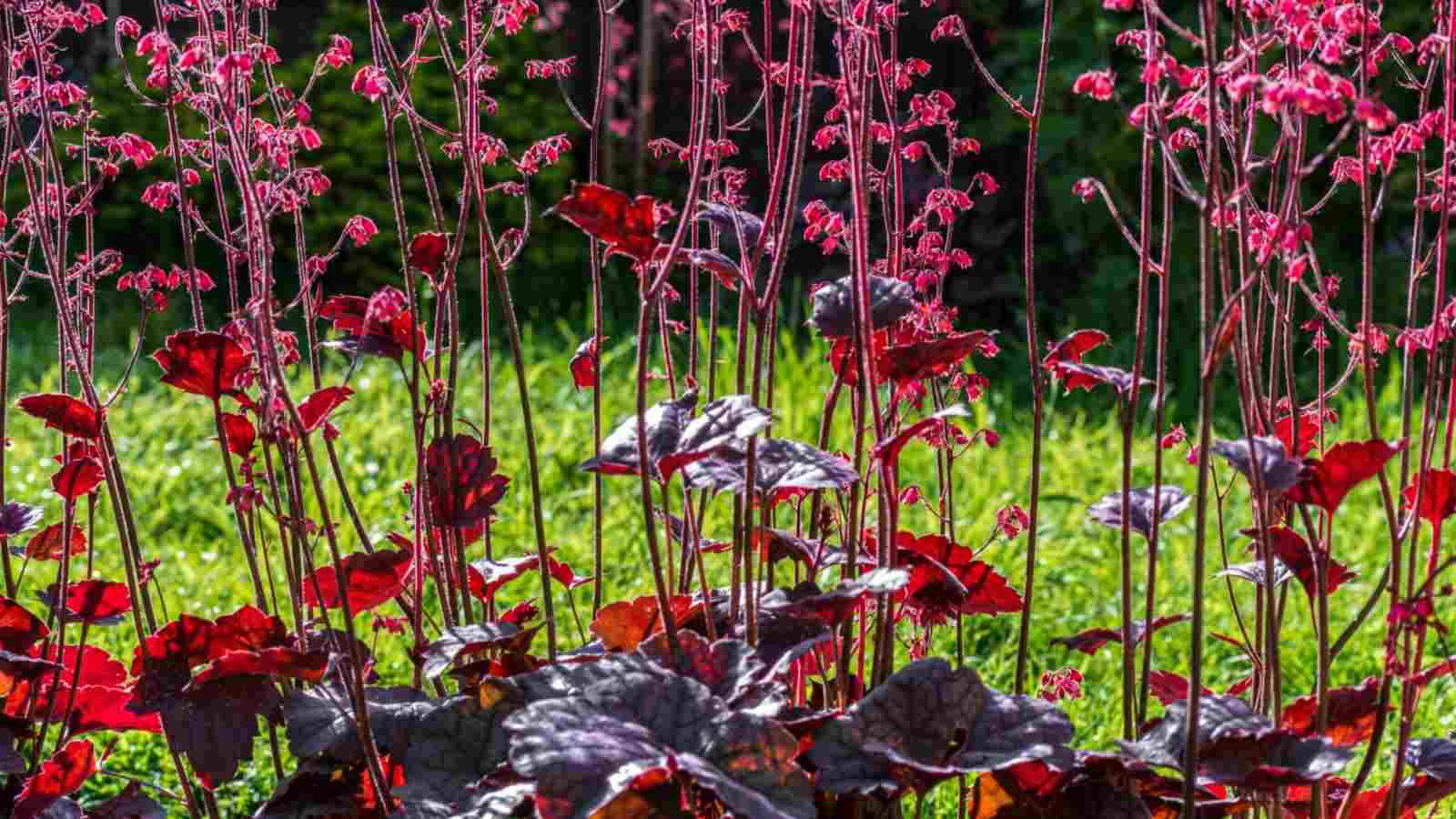
Heuchera has colorful foliage, which can be shades of burgundy, lime green, or silver, as well as delicate flowers on wiry stems. It is truly eye-catching and contrasts well with fences with its striking leaves.
It prefers partial shade and well-drained soil and needs regular watering.
Ferns
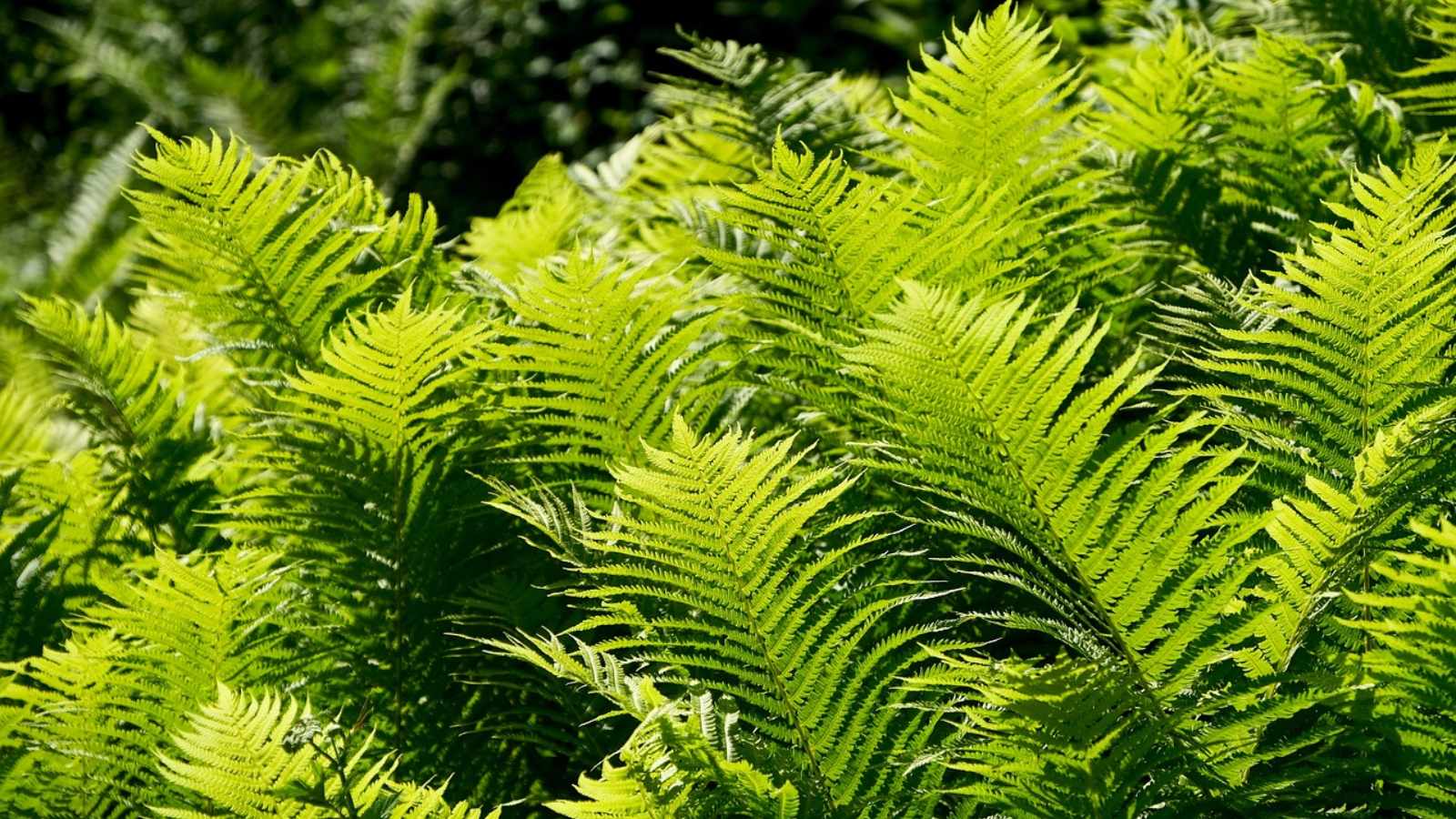
Ferns have delicate fronds with a feathery, lush texture and thrive in shaded, moist conditions. They appreciate humus-rich, well-drained soil and are good for woodland-style gardens.
Ferns make beautiful soft edges for fences, giving them a tranquil, natural feel.
Grapevines (Vitis)
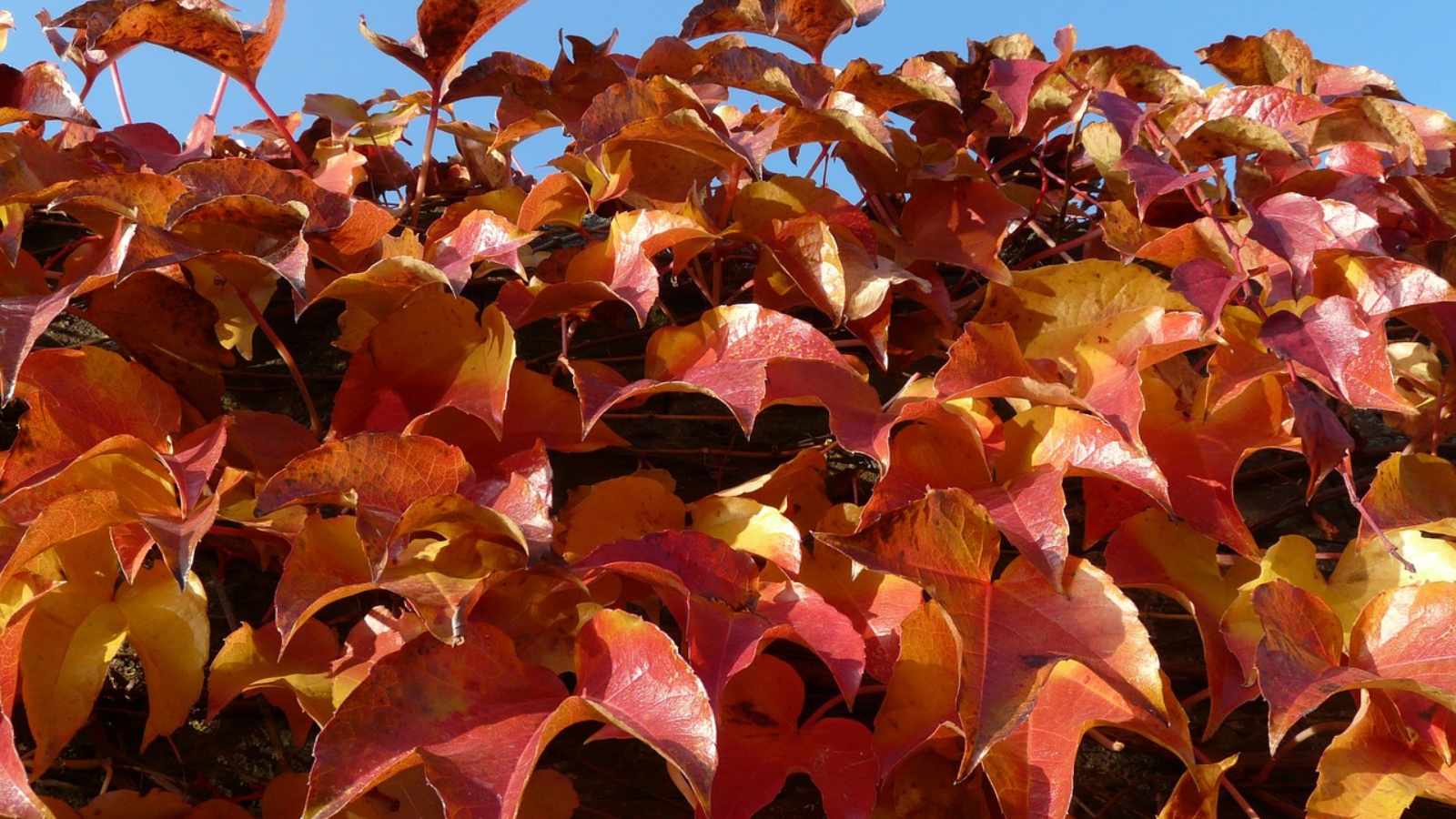
Grapevines have big, lobed leaves and groups of edible fruit. They are ideal for climbing vertically on fences.
They produce abundant fruit in full sun and well-drained soil with annual pruning. Grape vines are beautiful and provide you with grapes grown in your own home.
Passionflower (Passiflora)
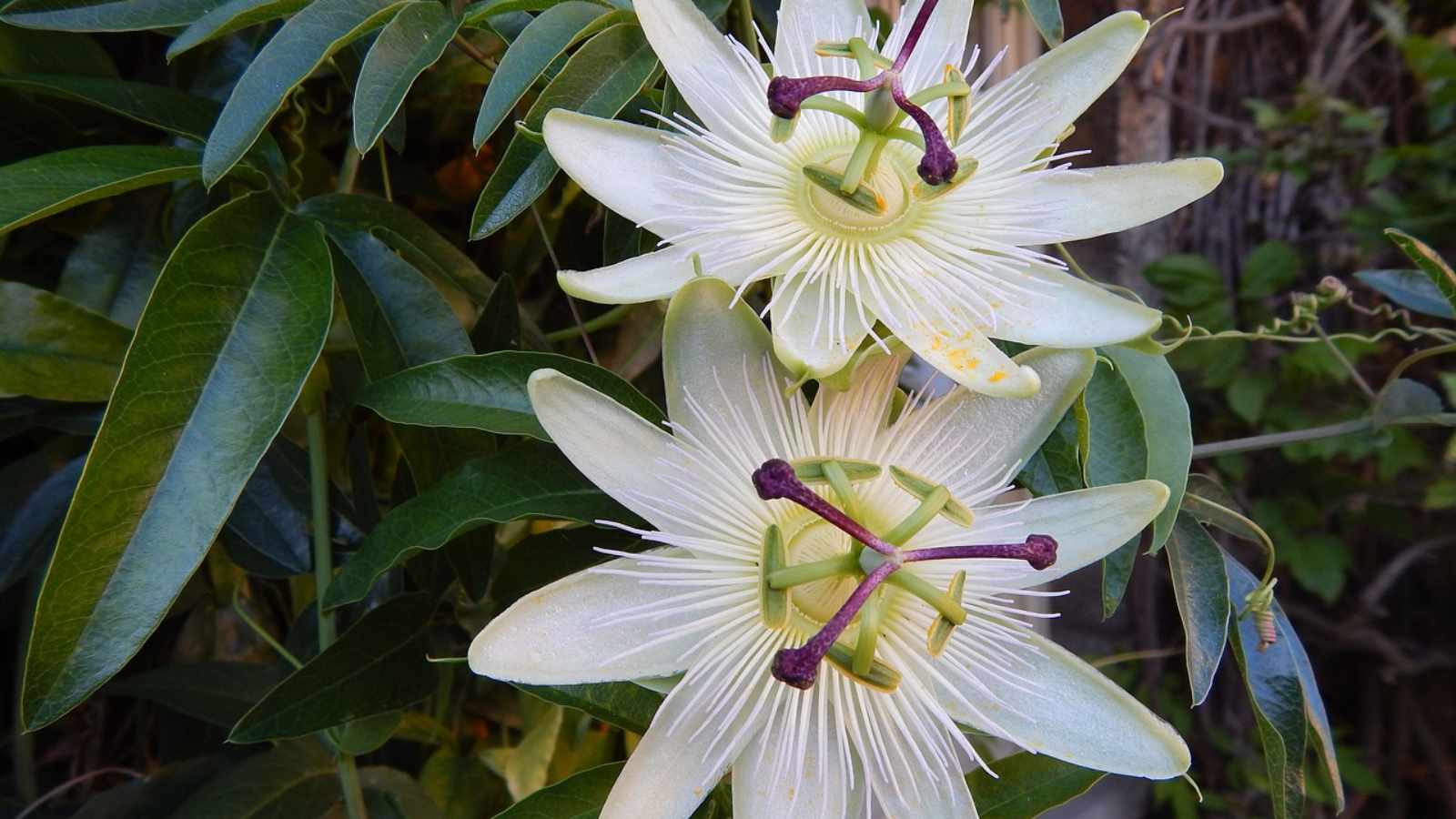
Some varieties of passionflower have edible fruit and produce purple, white, or red, intricate, exotic blooms. Plant this to add a bit of a tropical flair to your fence and add color with its stunning flowers that also entice pollinators.
This plant grows best in full sun to partial shade and well-drained soil with moderate watering.
Runner Beans
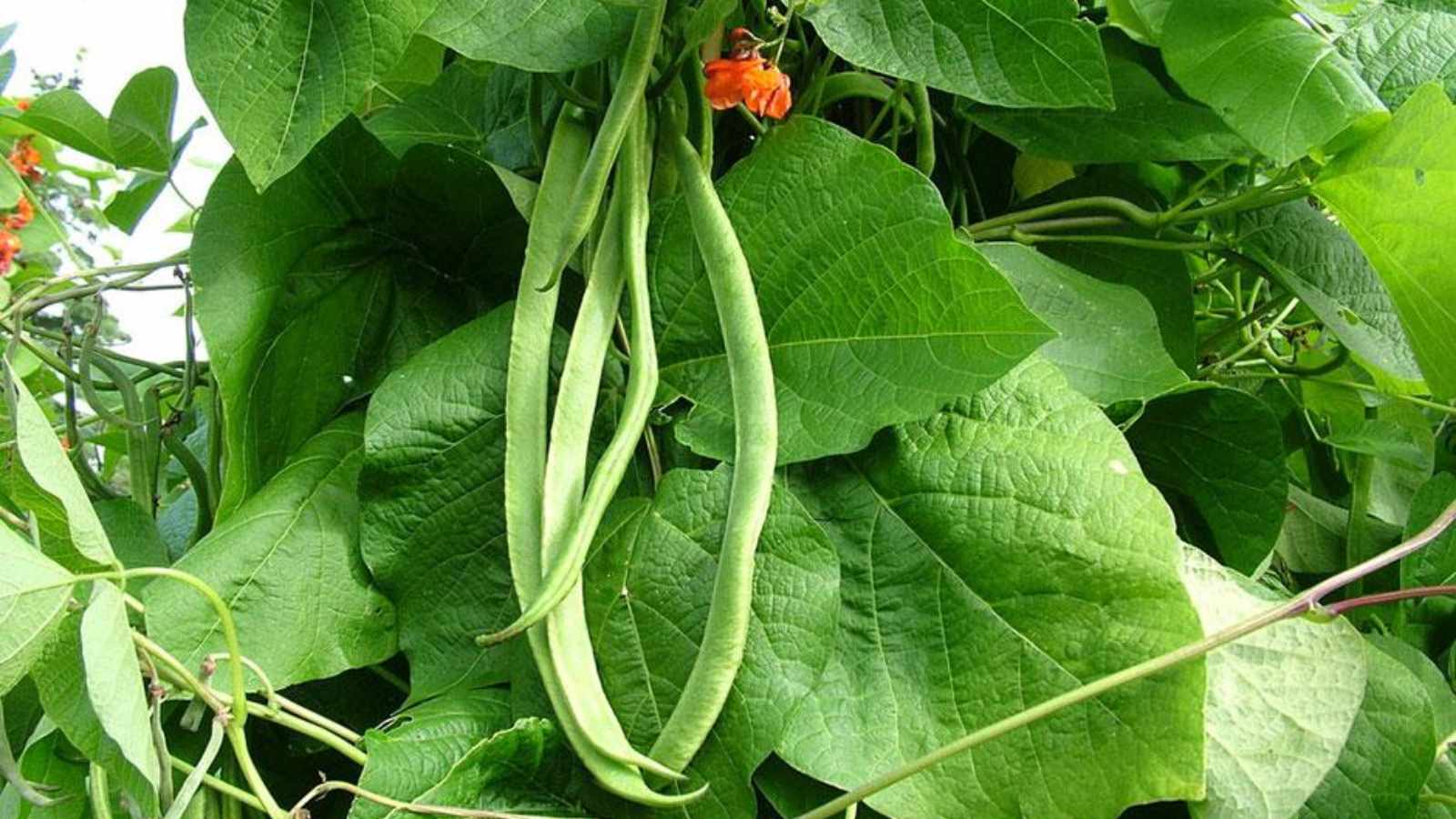
Runner beans produce bright red or white flowers and edible pods, making them a double-purpose plant. They make perfect vegetable gardens and functional and decorative vertical spaces.
To grow, they prefer full sun, fertile, well-draining soils, and constant watering.
Blackberries or Raspberries
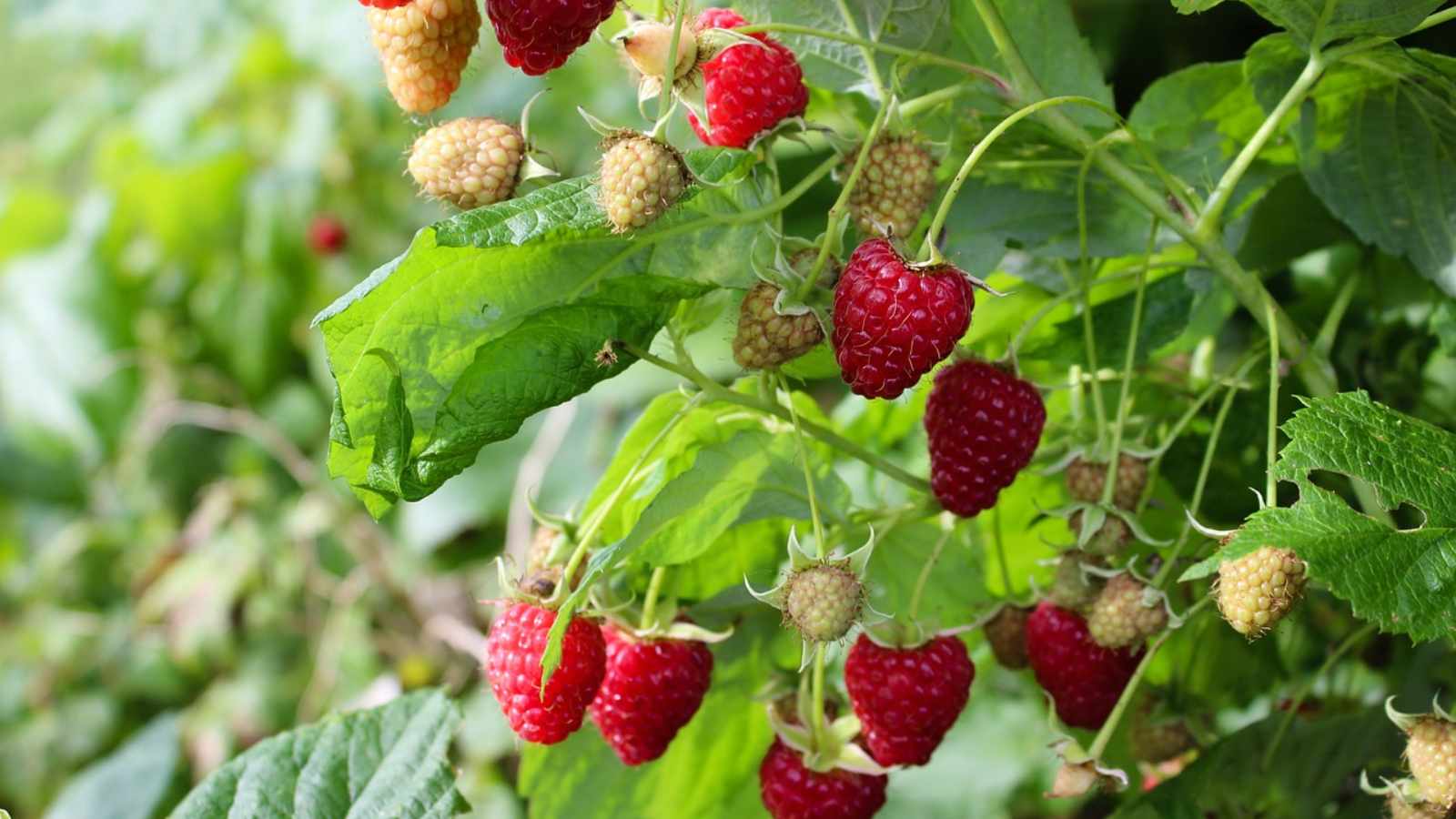
Thorny canes and lush foliage make these berry plants a delight during the growing season when they supply delicious fruit. They need full sun, well-drained soil, and frequent pruning to prevent overgrowth.
As natural climbers, they make perfect fence plants, both beautiful and covered in fruit.
Herbs like Rosemary or Thyme
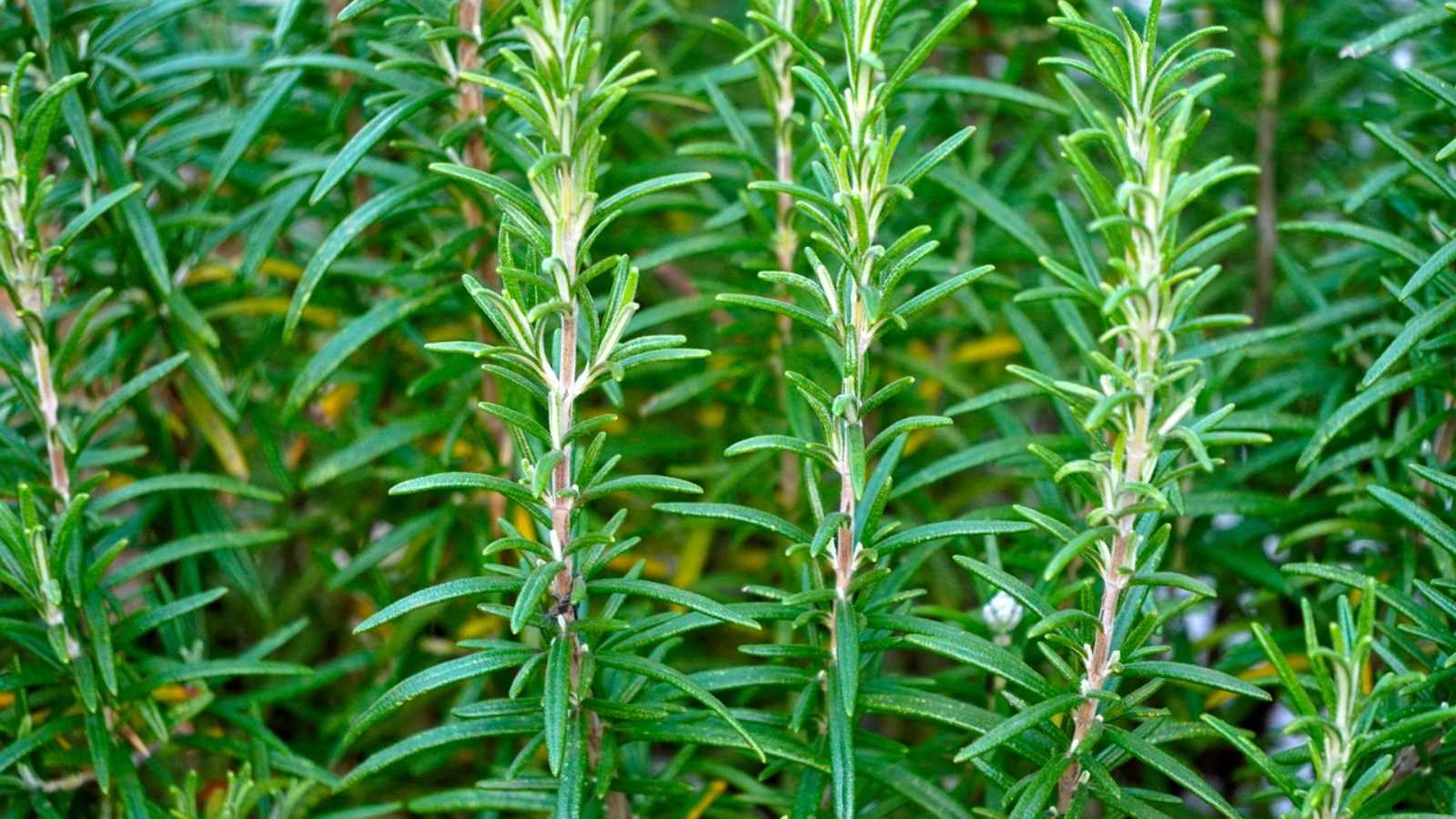
Fragrant and drought-tolerant herbs, like Rosemary and thyme, can grow happily along sun-drenched fences. These herbs are low-maintenance and bring greenery, scent, and culinary value to a fence.
They like well-drained soil and don’t need much watering; pruning them from time to time is also required.