Most people keep Epsom salt in the bathroom for the occasional foot soak or bath after a long day. But gardeners, DIY fans, and people who enjoy finding new uses for everyday household items have found plenty of other ways to put it to work.
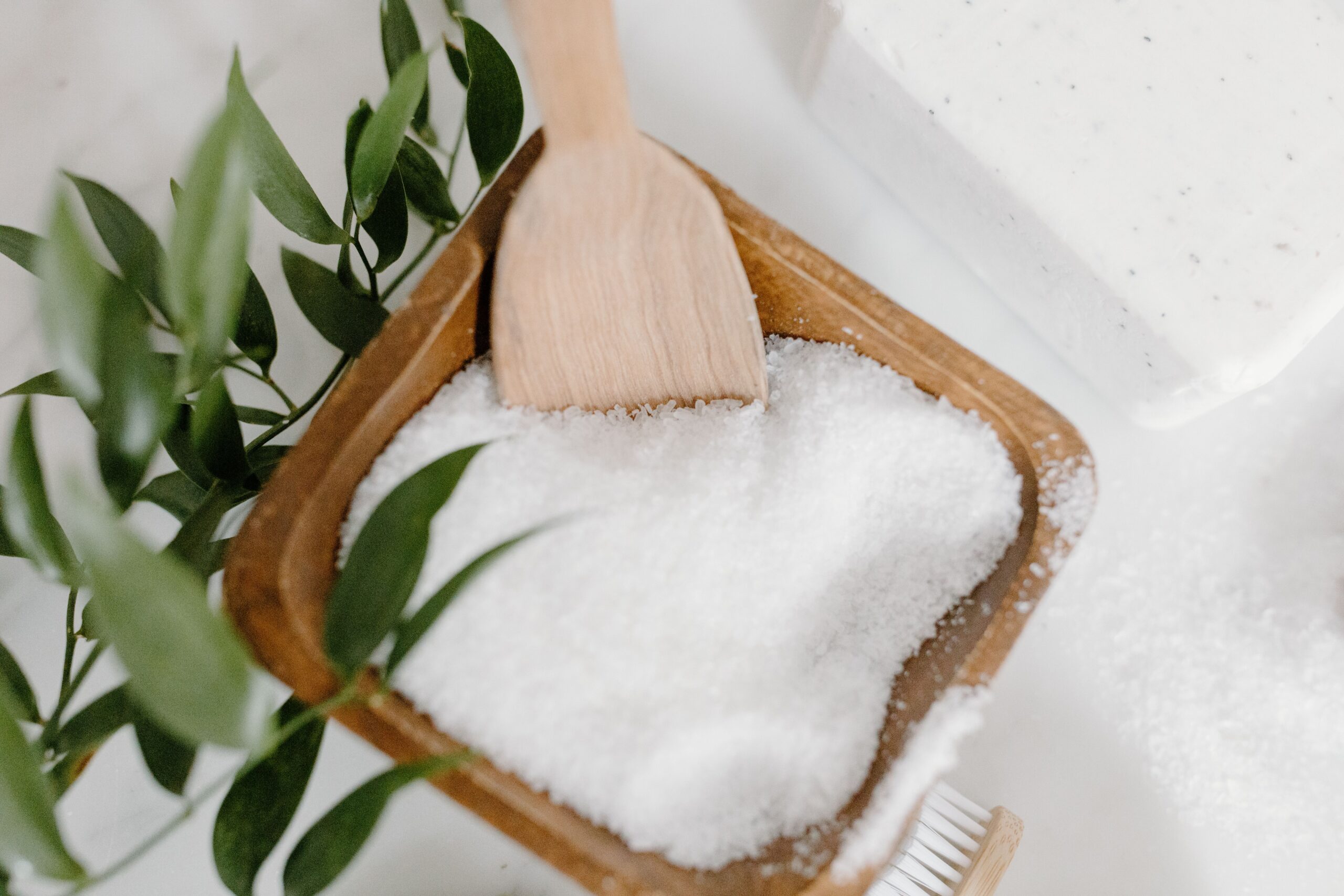
Epsom salt is made from magnesium sulfate, a mineral compound that has a few uses beyond bathwater. Some of the ideas below are practical, while others are old household tricks that deserve a closer look before you try them.
Here are 16 ways people use Epsom salt around the home, in the garden, and for a little personal care.
1. Add Magnesium to Garden Soil
Epsom salt contains magnesium, a nutrient plants need to produce chlorophyll and stay healthy. Some gardeners use it around tomatoes, peppers, and roses, but it only helps if the soil is actually low in magnesium.
2. Add It to Your Compost
Some gardeners toss a little Epsom salt into their compost piles because magnesium is a nutrient plants need. But compost doesn’t need extra Epsom salt to break down properly, and adding it won’t automatically speed up decomposition.
3. Make a Scrub for Tough Surfaces
The coarse texture of Epsom salt makes it useful as a scrubbing ingredient for certain household jobs. Mix it with a little dish soap to tackle grime on sturdy surfaces such as some sinks and cookware.
4. Mix Up a Body Scrub
Epsom salt with coconut oil or olive oil to make a basic homemade body scrub. The grains help remove loose, flaky skin, while the oil leaves skin feeling moisturized.
5. Soften Skin Around a Splinter
A warm soak can soften the skin around a small splinter, making it easier to remove. Some people add Epsom salt to the water, though there is little evidence that the salt itself makes removal easier.
6. Try It on Grease Stains
Grease stains can be stubborn, especially after they’ve had time to settle into fabric. Epsom salt is sometimes used in homemade stain treatments, but it isn’t a proven way to remove oil from clothing.
7. Keep Slugs Away From Garden Beds?
Epsom salt is sometimes sprinkled around plants to discourage slugs and snails. There isn’t reliable evidence that it works as a pest barrier, and too much salt can damage plants and affect soil.
8. Scrub Dirty Grout
Grout lines can collect dirt, soap residue, and stains that are hard to remove with a regular wipe. A little Epsom salt mixed with dish soap may provide some extra scrubbing action on sturdy, unsealed surfaces.
9. Scrub Away Grease on Pots and Pans
A little Epsom salt can add grit to a cleaning paste for stubborn messes on certain pots and pans. It may help loosen residue when paired with dish soap and gentle scrubbing.
10. Enjoy a Warm Foot Soak
A basin of warm water with Epsom salt is a familiar way to unwind after a day spent walking or standing. The warm water can help tired feet feel more comfortable, while soaking may soften rough skin.
11. Use It for Certain Livestock Soaks
Some homesteaders use Epsom salt in warm-water soaks for animals with certain minor skin or hoof problems. The idea is to soften the affected area, but the right treatment depends on the animal and what’s causing the problem.
12. Try It as a Laundry Softener?
You’ll sometimes find Epsom salt recommended as a homemade fabric softener. But it doesn’t work like commercial fabric softeners, and adding it to the washing machine won’t reliably soften clothes.
13. Scrub Light Rust From Tools
A paste made with lemon juice and Epsom salt is sometimes used to scrub small patches of surface rust. The gritty texture provides abrasion, while the lemon juice adds acidity.
14. Make a Hand Scrub After Gardening
After pulling weeds, planting flowers, or working in the yard, hands can end up covered in dirt that soap alone may not remove. Mixing a pinch of Epsom salt with hand soap can add a little scrubbing action.
15. Help Plants With a Magnesium Deficiency
Yellowing leaves and poor growth can sometimes point to a magnesium deficiency, though several other problems can cause similar symptoms. If a soil test confirms low magnesium, Epsom salt can provide that nutrient.
16. Take a Relaxing Bath
A warm bath with Epsom salt is probably the use most people recognize. Many enjoy it after a tiring day because the warm water and quiet time can make it easier to relax.