
It’s tempting to use the garage as overflow storage. It’s where extra boxes, seasonal belongings, and things you don’t have space for inside the house tend to end up.
The problem is that garages aren’t always built for long-term storage. Heat, cold, humidity, dust, and pests can ruin certain belongings before you realize there’s a problem. If you have any of these 14 items stored in your garage, it might be time to find them a better spot.
Important Documents
Birth certificates, passports, insurance papers, tax records, and other important documents can be ruined by moisture, mold, or pests. Keep them inside your home in a waterproof, fire-resistant safe or a secure filing cabinet rather than leaving them in a box in the garage.
Family Photos and Keepsakes
Old photographs, handwritten letters, children’s artwork, and scrapbooks can fade, stick together, or develop mold when exposed to changing temperatures and humidity. Store these irreplaceable items indoors in archival-quality boxes to help protect them for years to come.
Related: 8 Childhood Keepsakes You’ll Regret Throwing Away Years Later
Books
Books don’t do well in damp spaces, where moisture can cause pages to warp, stick together, or develop mildew. Keep your favorite titles on an indoor bookshelf or in a dry room instead of stacking them in garage boxes.
Electronics
Old computers, gaming consoles, cameras, televisions, and other electronics can suffer from humidity, extreme temperatures, and dust buildup. If you’re holding on to them for future use, resale, or donation, store them in a clean, dry area inside your home.
Paint
Leftover paint can become unusable if it’s exposed to freezing temperatures or excessive heat. Keep paint cans in a temperature-controlled area, away from heat sources, and label each one with its color and the room it was used in.
Wine
Wine needs a fairly consistent, cool temperature to maintain its quality, and most garages can’t provide that. Store your bottles in a cool, dark indoor location where they’re less likely to be affected by temperature swings.
Pet Food
An open bag of dog or cat food can attract mice, ants, and other pests looking for an easy meal. Keep the food indoors in its original packaging, then place it in an airtight container in a cool, dry spot.
Pantry Food
Flour, cereal, snacks, canned goods, birdseed, and bulk ingredients can spoil or attract pests when left in a garage. Store these items in your pantry or another temperature-controlled area, and check food labels for proper storage instructions.
Clothing and Bedding
Extra blankets, seasonal clothes, sleeping bags, and spare linens can pick up musty smells or develop mildew in a damp garage. Wash and dry them before storing them indoors in clean containers or breathable storage bags.
Camping Gear
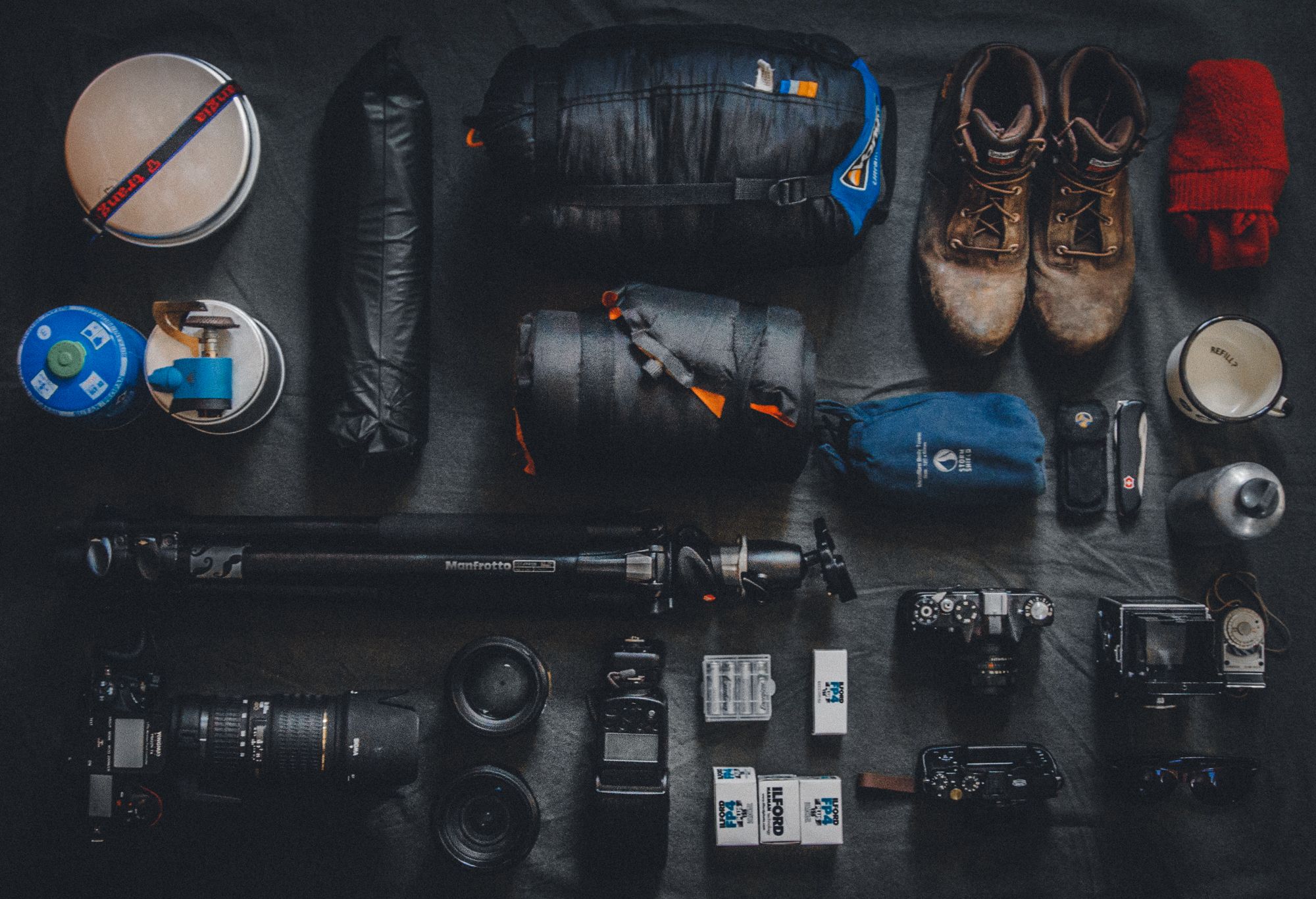
Tents, backpacks, air mattresses, and sleeping bags can sit unused for months between trips, making proper storage easy to overlook. Clean and dry everything thoroughly before putting it away in a cool, dry area to help prevent mold and mildew.
Firewood
A stack of firewood inside the garage can bring termites, ants, spiders, and other insects closer to your home. Keep it outdoors on a raised rack, away from the house, with enough airflow to help the wood stay dry.
Oily Rags
Rags soaked with linseed oil, wood stain, or certain finishing products can heat up on their own and start a fire. Follow the product’s disposal instructions, or place the rags in an approved, properly sealed metal safety container until they can be disposed of safely.
Propane Tanks
A leaking propane tank inside an attached garage can allow gas to collect in an enclosed space, creating a serious fire or explosion risk. Store propane cylinders outdoors, upright, away from direct sunlight, heat, and ignition sources, following the manufacturer’s instructions.
Gasoline and Other Flammable Liquids
Gasoline, lighter fluid, and other flammable liquids can release vapors that may ignite if they come into contact with a spark or flame. Keep them in approved, clearly labeled containers and follow local fire codes and manufacturer instructions for safe storage, preferably in an appropriate outdoor location away from living spaces.